The palm print on a bedpost that cracked a 1993 child abduction case
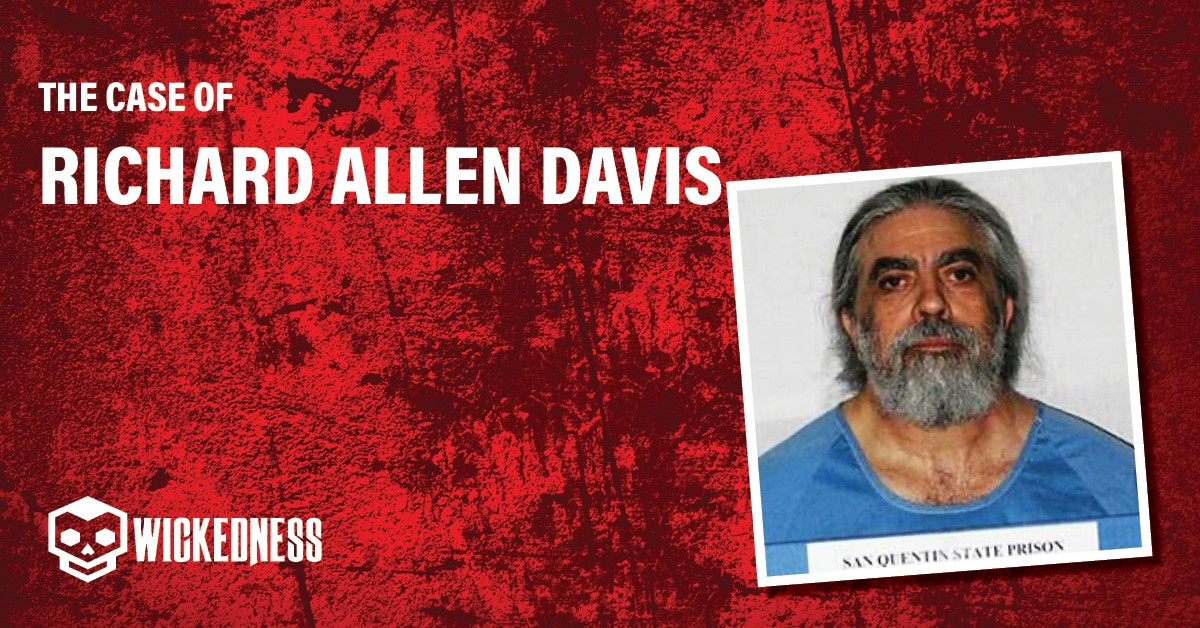
The pillowcases were still over the two girls' heads when police arrived.
The third bed was empty.
On the night of October 1, 1993, 12-year-old Polly Klaas was having a slumber party with two friends at her mother's home in Petaluma, California.
An intruder had entered the house, tied up the three girls, placed pillowcases over their heads, and abducted Polly.
Police found the bindings and the pillowcases at the scene.
They also found a palm print on a bedpost in Polly's room.
It sat there, in the room where a child was taken.
The palm print was the critical forensic link.
Richard Allen Davis had no prior connection to the Klaas family.
No history, no visits, no name in any address book.
The print on that bedpost was the one documented object that placed him in that room.
But the investigation did not identify it immediately.
The record does not establish the exact time the palm print was first collected.
What is known is that the initial failure to identify it delayed the connection to Davis.
So the print waited.
It waited in a room where three girls were tied up, where one was carried out into the night.
It waited while the largest missing-child search in U.S. history spread across the state.
It waited while Polly's mother discovered the scene when she returned home later that evening.
Why wasn't it found sooner?
Why did it take so long to match?
Why did a single print sit unexamined while a family searched?
The record does not answer that.
The record says only that it was a major mistake early in the investigation.
The palm print was there.
It was there all along.
THE SEARCH
Eve Nichol returned home later that evening and found the scene.
The bindings were there. The pillowcases were there. Her daughter was not.
The Petaluma Police Department took the case. The FBI assisted, significantly.
The FBI's Behavioral Analysis Unit helped profile the offender.
The search that followed was one of the largest missing-child searches in U.S. history.
The exact number of searchers is not in the record. Neither is the exact duration of the search.
What the record does say: the scale was enormous.
Volunteers fanned out across the county. They checked fields, ditches, and wooded lots.
They were looking for a girl who, by then, may have already been gone.
On December 4, 1993, Polly's body was found in a wooded area near Cloverdale, California.
She had been strangled.
That is the grim finality of it. The search had been vast. The outcome was a single, quiet location north of the town.
The palm print on the bedpost was still there, of course. It was evidence waiting to be read.
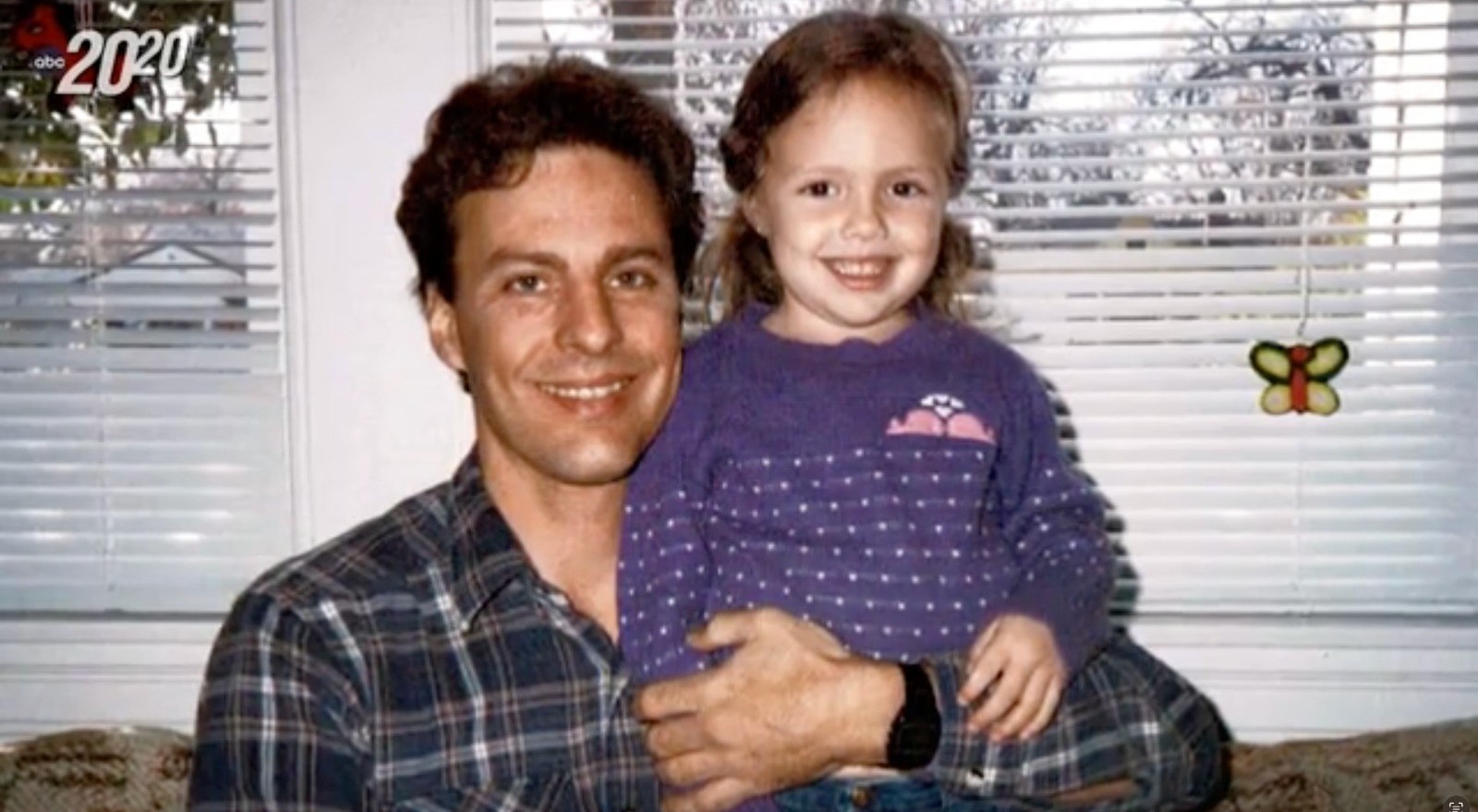
But the search had ended. The investigation had only just begun.
THE CONFESSION
The break came on December 3, 1993, when Richard Allen Davis was arrested on an unrelated parole violation.
He was a repeat offender with a long criminal record, already known to the system.
During questioning, he confessed to abducting and killing Polly.
He led authorities to her body, a wooded area near Cloverdale.
The exact content of that confession is not in the record.
What is in the record is what followed.
Investigators recovered fibers and other physical evidence from Davis's vehicle and his clothing.
That evidence tied him to the crime.
And the palm print on the bedpost, the one left in Polly's room, was later matched to Davis.
Not to a stranger passing through.
Not to a theory.
To him.
He had no prior connection to the Klaas family, according to the record.
The print was the documented forensic link.
The confession broke the case.
The evidence sealed it.
The search had been vast, the largest missing-child search in U.S. history.
The end came quietly, north of town, in a single location.
Davis was in custody.
The relief was real.
The horror was that he had been there all along, a known offender, out on the streets.
THE TRIAL
The charge was first-degree murder with special circumstances.
Kidnapping.
Burglary.
Use of a deadly weapon.
The trial opened in June 1996 in Sonoma County.
The prosecution laid out its case in three parts.
The palm print on the bedpost.
The confession.
The fibers and physical evidence from Davis's vehicle and clothing.
Three pieces.
Three links.
The defense told a different story.
The confession was coerced, they argued.
The evidence was circumstantial.
Was the palm print mishandled?
Was the chain of custody broken?
Were the fibers misread?
The record does not establish those specific arguments about the palm print's handling.
That would require evidence.
The jury deliberated.
On August 5, 1996, they found Davis guilty on all counts.
The trial moved to the penalty phase.
The jury recommended death.
On September 26, 1996, the judge sentenced Davis to death.
Two stories had been told in that courtroom.
One held a palm print and a confession.
The other held a claim of coercion.
The jury chose the first.
The weight of the decision was theirs alone.
AND THE STORY STILL ISN'T OVER
Davis remains on death row at San Quentin State Prison.
The state has not executed anyone since 2006.
Legal challenges to the lethal injection protocol stopped it.
His appeals have been repeatedly denied.
The next specific hearing or motion date is not in the record.
That would require a docket the public file does not carry.
The legal case is closed.
The story is not.
The palm print on the bedpost did its work in 1996.
It matched Davis when he had no other connection to the Klaas family.
It sat quietly in the record while the jury weighed a confession and the claim of coercion.
It remains a documented forensic link, not a theory.
California changed because of what happened in that Petaluma bedroom.
The case led to "Three Strikes" legislation.
It led to increased funding for DNA testing.
Those laws carry Polly's name in policy, if not in statute.
Marc Klaas founded the KlaasKids Foundation.
The nonprofit dedicates itself to protecting children from violence.
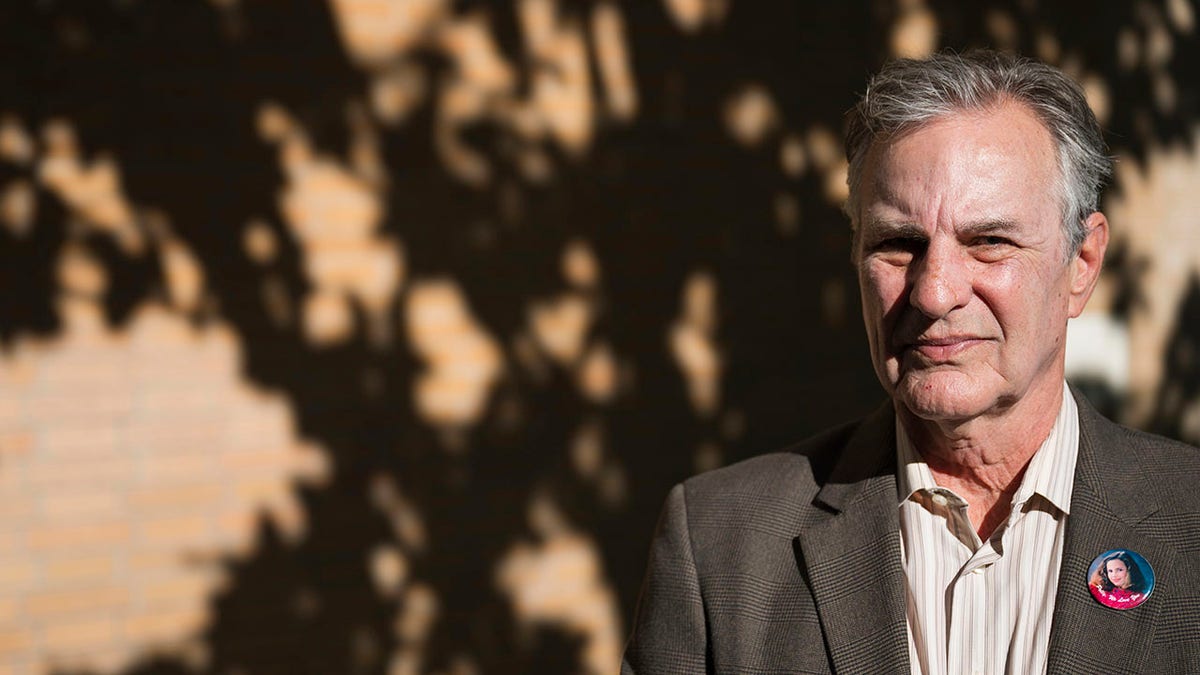
Eve Nichol stayed in victim advocacy.
She has remained active in the work that follows a loss like hers.
The case remains one of the most infamous child abductions in American history.
It is a record of evidence.
It is also a record of what families do afterward.
The palm print is a quiet, decisive fact.
The appeals are a louder, longer fact.
The advocacy is the fact that keeps moving.
Advertisement
You may also like
A pair of eyeglasses found by a body that would force two teens to confess
The glasses were horn-rimmed, found near the body of 14-year-old Robert "Bobby" Franks in a culvert close to the Indiana border. They were traced…
The 31-day gap between Caylee Anthony's last sighting and the 911 call that started it all
June 16, 2008, was the last day anyone saw Caylee Anthony alive. She was two years old. Her grandmother, Cindy Anthony, called 911 on…
The 90-second cell phone video that shattered Alex Murdaugh's alibi
Paul Murdaugh’s phone recorded for ninety seconds at the dog kennels on June 7, 2021. The video was played at trial in Colleton County.…
The tie left on the plane that never yielded a fingerprint
The tie sat on the seat of a Northwest Orient Airlines Boeing 727 on November 24, 1971. A man calling himself Dan Cooper had…
The confession that shifted — and the voices a jury refused to hear
He walked into a local bar on November 13, 1974, and told the patrons his family had been shot. Police found six bodies in…
Inside the 1980 courtroom where 33 murder counts met a confession
On December 11, 1978, a 15-year-old boy told his mother he was going to meet a contractor about a job. He never came home.…