The 90-second cell phone video that shattered Alex Murdaugh's alibi
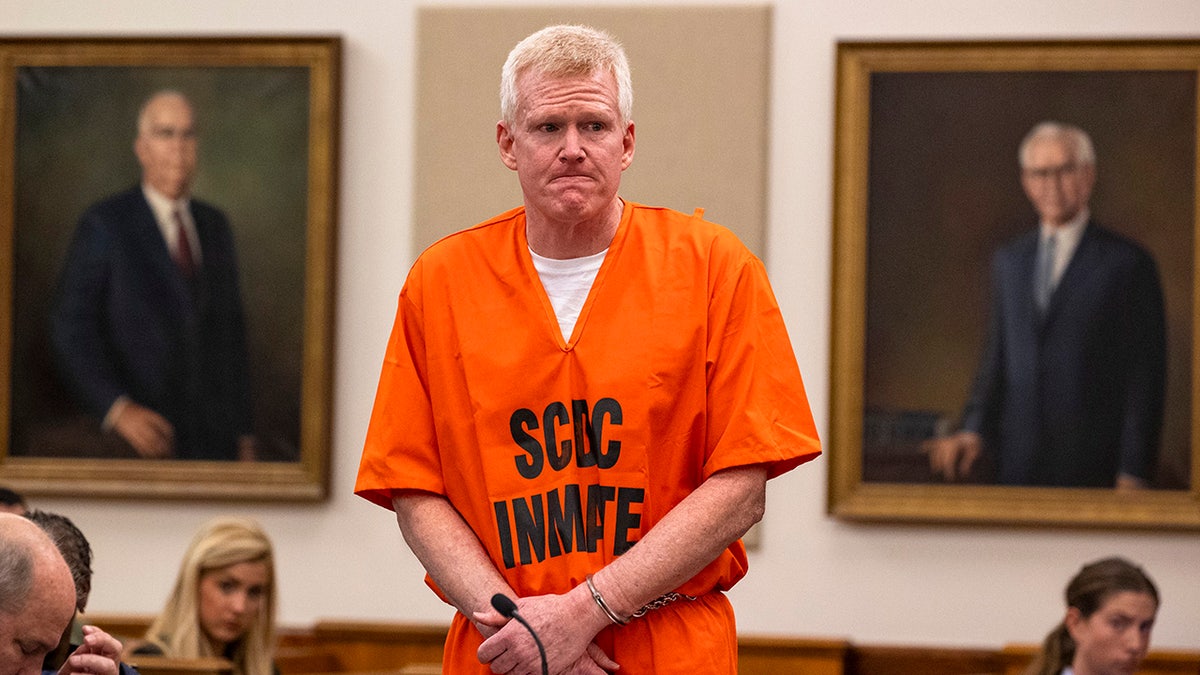
Paul Murdaugh’s phone recorded for ninety seconds at the dog kennels on June 7, 2021.
The video was played at trial in Colleton County.
It captured voices at the exact place where Paul and his mother, Maggie, were later found shot to death.
One of those voices, the prosecution said, belonged to Alex Murdaugh.
Alex had told investigators he was not there.
He said he had been visiting his mother that evening.
The video placed him at the kennels.
It placed him at the scene.
It placed him in the same minutes the state argued the murders happened.
The defense called the video circumstantial.
It did not show a gun, they said.
It did not show who held one.
It did not prove Alex Murdaugh killed anyone.
The prosecution said it proved he lied.
A man with no reason to lie about his whereabouts, they argued, does not lie about his whereabouts.
The video became the single most scrutinized piece of evidence in the trial.
A theory circulating online claims the video was edited or staged.
That claim is not established by the record.
No forensic analysis in the trial showed tampering.
No witness testified to a fabrication.
The video is what it is: ninety seconds of audio and images from a phone.

The voices are there.
The location is there.
The alibi is not.
THE 911 CALL AND THE DISCOVERY
The 911 call came at 10:06 p.m.
Alex Murdaugh told the dispatcher he had found the bodies of his wife, Maggie, 52, and his son, Paul, 22, after returning from visiting his mother.
The exact time he returned home is not in the record.
The call's content is summarized, not transcribed.
Paul had been shot twice with a shotgun.
Maggie had been shot multiple times with a rifle.
The bodies were at the family's dog kennels on the Moselle estate in Colleton County, South Carolina.
SLED initially treated the case as a double homicide with no clear suspect.
No suspect, no weapon, no immediate answer.
The murder weapons — a shotgun and a rifle — were never recovered.
Who was there?
Who was not?
The family's legal prominence drew immediate attention, and so did Paul's name.
He was tied to a separate, unresolved boat crash case involving the death of Mallory Beach.
The media arrived before the investigators finished their first pass.
The chaos of the scene was matched by the chaos of the questions.
A prominent attorney.

A powerful dynasty.
A double murder on the family property.
The record holds the call, the bodies, the missing weapons.
It does not hold the time of return.
It does not hold the content of the call beyond what was summarized.
It does not hold a suspect.
SLED worked the scene, and the case had no clear direction.
That would change.
But on that night, the only certainty was the discovery itself.
THE ROADSIDE SHOOTING AND THE FINANCIAL WEB
In September 2021, Alex Murdaugh was shot on a roadside.
He later admitted the shooting was a suicide-for-hire plot.
Curtis Edward Smith, a former client, was involved in the scheme.
Smith pleaded guilty to helping dispose of evidence.
He was sentenced to prison for his role.
The roadside shooting was not random.
It was a distraction.
The revelation turned the investigation toward Alex Murdaugh's finances.
Scrutiny uncovered millions in alleged theft from his law firm, Peters, Murdaugh, Parker, Buttrick, Detchon & Nesbit.
The firm was known as PMPD.
The exact amount allegedly stolen is not specified in the source.

Prosecutors argued Alex killed his wife and son to distract from an impending financial reckoning.
That motive is the prosecution's argument, not established fact.
The defense argued Alex was a devoted father.
The state's case, the defense said, was circumstantial.
They pointed to the lack of a murder weapon.
They pointed to the possibility of other suspects.
The roadside shooting gave the prosecution a story.
A story of a man in debt, cornered, willing to stage his own death.
A story that ended with two bodies at the kennels.
But the defense saw another story.
A grieving husband.
A grieving father.
A man whose own shooting proved he was a target, not a killer.
That would require evidence.
The trial would decide which story held.
THE TRIAL: PROSECUTION VS. DEFENSE
The trial began in January 2023 in Colleton County, with Judge Clifton Newman presiding.
Prosecutor Creighton Waters stood before the jury and played the 90-second video.
The video placed Alex Murdaugh at the dog kennels.
It contradicted his alibi that he had been visiting his mother.
Waters argued the voices on the recording were Alex and his son, Paul.

The prosecution also called a forensic expert to testify about gunshot residue and blood spatter.
The expert's testimony tied the scene together, speck by speck.
Defense attorneys Dick Harpootlian and Jim Griffin offered a different story.
Alex was not at the scene at the time of the murders, they argued.
He was a devoted father, they said.
The state failed to prove motive, they argued.
It failed to prove opportunity.
The murder weapons were never recovered.
That was a fact the defense repeated often.
There were other suspects, the defense said.
The record does not name them.
The defense called the state's case circumstantial.
It was built on a video, they said, not on a weapon.
A video that captured voices, not actions.
A video that placed him at the kennels, but not at the moment of the killings.
Waters countered: the video placed him there at all.
The jury heard both narratives.
A devoted father.
A desperate man facing financial ruin.
The prosecution argued the financial crimes provided the motive.
The defense argued the state had not connected those crimes to the murders.
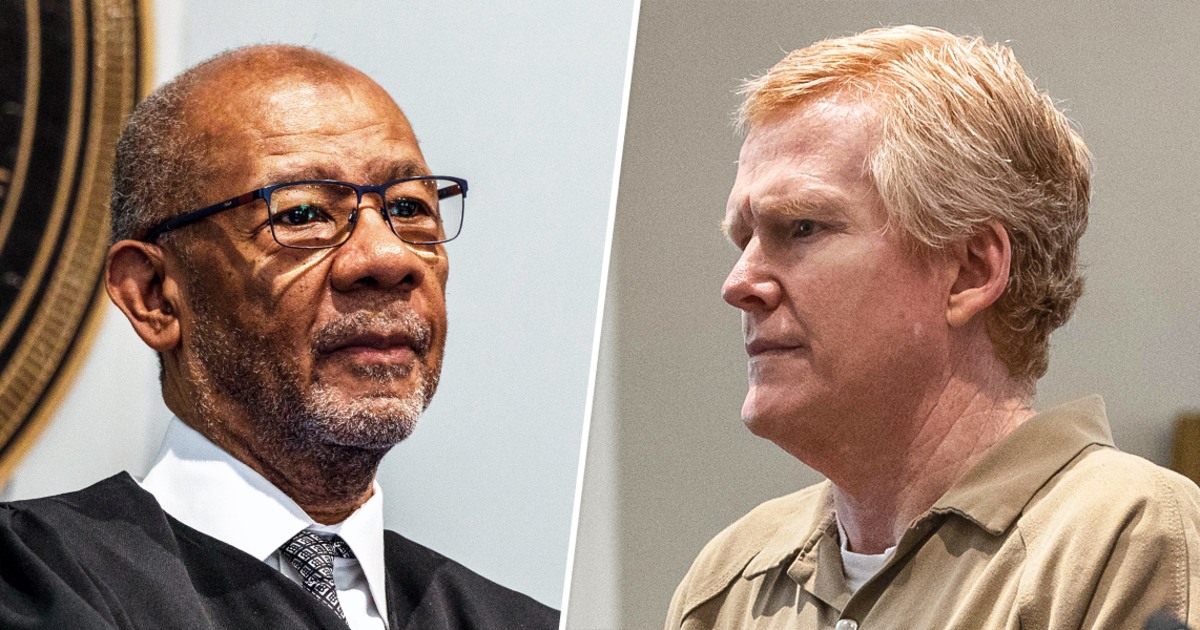
On March 2, 2023, the jury returned.
They found Alex Murdaugh guilty of two counts of murder.
They found him guilty of two counts of possession of a weapon during the commission of a violent crime.
The jury's deliberation process is not detailed in the record.
The verdict was the turning point.
The video had shattered the alibi.
The defense's alternative suspects remain unnamed.
The weapons remain unfound.
The verdict stood.
AND THE STORY STILL ISN'T OVER
The sentence was two life terms, running one after the other, without parole.
In a separate proceeding, Alex Murdaugh pleaded guilty to numerous financial crimes, including embezzlement and money laundering, and received additional prison time.
His defense filed appeals, citing alleged jury tampering by a court clerk.
The convictions were upheld in later rulings.
What became of the jury tampering allegation is not detailed in the record.
His legal team has continued to pursue post-conviction relief.
The status of that effort is not specified.
The murder weapons — a shotgun and a rifle — were never recovered.
No new arrests have been made in connection with the murders beyond Alex.
Buster Murdaugh, the surviving son, was not charged and has maintained his father's innocence.
The defense's alternative suspects remain unnamed.
The weapons remain unfound.
The verdict stood.
It is a closed case with an open wound.
It is final.
It is also unfinished.
Advertisement
You may also like

The truck painter who led detectives to 49 Green River victims — and the DNA that closed in on him
He painted trucks for a living. Gary Leon Ridgway lived in Auburn, Washington, a suburb south of Seattle. He was married multiple times. He…
The 1939 tip that put a suspect behind bars — but the murder charge never came
1939. A tip. A tip put a former bartender and carnival worker behind bars in Cleveland, Ohio. He was the most prominent suspect in…
The Zodiac cipher that cracked open a killer's boast — but not his name
In August 1969, a cipher arrived at the offices of the *San Francisco Chronicle*. It was not the first taunting letter, and it would…
The smiley-face letter that made a sister call police on her own brother
The letter arrived at the Oregonian with a claim of responsibility for a murder and a mocking of police. It was signed with a…
The 2005 massage-table complaint that opened Epstein's case, and the detective who kept digging
A mother called Palm Beach police in 2005. She said her 14-year-old stepdaughter had been recruited by an older girl to give a man…
The 13-day trial that hinged on a dress burned in a stove — and a timeline no one could explain
The dress was burned in a stove on the third day after the bodies were found at 92 Second Street. The prosecution called it…