The 2005 massage-table complaint that opened Epstein's case, and the detective who kept digging
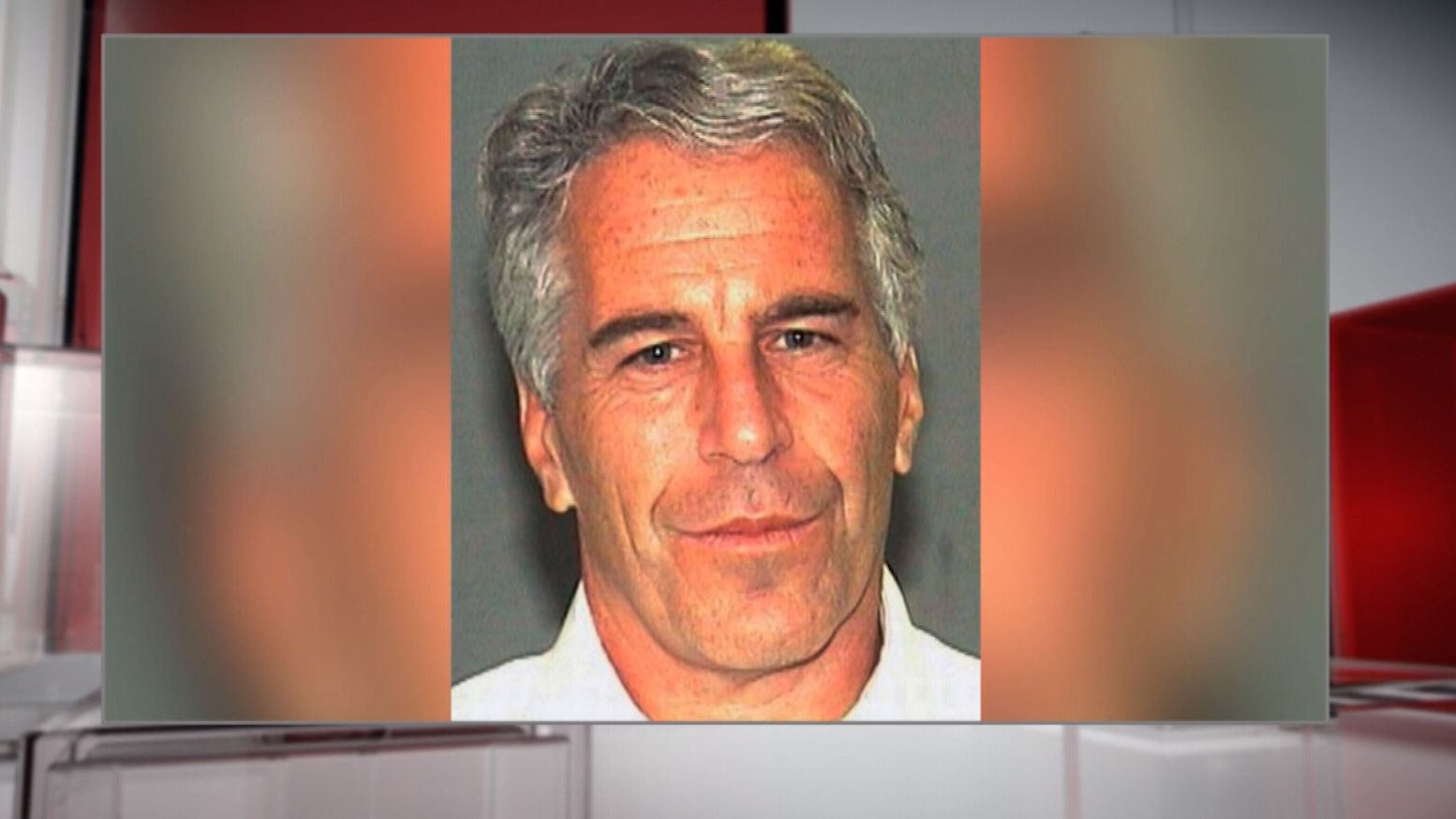
A mother called Palm Beach police in 2005.
She said her 14-year-old stepdaughter had been recruited by an older girl to give a man a massage at his mansion. The massage, she said, escalated to sexual abuse.
The complaint named a specific place: Jeffrey Epstein's Palm Beach mansion.
That single report triggered a police investigation.
The lead detective in the original Palm Beach case took the call and kept digging. He interviewed the victim and identified other girls, many recruited the same way — by an older female associate.
The record describes that recruiter only as "an older female associate."
Her identity is not established in the record. The specific content of the mother's original statement beyond that summary is also not in the record.
What the record does establish is the weight of one mother's words. A phone call. A place named. A girl's account of what happened inside.
The detective kept digging. The FBI later joined. A search warrant was executed on the mansion in 2005, where hundreds of nude photos of young women and massage tables were found.
But it began with that mother's report.
Not with a theory. Not with a conspiracy. With a complaint filed in 2005, and a detective who chose to follow it.
THE DETECTIVE KEEPS DIGGING
The lead detective interviewed the victim first.
Then he interviewed another girl. Then another.
He identified other girls, many recruited by an older female associate.
The exact number of girls he identified is not in the record.
Not because the detective stopped counting. Because the record does not say.
Each interview led somewhere. Each girl pointed to the same place.
The FBI joined the investigation.
In 2005, agents executed a search warrant on Epstein’s Palm Beach mansion.
They found hundreds of nude photos of young women.
They found massage tables.
The specific contents of the photos are not described beyond that.
What the photos show is not established. What the tables were for is not established.
They were physical objects. They were found in the mansion.
The investigation kept moving.
One interview led to another. One search led to an arrest.
Epstein was arrested in 2006.
The detective kept digging.
Not because the case was loud. Because the case was quiet, and the evidence accumulated.
A complaint in 2005. A search warrant in 2005. An arrest in 2006.
Slow. Methodical. One step at a time.
That is how the record moves. That is all the record shows.
THE DEAL AND THE PLEA
The search warrant turned up hundreds of nude photos of young women and massage tables.
The lead detective kept interviewing, kept identifying girls.
Then the federal case stopped.
In 2007, Alexander Acosta, then U.S. Attorney for the Southern District of Florida, negotiated a non-prosecution agreement.
That agreement shielded Epstein from federal charges.
It also granted immunity to potential co-conspirators.
The specific terms of that agreement beyond those two points are not in the record.
What is in the record is what happened next.
The state case proceeded under the Palm Beach County State Attorney.
In 2008, Epstein pleaded guilty to state charges of soliciting a minor for prostitution and procuring a minor for prostitution.
He was sentenced to 18 months in county jail.
He served 13 months.
He served them with extensive work release privileges.
The details of that work release schedule are not in the record.
Not because anyone hid them from this account.
But because the record simply does not include them.
A federal shield.
A state plea.
A jail sentence measured in months, not years.
The investigation had spanned years, involved the FBI, and produced hundreds of photographs.
The outcome was a plea to two state prostitution charges.
The detective who kept digging had built a case that reached the federal level.
The deal stopped it there.
The state prosecutor brought charges anyway.
The plea was entered.
The sentence was served.
And the federal case was never tried.
That is the record.
It is a record of scale and of leniency.
It is also a record that leaves a question open: what did the agreement contain, and who did it protect?
The record does not answer that.
The record only shows the deal existed, and what it did.

THE RE-ERUPTION AND THE 2019 CHARGES
The Miami Herald investigation ran in 2018.
The reporter was Julie K. Brown.
The investigation exposed the secret non-prosecution agreement.
It also exposed the extent of the abuse, according to the record.
What the Herald found beyond that is not in the record.
The exact scope of its findings is not established.
The story snapped back into focus.
Federal scrutiny renewed.
In July 2019, Epstein was arrested on federal charges of sex trafficking of minors and conspiracy.
The charges came from the Manhattan U.S. Attorney.
The federal judge denied bail.
He cited danger to the community.
The exact date of that denial is not in the record.
The record shows the denial, and the reason.
It does not show the day.
Epstein was in custody.
The case was alive again.
Thirteen years after the first complaint, a federal case stood against him.
Not because of the original deal.
Because a newspaper kept looking.
The Manhattan U.S. Attorney brought the 2019 charges.
The federal judge oversaw the case.
Both acted on the record.
Both faced a defendant who would not stand trial.
The arrest was July 2019.
The charges were sex trafficking of minors and conspiracy.
The bail was denied.
The danger was to the community.
The record holds those facts.
It holds no trial testimony from Epstein.
It holds no verdict.
It holds a denial, and a charge, and a date of arrest.

That is what the record establishes.
What the Herald found beyond the deal is not established.
What the bail hearing contained is not established.
The case re-erupted.
The record shows it.
AND THE STORY STILL ISN'T OVER
He died by suicide in his Manhattan jail cell on August 10, 2019, before trial.
The federal charges against him were dismissed after his death.
There was no verdict.
There was no acquittal.
There was only the record of what he was accused of, and the trial that never came.
Ghislaine Maxwell was tried separately in 2021.
She was convicted of sex trafficking of minors and other charges.
She was sentenced to 20 years in prison.
That conviction is in the record.
It is not the same as the trial Epstein never faced.
Civil lawsuits against his estate and various institutions have continued.
Settlements were paid to victims.
The details of those settlements are not in the record.
The specific reforms the case prompted are not named in the record either.
What the record does show is renewed scrutiny of the original non-prosecution agreement.
What it shows is a legacy of questions.
Did the deal protect others?
Did the investigation stop too soon?
Did the system fail the girls who reported?
That would require evidence.
The record holds the complaint, the investigation, the plea, the arrest, the death.
It holds Maxwell’s conviction.
It does not hold a final answer for Epstein’s accusers.
She was on the ground below.
The case re-erupted.
The record shows it.
The story still isn’t over.
Advertisement
You may also like
The ransom money that led detectives to a carpenter's door — but what did the jury hear?
The gold certificate was a twenty-dollar bill. In September 1934, it surfaced at a gas station in New York City. The attendant, Walter Lyle,…
Manson jury deliberated nine days — one witness told all from the driver's seat
She drove to Cielo Drive. She drove away from it. Linda Kasabian drove the car to both crime scenes on the nights of August…
The alibi that hung on a 14-foot boat and one cold morning
The 14-foot aluminum boat sat low in the water at the Berkeley Marina. It was December 24, 2002, and the morning was cold. Scott…
The $10 million note and the call that cracked the D.C. sniper case
The phone rang, and the priest answered. Father Michael Smargiassi was a priest in Montgomery County. Police had asked him to relay a message.…
The math professor in a Montana cabin who mailed bombs for 17 years — what made him do it?
The cabin sat on a half-acre of scrub and pine outside Lincoln, Montana, population roughly one thousand. Inside, a former mathematics professor lived alone,…
The polygraph failure that unraveled Watts's shifting alibi for missing family
The friend called police on August 13, 2018. Shanann Watts, 34, and her two daughters, 4-year-old Bella and 3-year-old Celeste, were reported missing from…