The $10 million note and the call that cracked the D.C. sniper case
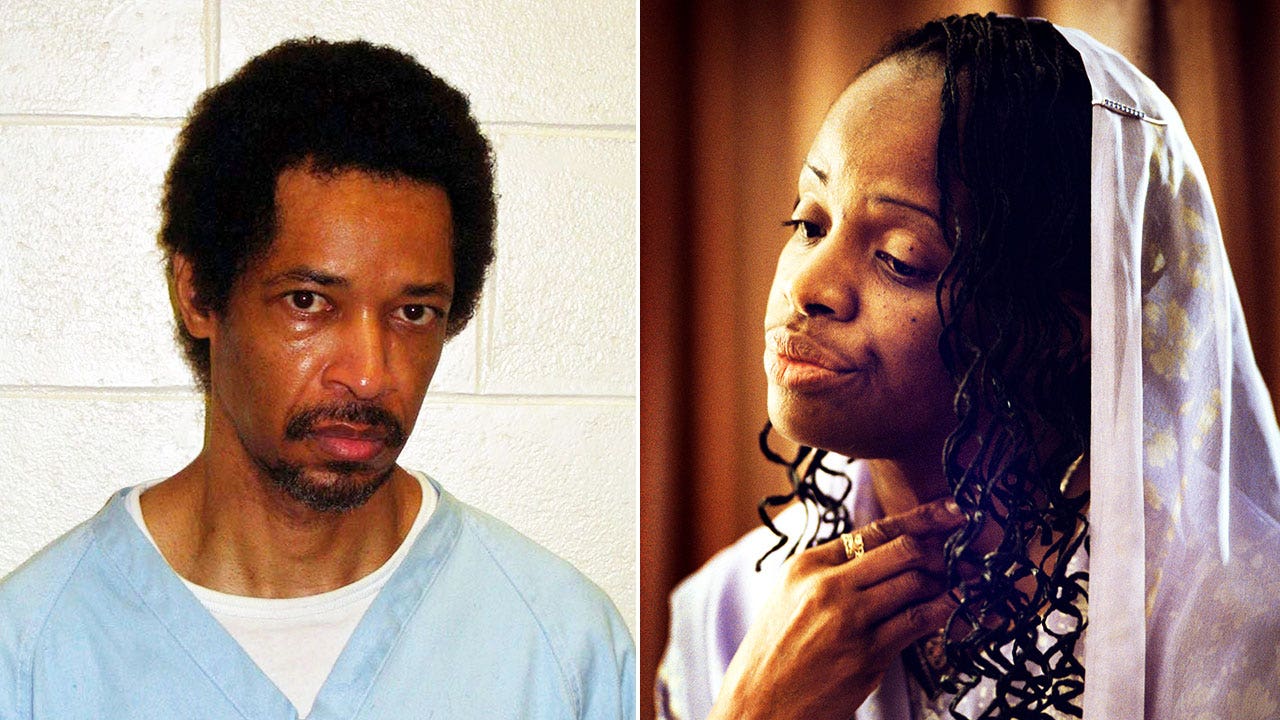
The phone rang, and the priest answered.
Father Michael Smargiassi was a priest in Montgomery County.
Police had asked him to relay a message.
The call came from the snipers.
Between October 2 and October 24, 2002, a series of sniper attacks had terrorized the Washington, D.C. metropolitan area, primarily in Maryland and Virginia.
Ten people were killed.
Three others were wounded.
The shootings happened at gas stations, a school, a home improvement store.
People zigzagged in parking lots.
Schools closed.
The caller told the priest to go to a park.
At the park, Father Smargiassi found a note.
The note contained a demand.
The demand was for $10 million.
The exact contents of the note beyond that demand are not in the record.
The note was later linked to the suspects.
A theory circulating online — not a fact established by the record — is that the snipers were never caught.
That would require evidence.
The record shows a priest's call.
The record shows a note.
The record shows what the note demanded.
The call was a turning point.
It gave investigators a voice.
It gave them words.
It gave them a place.
THE TERROR OF OCTOBER
It began at a gas station.
Then a school.
Then a home improvement store.
Between October 2 and October 24, 2002, the shootings came at seemingly random locations across the Washington, D.C. metropolitan area, primarily in Maryland and Virginia, according to the case summary.
Ten people were killed.
Three more were wounded, including a 13-year-old boy shot outside his middle school.
The case summary describes a region in terror: schools closed, and people zigzagging in parking lots.
No one knew where the next shot would come from.
Was it the highway?
Was it the shopping center?
Was it the front door?
That would require evidence, and the evidence was not yet speaking.
The investigation was led by Montgomery County Police Chief Charles Moose, who became the public face of the case.
He stood at podiums and read statements, his voice calm while the region flinched.
Behind him was a massive multi-jurisdictional effort, with the FBI, the ATF, and local police from Maryland, Virginia, and D.C., according to the investigation record.
They worked across county lines and state lines.
They chased tips and false leads.
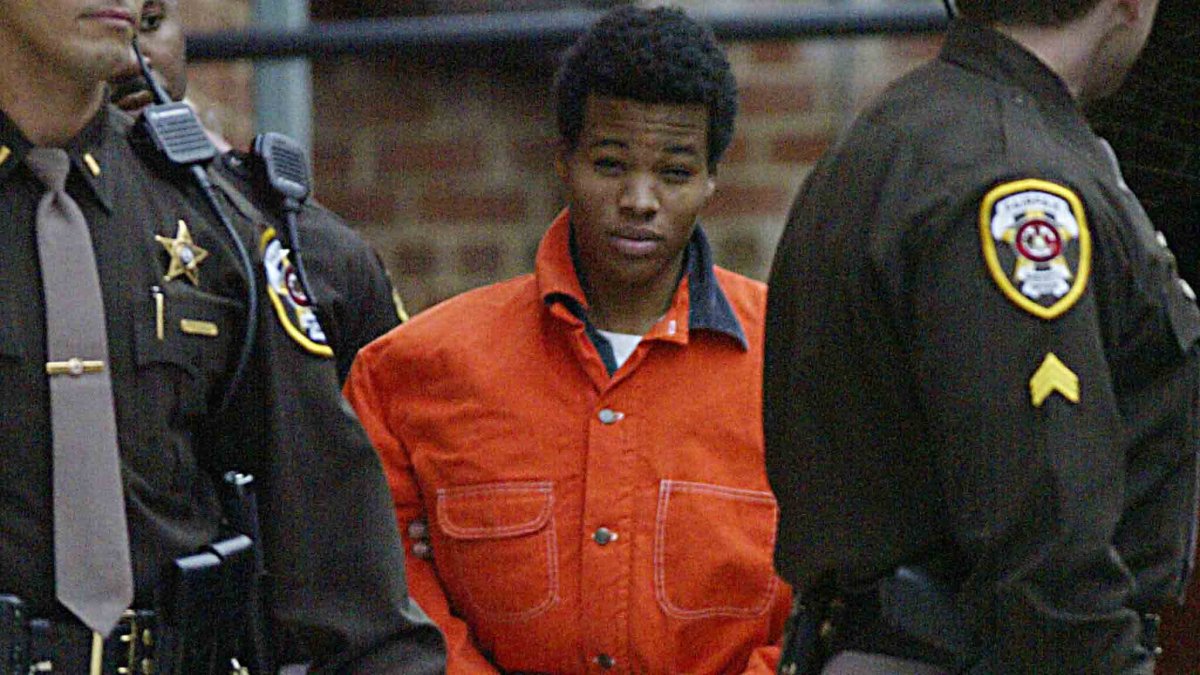
They knew the shooter was out there, somewhere, watching.
The specific locations of each shooting beyond the types of places—gas stations, a school, a home improvement store—are not in the record.
What is in the record is the pattern: random, fast, and gone.
Chief Moose became the face.
The region became the target.
The manhunt became the largest in the area's history.
And still, the shots kept coming.
THE EVIDENCE TRAIL
The shell casings told the first part of the story.
Found at several crime scenes, they were matched to a single Bushmaster .223-caliber rifle.
That rifle was recovered from the trunk of a blue 1990 Chevrolet Caprice at the time of the arrest.
The car had been modified so a shooter could fire from the trunk without being seen.
A hole in the trunk lid. A view out. No witness.
Paul LaRuffa, a pizza shop owner, provided the human link.
He had been shot and robbed by the pair in an earlier attack in September 2002.
He survived.
He testified.
He identified both Muhammad and Malvo as the men who did it.
Forensic evidence, including DNA and fingerprints, linked both men to the rifle and the car.
The specific DNA and fingerprint matches are not detailed in the record.
Not because they were absent. Because the record does not say.
Each piece fit the next.
The casings matched the rifle.
The rifle matched the trunk.
The trunk matched the car.
The car matched the men.
The testimony matched the moment.
It was a case built on objects and one man's memory.
The ballistics gave the weapon.
The weapon gave the car.
The car gave the suspects.
The survivor gave the jury a face.
THE TRUCK DRIVER'S TIP
The tip came from a truck driver named Ron Lantz.
He had heard about the case on the radio.
The exact content of that radio report is not in the record.
What is in the record is what he did next.
Lantz called police.
He gave them a license plate number for a blue 1990 Chevrolet Caprice.
That plate was the one investigators had been looking for.
On October 24, 2002, police found the car parked at a rest stop off Interstate 70 in Maryland.
The two suspects were inside.
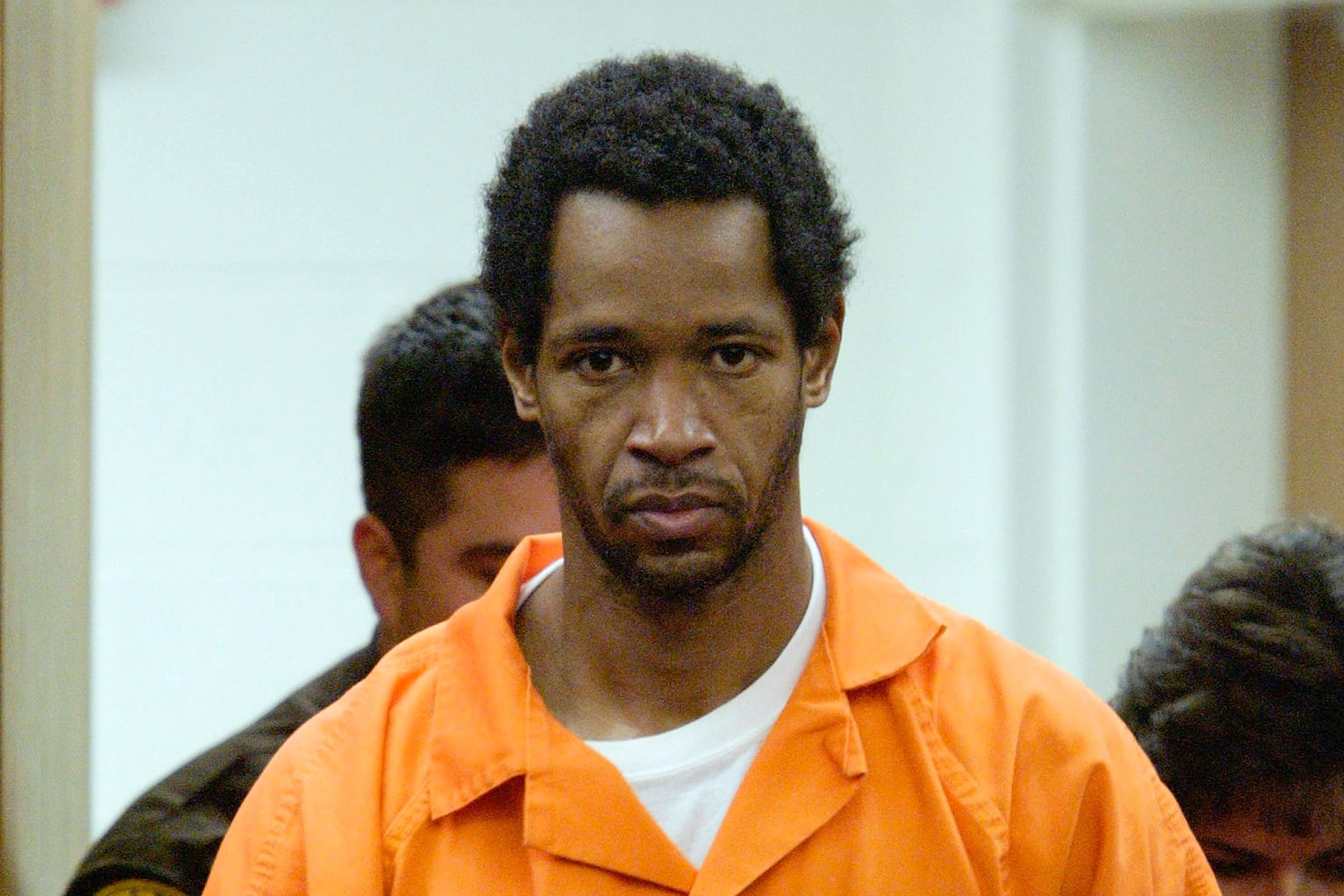
They were John Allen Muhammad and Lee Boyd Malvo.

Muhammad was a U.S. Army veteran.
Malvo was a teenager from Jamaica.
Muhammad was the older leader of the pair.
Malvo was the younger one.
The car had been modified.
A shooter could fire from the trunk without being seen.
The Bushmaster .223-caliber rifle was in the trunk.
The car gave the suspects.
The radio gave the truck driver.
The truck driver gave the plate.
The plate gave the arrest.
It was not a confession that ended the hunt.
It was not a forensic breakthrough in a lab.
It was a man listening to a broadcast and recognizing a number.
He made one call.
That call closed the case.
AND THE STORY STILL ISN'T OVER
John Allen Muhammad was tried first, in Virginia, for the murder of Dean Harold Meyers.
He was convicted in November 2003 and sentenced to death.
Lee Boyd Malvo was tried separately, also in Virginia, for the murder of Linda Franklin.
He was convicted and sentenced to life in prison without parole, avoiding the death penalty due to his age at the time of the crimes.
Muhammad was executed by lethal injection on November 10, 2009.
The appeals ran out.
The sentence was carried out.
Malvo's case did not end with his conviction.
In 2017, he filed a lawsuit challenging his sentence in light of a U.S. Supreme Court ruling on juvenile life sentences.
The trial record shows his sentence was ultimately upheld.
The current status of any further appeals by Malvo is not in the record.
That is where the legal record stops.
The car used in the attacks was destroyed in 2004.
The blue 1990 Chevrolet Caprice, modified so a shooter could fire from the trunk, was crushed.
The rifle was evidence.
The car was scrap.
The case remains one of the most studied examples of a serial sniper attack in U.S. history.
The victims' families have continued to speak publicly about the case.
The case led to changes in how multi-jurisdictional investigations are coordinated.
One man made a call.
A note demanded $10 million.
A truck driver recognized a number.
The evidence held.
The verdicts held.
The sentences were carried out.
It is finality.
It is also a lingering echo.
Advertisement
You may also like
A freelance photographer's fibers that tied him to 28 Atlanta child murders
The photographer was 23 years old. He worked freelance, taking pictures and promoting music in Atlanta. The city around him was in panic. Between…
The 1:00 a.m. knock that emptied a museum of $500 million in art
It was a knock that sounded routine. Shortly after 1:00 a.m. on March 18, 1990, two men in fake Boston police uniforms knocked on…
The left-handed clue in a 1954 murder that pointed at one man — and no one else
She was on the ground below the bedroom window, and the house was quiet. On July 4, 1954, Marilyn Sheppard was found bludgeoned to…
The road near Gibsland where Barrow stopped and 100 rounds followed
The road was dirt and gravel, a rural stretch near Gibsland, Louisiana. On May 23, 1934, a stolen Ford V-8 sedan stopped on it.…
The tape recording a 10-year-old victim made that a jury heard in a Manchester courtroom
The trunk sat in a house that police searched on 6 October 1965. Inside it were photographs and a tape recording. The recording captured…
The Gulf War veteran and the teen who terrorized D.C. — what drove them?
The truck driver pulled into the rest stop near Myersville, Maryland, and saw the white Chevrolet Caprice. He called it in. On October 24,…