The tape recording a 10-year-old victim made that a jury heard in a Manchester courtroom
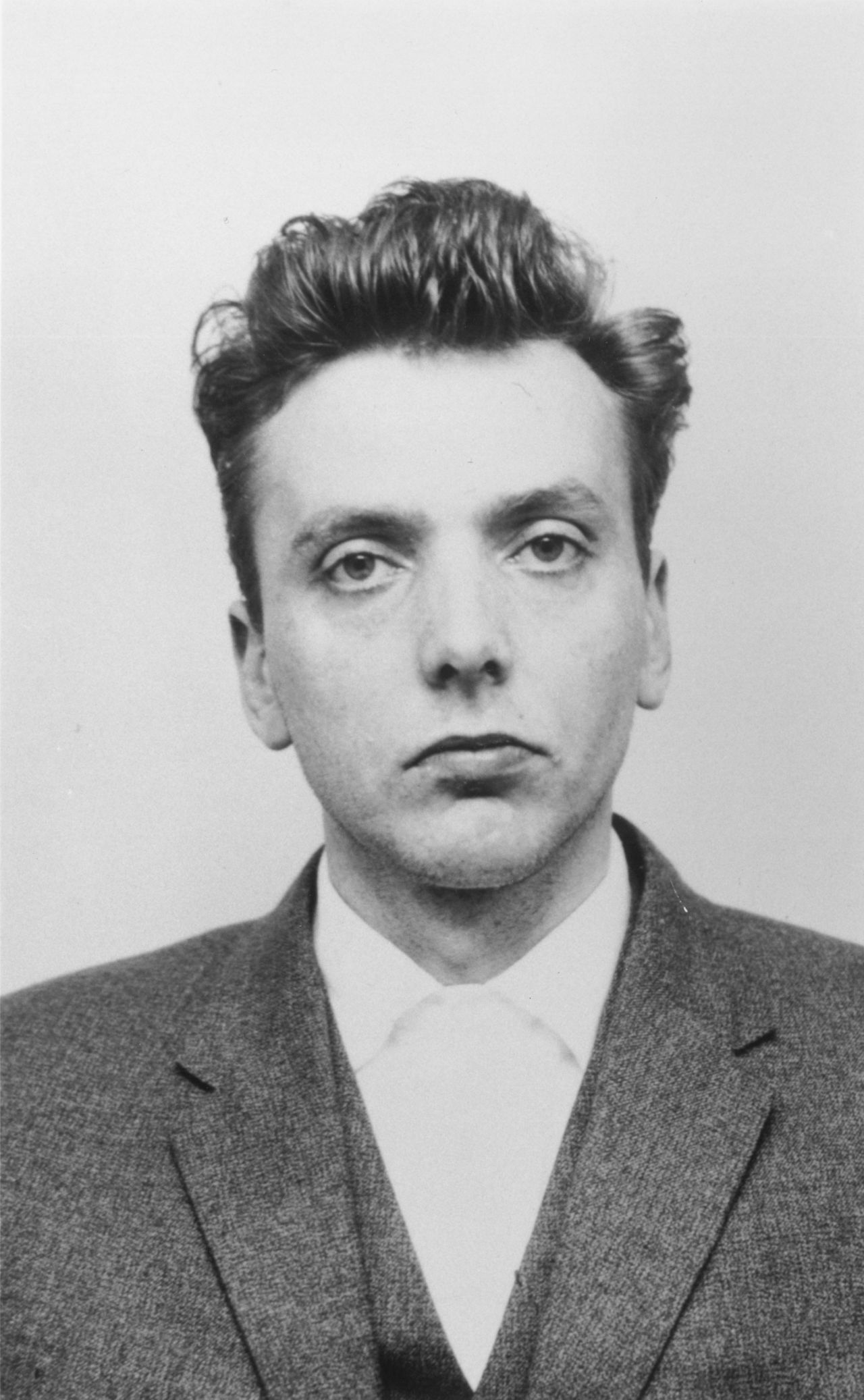
The trunk sat in a house that police searched on 6 October 1965.
Inside it were photographs and a tape recording.
The recording captured a 10-year-old pleading for her life.
That tape was later played in a courtroom.
It became a pivotal piece of evidence in the trial.
The case surfaced the same day police arrested two people.
The arrests came after a murder was witnessed by a brother-in-law.
He alerted authorities, and the investigation began.
What is documented: a search of the house revealed the trunk.
What is documented: the recording was played in court, and it held a child's plea.
What is not fully established: the exact contents of the tape beyond that plea.
The record does not set out her precise words or the full length of the recording.
People look at this case now, and they ask what was on that tape.
They ask how a jury sat and listened.
They ask what a child's voice does to a courtroom.
The answer requires evidence the record does not supply.
The recording exists as a fact.
The rest is what the trial would test.
THE WITNESS AND THE ARREST
He saw it through a window, or he saw it in a room; the record does not say exactly how the witness came to be there.
The brother-in-law of one of the accused said he watched a murder committed with an axe at the couple's home.
He alerted the authorities.
Police arrested two people the same day, 6 October 1965.
The victims in the case were five children and teenagers, abducted and murdered between July 1963 and October 1965.
The witness had seen the killing of the oldest victim, a 17-year-old.
What he told police set the chain moving.
A search of the home followed.
A search of nearby moorland followed.
The searches uncovered evidence linking the two accused to other killings.
The exact sequence of events inside the home that night is not detailed in the record.
The witness's account is the hinge.

Without it, the arrests might not have come that day.
With it, the case broke open.
The record does not say how long he hesitated.
It does not say what he told his wife first.
It says he alerted authorities, and that was enough.
The couple were taken into custody.
The evidence on the moor would come later.
The trial would test what the witness said and what the searches found.
That would take months.
THE SUITCASES AND THE ADMISSIONS
The left-luggage ticket was found in the house.
It led police to two suitcases.
Inside were items that linked the two accused to the other victims.
Under questioning, one accused admitted to two of the murders.
The other admitted to being present at two other murders.
Both later retracted parts of their statements.
Which parts were retracted, and exactly what was said, is not specified in the record.
It is not established in the record.
The suitcases were not the only evidence.
Forensic experts examined soil samples and fibres.
Those samples connected the couple to the crimes.
Soil on the clothing matched the moor.
Fibres matched the homes.
The evidence accumulated.
Objects.
Admissions.
Forensics.
It closed in.
The bodies of two victims were never found.
Extensive searches of the moorland turned up nothing.
The moor kept its ground.
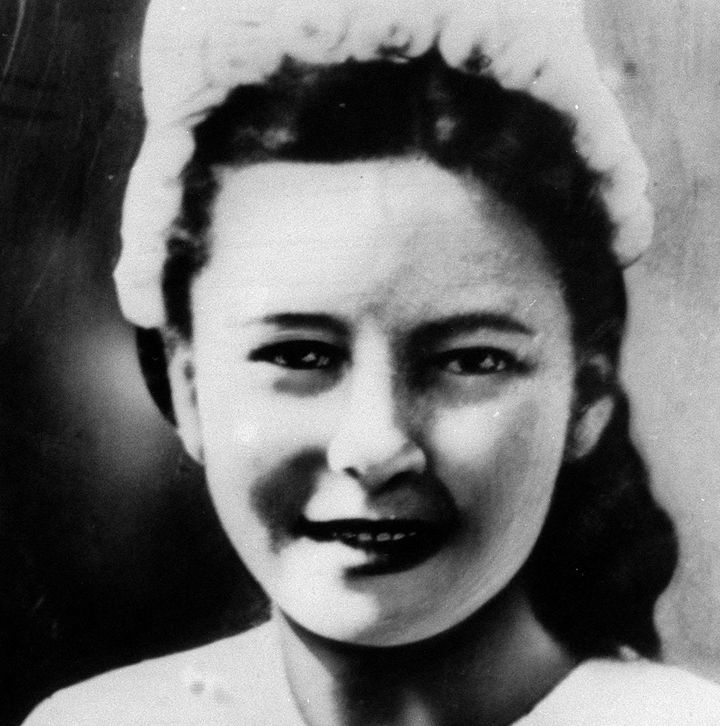
The searches went on.
The record does not say when they stopped.
It says only that the bodies were never found.
The weight was on the two accused.
The ticket.
The suitcases.
The words they had spoken.
The soil and the fibres.
It was a chain of things.
Each one led to the next.
The trial would hear all of it.
THE TRIAL AND THE TWO STORIES
The trial opened on 19 April 1966 at Chester Assizes.
Two people stood charged with three murders.
The prosecution laid out its case with the tape recording and the photographs.
The recording was played in the courtroom.
The jury heard the child's voice.
What exactly the child said on that tape is not fully established in the record.
The prosecution presented it as proof of what had happened.
The defence answered with a different story.
One accused, the defence argued, was under the influence of the other.
The other alone, they said, was responsible for the killings.
Two narratives, set against each other.
A mastermind.
A dominated accomplice.
The specific arguments each defence counsel made beyond that influence claim are not in the record.
The jury had to choose.
On 6 May 1966, they did.
One was found guilty of all three murders.
The other was found guilty of two murders and of being an accessory to the third.
The judge passed life sentences.
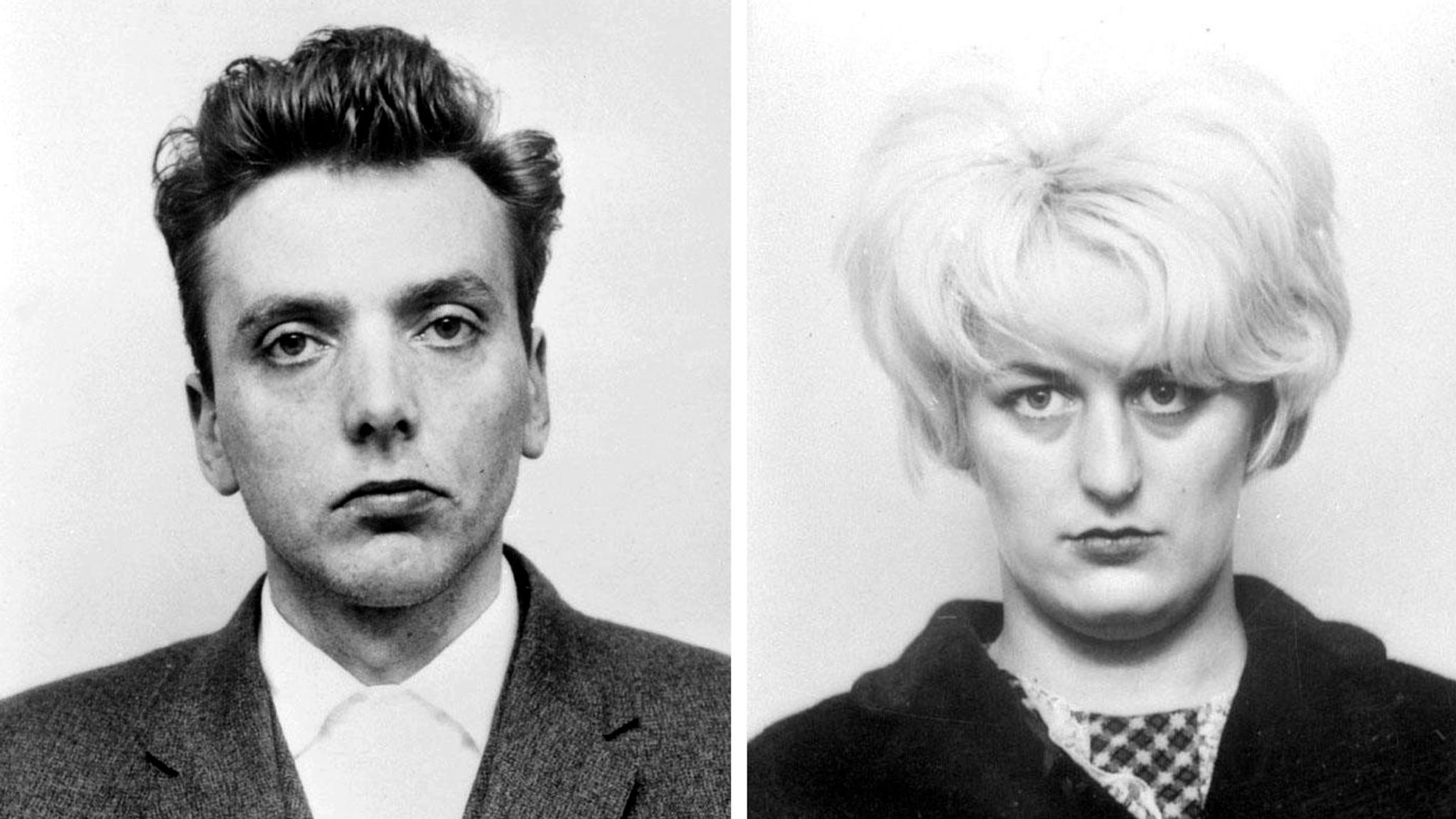
He recommended a minimum term of 30 years for one.
He recommended a minimum term of 25 years for the other.
The appeals came.
The appeals were dismissed.
The verdicts stood.
The two stories had been told, and only one had held.
AND THE STORY STILL ISN'T OVER
Both remained in prison for the rest of their lives.
One was diagnosed as a paranoid schizophrenic.
He was held at Ashworth Hospital from 1985 until his death on 15 May 2017.
The other died in prison on 15 November 2002, never having been released.
Two bodies have never been found.
Pauline Reade and Keith Bennett were buried somewhere on Saddleworth Moor, and repeated searches have not located them.
In 1987, both were taken back to the moor to assist in the search.
They walked the ground they knew.
No remains were located.
The moor keeps its own record.
The families of the two victims have no grave to visit, no marker, no place to stand.
They have a search that continues in memory.
The case remains one of the most notorious in British criminal history.
Not because the verdicts are in doubt.
But because the story has no finished shape.
Two children are still out there, in the earth, under the heather.
Whether any further searches are planned is not stated in the record.
The tape recording was played in a Manchester courtroom, and a jury heard a child plead.
That moment is documented.
What the child said in full, word for word, is not fully established in the record.
The photographs were shown.
The verdicts were delivered.
The appeals were dismissed.
And the story still isn't over.
Advertisement
You may also like

Two shotguns bought days before the Menendez parents were killed — what the brothers' psychologist heard next
Days before August 20, 1989, Lyle and Erik Menendez bought two 12-gauge shotguns. The same weapons were used to kill their parents, Jose and…

The Milwaukee apartment where a skull sat beside Polaroids of the dead
The handcuff was loose. That is what the man told the officers, anyway, when he flagged them down on the night of July 22,…
The $1 million extortion letter that named a killer — and the man who wrote it
Seven people in the Chicago area died in late September and early October 1982. They had taken Extra-Strength Tylenol capsules laced with potassium cyanide.…

The cult leader who sent his followers to a house on Cielo Drive — and the word left in blood
The door at 10050 Cielo Drive held a word written in blood. Five people were dead inside the Benedict Canyon house on the morning…
Hae Min Lee's brother still waits as her convicted killer walks free
He has waited twenty-five years. The wait did not end in September 2022, when Adnan Syed walked out of prison. Young Lee, Hae Min…
Why a Green Beret's pajama fibers under his wife's body could not be explained
The pajama fibers were found under Colette MacDonald's body. They matched the pajama top Jeffrey MacDonald was wearing that night. MacDonald said he had…