Hae Min Lee's brother still waits as her convicted killer walks free
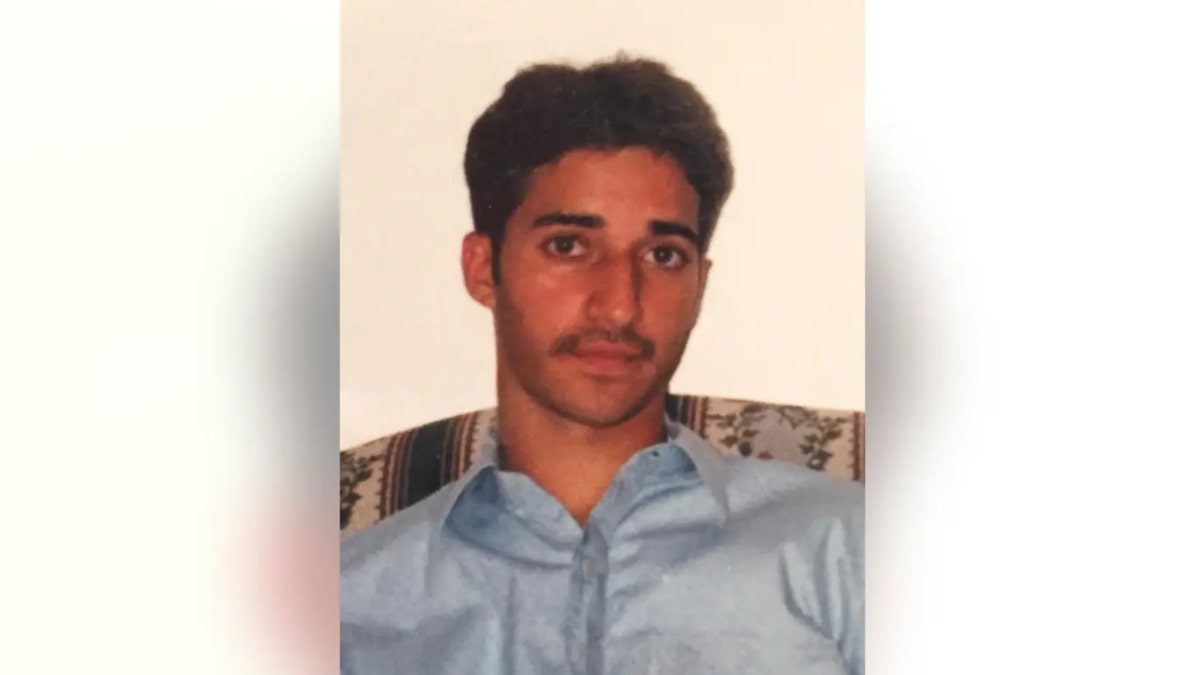
He has waited twenty-five years.
The wait did not end in September 2022, when Adnan Syed walked out of prison.
Young Lee, Hae Min Lee’s brother, has spoken publicly and at hearings about his anguish over the proceedings.
He has fought to have the conviction upheld.
He has argued that the process has not given the family closure.
What exactly he said in his most recent public statement is not in the record.
The case reached him from far away first.
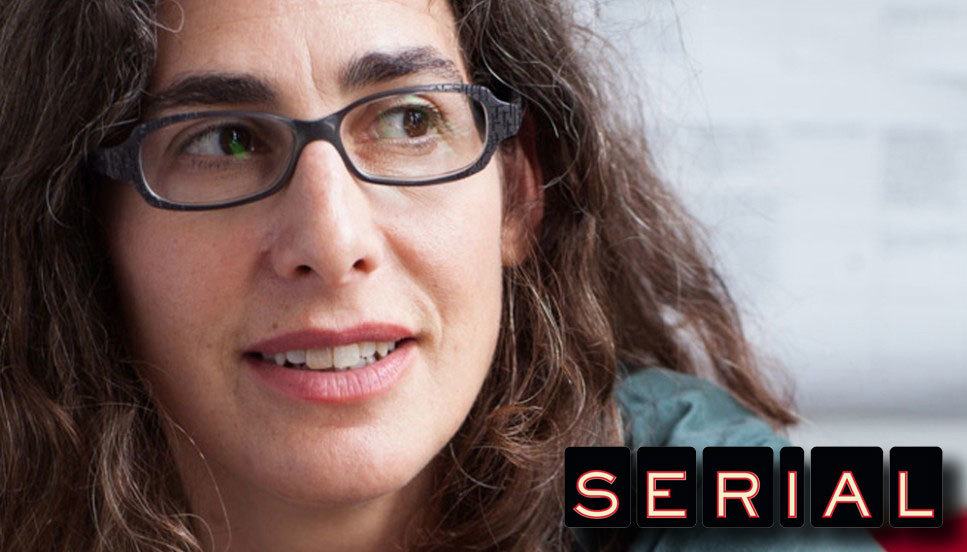
In 2014, the podcast *Serial*, hosted by Sarah Koenig, raised questions about the evidence and the conviction.
Millions listened.
Theories spread.
The record, though, is separate from the noise.
Young Lee sat through the trial in 2000.
He watched the jury find Syed guilty of first-degree murder.
He watched the sentence: life in prison plus 30 years.
He watched appeals come and go.
A new trial was granted in 2016, then reinstated in 2019.
Then, in 2022, a motion to vacate was granted, based on new evidence about cell phone data and a potential alternative suspect.
The state declined to retry.
Syed was released.
Not because he was exonerated.
But because the conviction was vacated.
The family’s wait continues.
It is a wait for an ending.
It is a wait for a resolution that has not come.
The case remains a subject of intense public debate.
For Young Lee, the debate is not abstract.
She was his sister.
She was on the ground below, in Leakin Park, buried in a shallow grave.
He is still waiting.
JANUARY 13, 1999
January 13, 1999, was a school day.
Hae Min Lee, an 18-year-old senior at Woodlawn High School in Baltimore County, Maryland, went to class that morning.
She was a popular student and an athlete.
She had recently broken up with her boyfriend, Adnan Syed.
She did not come home that day.
Her disappearance was sudden.
Her body was found on February 9, 1999, in Leakin Park in Baltimore.
She was buried in a shallow grave.
The medical examiner determined the cause of death was manual strangulation.
No weapon was reported.
The exact time of death could not be precisely determined by the medical examiner.

That is not established.
Syed, also 18 and a senior at the same school, was arrested on February 28, 1999.
He was charged with her murder.
The shock of a bright young life cut short.
The suddenness of the disappearance.
She was on the ground below, in Leakin Park, buried in a shallow grave.
Her family attended the trial.
They have spoken publicly over the years about their loss.
The wait for the family had only just begun.
THE TRIAL AND THE TESTIMONY
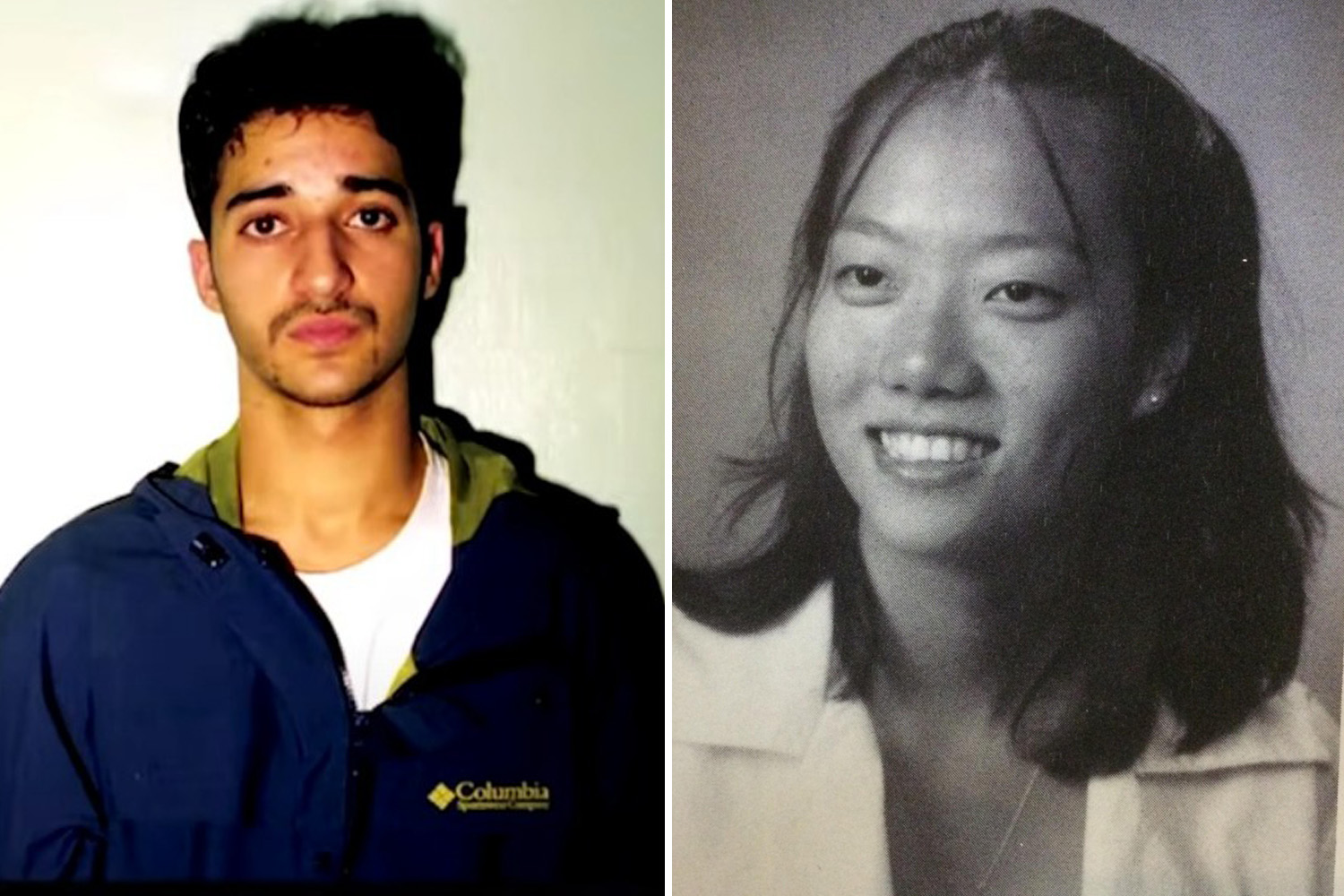
The trial began in Baltimore County Circuit Court in 2000.
The jury found Adnan Syed guilty of first-degree murder, kidnapping, robbery, and false imprisonment.
He was sentenced to life in prison plus 30 years.
Hae Min Lee's family attended every day.
The case rested heavily on one witness: Jay Wilds, a friend of Syed's.
Wilds testified that Syed showed him Hae's body and asked for help burying it.
He led police to the grave site in Leakin Park.
Cell phone records were presented to place Syed near the park at the time of the burial.
The defense argued the cell tower evidence was unreliable.
The defense argued Wilds's testimony was inconsistent.
The exact content of Wilds's testimony is not detailed in the record.
The specifics of the cell tower evidence are not detailed in the record either.
What is documented is the decision that would haunt the case for decades: the defense attorney did not call alibi witness Asia McClain.
McClain later said she saw Syed at the library at the time of the murder.
That decision became a major issue in later appeals.
The medical examiner testified that Hae died of strangulation.
The time of death could not be precisely determined.
The jury deliberated.
They came back with a conviction.
Her family heard the verdict.
They had hoped for justice.
They had hoped for an end.
The wait, it turned out, had only just begun.
THE APPEALS AND THE RELEASE
The conviction was upheld on direct appeal.
That was the first door to close.

Then, in 2016, a post-conviction court granted Syed a new trial.
The ruling: the defense attorney had provided ineffective counsel by failing to contact a potential alibi witness.
The state appealed.
In 2019, the Maryland Court of Special Appeals reinstated the conviction.
The Maryland Court of Appeals then agreed to review the case.
Another turn.
In 2022, a motion to vacate the conviction was granted.
The basis: new evidence regarding the reliability of the cell phone data.
And the failure to disclose a potential alternative suspect.
The identity of that suspect is not disclosed in the record.
The state declined to retry him.
Syed was released in September 2022.
In 2023, the Maryland Court of Appeals formally vacated his conviction.
For the family, each reversal was another door.
Another wait.
Another hope that the process would end.
It did not.
AND THE STORY STILL ISN'T OVER
He has maintained his innocence throughout.
Young Lee has stood in courtrooms and said the process is not working for his family.
He has argued that the conviction should stand, that the legal steps have only reopened the wound.
The family fought to have the verdict upheld, and they lost that fight step by step.
Not because the evidence was certain.
But because the process allowed the case to move again.
The podcast raised questions about the cell phone data and the testimony of a friend of Syed's.
Those questions became public debate, and the debate became part of the record.
What the record does not establish is any future legal step, any new hearing, any date.
That would require evidence.
Young Lee has said the family is left without answers.
He has said the anguish does not end with a release.
It is a case about a young woman who was strangled and buried in a shallow grave.
It is also a case about a family still waiting.
The brother spoke at hearings, and the words were reported.
He said the family has been hurt by the process itself.
The conviction was vacated, and the state declined to retry.
That is what the record shows.
What remains is the wait.
Another wait.
Another hope that the process would end.
It did not.
Advertisement
You may also like
The tarot card left near a DC Sniper victim that police could not explain
The tarot card was found near a crime scene, bearing the message "Dear Policeman, I am God." It was part of the documented evidence.…
The Cub Scout leader who sent a floppy disk that cracked a 31-year murder case
A floppy disk arrived at a Wichita television station in 2005. It was part of a series of communications from someone calling himself BTK…
Why a convicted killer's courtroom outburst sealed his fate in Polly Klaas case
The courtroom was quiet enough to hear the verdict read. Richard Allen Davis had been convicted of first-degree murder with special circumstances. Then came…
The blood spatter on MacDonald's pajama top that contradicted his story of fighting intruders
The pajama top was folded on the evidence table in Raleigh, North Carolina, in the summer of 1979. It belonged to Captain Jeffrey MacDonald,…
The parolee with a violent history who was freed months before Polly Klaas vanished
June 1993. Richard Allen Davis walked out of prison. He had a long record. Kidnapping. Assault. Violent abductions, according to the investigation summary. Just…
The inmate tip that sent two ex-cons to the Clutter farmhouse
Floyd Wells was in a Kansas prison cell when he told authorities what his former cellmate had said. Richard Hickock, he said, had spoken…