The 31-day gap between Caylee Anthony's last sighting and the 911 call that started it all
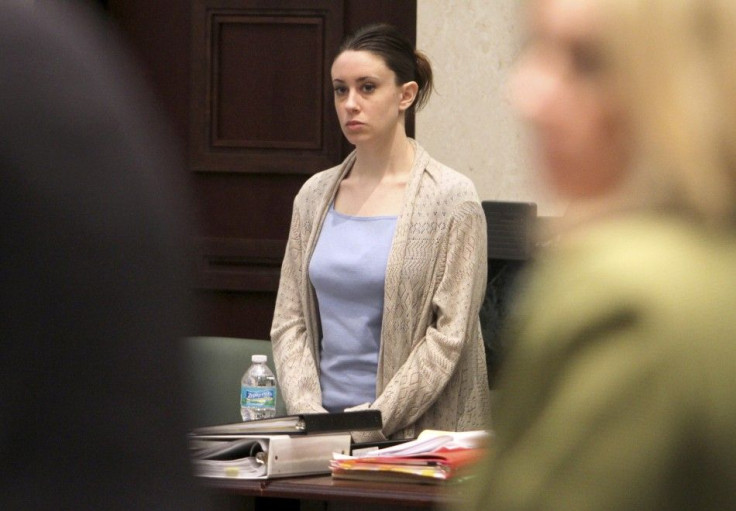
June 16, 2008, was the last day anyone saw Caylee Anthony alive.
She was two years old.
Her grandmother, Cindy Anthony, called 911 on July 15, 2008, to report the child missing.
That is 31 days between the last sighting and the call.
Thirty-one days of silence.
In that call, Cindy Anthony told the dispatcher that her daughter, Casey, had been untruthful about the child's whereabouts.
Casey Anthony's story was that a babysitter named Zenaida Fernandez-Gonzalez had taken the child.
Detective Yuri Melich of the Orange County Sheriff's Office led the investigation into that claim.
Investigators determined that Zenaida Fernandez-Gonzalez did not exist.
The babysitter was a fabrication.
No such person was ever found.
What happened inside that 31-day gap is not established by the record.
What did Casey do during those weeks?
What did she tell her family?
What did she tell her friends?
That would require evidence, and the record does not supply it.
The gap itself is the fact: a two-year-old girl, unseen for a month, unreported for a month.
The call came only after Cindy Anthony pressed her daughter for the truth.
Caylee was last seen on June 16, 2008.
She was reported missing on July 15, 2008.

Between those dates, the child's mother told people the child was with a babysitter who did not exist.
The month passed.
THE 911 CALL AND THE FABRICATED BABYSITTER
On July 15, 2008, Cindy Anthony called 911 to report her granddaughter missing.
She told the dispatcher that her daughter, Casey, had been untruthful about the child's whereabouts.
The lead detective, Yuri Melich of the Orange County Sheriff's Office, took the case.
Detectives asked Casey where Caylee was.
Casey said the child was with a babysitter named Zenaida Fernandez-Gonzalez.
No such person existed.
Detectives found no record of a Zenaida Fernandez-Gonzalez.
No apartment, no phone number, no employment history.
The babysitter was fabricated.
The exact nature of Casey's untruthfulness beyond that fabricated babysitter is not detailed in the record.
What is established is the shift.
A missing-child report became a criminal investigation.
On October 14, 2008, Casey Anthony was charged with first-degree murder.
She was also charged with aggravated child abuse.
She was charged with aggravated manslaughter.
The charges came three months after Caylee was last seen.
They came three months before the child's remains were found.
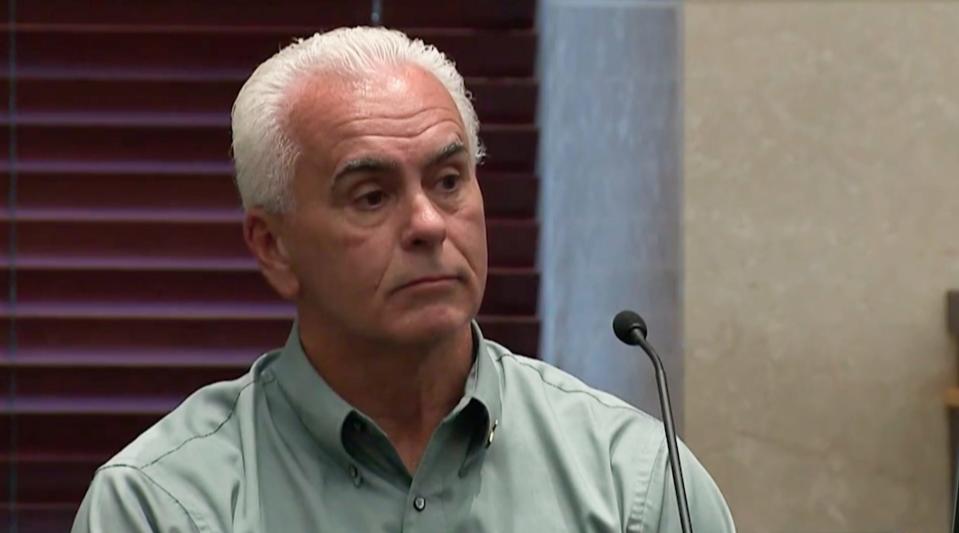
The detective's report documented the gap.
The 31 days between June 16 and July 15.
The month when the child's mother told people the child was with a babysitter who did not exist.
It is a timeline with a hole in it.
That hole is the case.
THE EVIDENCE AND THE TWO STORIES
The car smelled first.
That was what the tow-yard worker testified to, the odor coming from the trunk before anything was opened.
Forensic analysis later detected chloroform in that same trunk, the prosecution told the jury.
The prosecution also put the family computer before the jury.
Searches for "chloroform" and "how to make chloroform" were logged on that machine, the prosecution said.
The defense argued others could have made those searches.
Anyone in the house, the defense said, anyone with access to the keyboard.
The defense had its own story to tell.
Caylee had accidentally drowned in the family pool, the defense argued, and the Anthony family had covered it up out of panic and dysfunction.
The prosecution rejected the drowning theory outright.
They called it a fabrication, a story built to fit the evidence rather than explain it.
The defense attacked the science itself.
The chloroform findings were unreliable, they argued.
The odor analysis was subjective, they said, a matter of one person's nose, not proof.

The medical examiner testified about the remains.
The cause of death, she said, could not be determined.
That remains the record: no cause of death was ever established.
Duct tape was found near the skull.
The prosecution suggested it meant suffocation.
The defense said its role was disputed, that the tape proved nothing about how the child died.
Two narratives, same facts.
One story says the mother planned it.
The other says the family buried an accident.
What the record establishes is narrower: a car, a smell, a search history, a bag of bones.
What it does not establish is how a two-year-old died.
That question was never answered.
Not by the science.
Not by the stories.
Not by the jury.
THE TRIAL AND THE VERDICT
The trial began in May 2011.
It lasted six weeks.
The prosecution argued that Casey Anthony had murdered her daughter to free herself from parental responsibilities.
The defense argued that Caylee had accidentally drowned.
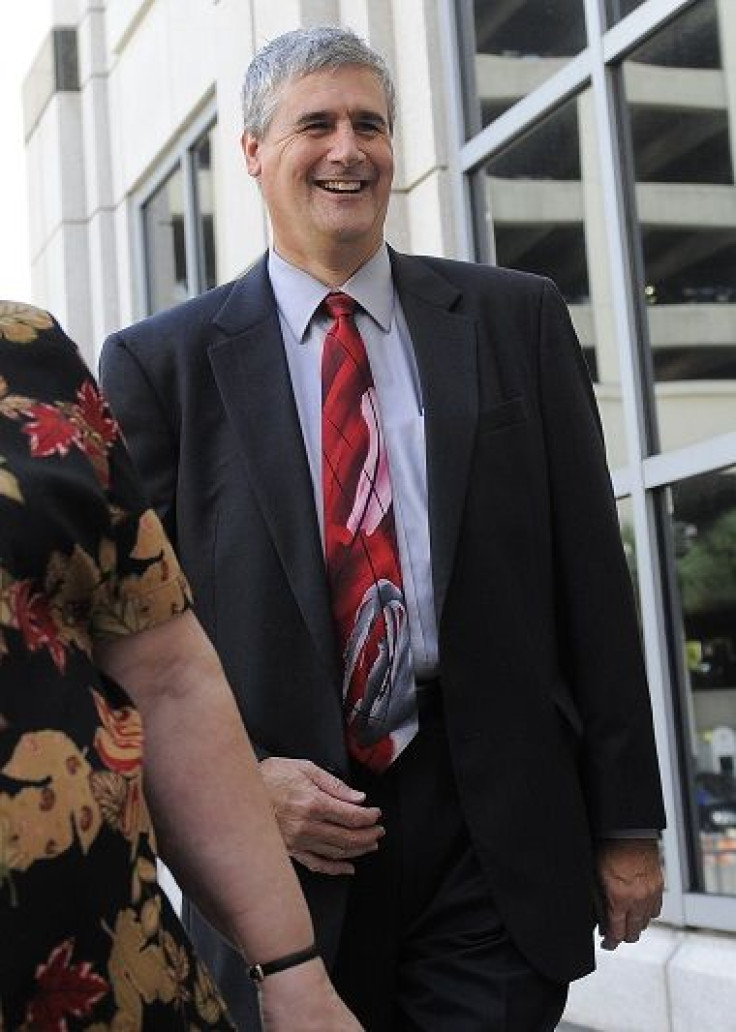
She had panicked, the defense said, and disposed of the body because of a dysfunctional family background.
The medical examiner testified that the cause of death could not be determined from the remains.
Duct tape had been found near the skull, prosecutors said, but its role was disputed.
On July 5, 2011, the jury found Casey Anthony not guilty of first-degree murder.
She was also acquitted of aggravated manslaughter and aggravated child abuse.
She was found guilty of four misdemeanor counts of providing false information to law enforcement.
The judge sentenced her to four years in jail, with credit for time served.
She was released on July 17, 2011.
The jury's specific reasoning is not in the record.
The judge's name is not in the record either.
What remains is the verdict itself.
Not the science.
Not the stories.
Not the jury.
Just the outcome, and the question of what the evidence established.
AND THE STORY STILL ISN'T OVER
She was released on July 17, 2011.
Not because the story closed. Because the jury had answered only what it was asked.
Casey Anthony has since lived a private life, with occasional public appearances and legal proceedings related to bankruptcy and defamation lawsuits.
The case has not been reopened.
/jose-baez-1-c5cc5e9bf1ef40618009a54f4c07593e.jpg)
Cindy and George Anthony have remained in Florida.
The acquittal did not settle the public question of what happened in those 31 days.
It did not settle the question of the babysitter who did not exist.
It did not settle the question of the chloroform, or the duct tape, or the odor in the trunk.
The medical examiner could not determine a cause of death due to the condition of the remains.
That remains in the record.
The defense argued accidental drowning and a family cover-up.
The prosecution rejected that theory.
The jury heard both, and returned verdicts that left the cause of death formally undetermined.
True-crime media still returns to the case.
Documentaries revisit the testimony of the grandmother who made the 911 call.
Podcasts re-examine the lead detective's notes.
Commentators replay the moment the verdict was read.
None of that reopens the investigation.
No future legal steps are in the record.
No pending motions are in the record.
The case sits where the jury left it: Casey Anthony convicted of four counts of providing false information to law enforcement, acquitted of murder and child abuse.
She served her sentence with credit for time served.
She walked out in July 2011.
Caylee Anthony's remains were found in a wooded area near the family home.
A cause of death was never established.
That is what the record holds.
Everything else is the story people tell.
Advertisement
You may also like

The truck painter who led detectives to 49 Green River victims — and the DNA that closed in on him
He painted trucks for a living. Gary Leon Ridgway lived in Auburn, Washington, a suburb south of Seattle. He was married multiple times. He…
The 1939 tip that put a suspect behind bars — but the murder charge never came
1939. A tip. A tip put a former bartender and carnival worker behind bars in Cleveland, Ohio. He was the most prominent suspect in…
The Zodiac cipher that cracked open a killer's boast — but not his name
In August 1969, a cipher arrived at the offices of the *San Francisco Chronicle*. It was not the first taunting letter, and it would…
The smiley-face letter that made a sister call police on her own brother
The letter arrived at the Oregonian with a claim of responsibility for a murder and a mocking of police. It was signed with a…
The 2005 massage-table complaint that opened Epstein's case, and the detective who kept digging
A mother called Palm Beach police in 2005. She said her 14-year-old stepdaughter had been recruited by an older girl to give a man…
The 13-day trial that hinged on a dress burned in a stove — and a timeline no one could explain
The dress was burned in a stove on the third day after the bodies were found at 92 Second Street. The prosecution called it…