The ransom note left in the crib of Charles Lindbergh Jr. — and the $50,000 that sealed his fate
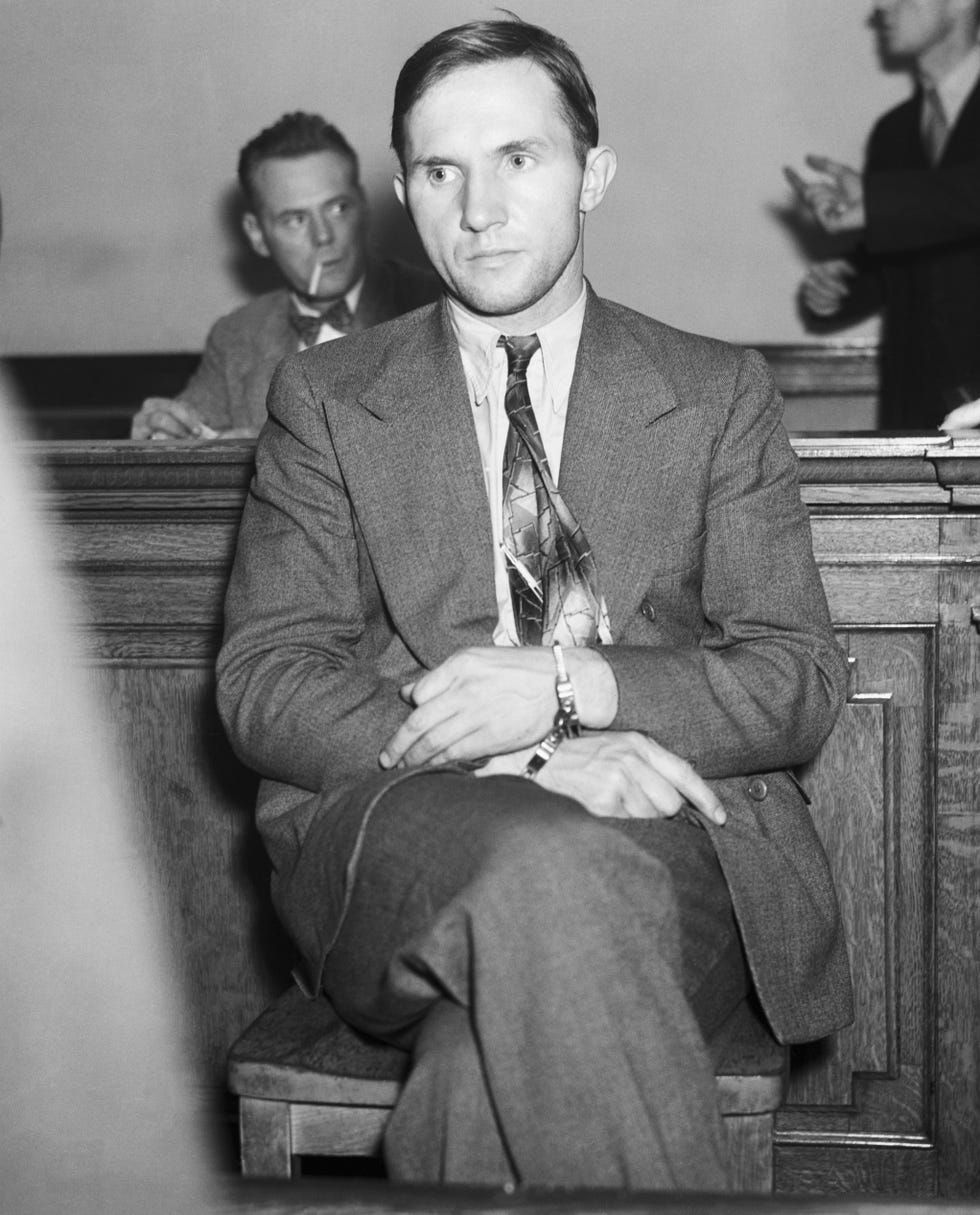
The nursery was on the second floor, and the window was open.
In the crib, where the baby should have been, there was a note.
It was handwritten, demanding $50,000.
The child was Charles Lindbergh Jr., 20 months old, son of the aviator Charles Lindbergh and the author Anne Morrow Lindbergh.
The date was the evening of March 1, 1932, at the family home near Hopewell, New Jersey.
The note was left where a baby should have been.
A homemade wooden ladder leaned against the house beneath the nursery window.
Footprints and mud were found in the soil below.
Who wrote those words?
What did they think $50,000 would buy?
What did they think the note would do?
The identity of the person who wrote the note is not established by the record at this point in the story.
The Lindberghs were among the most famous couples in America.
The aviator had crossed the Atlantic alone.
The author had written about the sky.
Their son was taken from his crib, and the world was watching.
The kidnapping drew unprecedented media attention.
Reporters gathered at the gates.
The nursery was not secured immediately, and many people passed through the room before it was examined.
The note remained the first fact.
It was a demand.
It was also a signature of sorts, a claim of control.
The child was gone.
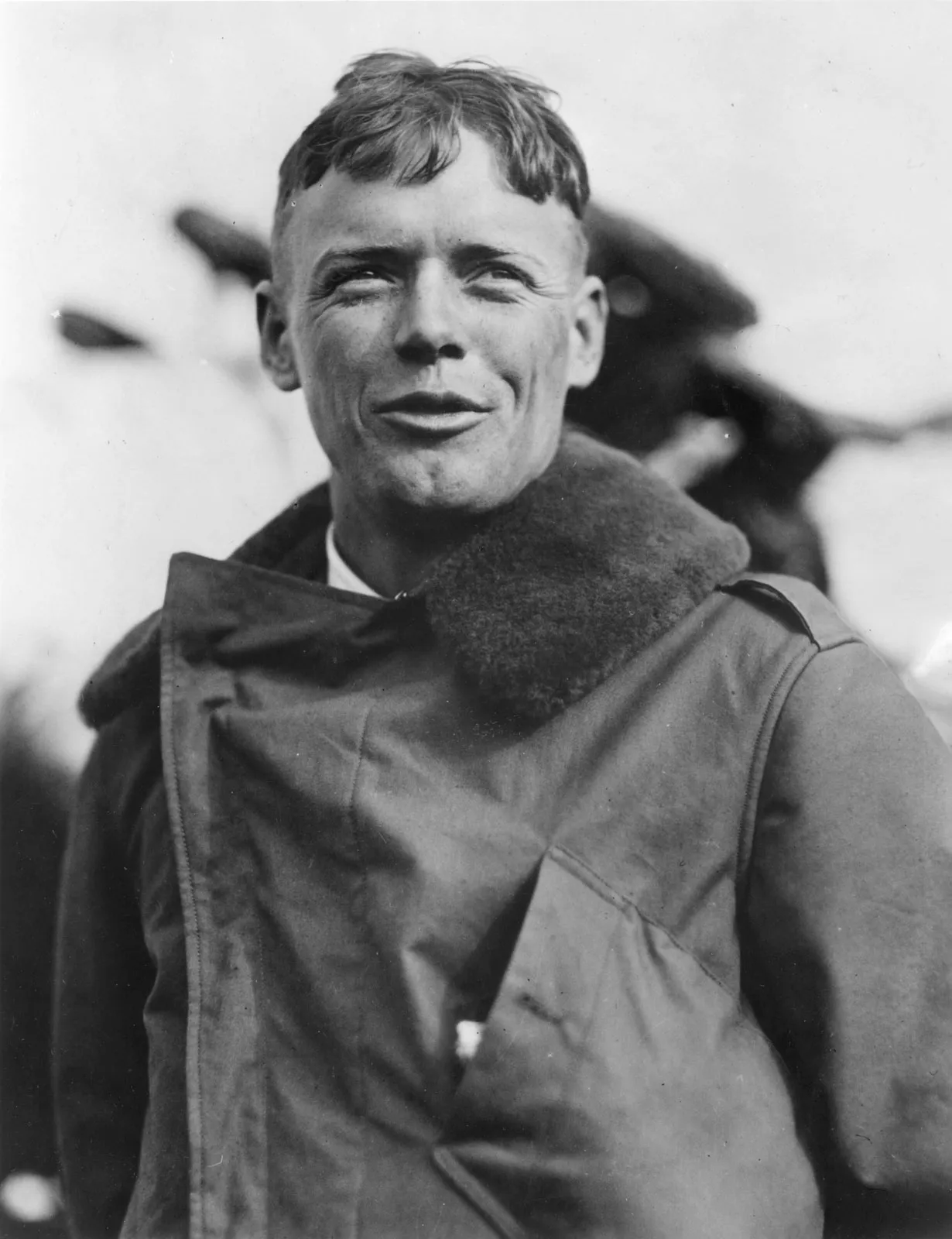
The words were all that was left in the crib.
THE RANSOM AND THE WAIT
The ransom was paid on April 2, 1932.
Dr. John F. Condon, a retired schoolteacher, had volunteered to act as intermediary.
He delivered the money to a man in a Bronx cemetery.
The man took the cash.
The child was not returned.
Days passed.
The Lindberghs waited.
The world waited with them, the story on every front page.
Condon kept negotiating, kept hoping.
The money was gone.
The child was still gone.
On May 12, 1932, the body of the infant was found.
It was partially buried in woods about four and a half miles from the Lindbergh home.
The cause of death was determined to be a blow to the head.
The weapon used in that blow was not definitively identified.
No specific weapon was ever established.
That remains unproven.
The cruel arc was complete.
Hope had been a transaction.
The money was paid.
The child was dead.

What was left was a crime scene in the woods, not a reunion.
The search for the man in the cemetery would take years.
It would take a gas station attendant, a license plate, and a garage full of bills.
But that was still to come.
For now, there was only the hollow fact of May 12.
A father who had flown the Atlantic could not bring his son home.
The crib was empty.
The woods were not.
THE ARREST AND THE EVIDENCE
The breakthrough came in September 1934, when a $10 gold certificate from the ransom money was traced to a gas station.
The attendant had written down the license plate number of the car.
That number led police to Bruno Richard Hauptmann, a German-born carpenter, arrested at his home in the Bronx.
It was a Friday.
Colonel H. Norman Schwarzkopf of the New Jersey State Police had led the investigation for two and a half years.
A search of Hauptmann's garage turned up over $14,000 of the ransom money.
It was found behind a board in the garage. It was counted. It was identified.
The money was the first link, and it was the heaviest.
Forensic evidence followed.
Wood from the ladder matched wood in Hauptmann's attic.
Handwriting analysis linked Hauptmann to the ransom notes.
The ladder had been homemade. The notes had been handwritten. The match was presented as proof.
It was a case built on things, not on confession.
Hauptmann said he was innocent. He said the money belonged to a friend. He said he had been given it for safekeeping.
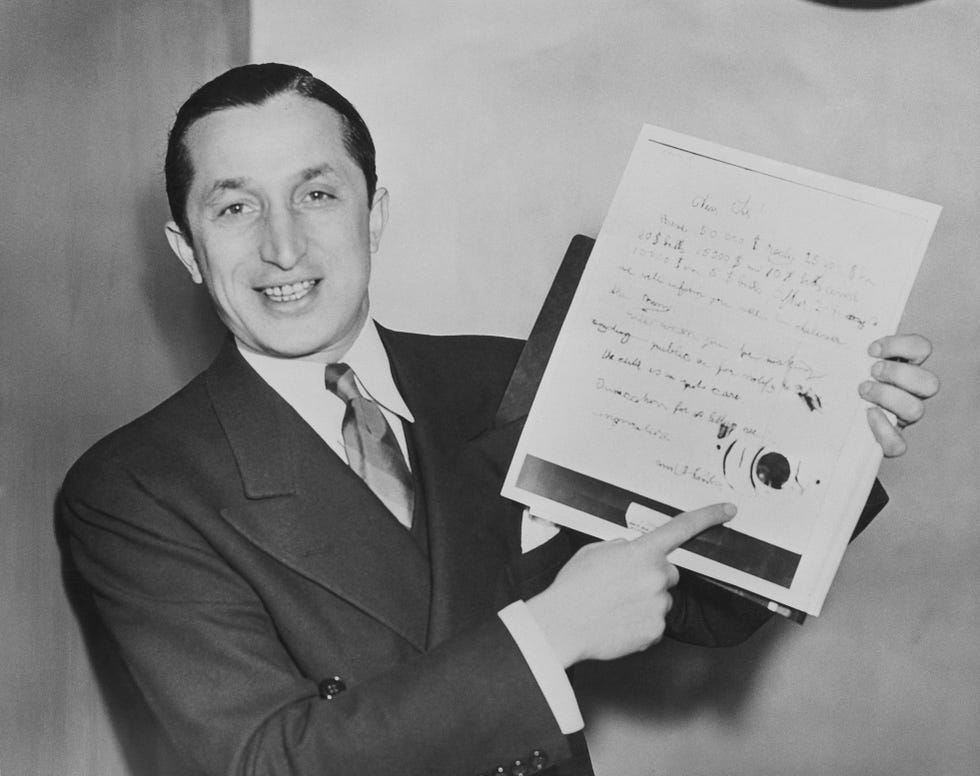
The record does not establish that Hauptmann was the man in the cemetery.
That identification came later, at trial, and it came from a father's memory.
But in September 1934, the relief was real.
The police had a name. They had an address. They had the money.
The crib had been empty since March. The ransom had been paid in April. The body had been found in May.
Now, in September, they had a man.
The case against him was circumstantial. It was also mounting.
A gas station attendant's pencil note had done what months of searching could not.
It had given the investigation a direction.
The woods were quiet. The garage was not empty.
THE TRIAL AND THE VOICE
The trial of Bruno Richard Hauptmann began on January 2, 1935, in Flemington, New Jersey.
The prosecution was led by New Jersey Attorney General David T. Wilentz.
Hauptmann was defended by Edward J. Reilly.
Charles Lindbergh took the stand.
He testified that he recognized Hauptmann's voice as the man who called out "Hey, Doctor" during the ransom drop in the Bronx cemetery.
That was Lindbergh's testimony.
The record does not establish that the voice he heard was definitively Hauptmann's.
It establishes what Lindbergh said he heard.
The prosecution presented its case in pieces.
The ransom money found in Hauptmann's possession.
The wood analysis linking the ladder to his attic.
The handwriting testimony tying him to the notes.

Piece by piece, the circumstantial case was laid out.
The defence argued against each link.
The jury heard the voice of the father.
They heard the evidence of the money and the wood and the ink.
What they did not hear was a confession.
Hauptmann maintained his innocence.
On February 13, 1935, the jury found him guilty of first-degree murder.
He was sentenced to death.
The verdict was a conviction.
It was not a certainty.
The voice was one man's memory, offered in a crowded courtroom.
The money was found, the wood was matched, the notes were compared.
The father pointed at the defendant.
The jury believed him.
That is what the record shows.
That is where the certainty ends.
AND THE STORY STILL ISN'T OVER
Hauptmann was executed in the electric chair at the New Jersey State Prison on April 3, 1936.
He maintained his innocence to the end.
The record shows the conviction.
The record shows the execution.
The record does not establish Hauptmann's guilt beyond all doubt; it establishes his conviction and execution.
That is the line between what is viral and what is documented.
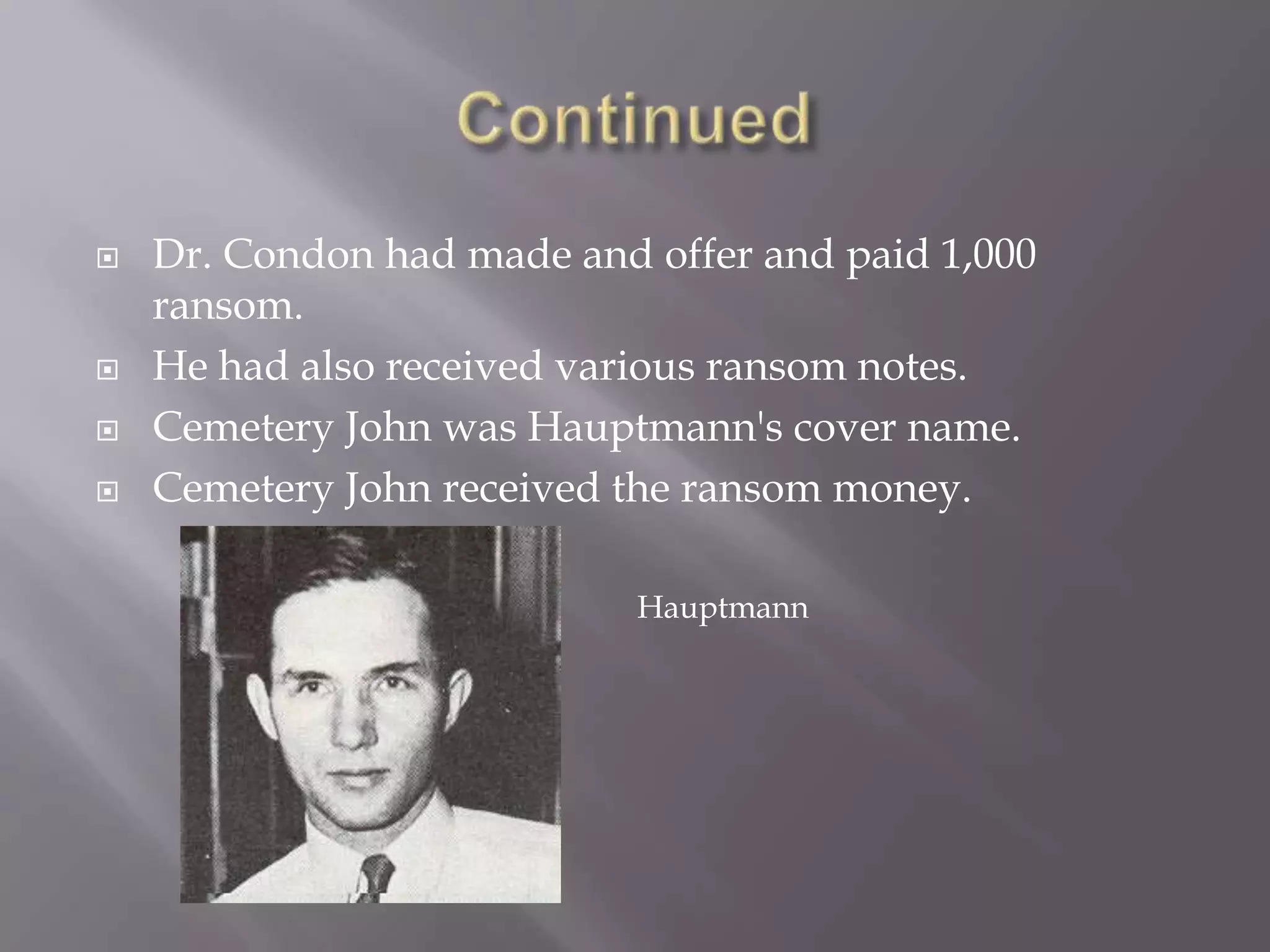
The case remains one of the most controversial in American criminal history.
Some researchers have argued that the evidence against him was flawed.
Others maintain that the case against him was sound.
The ransom money was traced.
The wood was matched.
The voice was identified.
The jury believed him.
That is where the certainty ends.
The Lindbergh kidnapping led to the passage of the Federal Kidnapping Act of 1932.
It made kidnapping a federal offense when the victim is taken across state lines.
The Lindbergh home in Hopewell, New Jersey, was later donated to the state.
It became a historic site.
The nursery is still there.
The crib is still there.
The case continues to be studied and debated by historians and true-crime researchers.
It is a story of a family.
It is a story of a nation.
It is a story that will not close.
Not because the evidence is settled.
But because the doubt remains.
What if the wrong man was executed?
What if the right man was executed?
What if the truth lies somewhere between?
That would require evidence.
The record does not provide it.
Advertisement
You may also like
The love letters that vanished from police custody after the 1922 double killing
The crabapple tree stood in a lane called Lovers' Lane, in Phillipsburg, New Jersey, near New Brunswick. On the evening of September 14, 1922,…
The clip-on tie that held no answers after the skyjacker vanished — FBI's 45-year puzzle
The clip-on tie sits in an FBI evidence file, a strip of fabric no wider than a man's hand. It was recovered from the…
The 8:44 p.m. video on Paul Murdaugh's phone that cracked Alex's alibi
He called at 10:07 p.m. On June 7, 2021, Alex Murdaugh told emergency dispatchers in Colleton County, South Carolina, that he had found the…
The parole agent who spotted a face in a sketch — and what it took to bring Polly home
A parole agent looked at a composite sketch and saw a face he knew. The date was December 4, 1993. The face belonged to…
The unpaid $33.5 million judgment the Goldman family still pursues after Simpson's death
A jury in a 1997 civil trial found O.J. Simpson liable for the wrongful deaths of Nicole Brown Simpson and Ronald Goldman. The award…
The .35-caliber Marlin rifle found in a marsh that pointed to a calm 23-year-old
The marsh gave it back on a day the record does not name. A .35-caliber Marlin rifle, rusted and discarded, was found in the…