The river stakeout that heard a splash — and what police did next
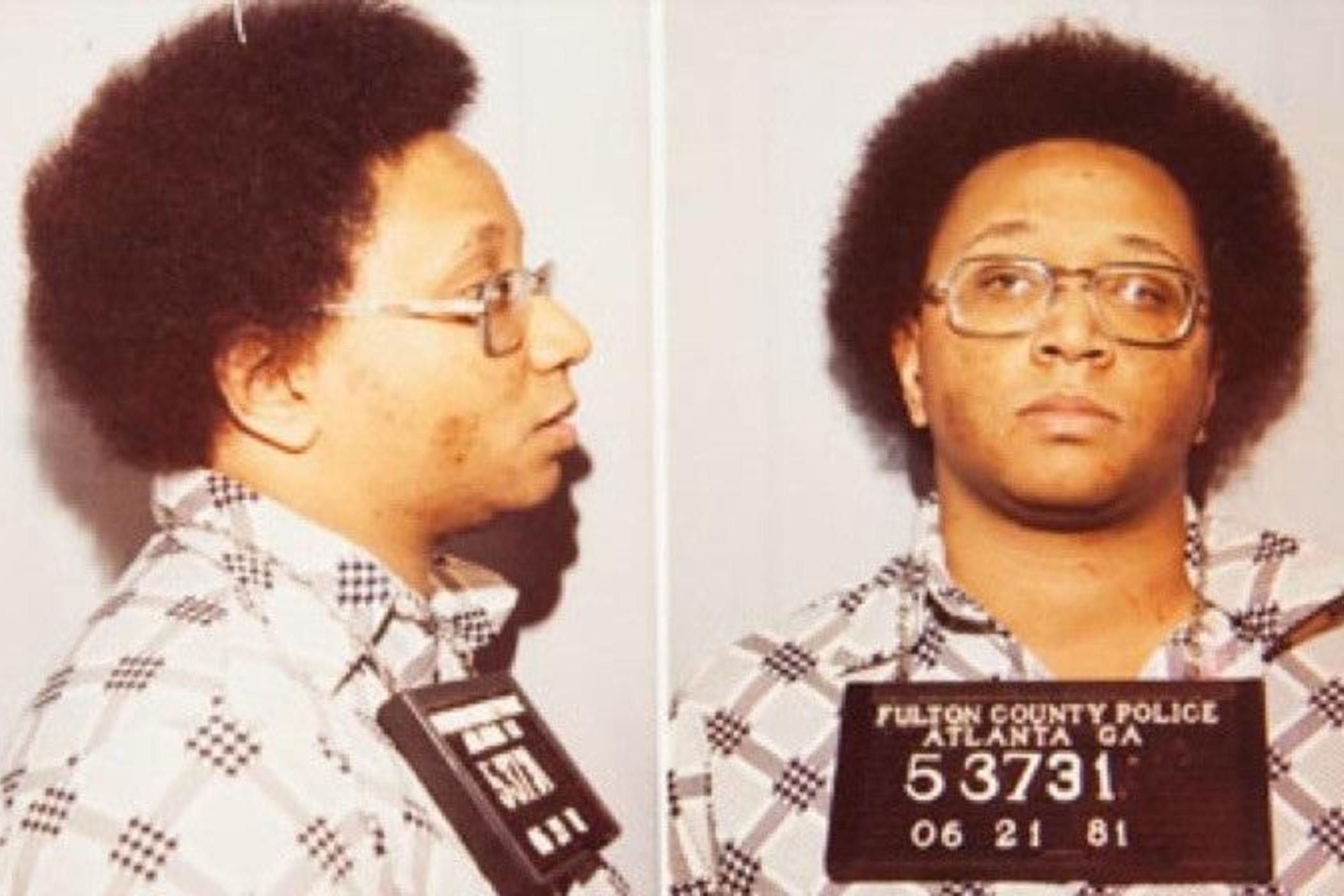
The officer was watching the Chattahoochee River on May 22, 1981, part of a surveillance team.
He heard a splash.
He saw a car drive onto the bridge and stop.
The car was driven by Wayne Williams, a 23-year-old freelance photographer and music promoter.
Shortly afterward, the body of a 27-year-old man was found downstream.
This moment is often cited as the turning point of the Atlanta Child Murders investigation.
What exactly the officer saw and heard is not fully documented in the record.
The exact sequence of events on the bridge is not established.
Not because the officer was silent.
But because the case file does not fully record it.
A splash.
A car stopping.
A body downstream.
Were these three things connected?
That would require evidence.
The record offers the splash, the car, the stop, the body.
It does not offer a complete sequence.
The weight of that single splash set something in motion.
What it set in motion is the rest of this story.
THE ERRAND
The first bodies were found in the summer of 1979.
Between July 1979 and May 1981, at least 28 Black children, adolescents, and young adults disappeared or were found murdered in and around Atlanta, according to the case file.
The victims ranged in age from 7 to 27.
Most were teenagers.
Their bodies were discovered in wooded areas, rivers, and vacant lots across the city.
Police initially treated many of the disappearances as runaways.
The cases were not consolidated into a single task force until 1980.
That delay came after public pressure from victims' families and the media, the investigation record shows.
Families formed a support group and pushed authorities to take the cases seriously.
The FBI was brought in to assist.
The investigation became one of the largest in U.S. history at the time, involving local police, the Georgia Bureau of Investigation, and the FBI.
The exact number of victims is not definitively established.
The record says "at least 28," but the full scope of the killings remains an open question.
It is a number that grew as the months passed.
It is a number that families recited at vigils and press conferences.
It is a number that police struggled to explain.
Why did it take so long to connect the cases?
Why were so many disappearances filed as runaways?
Why did the city wait until a crisis was undeniable?
The investigation record does not answer those questions directly.
It records the early missteps.
It records the criticism directed at the Atlanta Police Department.
It records that other leads were not fully pursued once the focus narrowed.
The task force, when it finally formed, was a response to pressure.
Not to a single discovery.
Not to a single confession.
But to the accumulated grief of a community that had lost too many children.
The river stakeout on May 22, 1981, would change the direction of that investigation.
That came later.
For now, the city was still counting its dead.
THE FIBERS
After the river stakeout, Wayne Williams was questioned.
He was arrested later, according to the investigation record.
The prosecution’s case did not rest on an eyewitness.
It rested on fibers.
Carpet fibers and dog hairs found on victims matched fibers and hairs from Williams’s home and car, prosecutors said at trial.
FBI analyst Harold Deadman testified about the fiber comparisons.
He linked Williams to multiple victims, according to his trial testimony.
The defense answered with a single word: circumstantial.
They argued the fiber evidence was circumstantial.
They argued Williams was a scapegoat, according to the trial argument.
The exact number of victims linked to Williams by fiber evidence is not specified in the source.
That number is not established.
What is established is a mistake.
The investigation failed to preserve and properly document some crime scenes.
That failure weakened the evidentiary chain, the investigation record shows.
It is a strong case built on thin threads.
It is also a case where the threads were never fully secured.
Was the fiber match enough?
Was it too much weight for one analyst?
Was the river stakeout the pivot or the pressure point?
That would require evidence.
The jury heard the fibers.
The defense heard a scapegoat.
The record holds both.
THE VERDICT
The trial opened in January 1982 in Fulton County Superior Court.
Wayne Williams was charged with two counts of murder.
The prosecution, led by the assistant district attorney, built its case on carpet fibers and dog hairs.
FBI analyst Harold Deadman testified about the fiber comparisons, linking Williams to multiple victims.
The defense, led by Williams's attorneys, argued the evidence was circumstantial.
They argued Williams was innocent, a scapegoat for a city desperate for an arrest.
The jury heard about a car on the bridge.
They heard about a splash in the river.
They heard about fibers that matched a home and a car.
On February 27, 1982, the jury found Williams guilty of both murders.
The judge imposed two consecutive life terms.
Williams has maintained his innocence since that day.
He has filed multiple appeals.
All have been denied.
He remains in prison.
The verdict was final.
It was also narrow.
The two murders were proven to a jury.
The other killings were not part of the trial.
Williams was never charged with them.
His responsibility for those deaths was never proven in court.
The record does not establish that.
The families of the other victims were left with the same questions.
The investigation's mistakes — the lost crime scenes, the narrowed leads — did not go to the jury.
They remain in the record.
The verdict closed a case.
It did not close the questions.
AND THE STORY STILL ISN'T OVER
Wayne Williams is serving two consecutive life sentences at a Georgia state prison.
He has repeatedly sought new trials and DNA testing.
Courts have denied his requests.
In 2019, Atlanta Mayor Keisha Lance Bottoms announced the city would re-test DNA evidence from the cases.
No new charges have been filed.
The outcome of that re-testing is not in the record.
The families of the other victims have continued to seek answers.
The case remains a subject of public debate.
The official position remains that Williams was responsible for many of the killings.
That has never been proven in court.
He was convicted of two murders.
He was never charged with the others.
The river stakeout heard a splash.
The splash led to an arrest.
It did not lead to a full accounting.
What closed was a trial.
What remains open is the list of names without verdicts.
The defense argued the fiber evidence was circumstantial.
The prosecution called it a link.
The record shows a conviction.
The record does not show a resolution for every family.
The 2019 announcement promised re-testing.
The promise produced no charges.
That would require evidence.
That would require a court to hear it.
A mayor's announcement is not a finding.
A denial is not an answer.
The story is not closed.
It is parked.
It is waiting on tests that have not been reported, on appeals that have been refused, on questions that have not been answered.
One plain fact holds: Williams remains in prison.
Another holds: the other cases remain uncharged.
The families keep asking.
The record keeps the question open.
Advertisement
You may also like
The bloodstained boots that cracked a four-murder case — but only after a tip from a cellmate
A pair of bloodstained boots. They belonged to Richard Hickock, and they were found in the men’s possession. Alongside them was a radio stolen…
The Tylenol bottle that doctors first called a stroke — before cyanide changed everything
The first victim was 12 years old, taking Extra-Strength Tylenol for a cold in Elk Grove Village. The date was September 29, 1982. The…
The cotton gin fan tied to Emmett Till's neck — and the sheriff who said the body wasn't his
The river gave it back on August 31, 1955. A cotton gin fan was tied to the neck with barbed wire. The body was…
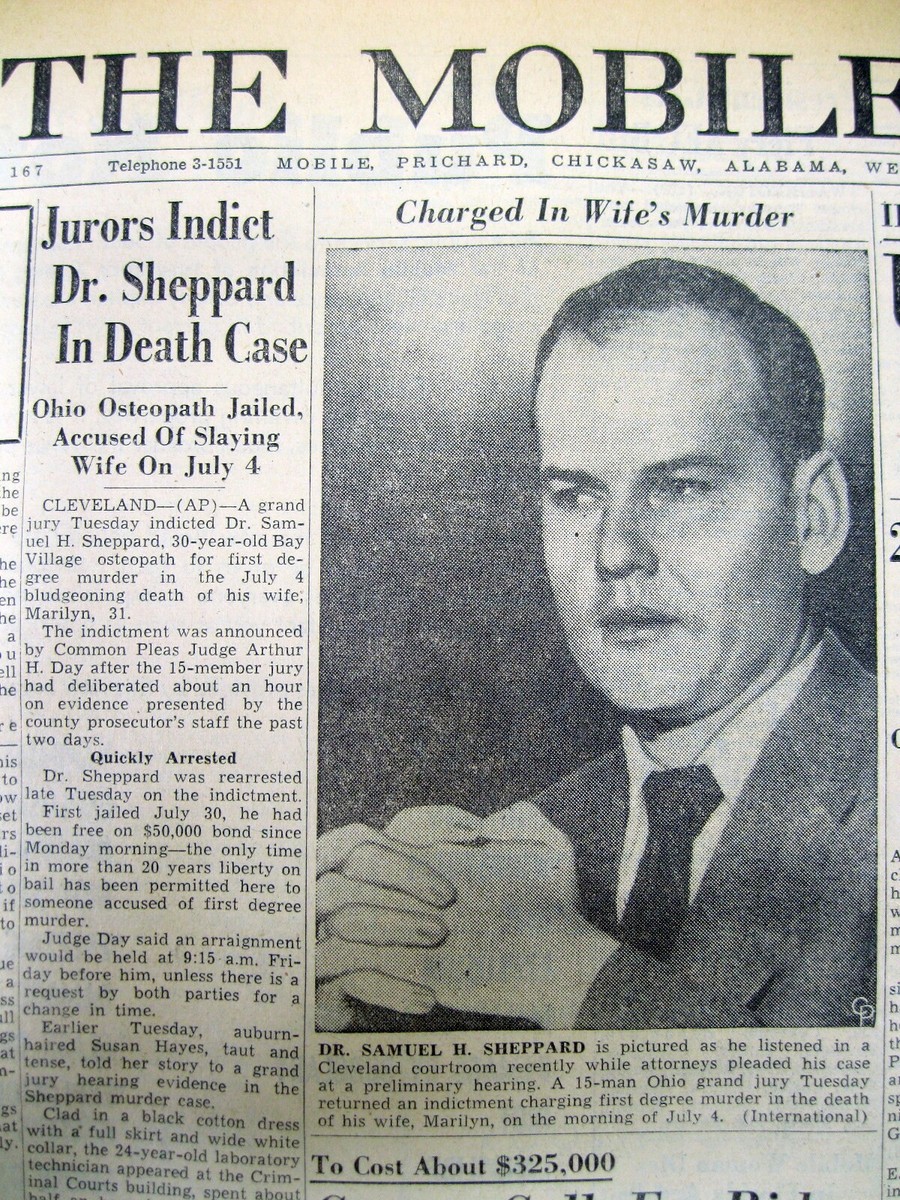
The bloody watch in the yard that didn't fit the intruder story
The watch was in the grass of the Sheppard yard, its face crusted with blood. It belonged to Sam Sheppard, the husband of the…
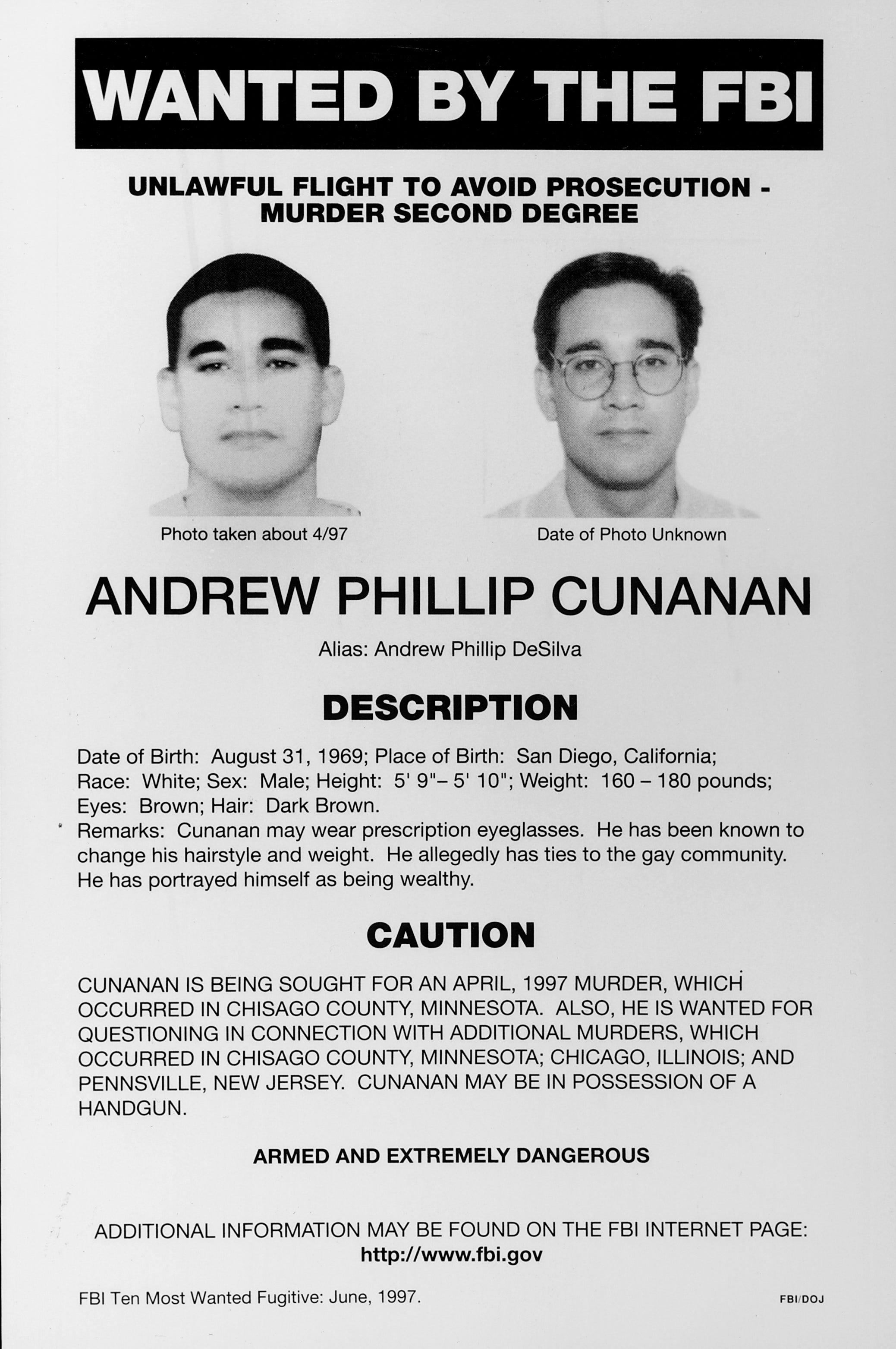
The wanted poster at a Miami hotel that no one looked at for a month
The wanted poster sat at the front desk of the Normandy Plaza hotel in Miami Beach for over a month. It showed Andrew Cunanan,…
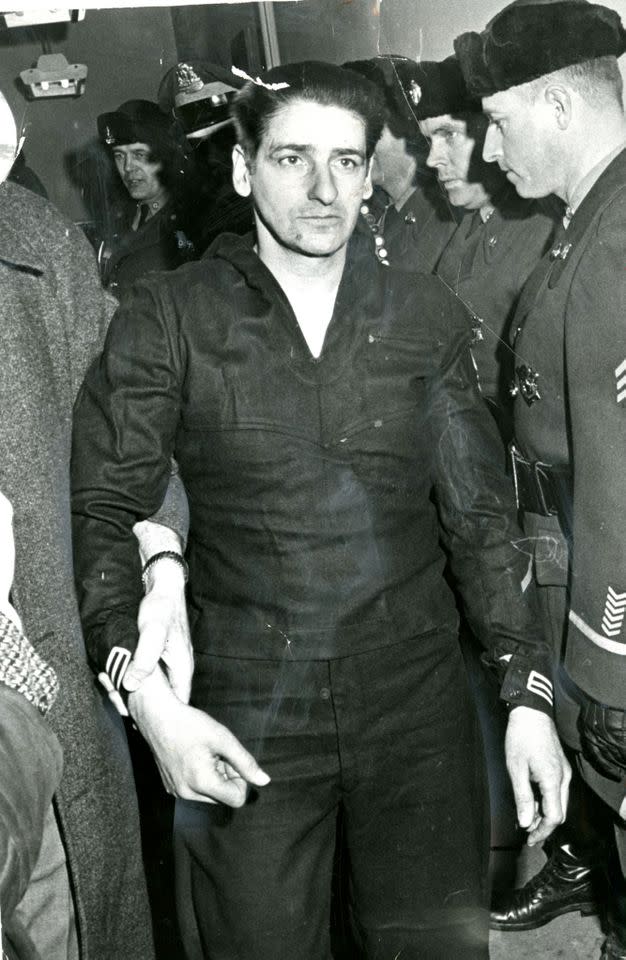
The confession that never reached a courtroom — and the DNA match that came 49 years too late
In 1965, Albert DeSalvo was already in custody for other crimes when he confessed to being the Boston Strangler. His attorney, F. Lee Bailey,…