The shell casings that broke a Florida double murder case wide open
The 911 call came from inside the Leonard home.
Deputies arrived on September 14, 2004, in Windermere, Florida, to find two adults dead and a 13-year-old girl injured.
The call itself is a gap in the record.
Who placed it is not established by any document or testimony in the case file.
What deputies found was precise: shell casings on the floor, wounds that told a specific story.
Terry Leonard had been shot.
Michelle Leonard had been shot and stabbed.
The girl had been shot as well, but she was alive.
The pattern of the wounds and the placement of the casings did not suggest a stranger's frenzy.
They suggested someone who knew the house, knew the family, knew where to stand.
The initial theory was a home invasion.
That theory has lived on, circulating online as a possibility.
But the record shows no signs of forced entry.
No broken lock.
No shattered door.
No sign that anyone had to fight their way in.
The shooter was known to the family, the evidence at the scene indicated.
The casings were not anonymous.
They were pieces of a puzzle that would only click into place later, when a handgun was found near the body of a man staying in the guest house.
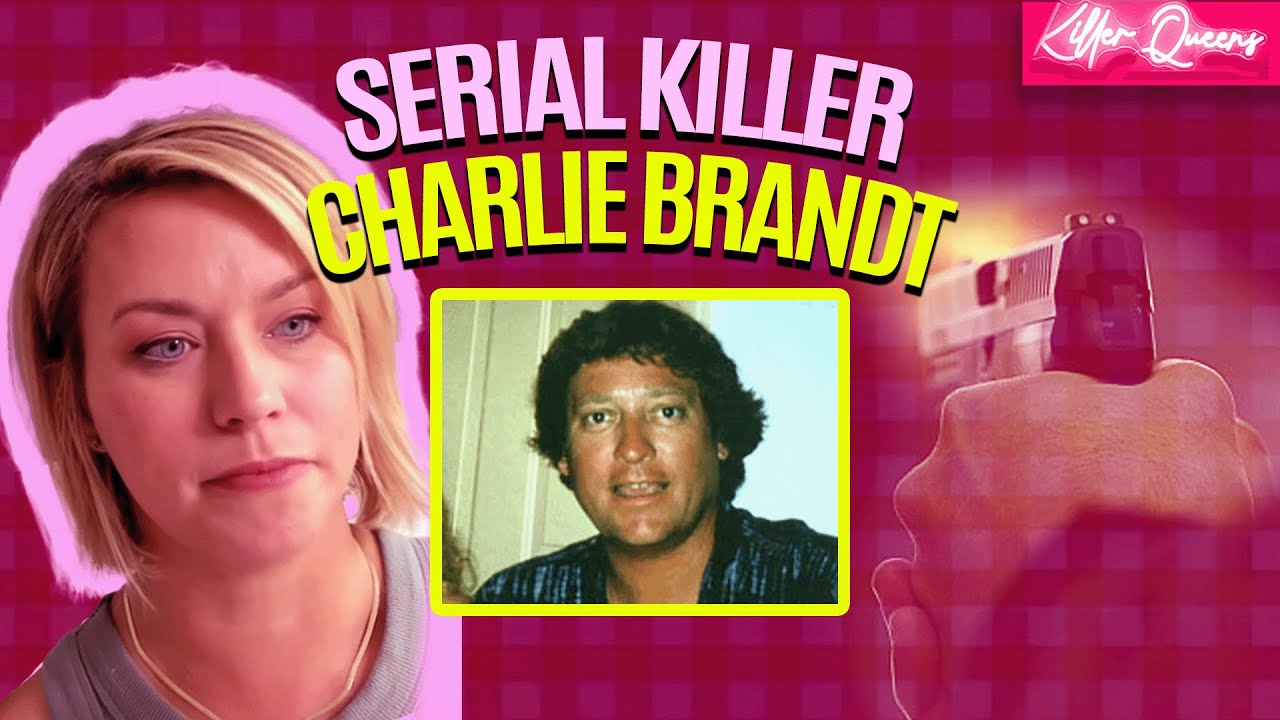
That man was Charlie Brandt.
He was dead at the scene from a self-inflicted gunshot wound.
The casings would match his gun.
The question the scene left open was not whether a stranger came through the door.
It was what a man living in the guest house had done inside the main house.
The record would answer that.
It would take days, and it would require looking back decades.
THE 911 CALL AND THE SCENE
The investigation began with a 911 call from the Leonard home.
Deputies arrived and found the couple dead.
The husband had been shot.
The wife had been shot and stabbed.
Their 13-year-old daughter was alive but injured, also shot.
The initial theory was a home invasion.
Detectives quickly challenged it.
They found no signs of forced entry.
No broken locks, no jimmied doors, no sign that anyone had to fight their way in.
The scene itself pointed elsewhere.
The shell casings were recovered from inside the house.
The nature of the wounds did not match a stranger's frenzy.
It looked deliberate.
It looked like the work of someone who knew the layout, knew the family, knew what he was doing.
That pointed to a shooter known to the family.
Charlie Brandt was 47 years old.
He had been staying in the Leonards' guest house.
When deputies took stock of the scene, he was missing.
He was later found dead at the scene, killed by a self-inflicted gunshot wound.
A handgun was recovered near his body.
The exact sequence of events inside the house is not in the record.
No one alive saw it all unfold.
The daughter survived, but the record does not establish what she witnessed.
What the record does establish is the evidence left behind.
Shell casings.
Wounds.
A missing guest.
A dead man with a gun.
It was not random.
That realization was just the beginning.
THE GUN AND THE PAST
The handgun lay near Charlie Brandt's body, and the Orange County Sheriff's Office recovered it.
The bullets from that handgun were later matched to the bullets recovered from the victims.
That ballistics match was the evidence that decided the case.
It linked the dead man in the guest house to the shootings inside the home.
Then investigators looked back.
They learned that in 1971, as a teenager, Brandt had killed his mother and father and severely injured his sister.
At the time, he claimed a stranger had committed the crime.
The sister survived.
She had long suspected Brandt, but the case had remained unsolved.
The Orange County Sheriff's Office, working with the FBI, connected the 1971 killings to Brandt through forensic evidence and witness testimony.
The specific forensic evidence that connected the 1971 killings is not detailed in the record.
What is documented is the pattern.
A teenager who killed his parents.
A man found dead with a gun that matched the bullets in a double murder.
The same claim in both: a stranger did it.
In 1971, no one proved otherwise.
In 2004, the ballistics did.
The gun was the link.
The history was the method.
The case was closed without a trial, because Brandt was already dead.
TWO INTERPRETATIONS
The home-invasion theory died on the threshold.
There was no forced entry.
The wounds on the victims did not match the story of a stranger bursting in.
The shell casings and the nature of the injuries pointed elsewhere: to someone the family knew.
That someone was the man staying in the guest house.
A handgun was recovered near Charlie Brandt’s body.
The ballistics match linked that gun to the bullets recovered from the victims.
That match decided the case.
Investigators also pulled the thread of Brandt’s past, a 1971 killing of his mother and father and the severe injury of his sister.
The historical pattern of violence established a motive and a method.
The Orange County Sheriff’s Office, working with the FBI, connected the old killings to Brandt through forensic evidence and witness testimony.
The conclusion was that Brandt acted alone in the murders and the attempted murder of the daughter.
There was no trial.
Brandt died at the scene from a self-inflicted gunshot wound.
The sheriff’s office officially closed the case on that conclusion.
The 1971 case was also closed, with authorities stating Brandt was responsible, though he was never charged due to his death.
What motive drove the attack on the Leonards is not in the record.
That question remains open.
The case is closed, the shooter is dead, and the evidence is what it is.
It is enough to convict a dead man.
It is not enough to explain him.
AND THE STORY STILL ISN'T OVER
The case is closed, the shooter is dead, and the evidence is what it is.
It is enough to convict a dead man.
It is not enough to explain him.
Charlie Brandt is deceased.
The Orange County Sheriff's Office officially closed the case, concluding that Brandt acted alone.
No further legal proceedings have occurred.
There was no trial, and there will be none.
The daughter, who survived the attack, has largely remained out of the public eye.
Her current whereabouts or status is not in the record.
The Leonard family's home was later sold.
The case has been the subject of true-crime documentaries and articles.
They explore Brandt's history of violence.
They explore the failures of the earlier investigation into his parents' deaths.
The 1971 case was also closed, with authorities stating Brandt was responsible.
He was never charged due to his death.
The shell casings remain a silent testament to the evidence that broke the case wide open.
They were matched to the handgun recovered near Brandt's body.
They were matched to the bullets recovered from the victims.
The ballistics match decided the case.
It linked the gun to the murders.
It linked the shooter to the family he knew.
The case is closed.
The echoes of the past remain unresolved.
The daughter lives somewhere, out of the public eye.
The home was sold to someone else.
The shell casings sit in an evidence locker, or in a file, or in a box.
They are not a theory.
They are not a stranger intruder.
They are documentation.
That would require evidence.
Advertisement
You may also like
A pair of eyeglasses found by a body that would force two teens to confess
The glasses were horn-rimmed, found near the body of 14-year-old Robert "Bobby" Franks in a culvert close to the Indiana border. They were traced…
The 31-day gap between Caylee Anthony's last sighting and the 911 call that started it all
June 16, 2008, was the last day anyone saw Caylee Anthony alive. She was two years old. Her grandmother, Cindy Anthony, called 911 on…
The 90-second cell phone video that shattered Alex Murdaugh's alibi
Paul Murdaugh’s phone recorded for ninety seconds at the dog kennels on June 7, 2021. The video was played at trial in Colleton County.…
The tie left on the plane that never yielded a fingerprint
The tie sat on the seat of a Northwest Orient Airlines Boeing 727 on November 24, 1971. A man calling himself Dan Cooper had…
The confession that shifted — and the voices a jury refused to hear
He walked into a local bar on November 13, 1974, and told the patrons his family had been shot. Police found six bodies in…
Inside the 1980 courtroom where 33 murder counts met a confession
On December 11, 1978, a 15-year-old boy told his mother he was going to meet a contractor about a job. He never came home.…