The slumber party interrupted by an intruder who tied up the girls and fled with Polly
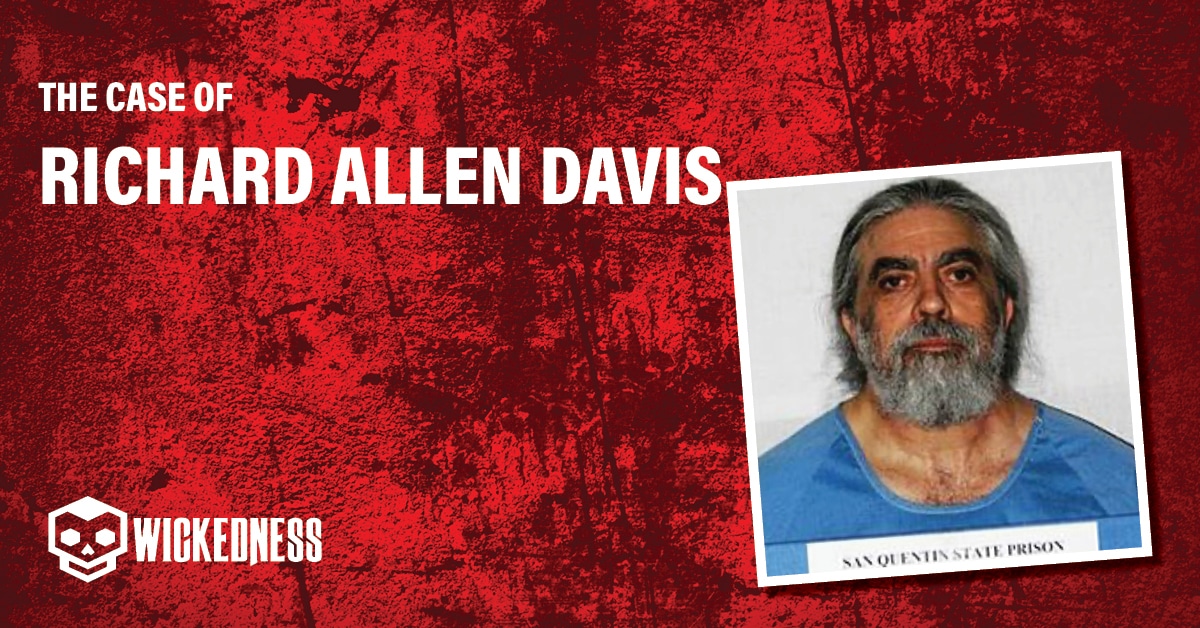
The bedroom door opened at some point after midnight.
A man stepped inside a house on a quiet street in Petaluma, California, where twelve-year-old Polly Hannah Klaas slept at a slumber party with two friends.
The date was October 1, 1993.
He tied up the girls.
He took Polly.
He was gone before anyone outside the room knew what had happened.
Polly's mother, Eve Nichol, found the scene shortly after.
The rope was still there. The girls were still there, bound and frightened. Polly was not.
What did he want?
Why that house? Why that night?
That would require evidence, and at this point in the story, the intruder's identity and motive are not yet established.
The phone calls began. The police arrived. The search started before dawn.
Neighbors came out of their houses. Strangers came from other towns.
The cameras came too.
Within days, Polly's face was on every screen in America.
Her disappearance was no longer just a local emergency. It was a national story, a defining moment in crime reporting.
Reporters stood on the lawn. They counted the hours. They repeated her name.
The public responded with a force that surprised even the investigators.
Volunteers joined the search by the thousands. They walked fields, checked ditches, posted flyers on every telephone pole they passed.
Polly's parents, Marc Klaas and Eve Nichol, spoke to the press.
The case became a symbol. It became a cause.
But that first night, none of that existed yet.
There was only a dark house, a mother's scream, and a question no one could answer.
THE SEARCH AND THE MEDIA STORM
The search began in Petaluma, and it did not stay in Petaluma.
Local police coordinated the effort.
The FBI joined them.
Thousands of volunteers came anyway.
They walked fields.
They knocked on doors.
They papered the region with flyers bearing Polly's face.
The public reaction was enormous, and it was visible in the crowds that gathered to help.
A grief-stricken father became a figure on the nightly news.
A mother spoke through her own shock.
The case drew intense national media coverage, and Polly's disappearance became a defining moment in American crime reporting.
The cameras arrived early, and they rarely left.
Every lead was reported.
Every rumor was repeated.
The family's name became shorthand for a particular kind of terror.
Marc Klaas and Eve Nichol became prominent public advocates for child safety and criminal justice reform, speaking where the case gave them a platform.
The search continued for weeks.
The public did not stop looking.
Polly's body was found on December 4, 1993, in a wooded area near Cloverdale, California.
She had been strangled.
The search ended there, but the scrutiny did not.
What the coverage captured is documented.
What the coverage missed is not.
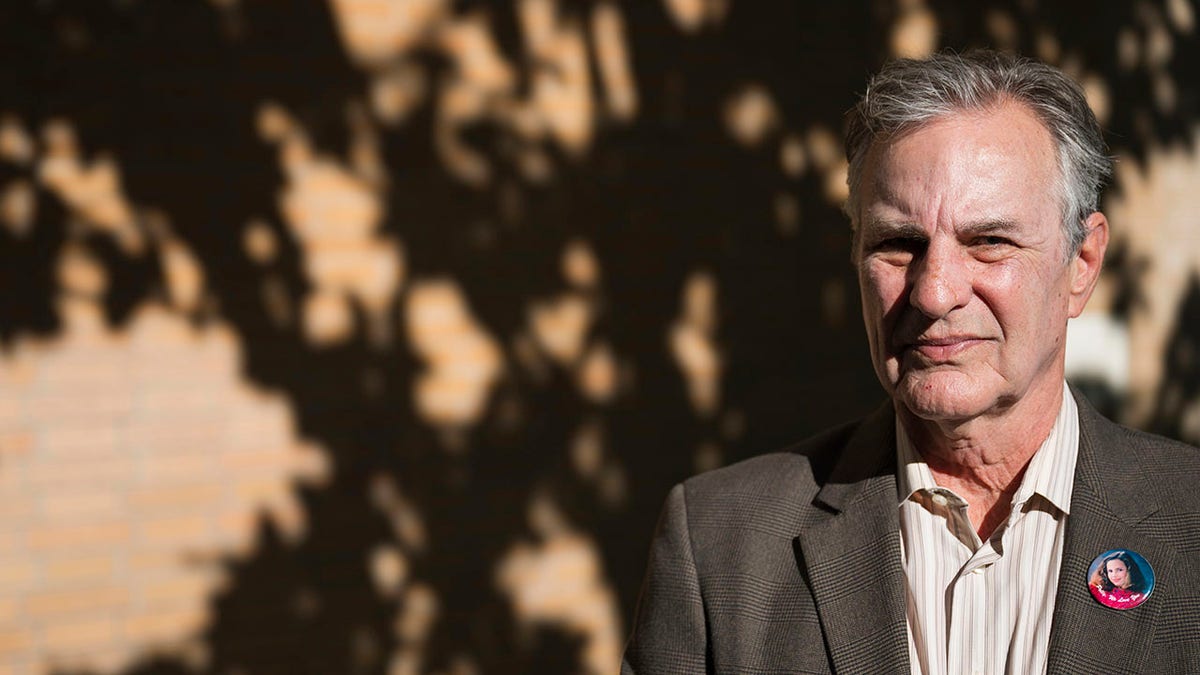
The specific details of the search efforts are not fully documented in the source.
The exact timeline of media coverage is not fully documented in the source.
The scale of the mobilization is real.
The weight of the attention is real.
What the family endured in private, under that attention, is not a matter of record.
THE ARREST AND THE CONFESSION
The investigation had narrowed to local suspects, men whose names neighbors whispered over fences.
Then, in late November 1993, Richard Allen Davis was arrested on an unrelated parole violation.
A tip from a former cellmate led investigators to Davis.
The exact nature of that tip is not detailed in the source.
Neither are the specifics of one criticized misstep: a delayed search of Davis's vehicle.
The record notes the delay drew criticism, but it does not say how long it lasted or what it cost.
Davis eventually confessed to the kidnapping and murder.
He confessed, and then the evidence did the rest.
His fingerprints were found in the Klaas home.
Fibers from his clothing matched those found on Polly's body.
The confession matched the scene.
It matched the body.
It matched the timeline the volunteers had spent weeks tracing.
The relief was real.
So was the horror.
A man with a long criminal record had been in that house, on that night, and the system had let him walk before.
The case broke because of a cellmate's word and a parole violation.
Not because of a break in the forensic work at the time.
The forensic evidence proved decisive later, but it did not find him first.
That would require a different story.
The public, which had papered Petaluma with flyers and searched the hills in rain, now had a name to hold.
The media had a face to broadcast.
The investigation had its flaws, and the record keeps them.
What the record does not keep is the exact shape of the tip, or the exact cost of the delay.
Those remain open questions.
THE TRIAL AND THE VERDICT
The trial opened in Sonoma County Superior Court in 1996.
The prosecution presented forensic evidence and a confession.
The district attorney and his deputy led the case for the state.
The defense attorney argued the confession was coerced.
He called the rest of the evidence circumstantial.
The specific arguments on both sides are not fully documented in the record.
What is documented is the verdict.
The jury convicted Richard Allen Davis on all counts: first-degree murder, kidnapping, and attempted rape.
The penalty phase followed.
The jury recommended death.
Judge Thomas Hastings sentenced Davis to death on September 26, 1996.
The courtroom had been packed for months.
The media had followed every motion, every witness, every recess.
Not because the evidence was simple.
But because the case had become a symbol.
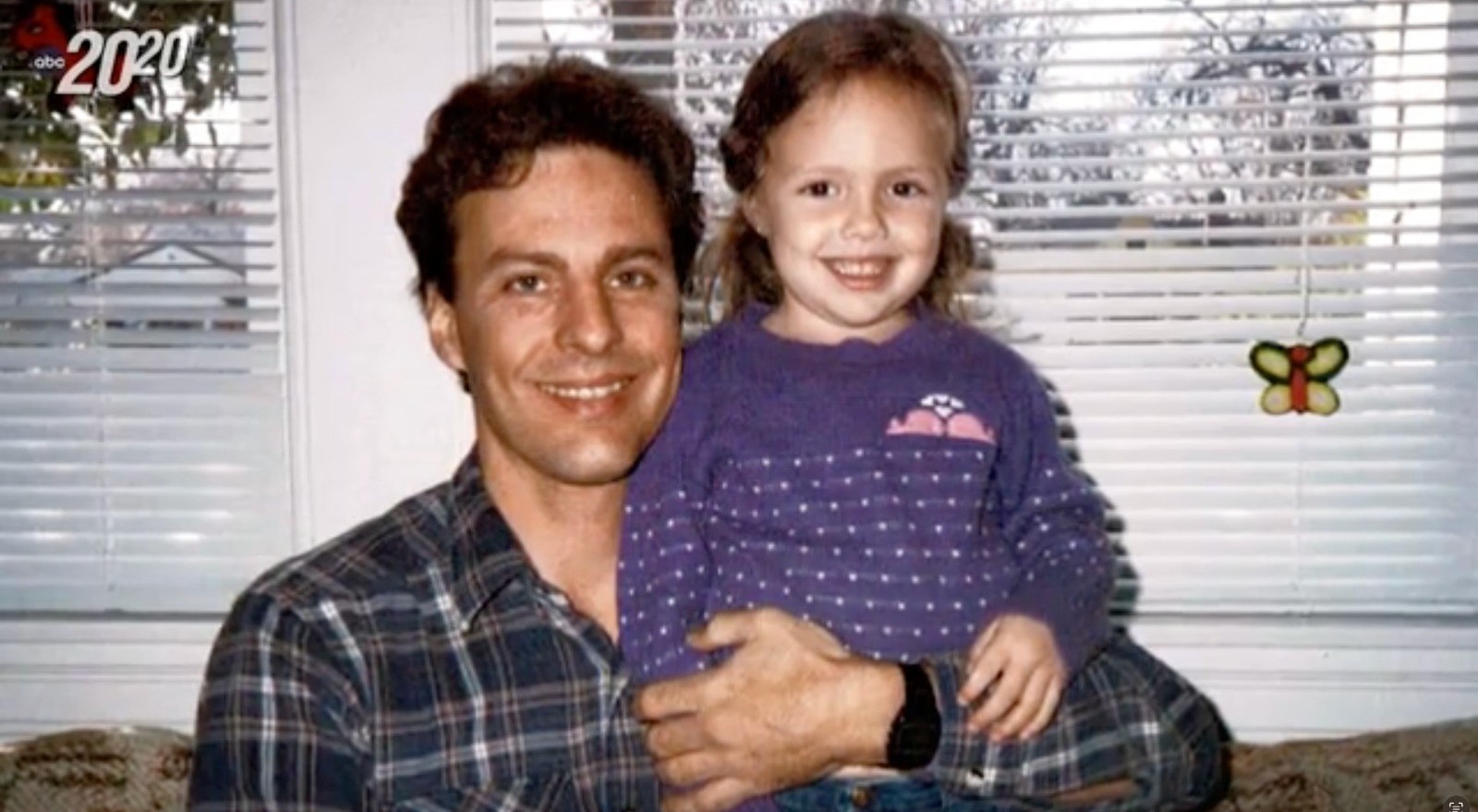
Polly's face had been on the news for years by then.
Her disappearance had turned into a national story.
The trial was the place where that story was supposed to end.
It did end, in one sense.
A conviction, a sentence, a date.
The record holds those facts securely.
What it does not hold is the full texture of the courtroom battle.
The exact shape of the prosecution's argument remains partial.
The defense's counter-narrative remains partial.
That would require a transcript, and the public record does not fully preserve it.
So the trial stands as a verdict without a complete interior.
The justice was delivered.
The details of how it was argued, line by line, remain open questions.
AND THE STORY STILL ISN'T OVER
Davis remains on California's death row at San Quentin.
Executions in the state have been halted since 2006, stalled by legal challenges.
The future of his sentence is not specified in the source.
What remains is a verdict without a date.
The law moved anyway.
California passed its "three strikes" law in 1994.
It mandates life sentences for repeat offenders.
The case led directly to that law.
Polly's murder also shaped the AMBER Alert system.
The alert was named in part after another abducted child, Amber Hagerman.
But it was inspired by the public response to the Klaas case.
That response was documented.
Marc Klaas founded the KlaasKids Foundation.
It is a nonprofit for child safety and missing-children advocacy.
He became the public face of the grief.
Eve Nichol has remained largely out of the public eye.
She was the mother who found the scene.
The public reaction was enormous.
Volunteers joined the search by the thousands.
The media turned a disappearance into a national story.
That coverage changed how missing children are reported.
It is a legacy of a tragedy.
It is also a set of laws.
Not because the system was efficient.
But because the horror was visible.
The trial stands as a verdict without a complete interior.
The justice was delivered.
The details of how it was argued, line by line, remain open questions.
The death sentence remains a sentence.
The execution does not.
That would require a date.
That would require a resolution.
Neither is established here.
So the story still isn't over.
Advertisement
You may also like
He walked into a bar to report the six bodies — but the first account did not match
The bar was on a quiet stretch of Long Island, a place where a man could walk in and order a drink before noon…
The smell from Gacy's crawl space that made police dig again
The smell hit the officers before they reached the trapdoor. It was December 1978, and police were searching the home of a building contractor…
The Christmas Eve phone call that broke Laci Peterson's mother
December 24, 2002, was a Tuesday. Laci Peterson, 27 and eight months pregnant, was last seen at the family home in Modesto. That evening,…

The faulty gyroscope and a pilot not rated for instrument flight — the evidence in a 1959 crash that killed three stars
The gyroscope was found malfunctioning, and it was the one instrument that tells a pilot which way is up. The Civil Aeronautics Board’s investigation…
The unmatched glove that didn't fit — and the $33.5 million judgment the Goldman family still pursues
The courtroom was warm, and the cameras held on the leather. O.J. Simpson tugged at the pair of gloves the prosecution had asked him…

The 911 call that shattered a legal dynasty – and the lie that followed
The dogs were still barking when the first deputies arrived at Moselle. Paul Murdaugh, 22, and his mother, Maggie, 52, lay dead near the…