The tarot card left at the first D.C. sniper shooting — and the trunk hole that cracked the case
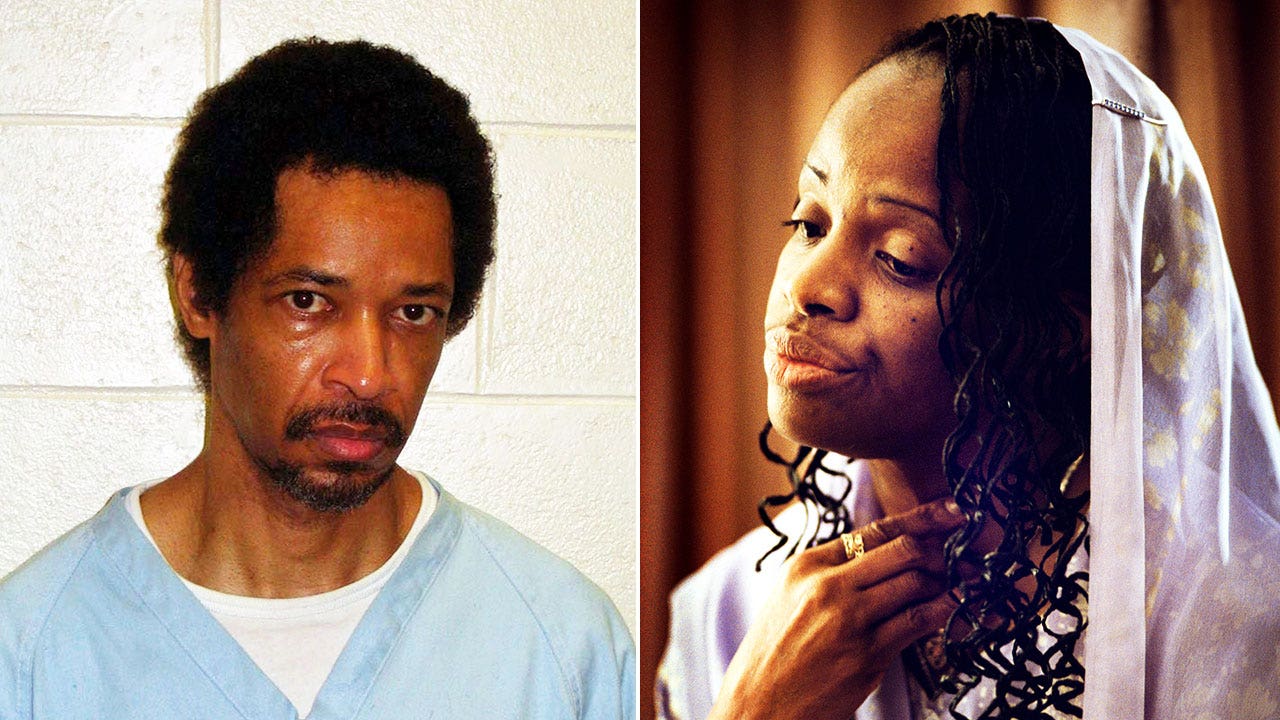
The first shooting happened on October 2, 2002, outside a Michael's craft store in Aspen Hill, Maryland.
Not in a parking lot. Not at a gas station.
Outside a craft store, where someone was shot while going about an ordinary afternoon.
At that scene, the killer left a tarot card.
The card carried a message: "Dear Policeman, I am God."
It was a claim, not a fact.
The record does not establish who left the card, nor what the message was meant to say.
It became a key piece of evidence anyway.
A card with a god complex.
A taunt written to the police who would spend weeks chasing the shootings.
The attacks looked random.
Victims were struck while pumping gas, walking into stores, sitting on benches, mowing a lawn.
The randomness was the point.
It made everyone a target.
It made every parking lot feel like a shooting range.
What does a tarot card mean when it says "I am God"?
That would require evidence.
The card was found. The message was read. The meaning stayed open.
Who left it there?
Who wrote those words?
The record does not say.
The card became a symbol of the case, a piece of the puzzle that never quite fit.
It was evidence of something, but not proof of intent.
Not proof of who held the rifle, or who planned the next shot.
Just a card, left behind at the first scene, with a message that sounded like a confession and explained nothing.
THE FIRST SHOTS
Between October 2 and October 24, 2002, a series of shootings struck across Maryland, Virginia, and Washington, D.C.
Ten people were killed. Three others were wounded.
Victims were hit while pumping gas, walking into stores, sitting on benches, and mowing a lawn.
The first shooting was on October 2 outside a Michael's craft store in Aspen Hill, Maryland.
The final shooting was on October 24 in Silver Spring, Maryland.
The exact sequence of every shooting in between is not detailed in the source; only the first and last are specified.
The attacks appeared random. That randomness was the terror.
Chief Charles Moose of the Montgomery County Police Department led the investigation.
He became the public face of the case, standing before cameras as the shootings continued.
Each day brought another scene, another victim, another question.
Where would the next shot come from?
When would it stop?
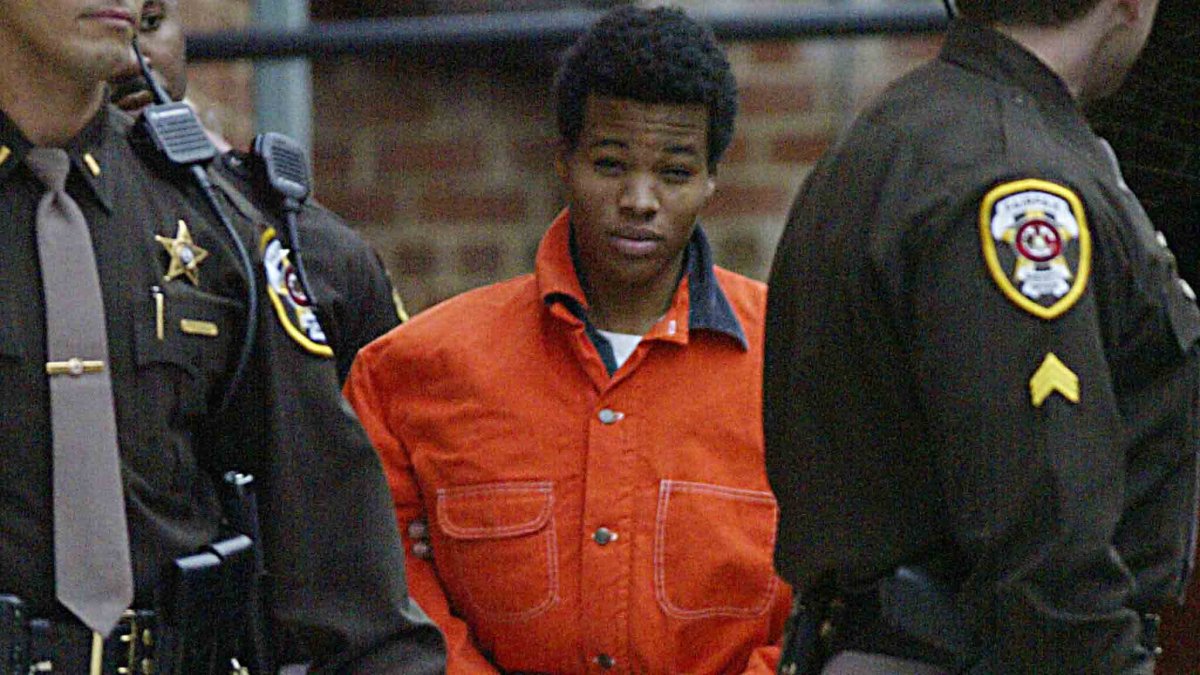
Who was doing this?
That would require evidence.
The evidence came slowly, from shell casings and a modified trunk, but it came.
For those three weeks, the pressure on Moose and his investigators was immense.
They had a card that said one thing and a killer who said nothing.
They had bodies in parking lots, on sidewalks, in open grass.
They had a region holding its breath.
THE TRUNK HOLE
The turning point was not a confession, not a witness sketch, not a tip from the public that broke the case open.
It was a shell casing.
Ballistics examiners matched shell casings recovered from several shooting scenes to a single Bushmaster .223-caliber rifle.
That rifle was later traced to a gun store in Tacoma, Washington, where Muhammad had purchased it.
Now the investigators had a weapon, and a weapon has a paper trail.
The paper trail led to a 1995 Chevrolet Caprice, modified with a hole cut in the trunk.
A shooter could lie in the trunk, fire through the hole, and never be seen.
No face at the window. No silhouette in the crosshairs.
The Caprice was the invisible position, the spot no one thought to watch.
Then a witness at a shooting in Ashland, Virginia, reported seeing a white van fleeing the scene.
The exact date of that Ashland shooting is not in the record, and the witness's name is not given.
What the record does show is that the tip pointed police toward a vehicle, and a phone call from a man claiming to be the sniper pointed them toward a person.
Not because the van was the Caprice. Because the van was wrong.
It was a white van, and the Caprice was a sedan.
The mismatch mattered. It told investigators the witness had seen something, but not the shooter.
Still, the tip and the call together focused the investigation on Muhammad and Malvo.
The trunk hole was the design. The rifle was the instrument.
The paper trail was the thread that pulled it all together.
THE LAPTOP
October 24, 2002.
A motorist spotted the Caprice parked at a rest stop on Interstate 70 near Myersville, Maryland, and called police.
Officers found Muhammad and Malvo sleeping inside.
In the car, investigators found the Bushmaster rifle, a scope, and a laptop computer.
The laptop contained maps of the shooting sites.
The laptop contained a detailed plan for the attacks.
It was the plan that turned the evidence into a case.
Malvo later confessed to being the shooter in most of the killings.
Muhammad, prosecutors said, was the planner.
The confession has details.
The record does not give them.

The laptop has contents beyond the maps and the plan.
The record does not specify them.
What is documented is the rifle in the trunk hole.
What is documented is the scope.
What is documented is the laptop with the maps and the plan.
That would require evidence, and the evidence stops at the plan.
The rifle was the instrument.
The laptop was the intent.
The trunk hole was the method.
The sleepers were the men.
The car was the scene.
The rest stop was the end of the road.
The plan was the beginning of the trial.
AND THE STORY STILL ISN'T OVER
Muhammad was tried first in Virginia, in Prince William County.
That was the point.
Federal charges carried no death penalty, so Virginia went first.
He was convicted of capital murder for the killing of Dean Meyers, who was shot at a gas station on October 9.
The jury recommended death.
Judge LeRoy Millette sentenced Muhammad to death.
Malvo was tried separately in Virginia.
He was convicted of capital murder for the killing of Linda Franklin.
The jury declined to impose the death penalty.
They cited his age and the influence Muhammad had over him.
Malvo was sentenced to life without parole.
Muhammad was executed by lethal injection on November 10, 2009.
The execution took place at the Greensville Correctional Center in Virginia.
The case moved on.
In 2017, Malvo's lawyers sought to have his sentence reconsidered.
They cited Supreme Court rulings about juvenile sentencing.
The Virginia courts upheld his life sentence.
What came after 2017 is not in the record.
The Chevrolet Caprice was destroyed after the trials.
The Bushmaster rifle was retained as evidence.
It was later destroyed.
The exact date of that destruction is not given.
The car is gone.
The rifle is gone.
The evidence that cracked the case no longer exists.
The verdicts remain.
Advertisement
You may also like
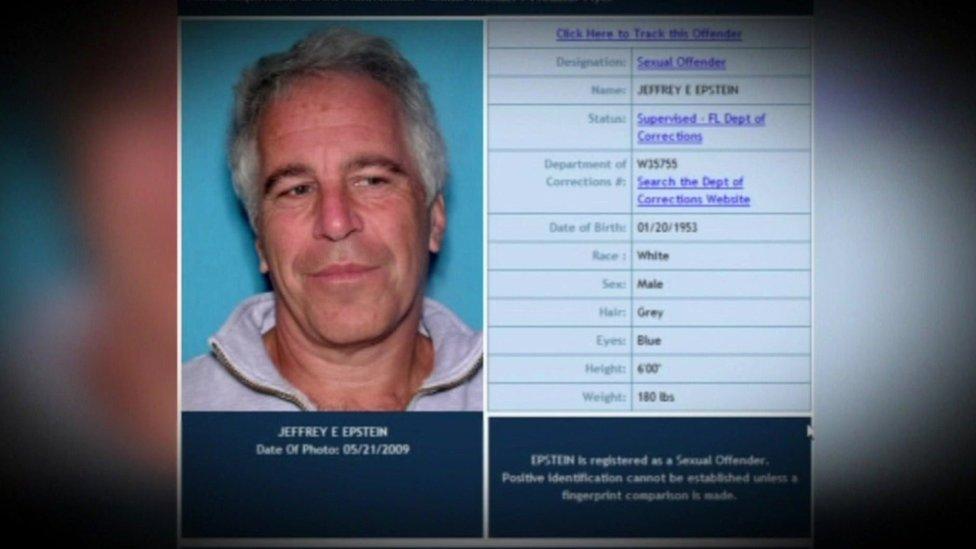
The 14-year-old's stepmother whose 2005 report started the Epstein case
In 2005, a Florida mother walked into Palm Beach police headquarters. She was not the girl's biological mother. She was the stepmother, and the…

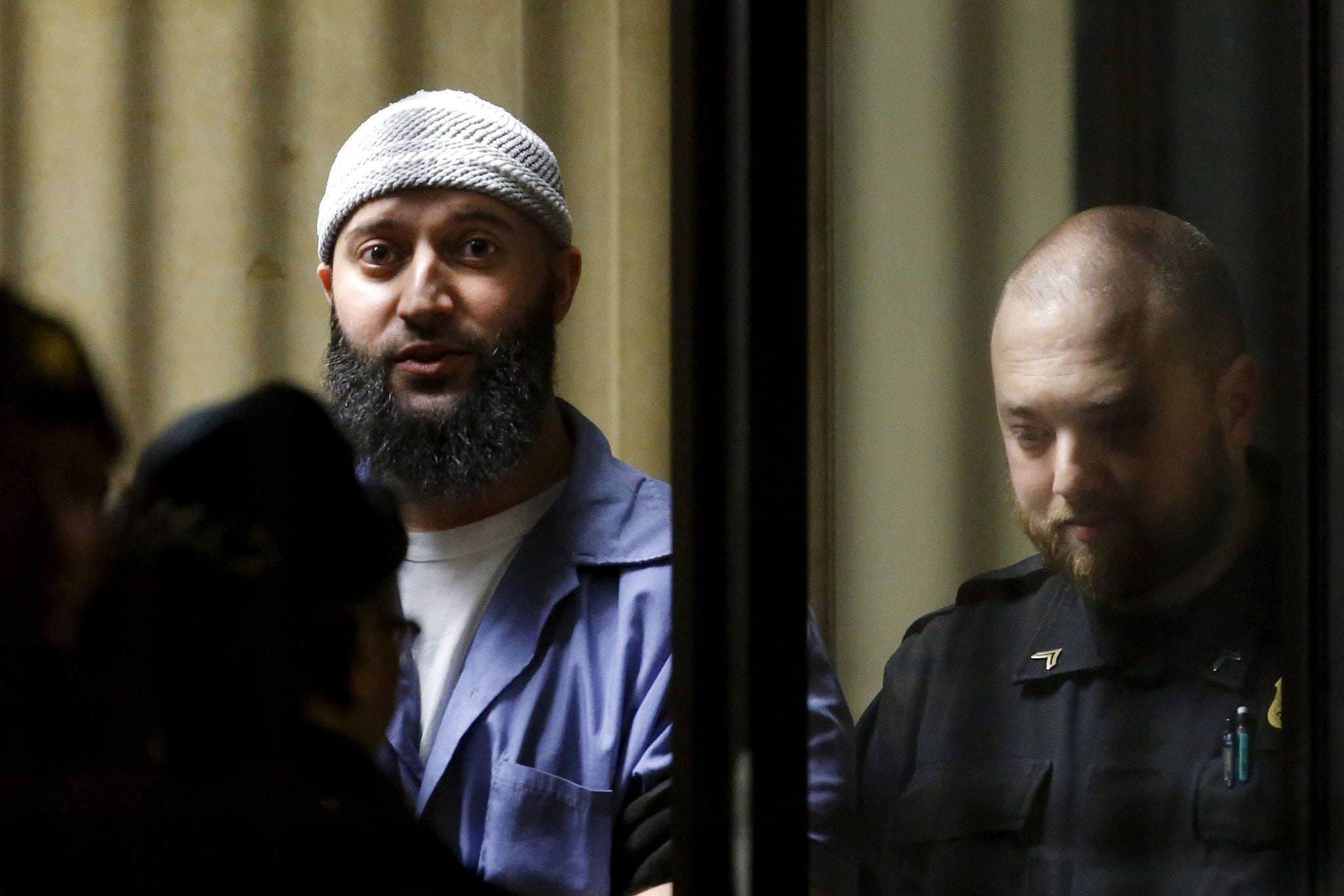
The cell tower data that put Adnan Syed near Leakin Park — and the questions it left behind
On January 13, 1999, Hae Min Lee, an 18-year-old senior at Woodlawn High School, disappeared after leaving school. Her car was found on February…
One anonymous note sent police to a witness — is that note the key to Hae Min Lee's 1999 murder case?
The note was anonymous. It arrived after Hae Min Lee's body was found on February 9, 1999, in Leakin Park, partially buried. She had…
The last video Paul Murdaugh filmed minutes before the shots that killed him and his mother
He was 22, and he was filming his dogs. Paul Murdaugh held up his cell phone at the family's hunting estate in Colleton County,…
The pillowcase that tied a kidnapper to Polly Klaas — and the parole officer who spotted him
Two girls lay on the floor of the bedroom, their hands and feet bound. They had been tied up, but they had not been…
The pajama top that told the FBI a different story than Jeffrey MacDonald's
The pajama top was folded on an evidence table, and it told two stories at once. On the night of February 17, 1970, at…