The tarot card with 'Call me God' — and what it did to the hunt
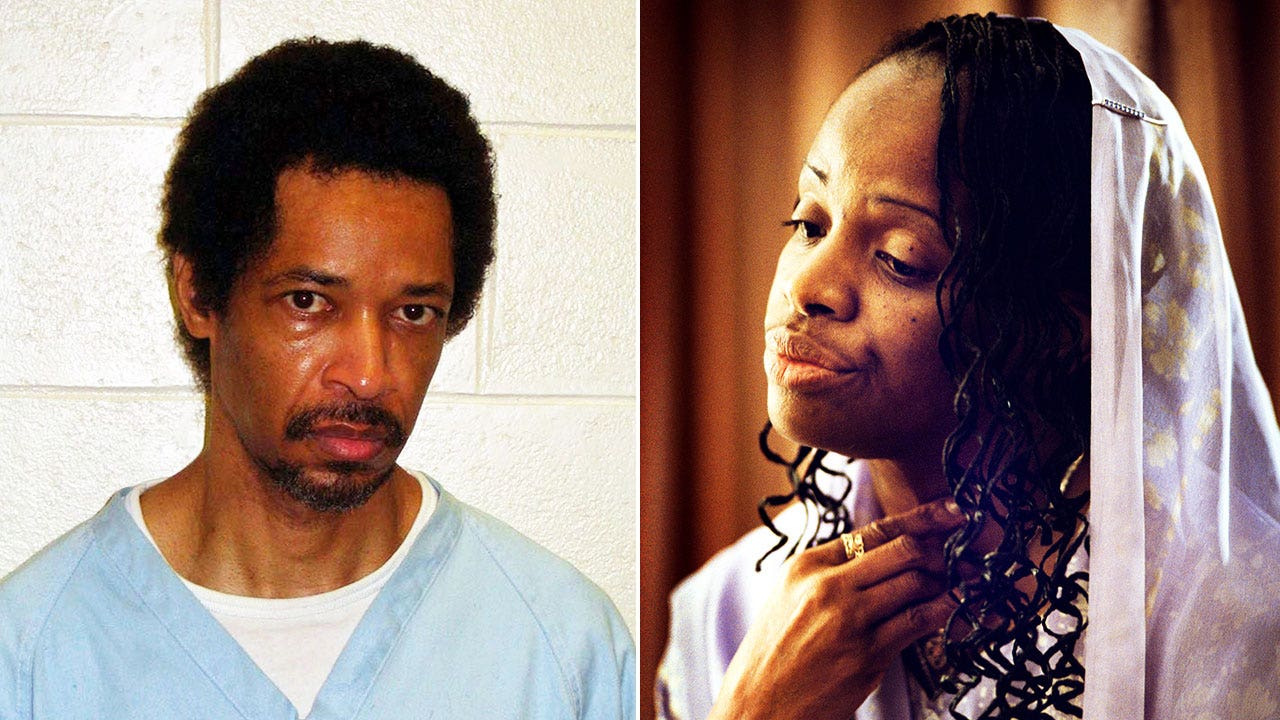
The card was found at one of the crime scenes, somewhere in the region that stretched across Washington, D.C., Maryland, and Virginia.
The exact location is not specified in the record.
It bore a message, written in ink: "Call me God."
That phrase drew national attention immediately.
It turned an unknown shooter into a symbol.
The shootings had already terrorized the region, with schools closed and residents afraid to pump gas.
The card became the face of the hunt, a taunt from a killer who had not yet been named.
But it was not the only clue.
Ballistics evidence linked many of the shootings to a single .223-caliber rifle.
One weapon, fired from somewhere unseen.
What did the card mean?
Who wrote it?
Why leave it at all?
The record does not answer those questions.
It shows a card, a message, and a rifle that spoke louder than any ink.
THE HUNT
The hunt began on October 2, 2002, with a killing in a parking lot in Wheaton, Maryland.
Police had few leads at first.
The tarot card and ballistics evidence pointed to a single rifle.
A witness reported a white van near one of the shootings.
The actual vehicle was later determined to be a blue Chevrolet Caprice.
Chief Charles Moose of the Montgomery County Police Department led the investigation.
He became the public face of the manhunt.
The FBI and ATF provided behavioral analysis and forensic support.
The region waited, school by school, pump by pump.
The card itself was a clue, but where it was found and on which date the record does not say.
That has never been established.
Ballistics spoke instead.
The rifle was a Bushmaster .223-caliber.
The car was modified, a sedan that could hold a shooter and a driver and a plan.
What the record shows is a search moving on tips, on fear, on a message that read "Call me God."
It was a piece of evidence.
It was also a taunt.
Chief Moose stood before cameras and asked for help.
The FBI analyzed behavior.
The ATF traced guns.
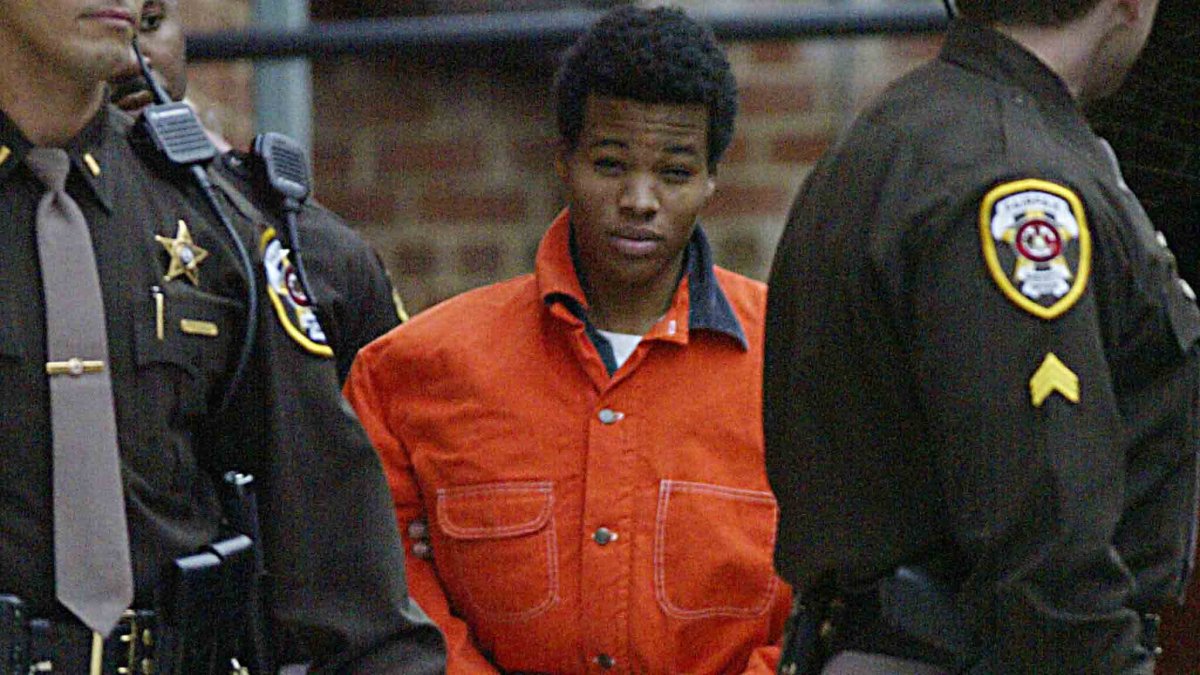
The white van lead sent officers scrambling.
It was a false lead.
That would not be the last one.
THE ARREST
October 24, 2002.
Police arrested John Allen Muhammad and Lee Boyd Malvo while they slept in a car at a rest stop on Interstate 70 in Maryland.
The vehicle was a modified blue Chevrolet Caprice sedan.
Inside, officers found a Bushmaster .223-caliber rifle.
Ballistic testing matched that rifle to the shootings.
The shooting spree had killed ten people and wounded three others.
It ended with two men asleep in a car.
The exact circumstances of the arrest are not detailed in the source.
Who tipped off police is not established.
The time of day is not established.
The white van lead had sent officers scrambling.
It was a false lead.
The actual vehicle was a sedan, not a van.
The hunt had spanned three weeks and a region on edge.
Schools had closed.
Residents were afraid to pump gas.
The rifle found in the Caprice was the link.
It connected the shootings to the two men in the car.
The arrest was ordinary.
Two men, asleep, at a rest stop.
One was 41, an Army veteran.
The other was 17.
Both were charged.
Both would face trial.
But that came later.
On October 24, 2002, the spree was over.
The car sat on the shoulder of Interstate 70.
The rifle was inside.
The men were asleep.
THE TRIAL
The trial opened in Virginia, in a courtroom that had been chosen for its size.
Muhammad was charged with capital murder for the killing of a man at a gas station in Manassas.

The prosecutor, Robert F. Horan Jr., laid out a scheme.
He said Muhammad had planned the shootings as a plot to extort $10 million from authorities.
The defense answered with a different story.
Muhammad was not the shooter, they argued.
Malvo had acted alone.
Two narratives, each built on the same rifle, the same car, the same tarot card.
The source does not specify which side presented the tarot card as evidence, or how the judge ruled on its admissibility.
What is documented is the prosecution's claim of a mastermind.
What is documented is the defense's claim of a lone actor.
The jury heard both.
They convicted Muhammad on November 17, 2003.
He was sentenced to death.
Then Malvo was tried separately, for the same murder.
His defense argued he was under Muhammad's influence, that he had been brainwashed.
A teenager molded by a man twice his age.
The jury convicted Malvo too.
He was sentenced to life without parole.
One mastermind, one manipulated teenager.
The jury chose to believe the first story for one man, and the second for the other.
AND THE STORY STILL ISN'T OVER
Muhammad was executed by lethal injection on November 10, 2009, in Virginia.
Malvo remains in prison, serving multiple life sentences.
In 2017, Malvo filed a petition arguing that his sentence was unconstitutional under a Supreme Court ruling on juvenile offenders.
Courts have upheld his sentence.
The current status of any pending appeals or motions by Malvo is not specified in the source.
The victims' families have continued to speak publicly about the case.
Several have advocated for stricter gun control laws.
The case remains one of the most studied examples of a serial shooting spree in American criminal history.
It is studied in law schools.
It is studied in criminology programs.
It is studied in courses on forensic psychology.
What the record shows is a conviction, an execution, and a life sentence.
What the record does not show is an ending.
The families speak.
The laws change.
The case holds.
Advertisement
You may also like
The fishing trip that put Scott Peterson at the center of a missing-pregnant-wife mystery
He said he went fishing alone that morning, off the Berkeley Marina. December 24, 2002. The same day his wife, Laci Peterson, eight months…
The red-light drive-by that ended Notorious B.I.G., and the car that vanished
12:45 a.m., March 9, 1997. A dark sedan pulls alongside a black SUV at a red light on Wilshire Boulevard in Los Angeles. The…
A notebook found beside Brian Laundrie's remains — what it said about Gabby Petito
The notebook was found beside Brian Laundrie’s remains in the Carlton Reserve in Florida, on October 20, 2021. A backpack lay nearby. The FBI…
Kitty Genovese's family says the '38 witnesses' claim stole her memory
A single number has been attached to Kitty Genovese's name for decades. Thirty-eight. The number appears in textbooks. It appears in documentaries. It is…
The MGM Grand altercation that preceded Tupac's shooting — what police believed
The black BMW sedan turned onto the Las Vegas Strip, and Tupac Shakur was in the passenger seat. Marion "Suge" Knight, the CEO of…
The neighbor's camera that caught Shanann Watts' truck — and the timeline that broke the case
The neighbor's camera was pointed at the driveway, not the street. It caught a blue Ford truck pulling into the Watts home in the…