The therapist's girlfriend who heard a confession — and why a judge let it into court
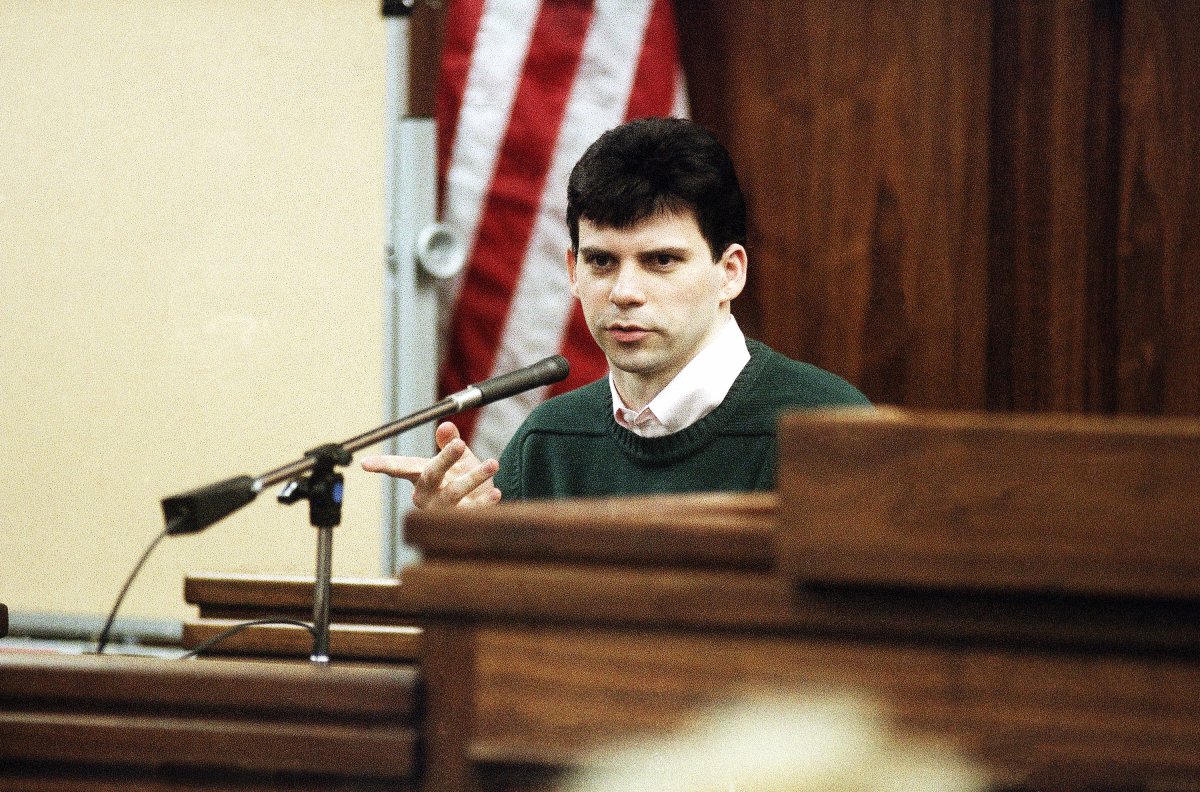
Smyth was not the one who heard Erik Menendez confess to murder.
She was the girlfriend of Dr. Jerome Oziel, the therapist Erik was seeing.
In February 1990, she contacted police claiming Oziel had told her about the confession.
That call came months after the August 20, 1989 murders of José and Kitty Menendez in their Beverly Hills den.
The case had stalled, with no arrests.
The brothers had already told police they believed the killings were a mob hit.
Smyth's account was not a recording.
It was not a transcript.
It was her word about what her boyfriend said a patient told him.
What exactly Smyth heard, and when, the record does not establish.
The date of the call is given only as February 1990.
Her exact words are not specified.
That single, unverified phone call set in motion the arrests of Lyle and Erik Menendez in March 1990.
One woman's account of a therapist's account of a confession.
That would become the hinge of the case.
THE CONFESSION
The confession came later, inside Dr. Jerome Oziel's office.
Erik Menendez allegedly told his therapist he had killed his parents.
Oziel testified that Erik broke down during an emotional session.
Oziel also testified that Lyle Menendez later threatened him.
The exact words Erik used are not in the record.
Neither is the precise nature of Lyle's alleged threat.
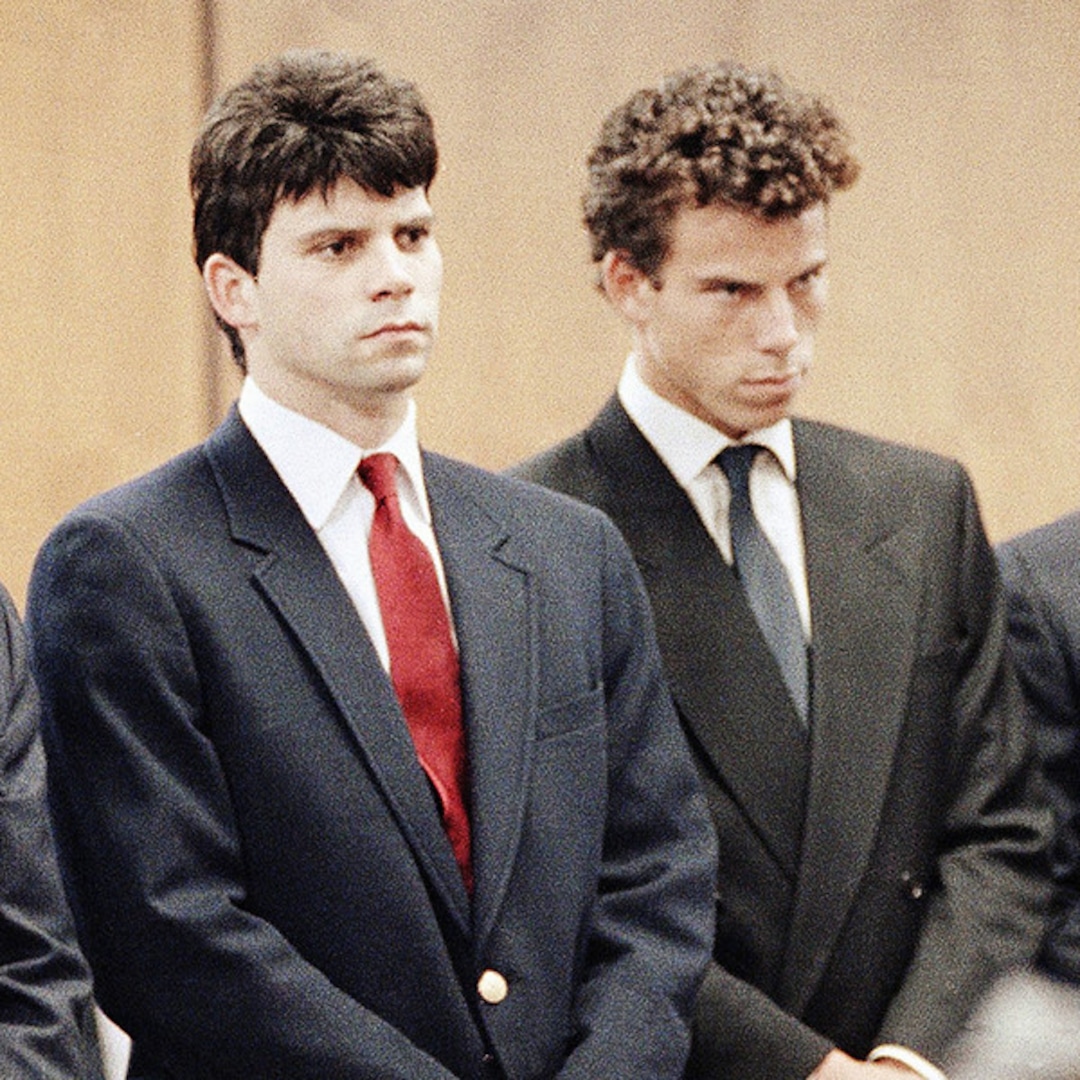
What the record shows is Oziel's account, repeated to his girlfriend, Judalon Smyth.
She told police.
That led to arrests.
But the confession itself was never a recording or a transcript.
The defense argued the therapist-patient privilege protected these communications.
That privilege is meant to let a patient speak freely, without fear.
Oziel said he feared for his life.
Judge Stanley Weisberg weighed those two claims.
He ruled the statements admissible.
The ruling turned on Oziel's fear, not on the confession's content.
That allowed the prosecution to put the confession at the center of its case.
It was a legal decision, not a factual one.
The jury would later hear what Oziel said Erik told him.
They would hear what Oziel said Lyle threatened.
They would never hear the brothers' version from that room.
The privilege existed to protect patients.
The judge decided it did not protect these patients.
Not because the confession was proven true.
But because Oziel claimed he was afraid.
TWO STORIES
The prosecution told one story.
The brothers killed their parents for the $14 million inheritance.
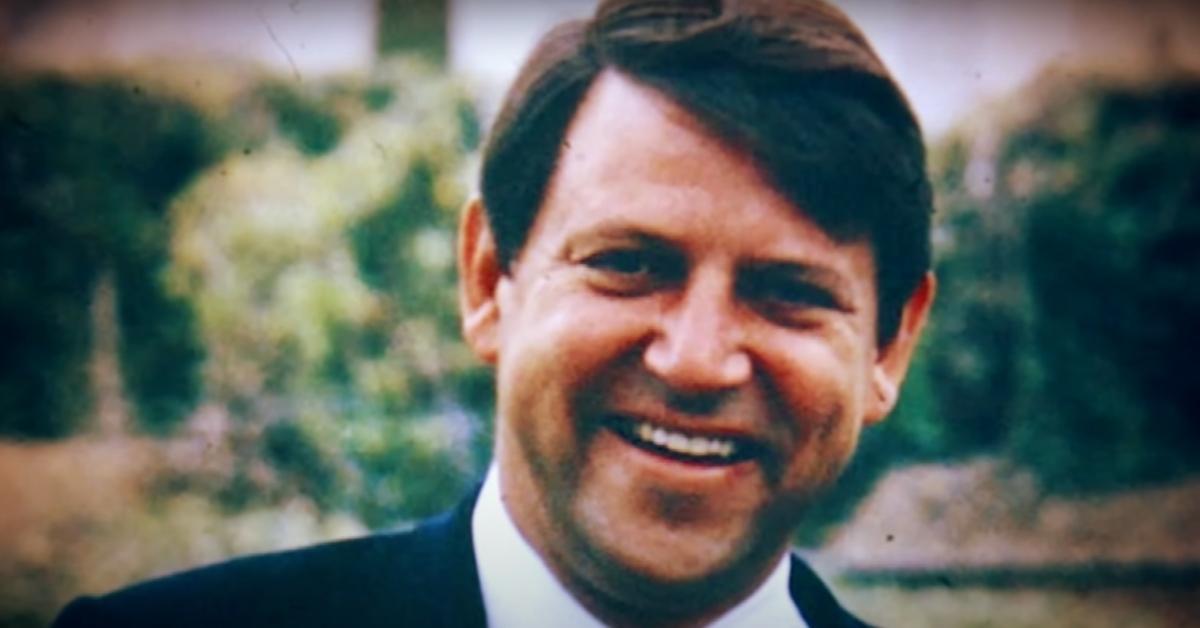
The spending spree proved it — luxury cars, watches, a restaurant.
It was greed, prosecutors argued, plain and simple.
The defense told another story entirely.
The brothers acted out of fear.
Fear of their father, after years of physical, emotional, and sexual abuse.
The same facts were spun into two irreconcilable narratives.
The confessions to Dr. Oziel.
The spending.
The abuse claims.
Each side pointed at the same evidence and saw something opposite.
The defense put family members on the stand, including the brothers' aunt, who corroborated some of the abuse allegations.
Expert witnesses testified about the psychological effects of prolonged abuse.
They described what years of trauma could do to a mind, to a child, to a man.
The prosecution dismissed it all as fabrication.
The record does not establish the abuse allegations as fact.
They were presented, and partially corroborated, but never proven in a way both sides accepted.
The courtroom itself became two courtrooms.
Two juries heard two stories.
They could not agree on which one was true.
The deadlock was not about the killings.
It was about the why.
Was it money?
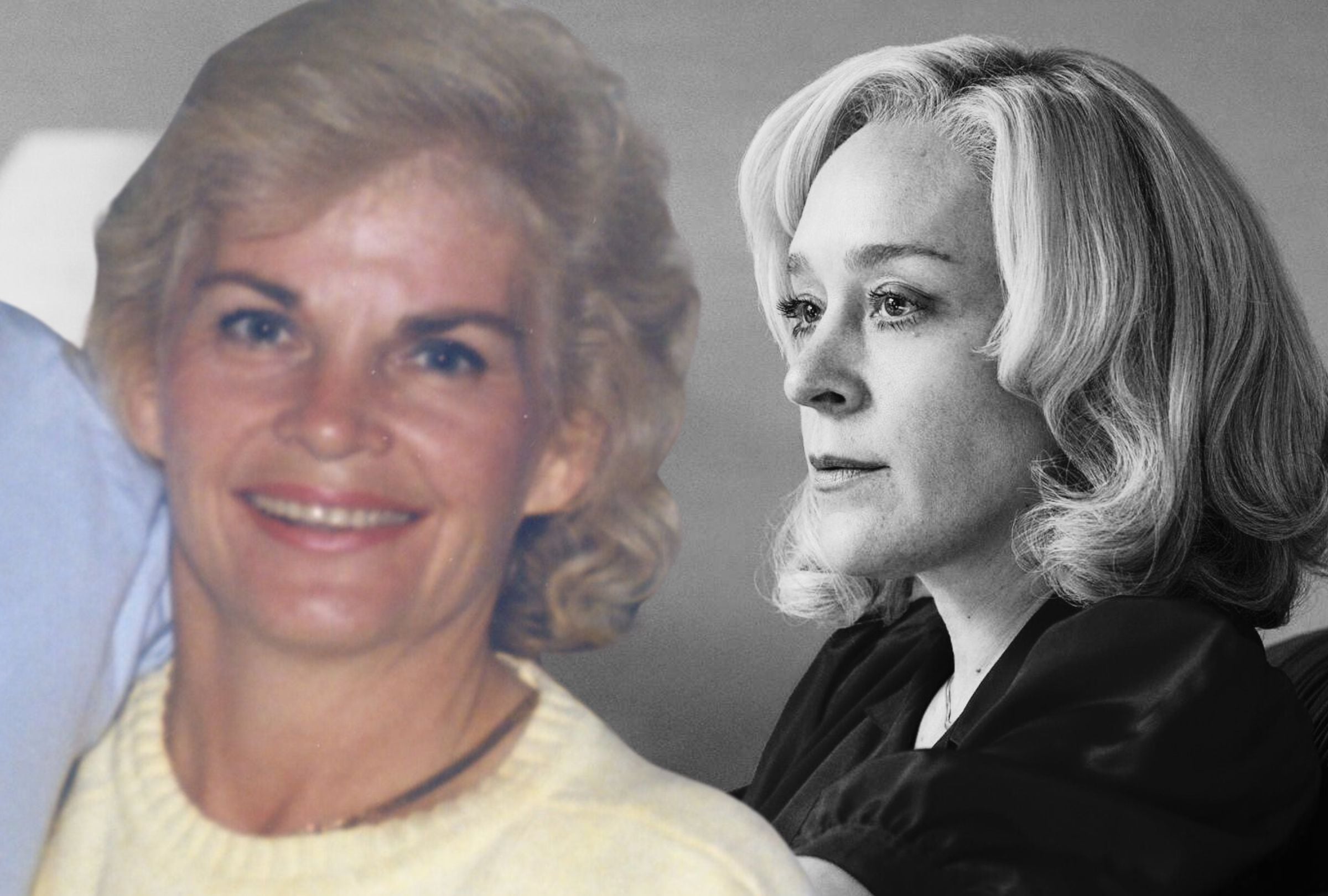
Was it fear?
Was it both, or neither?
That would require evidence the record does not supply.
The same confession that let the case into court became the hinge.
But a hinge swings both ways.
For the prosecution, it was an admission of murder.
For the defense, it was the cry of a broken boy.
The jury could not decide.
Not because the facts were unclear.
But because the story was never simple.
THE SPLIT VERDICT
The first trial began in July 1993.
It was broadcast on Court TV, and the country watched.
The prosecution argued the brothers killed for the $14 million inheritance.
The defense presented a narrative of abuse and fear.
Two juries heard the case, one for each brother.
In January 1994, both juries deadlocked on first-degree murder versus manslaughter.
Judge Weisberg declared a mistrial.
The jury could not decide the first time.
The brothers were retried in 1995.
This time there was a single jury.
Judge Weisberg restricted much of the abuse evidence as inadmissible.
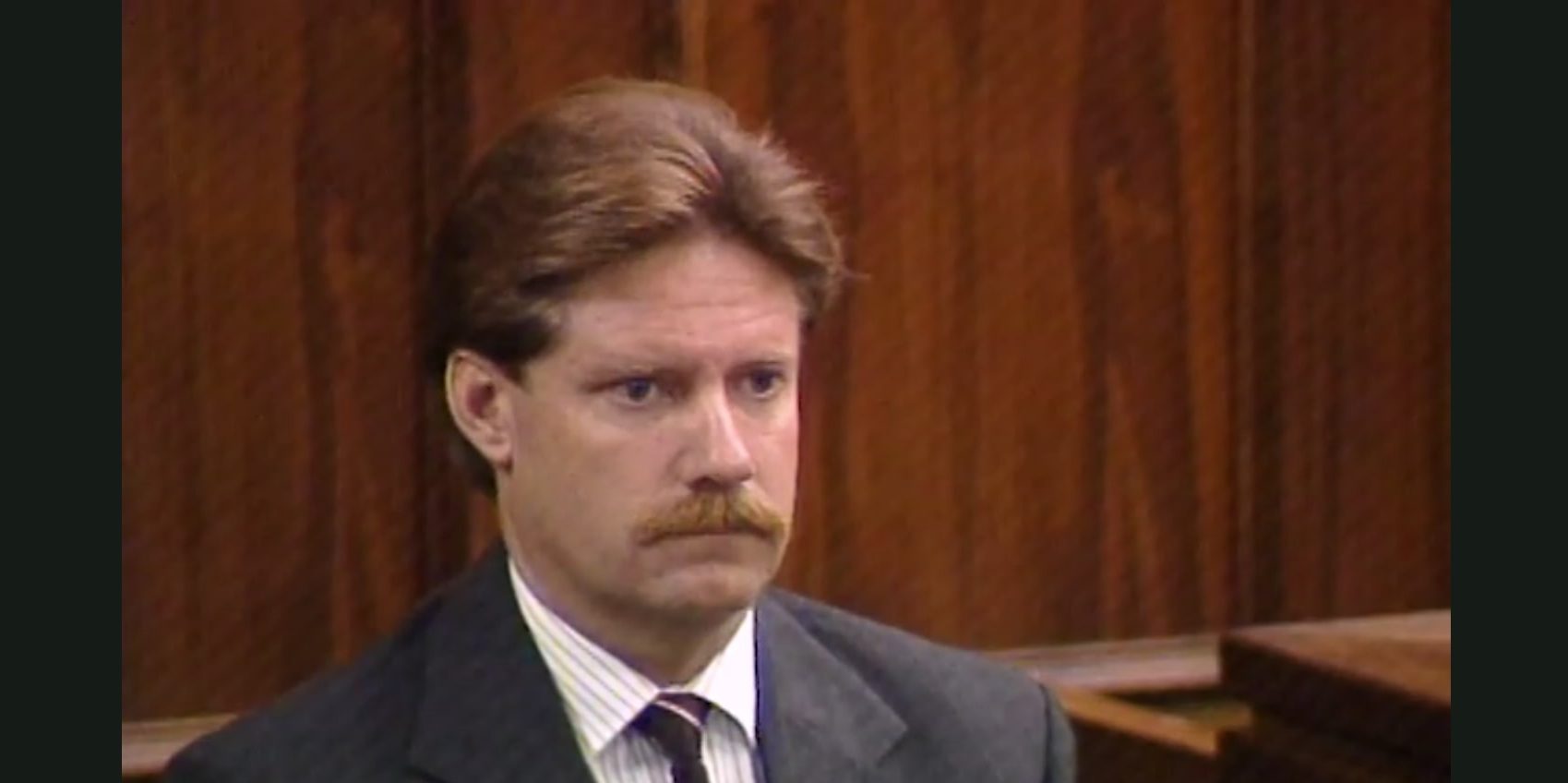
The defense could not present what it had argued before.
In March 1996, both brothers were convicted of first-degree murder in the deaths of both parents.
The penalty phase jury recommended life without parole.
It did not recommend the death penalty.
Judge Weisberg sentenced them accordingly.
Why did the second jury reach a different verdict?
Why did the first two hang?
Why did the third convict?
That would require evidence.
The record does not explain the jury's reasoning.
It states only what the juries did.
The first trial split.
The second trial ended.
The brothers were sentenced to life without parole.
AND THE STORY STILL ISN'T OVER
The legal chapter is closed.
The appeals were denied.
The habeas corpus petitions were denied.
Lyle Menendez is serving life without parole at the Richard J. Donovan Correctional Facility in San Diego County.
Erik Menendez is serving life without parole at Mule Creek State Prison in Ione, California.
They are in separate prisons.
They have been there since the conviction.
:max_bytes(150000):strip_icc():focal(749x0:751x2)/pamela-bozanich-menendez-trial-100724-3-4020c329cace46f0917d36d6ad7e7962.jpg)
Then came 2023.
A Netflix documentary and a dramatized series brought the case back into public view.
The abuse allegations were examined again.
The fairness of the trial was examined again.
The brothers are still in prison.
The case is still being discussed.
The public understanding of abuse and trauma has shifted since the 1990s.
What was restricted in the second trial is now argued openly.
What the jury never heard is now heard by millions.
Is there a new hearing?
Is there a pending motion?
Is there a next court date?
The source does not mention one.
No pending legal action is in the record.
The story is not over because the law says it is over.
The story is not over because the public keeps asking questions.
The questions are about the trial.
The questions are about the testimony.
The questions are about what the judge allowed in and what he kept out.
That would require evidence.
That would require a new proceeding.
That would require something the record does not establish.
For now, the brothers remain where the second jury put them.
The argument continues without them.
The case is closed.
The meaning of the case is not.
Advertisement
You may also like
A pair of eyeglasses found by a body that would force two teens to confess
The glasses were horn-rimmed, found near the body of 14-year-old Robert "Bobby" Franks in a culvert close to the Indiana border. They were traced…
The 31-day gap between Caylee Anthony's last sighting and the 911 call that started it all
June 16, 2008, was the last day anyone saw Caylee Anthony alive. She was two years old. Her grandmother, Cindy Anthony, called 911 on…
The 90-second cell phone video that shattered Alex Murdaugh's alibi
Paul Murdaugh’s phone recorded for ninety seconds at the dog kennels on June 7, 2021. The video was played at trial in Colleton County.…
The tie left on the plane that never yielded a fingerprint
The tie sat on the seat of a Northwest Orient Airlines Boeing 727 on November 24, 1971. A man calling himself Dan Cooper had…
The confession that shifted — and the voices a jury refused to hear
He walked into a local bar on November 13, 1974, and told the patrons his family had been shot. Police found six bodies in…
Inside the 1980 courtroom where 33 murder counts met a confession
On December 11, 1978, a 15-year-old boy told his mother he was going to meet a contractor about a job. He never came home.…