The trucker's tip that ended the 2002 D.C. sniper attacks — and the bus driver whose death broke the case
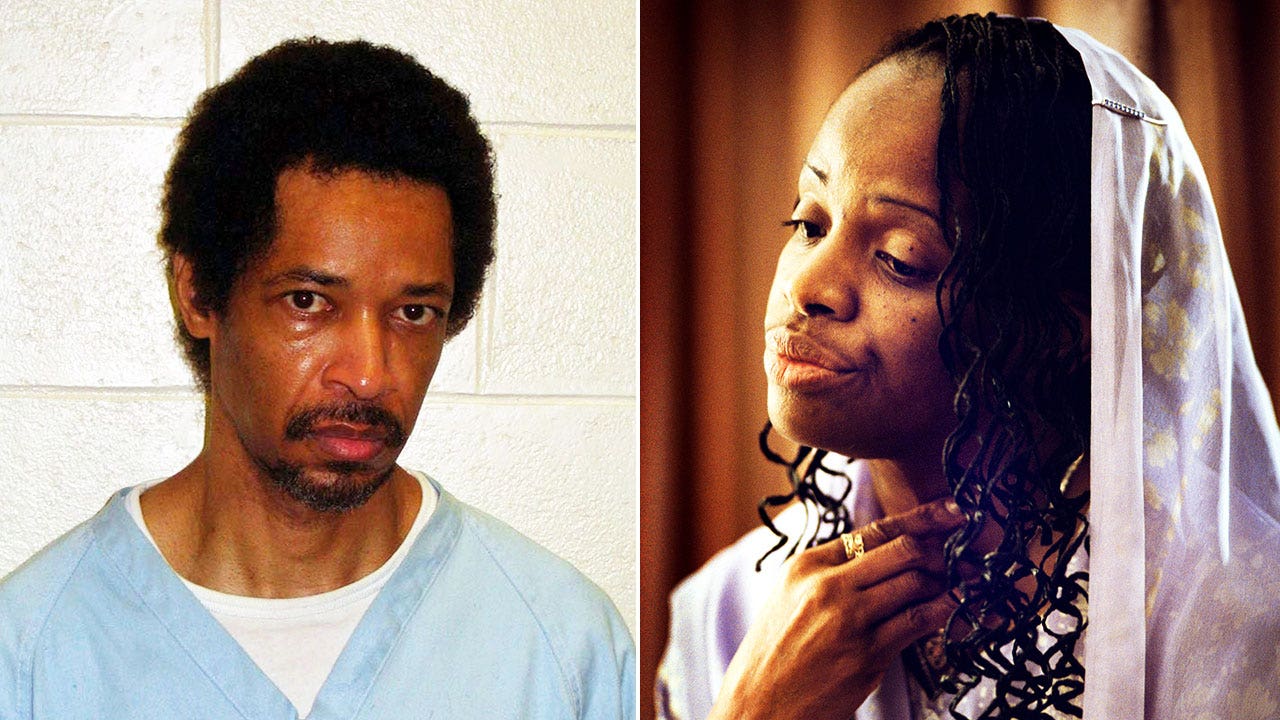
The truck driver heard the radio mention a blue Chevrolet Caprice.
He was at a rest stop near Myersville, Maryland, when he saw it.
He called a tip line.
Within hours, police found two men sleeping in that car — John Allen Muhammad, 41, and Lee Boyd Malvo, 17.
Inside the car, investigators found a Bushmaster .223-caliber rifle.
Ballistics later linked that rifle to several of the shootings.
The tip came after 22 days of shootings across Maryland, Virginia, and Washington, D.C.
Ten people had been killed. Three more were wounded.
The trucker's identity is not in the record.
The exact wording of his call is not in the record.
What is documented is the call, the car, and the arrest that followed.
The claim that the tip "ended" the attacks is a conclusion drawn from that sequence.
Not because the call alone stopped the shootings.
But because the arrest came after it, and the shootings stopped after the arrest.
How did one phone call bring a three-week siege to a close?
That would require evidence.
The record shows the call, the car, and the two men sleeping inside.
It shows the rifle and the ballistics report.
It shows the timeline: 22 days, ten dead, then the rest stop.
What it does not show is the trucker's name.
What it does not show is his voice on the line.
The rest stop is where the story narrows to a single tip.
THE BUS DRIVER
October 22, 2002, was a Tuesday.
The bus driver had finished his route in Aspen Hill, Maryland, and was standing at the top of the steps of his bus when the shot came.
He was 35 years old, a driver for the county transit system, and he was the last person killed in the series.
The case summary records his death as the final shooting.
A witness at the scene reported seeing a blue Chevrolet Caprice.
According to the investigation summary, that sighting shifted police focus from the white van they had been chasing to the Caprice.
Not because the death itself was unique.
But because someone saw the car.
The witness sighting is what redirected the investigation.
Whether the bus driver's death directly caused the witness to notice the car is not stated in the record.
That link is not established.
What is documented is the sequence: the shooting, the witness, the car.
What is not documented is any causal chain between the man's death and the break in the case.
The claim that his death "broke" the case is an editorial interpretation.
The witness sighting did that work.
He was the final victim.
Ten people killed, three wounded, and he was the last.
The investigation had been running for three weeks by then.
Chief Charles Moose had held daily press briefings.
The public was looking for a white van.
The witness saw a blue Caprice.
The record does not say whether he noticed it because of the commotion, the sirens, or simply because it was there.
It says only that he reported it.
That report changed the direction of the manhunt.
He was a bus driver.
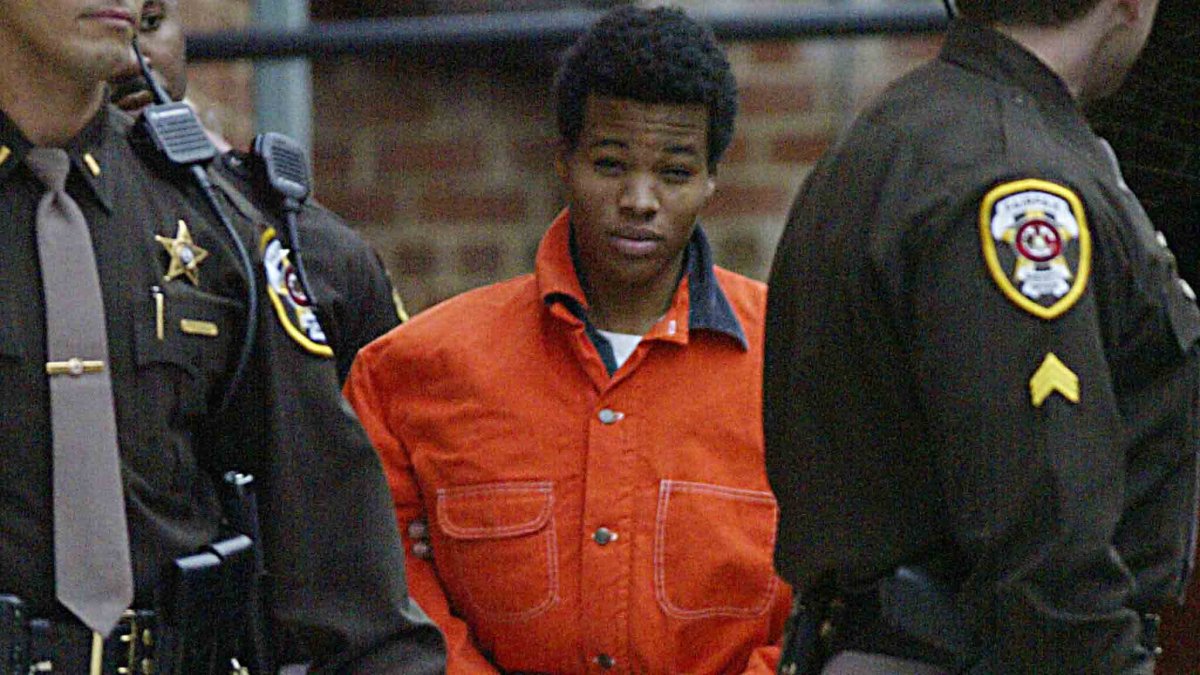
He was 35.
He was on the ground below the steps of his own bus.
The final shooting.
The case summary says so.
The rest is interpretation.
THE WHITE VAN
The attacks began on October 2, 2002, outside a liquor store in Montgomery County, Maryland.
A man was shot while pumping gas.
A man was shot while mowing a lawn.
A woman was shot while sitting on a bench.
A woman was shot while loading a minivan.
Between October 2 and October 24, ten people were killed and three wounded across Maryland, Virginia, and Washington, D.C., according to the case summary.
Police were looking for a white van.
Early witness reports pointed to a white van, according to the investigation summary.
The white van was everywhere in the news, in the briefings, in the minds of the public.
Police stopped white vans by the dozen.
They checked white vans at roadblocks.
They chased white vans on tips.
The specific reason police first focused on the white van is not in the record.
It is not established.
The record shows only that early witness reports led them there.
How close did they come to the wrong vehicle?
How many hours went to a van that was never there?
How many shots were fired while the search went the other way?
That would require evidence.
The white van theory was abandoned after a witness reported seeing a blue Chevrolet Caprice at the scene of the bus driver shooting, according to the investigation summary.
The Caprice was the car.
The Caprice was the one.
The trucker's tip came later, and the arrest came after that.
But for days, the investigation looked at white.
And the record does not say why.
THE ARREST
On October 24, 2002, police arrested Muhammad and Malvo while they slept in the Caprice at a rest stop near Myersville, Maryland.
The arrest came after the trucker's tip.
Inside the car, investigators found a Bushmaster .223-caliber rifle.
Ballistics linked the rifle to several of the shootings.
A laptop in the car contained maps and notes that prosecutors said showed planning.
Whether the laptop notes were actually used in the shootings is not established.
That claim comes from prosecutors.
Malvo later confessed to participating in the shootings.
He said Muhammad was the shooter in most cases.
The two men were found sleeping.
They were not running.
They were not hiding.
They were in a parked car, off an interstate, waiting.
The long hunt ended not with a confrontation but with a knock.
Chief Charles Moose, who had faced the cameras for weeks, did not make the arrest himself.
State police did.

The tip came from a truck driver who heard about the Caprice on the radio.
He saw the car at the rest stop.
He called it in.
The record does not say what the trucker was thinking.
It does not say what he saw first.
It says only that he called.
The arrest was relief.
It was also a beginning.
Ballistics tied the rifle to the shootings, but ballistics does not say who pulled the trigger.
Malvo said Muhammad did.
Muhammad did not say.
The laptop notes were presented as evidence of planning.
They were not presented as evidence of who fired.
The two men were charged together.
They were tried separately.
The case was over.
The questions were not.
AND THE STORY STILL ISN'T OVER
They were tried separately.
The case was over.
The questions were not.
On November 17, 2003, a Virginia jury convicted Muhammad of capital murder.
He was sentenced to death.
The trial outcome records the conviction.
Muhammad was executed by lethal injection on November 10, 2009.
Malvo was tried separately in Virginia.
He was convicted of murdering a woman at a Home Depot in Falls Church on October 14, 2002.
The trial outcome records his sentence of life without parole.
Malvo's life sentence was later upheld on appeal.
The appeal outcome records the decision.
Several victims' families spoke publicly at Muhammad's execution.
Some said they found closure.
Others said the execution did not change their loss.
The family statements were reported at the time.
The full extent of the pair's involvement in earlier shootings in Alabama, Louisiana, and Washington state is not part of the Virginia or Maryland trials.
That is not established by the record.
The case led to changes in how multi-jurisdictional shootings are investigated.
Police departments improved communication across jurisdictions.
The case legacy is documented.
The victims' families remain.
The record does not say what they felt after the last appeal.
It does not say whether the truth of every shooting was ever told.
The convictions stand.
The executions happened.
The loss does not end with a verdict.
Some families spoke of closure.
Some did not.
The full truth of the shootings may never be known.
That would require evidence the trials did not produce.
Advertisement
You may also like
The uncle who found six shot in their beds — and the confession that followed
The door at 112 Ocean Avenue was an ordinary Dutch Colonial, the kind of house a family might call home for a decade. On…
The 15-year-old who vanished after one phone call about a job — his mother's final words
December 11, 1978. A 15-year-old boy told his mother he was going to meet a contractor about a job. Her final words to him…
The 95 million who watched O.J. Simpson's Bronco chase and what they saw
The white Ford Bronco moved at 35 miles an hour, and the whole country watched. On June 17, 1994, an estimated 95 million viewers…
The pilot with 711 hours who flew Buddy Holly's plane into a snowstorm
The pilot’s name was Roger Peterson, and he was twenty-one years old. He had logged about 711 hours of total flight time, according to…
The 8:44 p.m. video that placed Alex Murdaugh near the kennels before Maggie and Paul were found
Paul Murdaugh’s phone held a video recorded at 8:44 p.m. on June 7, 2021. The timestamp sits in the middle of the evening his…
The 19-year-old final victim's family pushed for DNA tests — then got a match they couldn't all accept
The apartment was on Beacon Hill, and inside it, on January 4, 1964, they found Mary Sullivan. She was 19 years old. She was…