The 19-year-old final victim's family pushed for DNA tests — then got a match they couldn't all accept
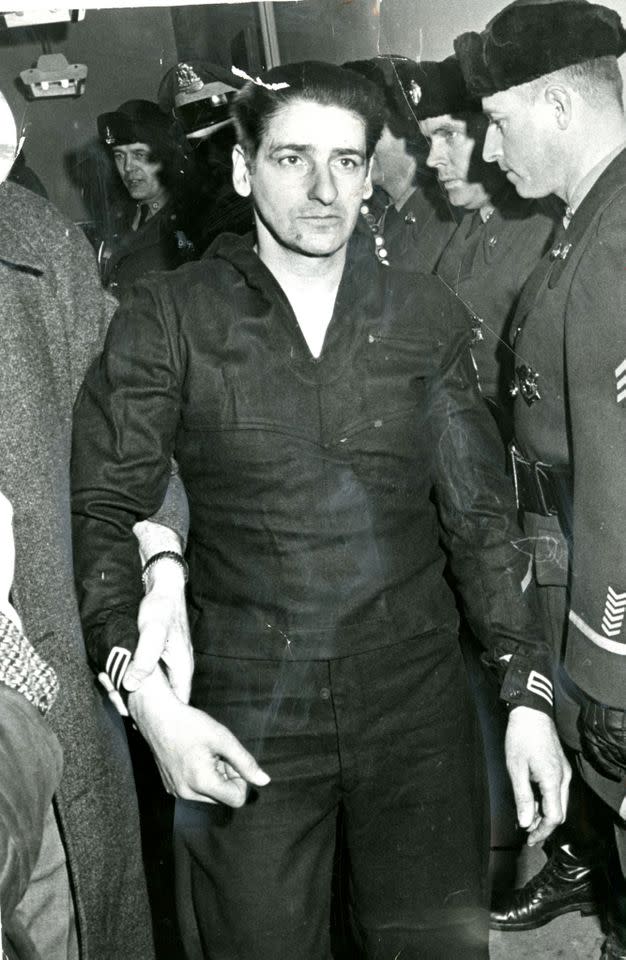
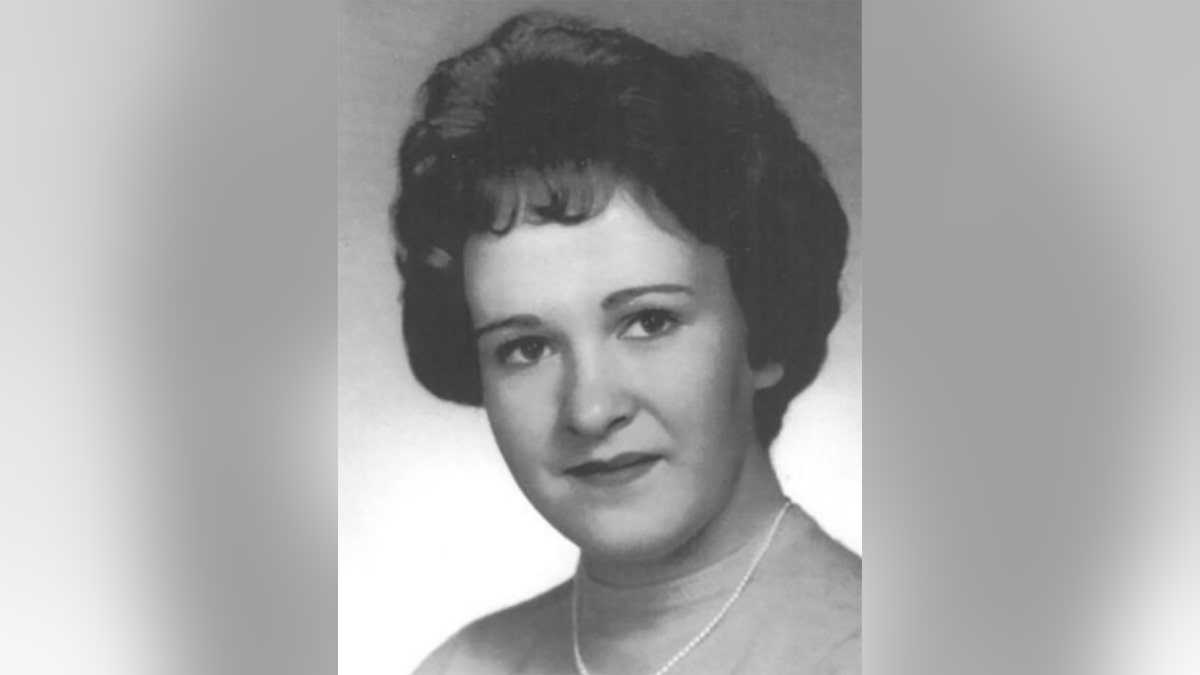
The apartment was on Beacon Hill, and inside it, on January 4, 1964, they found Mary Sullivan.
She was 19 years old. She was the final victim.
For decades, her brother and her nephew, Casey Sherman, carried the question of who killed her.
They pushed for DNA testing of the evidence. They believed it would either confirm Albert DeSalvo as the killer or eliminate him.
In 2013, the testing was done.
Suffolk County District Attorney Daniel Conley announced the results. He said the DNA matched Albert DeSalvo.
It was posthumous confirmation, the district attorney said.
The family had asked for an answer. They got one.
Not one they could all accept.
Some members of the family accepted DeSalvo's guilt. Others remained skeptical.
Some experts questioned the handling of the evidence. No mishandling is established in the record.
The match was announced. The doubts were not resolved by it.
Casey Sherman had written a book about the case. He had become a public advocate for re-examining the evidence.
He wanted the test to settle the question. It settled the question of the match.
It did not settle the question of the handling. That remains a claim, not an established error.
Mary Sullivan was found in her apartment. She was the last of the women.
Her family wanted the science to speak. In 2013, it spoke.
The fracture came after.
THE TERROR YEARS
The first widely attributed victim was found strangled in her apartment on June 14, 1962.
She was 55, a Latvian immigrant.
Between that day and January 4, 1964, thirteen women were killed in the Boston area.
The crimes became known as the work of the Boston Strangler.
Authorities never definitively linked all of them to a single perpetrator.
The exact number attributed to the Strangler varies.
Some counts list 11 victims.
Some counts list 13.
What the record does not establish is a single, confirmed tally.
The victims ranged in age from 19 to 85.
Many were sexually assaulted and strangled, often with their own stockings or clothing.
The last was Mary Sullivan.
She was 19.
She was found in her Beacon Hill apartment.
The crimes terrorized Boston.
Women changed their routines.
Women bought locks.
Women bought guard dogs.
The fear was everywhere.
It was in the apartments where the doors were now bolted.
It was in the streets where women walked quickly, heads down.
It was in the newspapers that printed each new discovery.
The first victim was found in June.
The last was found in January.
Between those dates, the city lived with a question it could not answer.
Who was doing this?
That would require evidence.
The evidence would take decades to arrive.
It would not arrive in time for the women who died.
It would not arrive in time for the families who waited.
Mary Sullivan's family was among them.
They waited.
They pushed.
They wanted the science to speak.
In 2013, it spoke.
The fracture came after.
THE CONFESSION AND THE DOUBT
Albert DeSalvo was a handyman and former Army soldier with a long criminal record for burglary and sexual assault.
In 1965, he confessed in detail to the murders, already in custody on other charges.
The lead investigator took the confession, and DeSalvo supplied specific details about the crime scenes that seemed to corroborate his account.
Some investigators doubted whether one man could have committed all the murders attributed to him.
The doubt never reached a courtroom.
DeSalvo was never tried for the stranglings.
He was tried in 1967 on unrelated charges of armed robbery and sexual offenses, convicted, and sentenced to life in prison.
He was found stabbed to death in his prison cell at Walpole State Prison on November 26, 1973.
His confession was never tested in court.
Whether he committed all the murders is not established.
What the record shows is a detailed statement, taken by an investigator, from a man with a long history of violence against women.
What the record does not show is a jury hearing that statement, a defense challenging it, a verdict.
The family was left with a confession and a question.
They wanted the science to speak.
In 2013, it spoke.
The fracture came after.
THE FAMILY'S QUEST
Mary Sullivan’s brother and her nephew, Casey Sherman, a journalist and author, pushed for DNA testing of the evidence.
They wanted the science to answer a question that had followed the family for decades.
The investigation had been hampered by the lack of forensic technology available at the time.
Police initially struggled to connect the murders, as they occurred in different jurisdictions across the Boston area.
The case was eventually consolidated under the Massachusetts Attorney General's office, which formed a special task force.
Casey Sherman wrote a book about the case and became a public advocate for re-examining the evidence.
He spoke publicly, again and again, about what the family believed.
They believed the testing would either confirm or eliminate Albert DeSalvo as the killer.
Confirm or eliminate.
Those were the two outcomes they could accept.
The specific steps the family took to push for testing are not detailed in the record.
What is documented is the push itself, and the hope behind it.
They wanted the science to speak.
In 2013, it spoke.
The fracture came after.
AND THE STORY STILL ISN'T OVER
In 2013, the Suffolk County District Attorney's office announced that DNA evidence from the Mary Sullivan case matched Albert DeSalvo.
Prosecutors said the match confirmed he was her killer.
It was a documented fact.
It did not bring closure.
No one was ever convicted of the murders.
The case remains officially unsolved in that sense.
The other murders remain without official resolution.
Casey Sherman, Mary Sullivan's nephew, has continued to write and speak about the case.
He pushed for the testing in the first place.
He believed it would either confirm or eliminate DeSalvo as the killer.
The Sullivan family has expressed mixed feelings about the DNA results.
Some members accept DeSalvo's guilt.
Others remain skeptical.
Not because the science was unclear.
But because the handling of the evidence was questioned.
Whether the DNA match resolves doubts about the other murders is not established.
That would require evidence.
The Boston Strangler case remains one of the most famous unsolved serial murder cases in American history.
Famous.
Unsolved.
The 19-year-old final victim's family asked for the test.
They got an answer.
They did not all accept it.
Advertisement
You may also like
The duct tape on Laci Peterson's body that split a jury's theory
The duct tape was on Laci Peterson's body when she was found. That single object carried the weight of two opposing stories. The prosecution…
The open letter from the Richards that urged the government to seek the death penalty
Bill Richard and Denise Richard lost their 8-year-old son, Martin, to the bombs near the finish line. Their daughter, Jane, lost a leg in…
The flight attendant who took the note — and what she said about the man who vanished
She took the note without opening it. He told her to look at it, and she looked. The man at seat 18C called himself…
The uncle who found six shot in their beds — and the confession that followed
The door at 112 Ocean Avenue was an ordinary Dutch Colonial, the kind of house a family might call home for a decade. On…
The 15-year-old who vanished after one phone call about a job — his mother's final words
December 11, 1978. A 15-year-old boy told his mother he was going to meet a contractor about a job. Her final words to him…
The 95 million who watched O.J. Simpson's Bronco chase and what they saw
The white Ford Bronco moved at 35 miles an hour, and the whole country watched. On June 17, 1994, an estimated 95 million viewers…