Two wallets, one gun, and the confessions that put Gary Gilmore on Utah's death row
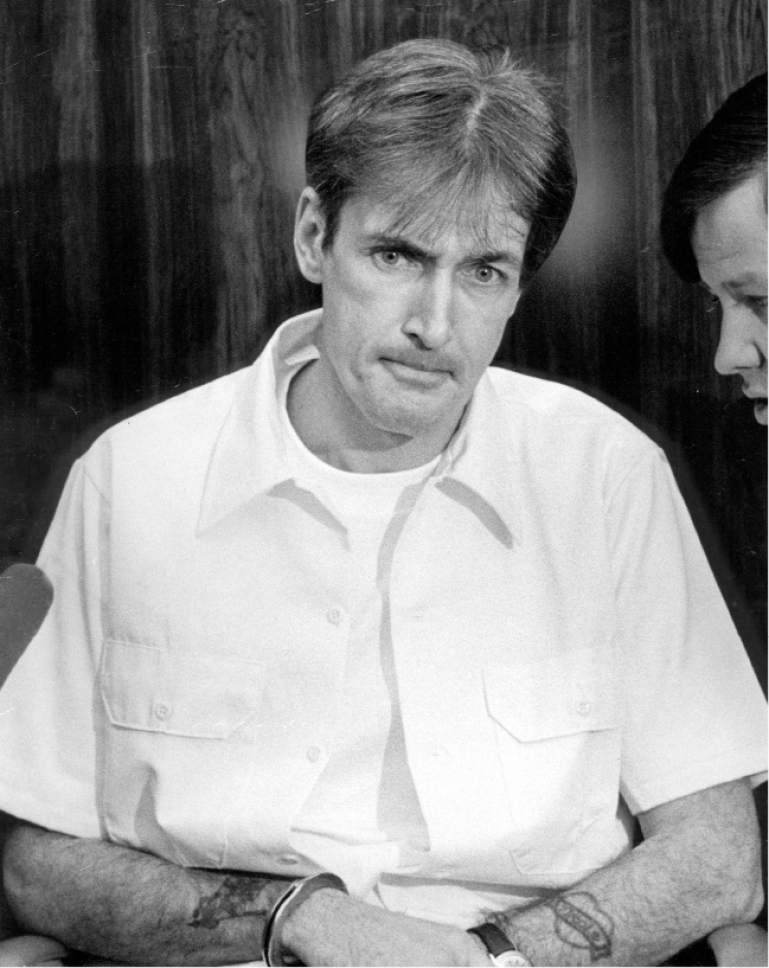
The wallet belonged to the motel manager shot the night before.
Police found it on July 21, 1976, during a traffic stop.
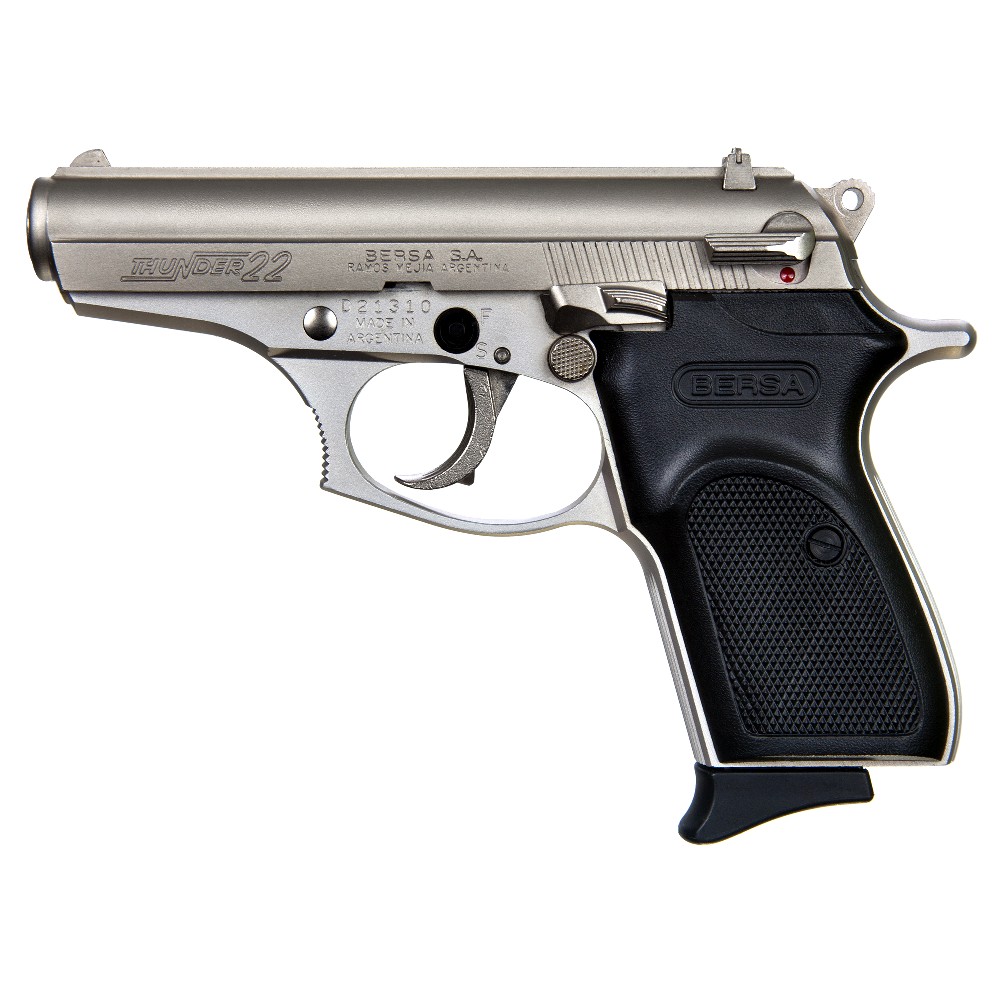
They also found a gun.
The wallet was in Gilmore's possession at the time of his arrest.
The gun was later matched to the bullets in both victims.
Not a confession, not a witness.
A wallet.
That single object first tied Gilmore to the second murder.
How did it get there?
Did he take it during the robbery, or later?
The record does not say.
It is not established how the wallet came to be in his possession.
The source does not state whether he took it from the manager's body or from the motel office.
What the record does establish is the object itself.
A wallet in his pocket.
A gun in the car.
A traffic stop on a Wednesday morning.
The manager was dead by then.
Gilmore was alive, with the manager's property on him.
That is the weight of the thing.
It connects a man to a murder without a single word spoken.
It is physical.
It is silent.
It is enough to ask what else it connects to.
TWO NIGHTS, TWO MURDERS
The first night was July 19, 1976, in Orem, Utah.
A gas station. A robbery. A 25-year-old attendant shot once in the head.
The attendant died at the scene.
The second night was July 20, 1976, in Provo, Utah.
A motel. A robbery. A 24-year-old manager shot twice in the head.
The manager died shortly after.
Two nights. Two fathers. Two gunshot wounds to the head.
Gilmore was a 35-year-old ex-convict who had spent most of his adult life in prison.
The pattern was cold and methodical.
The medical examiner, Dr. L. Grant Israelsen, later testified that both victims died from gunshot wounds to the head, consistent with execution-style killings.
That is what the record shows.
It does not show whether the two robberies were planned together or were separate spontaneous acts.
That question is not established.
What connects them is the evidence.
A wallet from the second victim was found in Gilmore’s possession at his arrest.
A .22-caliber pistol was recovered from him.
The gun was matched to the bullets in both victims.
The wallet was physical. The gun was physical. The pattern was physical.

It is a rhythm of two nearly identical acts, separated by a single day.
It is enough to ask what else it connects to.
THE CONFESSIONS
The traffic stop came on July 21, 1976.
Gilmore was arrested that day, and the wallet was in his possession.
The gun was in his possession too.
A gun recovered from Gilmore was matched to the bullets in both victims.
The medical examiner testified that both victims died from gunshot wounds to the head.
That testimony was consistent with the execution-style killings Gilmore described.
After his arrest, Gilmore confessed to both murders in detail.
He led police to the locations.
He described the shootings.
The record does not specify whether those confessions were recorded, written, or given orally.
The exact form is not in the record.
What is in the record is the detail, and the detail matched the physical evidence.
Investigators also found letters Gilmore had written to his girlfriend.
Those letters were used to establish his state of mind.
They were used to establish his threats against her.
The timeline was tight.
The wallet was physical.
The gun was physical.
The confessions were detailed.
The evidence was largely physical and corroborated by Gilmore’s own statements.
It left little doubt about his guilt.
Not because one piece of evidence stood alone.
But because every piece pointed the same way.
The pattern was physical.
The pattern was also confessed.
That would require evidence.
THE TRIAL AND THE VERDICT
The trial was held in Utah County.
The jury heard the confessions.
They heard the medical examiner testify.
He told them both men died from gunshot wounds to the head.
The gun was matched to the bullets.
The wallet was in Gilmore’s possession.
The evidence was physical, and it was corroborated by his own words.
The jury convicted Gilmore of two counts of first-degree murder.
Then they sentenced him to death.
Gilmore did not want to appeal.
He waived his appeals.
He demanded that the sentence be carried out.
He chose the method himself: death by firing squad.
The record does not state the specific legal arguments made by those who tried to stop the execution.
His mother tried.
Others tried.
A series of legal battles followed.
They did not change the date.
On January 17, 1977, at Utah State Prison, Gilmore was executed by firing squad.
He was the first person executed in the United States after the Supreme Court reinstated the death penalty in 1976.
It was a strange reversal.
A man fighting to be executed, not to live.
The state had to fight to kill him.
The state won.
AND THE STORY STILL ISN'T OVER
The state had to fight to kill him.
The state won.
On January 17, 1977, Gary Gilmore was executed by firing squad at Utah State Prison.
He was the first person executed in the United States after the Supreme Court reinstated the death penalty in 1976.
His case became a landmark in the debate over capital punishment.
His execution was widely covered by the media.
It was a story the country watched.
It is a story that never really closed.
His brother, Mikal Gilmore, later wrote a critically acclaimed book, *Shot in the Heart*, about their family and the case.
The book asked what makes a man.
The book asked what makes a family.
The book asked what makes a killer.
The record does not answer those questions.
His girlfriend, who had attempted suicide during the trial, survived.
She later spoke publicly about her relationship with him.
The case remains a reference point in discussions of the death penalty.
It is cited in debates over the right of a condemned prisoner to waive appeals.
It is a case about evidence.
It is a case about choice.
Gilmore chose to die.
He waived his appeals and demanded that his sentence be carried out.
His mother and others tried to stop the execution.
They failed.
The case is historical.
The source does not state whether any legal challenges are currently pending.
It does not need to.
The questions it raised are still alive.
Is a death sentence a punishment or a right?
Is a confession a fact or a performance?
Is a family's story ever finished?
That would require evidence.
The evidence here is spent.
Two wallets, one gun, and the confessions.
The story still isn't over.
Advertisement
You may also like
A pair of eyeglasses found by a body that would force two teens to confess
The glasses were horn-rimmed, found near the body of 14-year-old Robert "Bobby" Franks in a culvert close to the Indiana border. They were traced…
The 31-day gap between Caylee Anthony's last sighting and the 911 call that started it all
June 16, 2008, was the last day anyone saw Caylee Anthony alive. She was two years old. Her grandmother, Cindy Anthony, called 911 on…
The 90-second cell phone video that shattered Alex Murdaugh's alibi
Paul Murdaugh’s phone recorded for ninety seconds at the dog kennels on June 7, 2021. The video was played at trial in Colleton County.…
The tie left on the plane that never yielded a fingerprint
The tie sat on the seat of a Northwest Orient Airlines Boeing 727 on November 24, 1971. A man calling himself Dan Cooper had…
The confession that shifted — and the voices a jury refused to hear
He walked into a local bar on November 13, 1974, and told the patrons his family had been shot. Police found six bodies in…
Inside the 1980 courtroom where 33 murder counts met a confession
On December 11, 1978, a 15-year-old boy told his mother he was going to meet a contractor about a job. He never came home.…