A white Cadillac, a black Impala — two drive-by shootings, 6 months apart
The light was red.
Tupac Shakur sat in a BMW, stopped at a traffic light on the Las Vegas Strip, the night of September 7, 1996.
He had just left a Mike Tyson boxing match at the MGM Grand.
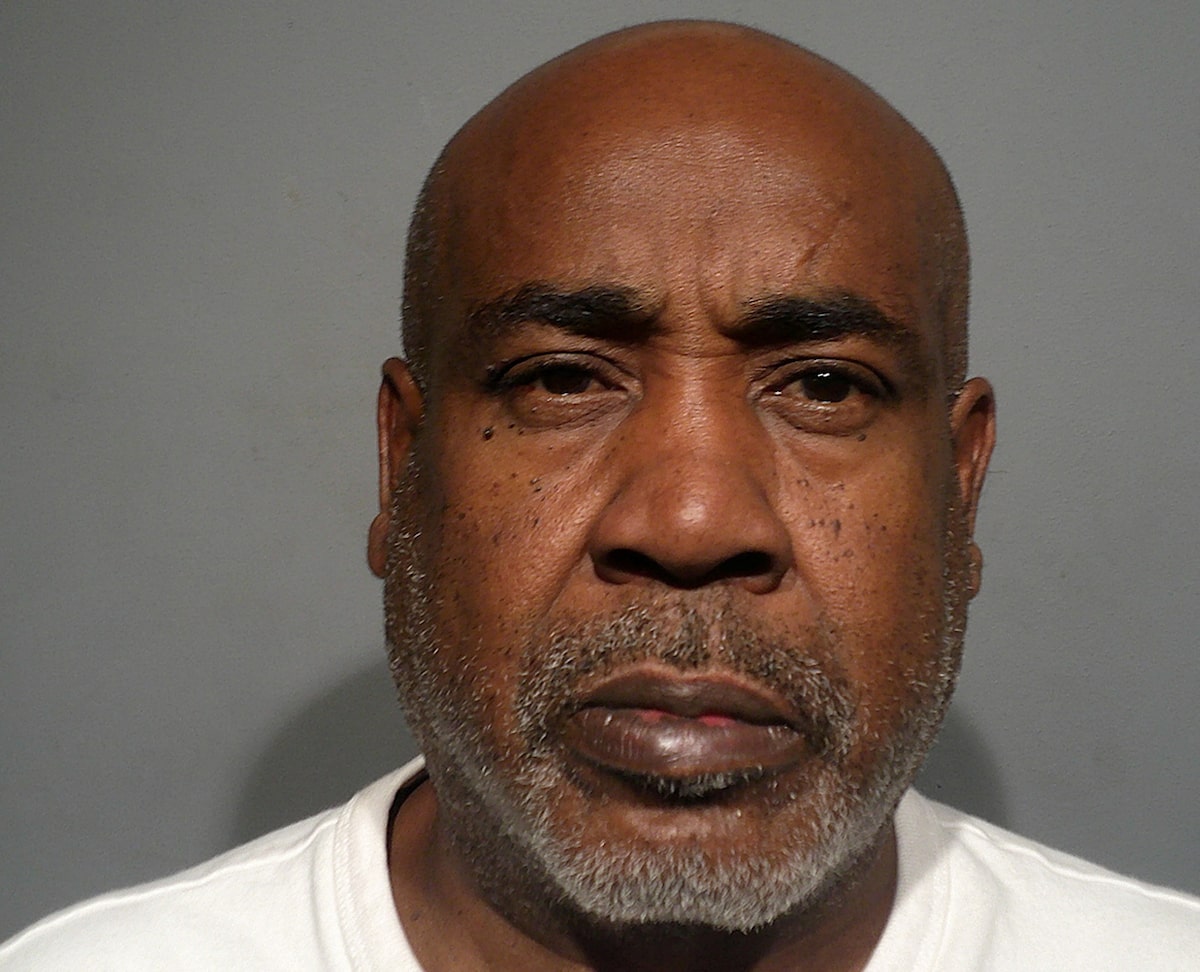
Hours earlier, inside that same casino, Shakur had been in a physical altercation with Orlando Anderson, a member of the Southside Crips.
Anderson was questioned later.
He was never charged.
The shots came from a white Cadillac that pulled up alongside.
Shakur was hit multiple times.
He died six days later, on September 13, at University Medical Center in Las Vegas.
The specific firearms were never recovered.
The identity of the shooter in that white Cadillac is not established.
No one has ever been charged with the murder.
An online theory claims this shooting and another, six months later, are linked by a single conspiracy.
That is a theory.
The record does not establish it.
What the record shows is a traffic light, a white Cadillac, and a rapper shot at close range on a night out.
The witnesses did not cooperate.
The investigation stalled.
The car was never found.
The gun was never found.
The man in the passenger seat fired, according to what little testimony exists.
Who he was remains an open question.
That would require evidence.
SIX DAYS IN LAS VEGAS
Shakur was shot on September 7, 1996, at a traffic light on the Las Vegas Strip.
He died on September 13, 1996, at University Medical Center in Las Vegas.
Six days between the shooting and the death.
The lead detective on the case was Las Vegas Metropolitan Police Department Detective Greg Kading, who later wrote a book about his investigation.
The investigation was hampered by a lack of cooperation from witnesses.
Why witnesses did not cooperate is not detailed in the record.
That would require evidence.
Hours before the shooting, Shakur had been involved in a physical altercation with Orlando Anderson, a member of the Southside Crips, at the MGM Grand.
Anderson was questioned.
Anderson was never charged.
The scene was clear.
The altercation was known.
The shooter fired from a white Cadillac.
The specific firearms were never recovered.
Detective Kading questioned who was in that car.
He questioned who gave the order.
He questioned who knew before it happened.
The record does not answer those questions.
The case stalled.
It stalled despite a known confrontation.
It stalled despite a public shooting on a busy strip.
It stalled because the people who saw it did not talk.
Shakur was on the ground below the traffic light.
The light changed.
The cars moved on.
The case stayed where it was.
THE MUSEUM CURB
Six months later, the cars stopped again.
On March 9, 1997, rapper Christopher Wallace, known as The Notorious B.I.G., was killed in a drive-by shooting outside the Petersen Automotive Museum in Los Angeles.
He had just left a party.
The shooter fired from a black Chevrolet Impala.
The specific firearms were never recovered.
The lead detective on the Wallace case was Los Angeles Police Department Detective Russell Poole.
Poole became convinced of police corruption.
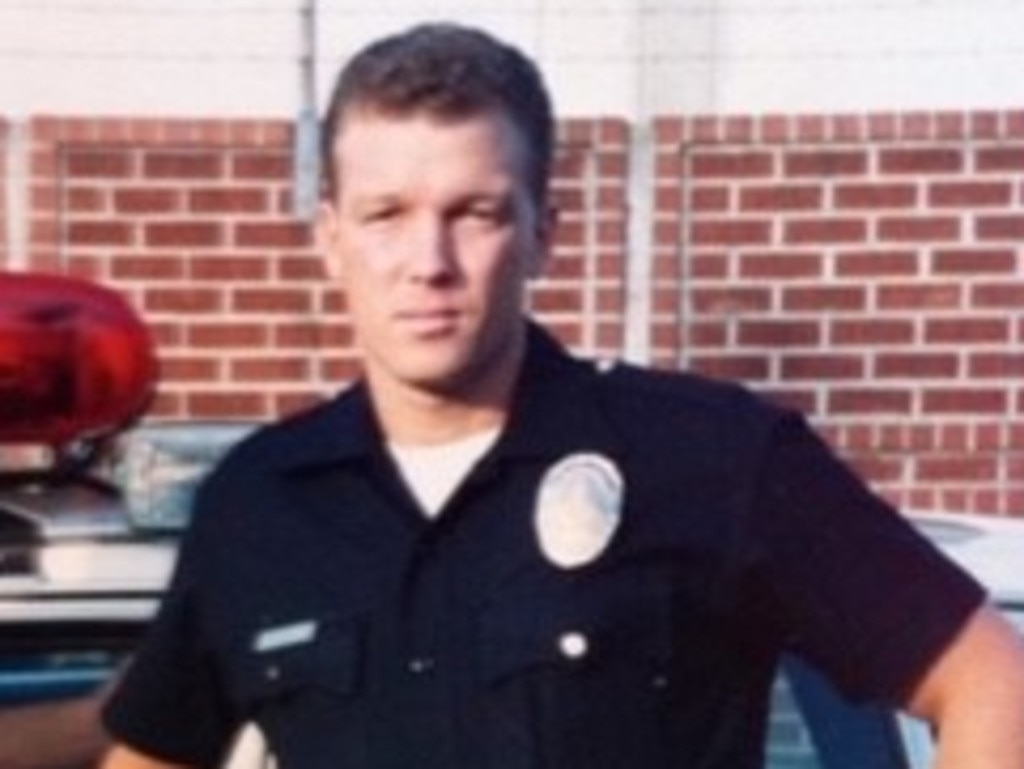
He later left the department.
The Wallace investigation was complicated by the Rampart scandal.
The scandal revealed widespread police corruption, including officers fabricating evidence.
Poole believed the murder was connected to corrupt LAPD officers.
He alleged it was retaliation for Shakur’s murder.
He implicated Marion "Suge" Knight, CEO of Death Row Records.
That was his theory.
Whether the two murders were connected is not established by the record.
No one has ever been charged with either murder.
Poole’s theory was not the evidence.
The evidence was a black Impala, a museum curb, and a body.
The system itself was the suspect.
Poole thought so.
The record does not prove it.
TWO THEORIES, ONE RECORD
Russell Poole built the theory on the Rampart scandal.
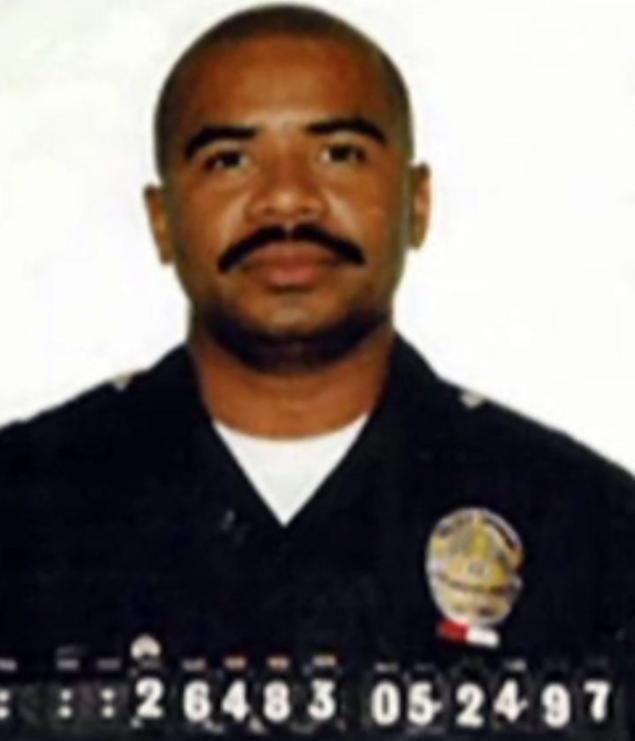
He believed corrupt LAPD officers, including Rafael Perez, killed Wallace in retaliation for Shakur’s murder.
He believed Suge Knight was involved.
Poole left the department over it.
He died in 2015, the theory unresolved.
Greg Kading investigated both cases for Las Vegas Metro.
In 2011, he published a book.
Kading claimed both murders were committed by members of the Southside Crips, acting at the direction of Suge Knight.
He wrote it after interviews with cooperating witnesses.
The witnesses gave accounts that fit a story.
The story has never been tested in court.
No charges were ever filed in either murder.
Not for Shakur.
Not for Wallace.
The only legal proceeding was a civil one.
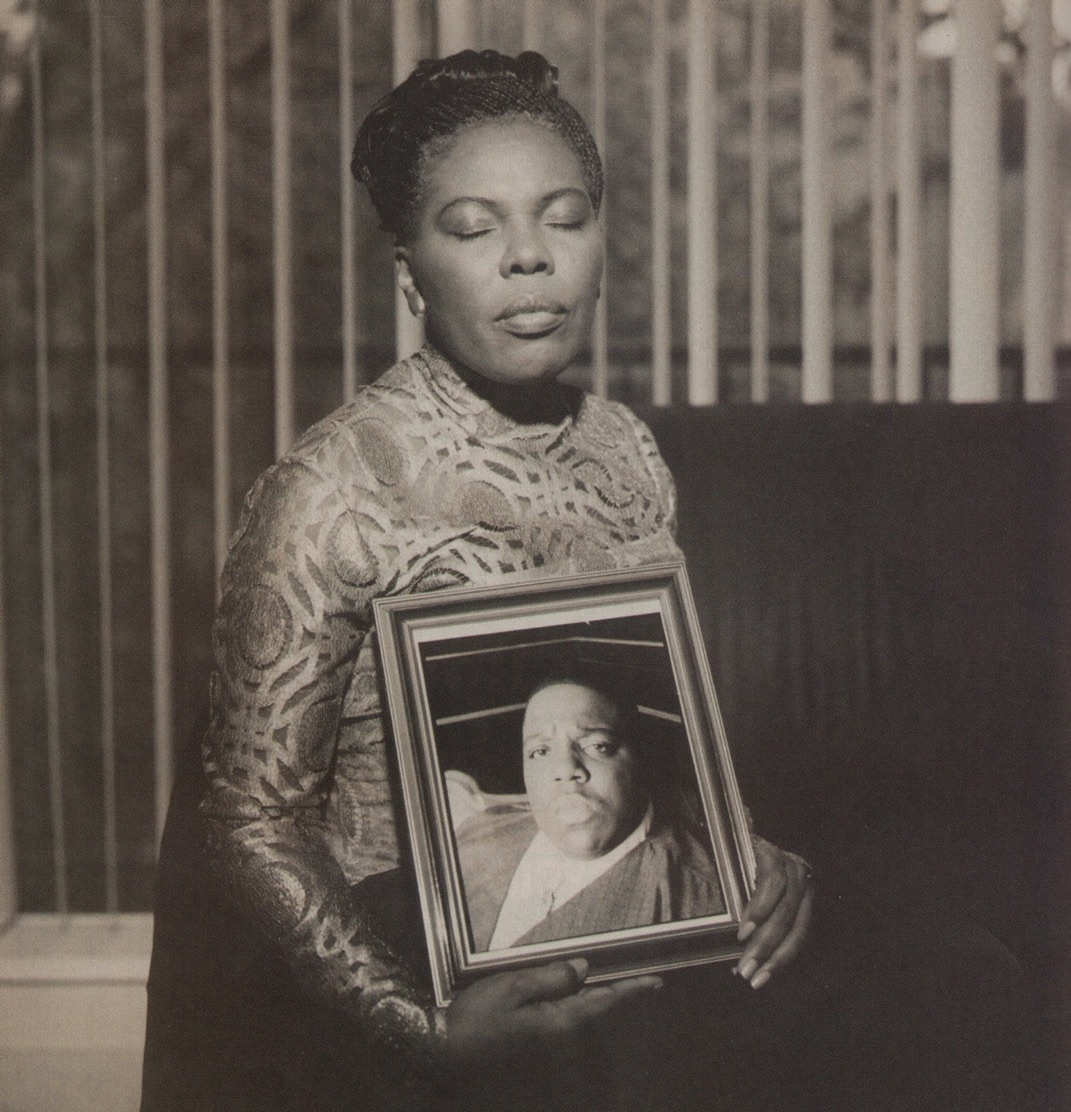
Wallace’s mother sued the City of Los Angeles.
The city settled in 2007, paying $1.1 million.
The settlement did not admit liability.
It did not admit wrongdoing by the LAPD.
It did not name a shooter.
Two theories, one record.
Poole’s theory: police corruption, retaliation, a cover-up.
Kading’s theory: gang members, a record executive, a paid hit.
Both are plausible.
Both are unproven.
Neither has been proven in court.
That would require evidence a jury accepted.
The evidence never got that far.
The settlement was money, not a verdict.
The record holds two drive-bys, six months apart, and no conviction.
That is what the documents show.
Everything else is a theory.
AND THE STORY STILL ISN'T OVER
Both cases remain officially open.
Both cases remain inactive.
In 2023, the Las Vegas Metropolitan Police Department executed a search warrant in connection with the Shakur case.
No arrests have been made.
What the warrant sought, what it found — that is not in the record.
That is not established.
The record shows only that a warrant was executed.
That is what the documents show.
Voletta Wallace died in 2024.
She spent years pushing for answers in her son’s murder.
She pushed in public, in court, in the press.
Russell Poole died in 2015.
He died before his theory was tested, before it was dismissed, before it was revived.
Greg Kading’s book, "Murder Rap," became a documentary film in 2015.
The film told his theory.
The theory remains a theory.
Tupac Shakur’s estate has continued to release posthumous music.
New songs, new albums, new packaging.
The music keeps coming.
The cases do not.
A search warrant in 2023 — does that mean movement?
Does it mean a new witness, a new suspect, a new lead?
Does it mean anything at all?
That would require evidence.
The evidence is not in the record.
So the story sits where it has sat for decades.
Two drive-by shootings, six months apart.
One white Cadillac.
One black Impala.
Two victims.
No convictions.
A settlement paid without admitting liability.
A book, a film, a theory.
A warrant, a silence.
That is the record.
The cases are open.
They are also still.
Advertisement
You may also like
The psychologist's mistress who heard a confession and changed a murder case
The tape recorder was running. Erik Menendez was in a therapy session with Dr. Jerome Oziel, his psychologist, when he confessed to the murders…
The cotton gin fan tied to Emmett Till's neck — and the evidence that didn't convict
The Tallahatchie River gave up its weight on August 31, 1955. Emmett Till's body surfaced with a cotton gin fan tied to his neck…
A Splash in the Chattahoochee — the Fiber Evidence That Tied Wayne Williams to Two Murders
The bridge over the Chattahoochee was quiet that night in May 1981. Police had staked it out after a tip, waiting on the dark…
The slumber party interrupted: Polly Klaas's last night before the intruder came
The party was a sleepover. Three girls, twelve years old, in the bedroom of a house in Petaluma, California. It was October 1, 1993.…
The .40-caliber pistol traced to New Jersey that linked Andrew Cunanan to Versace's killing
A .40-caliber pistol ended Gianni Versace’s life on the steps of his Miami Beach mansion. That same pistol had been stolen from a prior…
The modified Caprice trunk that hid a shooter from sight during the 2002 sniper attacks
The trunk of a white Chevrolet Caprice opened like a door to nothing. A shooter could lie flat inside, fire through a hole, and…