The psychologist's mistress who heard a confession and changed a murder case
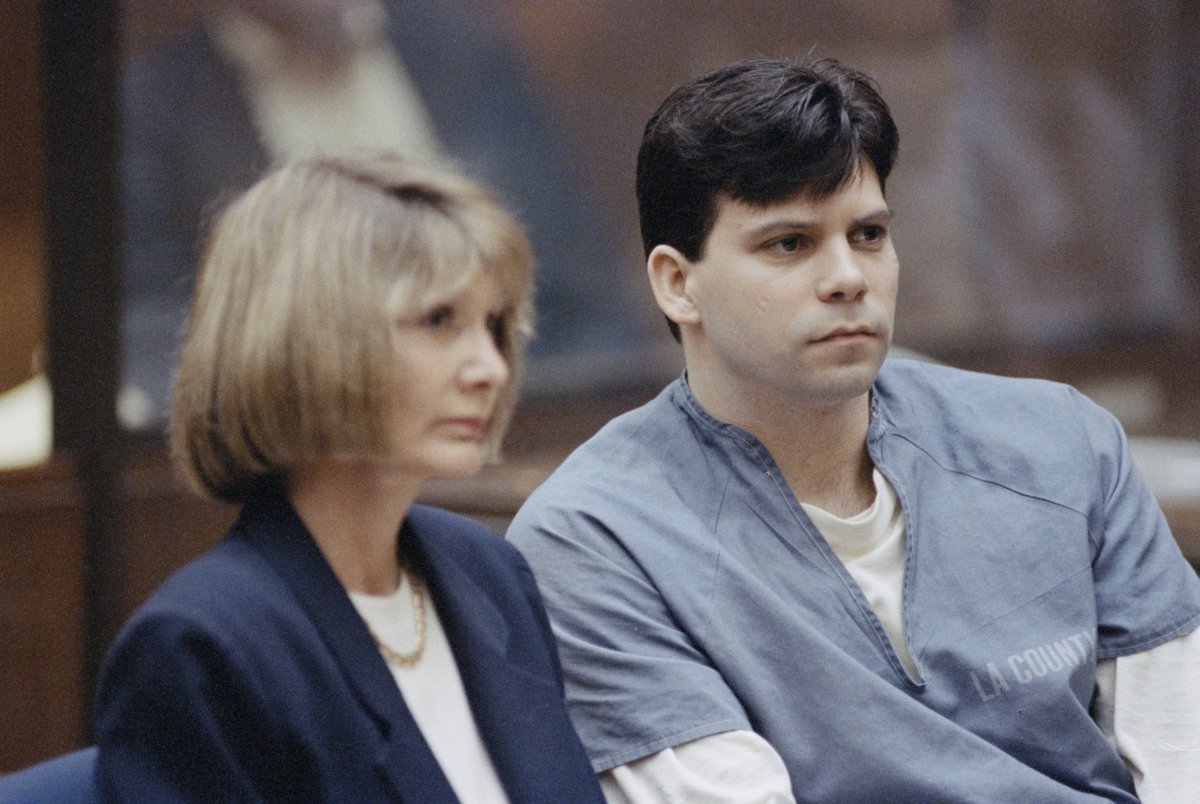
The tape recorder was running.
Erik Menendez was in a therapy session with Dr. Jerome Oziel, his psychologist, when he confessed to the murders of his parents.
Oziel recorded the confession.
He was also having an affair with a woman named Judalon Smyth.
After a falling out with Oziel, Smyth went to the police.
She told them what she had heard.
The brothers had not confessed to anyone before that.
They had told police a different story entirely.
Lyle and Erik Menendez said they believed the killings were a mob hit.
Police initially accepted that claim.
It fit the profile of the victims — Jose Menendez was a wealthy entertainment executive who had worked for RCA Records and later founded his own production company.
A mob hit seemed plausible.
It was not.
The confession, relayed through Smyth, led to the brothers' arrest in March 1990.
The exact content of the confession is not detailed in the record.
Only that Erik confessed, and that Oziel recorded it.
That is the hinge of the case.
A private conversation, overheard and repeated, flipped the official story.
Before the tape, the brothers were grieving sons.
After it, they were the accused.
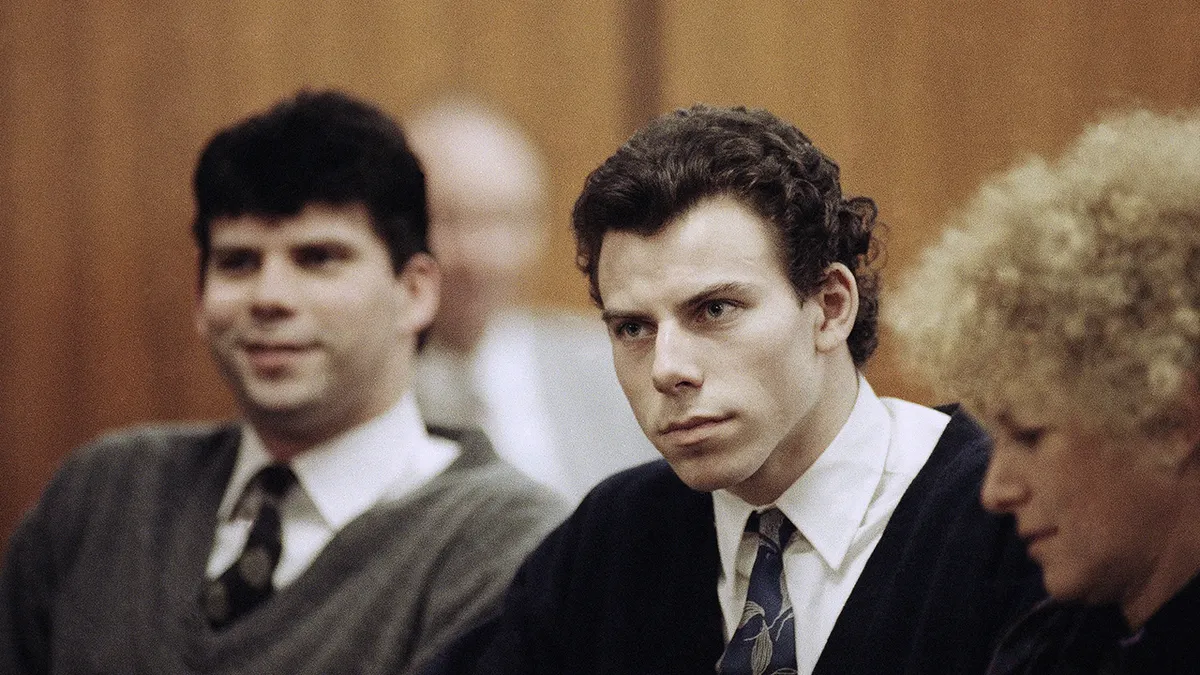
AUGUST 20, 1989 — THE DEN
On August 20, 1989, Jose and Kitty Menendez were shot and killed in the den of their Beverly Hills mansion.
They were watching television when two Mossberg 12-gauge shotguns were fired.
Jose was shot multiple times, including in the back of the head.
Kitty was shot multiple times too.
Their sons, Lyle, 21, and Erik, 18, called 911.
They claimed they had returned home to find their parents dead.
What exactly the brothers said in that 911 call is not in the record.
The brothers told police they believed the killings were a mob hit.
Police initially accepted that story.
It was a plausible story.
Jose Menendez was a wealthy entertainment executive with business dealings that could make enemies.
It was also a story that would not survive contact with the evidence.
The brothers went on a spending spree after the murders.
They bought luxury cars.
They bought watches.
They bought a restaurant.
Prosecutors would later argue this spending showed greed and a desire to inherit the father's estimated $14 million estate.
The defense would argue the guns were bought for self-protection.
The purchases happened days before the murders.

The spending happened days after.
A grieving 911 call became a double-murder case because of what came next: a confession, a mistress, and a tape.
That would take months.
For now, the brothers were grieving sons.
For now, police were looking for outsiders.
THE SHOTGUNS AND THE SPENDING
Days before the killings, the brothers bought two Mossberg 12-gauge shotguns.
The prosecution argued the purchase showed premeditation.
The defense argued the guns were bought for self-protection.
That is the whole argument in its simplest form.
Planning versus fear.
The record does not establish the brothers' stated reason for buying the guns beyond the defense's self-protection claim.
It is a claim made in court.
It is not a fact the record settles.
After the murders, the brothers went on a spending spree.
Luxury cars.
Watches.
A restaurant.
The prosecution pointed to the purchases as evidence of greed.
The motive, prosecutors argued, was inheritance.

Their father's estate was estimated at $14 million.
The defense countered with a different reading of the same weeks.
The brothers had been sexually abused by their father, the defense argued.
The killings were an act of desperation.
Not a plan.
Not a payoff.
Fear, again.
Two readings of the same facts.
One jury would hear the guns and the cars and see calculation.
Another jury would hear the abuse and see panic.
The shotguns were bought days before.
The spending came after.
The timeline is not in dispute.
The meaning of the timeline is.
That would take months to unravel.
TWO TRIALS, TWO JURIES
The first trial began in July 1993.
It ended in January 1994 with two hung juries, each deadlocked on different charges for each brother.
The specific charges on which each jury deadlocked are not detailed in the record.
A second trial began in August 1995, this time with a single jury for both brothers.
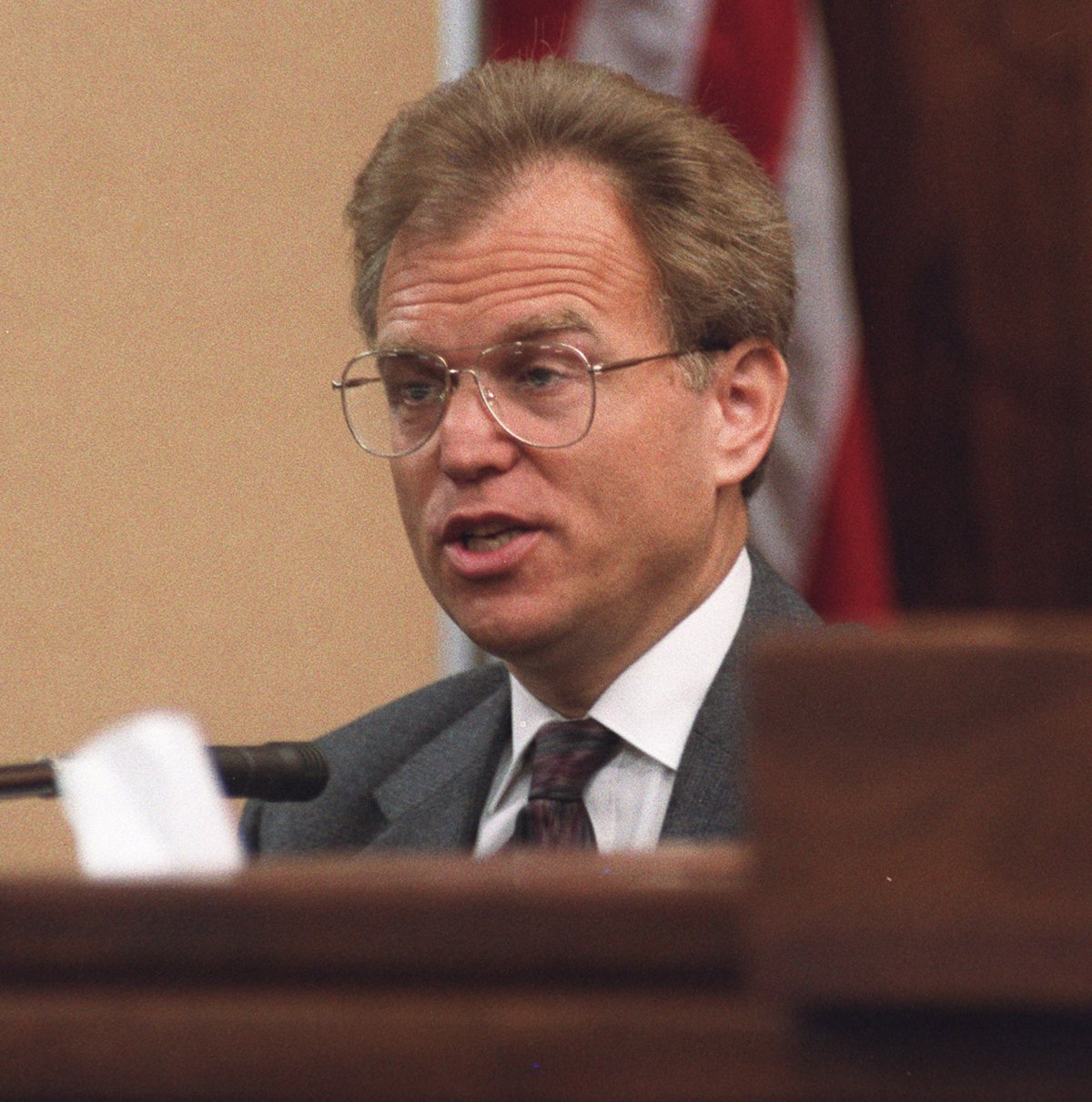
Judge Stanley Weisberg ruled that much of the abuse evidence was inadmissible.
The defense was weakened.
The brothers' account of years of abuse, the story that had carried the first trial, was largely kept from the second jury.
In March 1996, both brothers were convicted of first-degree murder with special circumstances.
The conviction made them eligible for the death penalty.
In July 1996, the jury recommended life in prison without the possibility of parole instead of death.
The brothers were sentenced to life without parole.
Their appeals argued the second trial was unfair.
The exclusion of the abuse evidence, they said, had shaped the verdict.
The California Supreme Court rejected those appeals in 2005.
The conviction stood.
The sentence stood.
What remains is the question Weisberg's ruling left open.
What the jury did not hear.
What the record does not resolve.
That would require evidence the courts have already weighed.
AND THE STORY STILL ISN'T OVER
The 2018 documentary brought the brothers back into the public conversation.
In 2023, a former member of the boy band Menudo alleged that Jose Menendez had sexually abused him in the 1980s.
It is an allegation.

It is not a fact established by the record.
That allegation, along with a petition from the brothers' extended family, led the Los Angeles County District Attorney's office to open a review.
In 2024, District Attorney George Gascón announced his office was examining new evidence.
That evidence included a letter Erik wrote to a cousin.
His attorneys argued the letter corroborated the abuse claims.
The letter exists.
What it proves is not established.
As of late 2024, the case remained under review.
No decision had been made.
No recommendation for resentencing.
No recommendation for a new trial.
Nothing was resolved.
Lyle and Erik Menendez remain incarcerated at separate California state prisons.
They are serving life sentences without the possibility of parole.
The conviction stands.
The confession Judalon Smyth heard still anchors the record.
The story is not closed in the public mind.
It is open.
It is pending.
Whether the 2023 allegation will change anything is unknown.
Whether the 2024 letter will change anything is unknown.
That would require evidence the courts have not yet weighed.
Advertisement
You may also like
The Avia shoe print that tied a serial killer to his final crime scene
The sole of an Avia athletic shoe left a pattern in the dark. That pattern turned up at more than one crime scene linked…
The floppy disk clue that ended a 30-year hunt for BTK
For more than a decade, the killer had been silent. Then, in 2004, he resumed sending letters and packages to media outlets, according to…
The 1888 letter signed 'Jack the Ripper' that police never proved genuine
A letter arrived at a news agency in late September 1888. It was signed with a name no one had seen before: "Jack the…
Two college students, one gas station, and the gunman who made them kneel
The night of July 19, 1976, in Orem, Utah, began like any other shift at a gas station. Two young men were working the…
The confession that broke the Hillside Strangler case — but one victim's body was found after the trial began
October 18, 1977. A body on a hillside in Los Angeles. She was young. She had been strangled. The medical examiner would confirm the…
The cellmate tip that cracked the Clutter family murders open
Floyd Wells was a prisoner. In late 1959, he told authorities that his former cellmate, Richard Hickock, had described planning a robbery of the…