The white van tip that sent D.C. sniper detectives down the wrong road
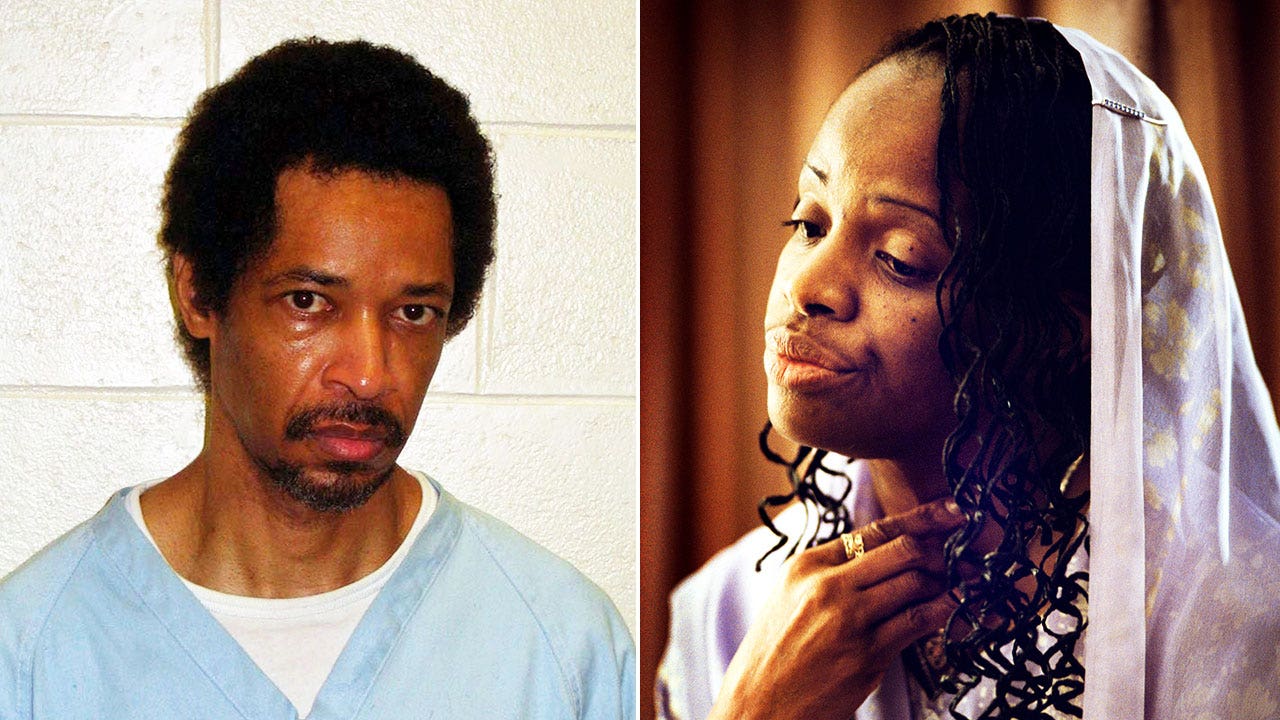
It was an ordinary afternoon in Falls Church, Virginia.
A witness at a shooting said they saw a white van leaving the scene.
That single report sent the hunt for the D.C. sniper down a road that led nowhere.
Police focused on a white box truck or van for days.
The actual vehicle was a blue Chevrolet Caprice.
The source states this plainly: the white van was a mistake, not a fact.
The shootings themselves seemed to follow no pattern.
Victims were shot while mowing a lawn.
While pumping gas.
While loading a minivan.
While sitting on a bench.
These were not targets. They were people in the middle of ordinary acts.
The randomness terrified the region, and the public poured in thousands of tips.
But out of all those calls, this one witness report became a central lead.
The source calls it "a major turning point."
The witness's identity is not in the record.
The exact wording of their statement is not in the record.
What is documented is the effect: an entire manhunt pivoted on a glimpse.
Did the witness see a white van that was never there?
Did police hear what they wanted to hear?
Or did they simply commit to the first credible-sounding detail?
That would require evidence.
What the record does show is a vehicle that did not match.
A blue 1990 Chevrolet Caprice.
Two men sleeping inside at a rest stop off Interstate 70.
A Bushmaster .223 rifle in the car.
But that came later.
For days, the white van was the theory.
It was a documented lead.
It was also wrong.
OCTOBER 2–22: TEN KILLINGS
October 2, 2002, in Wheaton, Maryland.
A man was shot and killed outside a grocery store.
It was the first of ten killings.
Between October 2 and October 24, shootings struck Maryland, Virginia, and Washington, D.C.
Ten people were killed.
Three others were wounded.
The first killing was outside that grocery store in Wheaton, according to the source.
The final shooting came on October 22, on a bus in Aspen Hill, Maryland.
The bus driver was killed.
The attacks appeared random, the source records.
Victims were shot while mowing a lawn, pumping gas, loading a minivan, sitting on a bench.
The region was terrorized.
Schools closed.
People zigzagged in parking lots.
The investigation was initially hampered by a lack of clear leads, the source states.
The shootings seemed to have no pattern.
The victims' names are in the case file.
Some of those names could not be found in news coverage.
This piece refers to victims by role where needed.
The record does not establish every name with certainty.
What is established is the span: October 2 to October 24, 2002.
Ten killings.
Three wounded.
A bus driver last.
That is the timeline the record supports.
THE TAROT CARD AND THE CALL
A tarot card was left at one scene, with a message written on it.
The police read the card and its message as a taunt, a clue left deliberately.
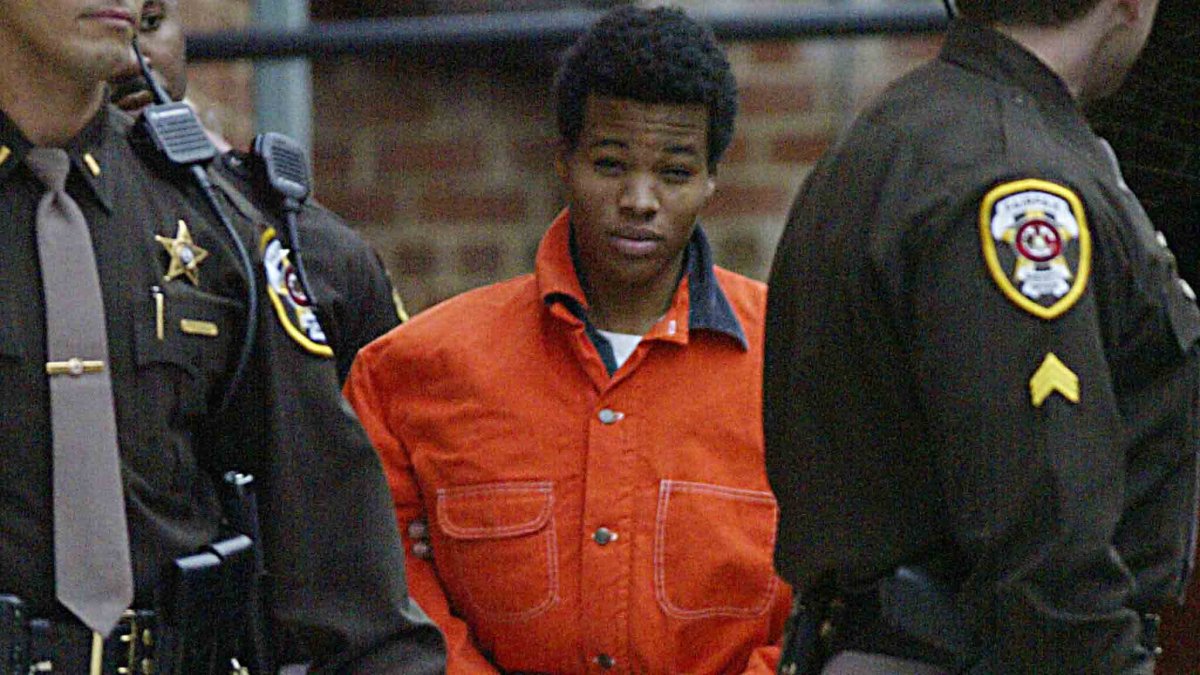
Another turning point was a phone call from the suspects claiming responsibility.
The call included a taunting message that led police to a specific location.
Chief Charles Moose of the Montgomery County Police Department became the public face of the investigation — source.
Chief Moose stood at podiums and read statements to the cameras, his voice steady and careful.
The investigation received thousands of tips during this period.
The phone call was a shift.
It was the moment the killers spoke, the moment the hunt became a conversation.
But the leads were still ambiguous.
The exact content of the tarot card message is not detailed in the source.
The specific location the phone call led to is also not detailed in the source.
The record does not establish what the card said.
It does not establish where the call pointed.
What the record shows is the shift: from passive waiting to active pursuit.
The killers were no longer shadows.
They were voices on a line, a card on the ground.
Chief Moose read their words aloud to the region.
He did not know yet that the van was a mistake.
He did not know the car was blue.
THE BLUE CAPRICE AT THE REST STOP
The tip came from a rest stop on Interstate 70, near Myersville, Maryland.
A tipster reported seeing a suspicious vehicle there.
Police found the blue Chevrolet Caprice with two men sleeping inside.
The tipster's identity is not in the record.
The exact time of the arrest is not specified.
The men were John Allen Muhammad and Lee Boyd Malvo, arrested together on October 24.
Inside the car, investigators found a Bushmaster .223 rifle.
Ballistics later matched that rifle to bullet fragments from multiple shootings.
The rifle matched. The car did not match the van.
For weeks, the public looked for white.
The real vehicle was blue.
Chief Charles Moose was widely praised for his handling of the case.
There were criticisms too, of early missteps.
The white van focus was one of them.
It was a documented lead, reported by a witness at a Falls Church shooting.

It was also a mistake.
Not because the witness lied. Because the record shows the actual vehicle was a blue Caprice.
The van theory was a theory, and it proved incorrect.
The arrest came quietly, at a rest stop, while the region still braced for another shot.
Schools had closed. People zigzagged in parking lots.
The suspects were asleep.
They were not in a van. They were in a sedan.
The sudden resolution came after weeks of chaos.
It was the opposite of the tip that sent detectives down the wrong road.
What the record establishes: the tip, the arrest, the rifle.
What it does not establish: who the tipster was, or the hour they called.
The case was solved on October 24.
The car was blue.
AND THE STORY STILL ISN'T OVER
John Allen Muhammad was tried first, in Prince William County, Virginia, on charges of capital murder for the killing of Dean Harold Meyers.
He was convicted in November 2003 and sentenced to death.
He was executed by lethal injection on November 10, 2009.
Lee Boyd Malvo was tried separately, in Chesapeake, Virginia, for the killing of Linda Franklin.
He was convicted and sentenced to life without parole.
In 2017, Malvo was resentenced to life without parole after a Supreme Court ruling on juvenile sentencing.
He remains in prison.
The victims' families have continued to speak publicly.
Some have advocated for changes in how such cases are investigated.
The white van was a documented lead.
It was not the vehicle.
The real vehicle was a blue Chevrolet Caprice.
That is what the record establishes.
What the record does not establish: any ongoing legal proceedings beyond Malvo's resentencing.
That would require evidence.
The arrests came on October 24.
The car was blue.
The tip about the van was a mistake.
The case was still solved.
The families are still speaking.
The story is still not over.
Advertisement
You may also like
The bloodstained boots that cracked a four-murder case — but only after a tip from a cellmate
A pair of bloodstained boots. They belonged to Richard Hickock, and they were found in the men’s possession. Alongside them was a radio stolen…
The Tylenol bottle that doctors first called a stroke — before cyanide changed everything
The first victim was 12 years old, taking Extra-Strength Tylenol for a cold in Elk Grove Village. The date was September 29, 1982. The…
The cotton gin fan tied to Emmett Till's neck — and the sheriff who said the body wasn't his
The river gave it back on August 31, 1955. A cotton gin fan was tied to the neck with barbed wire. The body was…
The bloody watch in the yard that didn't fit the intruder story
The watch was in the grass of the Sheppard yard, its face crusted with blood. It belonged to Sam Sheppard, the husband of the…
The wanted poster at a Miami hotel that no one looked at for a month
The wanted poster sat at the front desk of the Normandy Plaza hotel in Miami Beach for over a month. It showed Andrew Cunanan,…
The confession that never reached a courtroom — and the DNA match that came 49 years too late
In 1965, Albert DeSalvo was already in custody for other crimes when he confessed to being the Boston Strangler. His attorney, F. Lee Bailey,…