Who was Hae Min Lee? A track star's last day and the family still seeking answers
The bell rang at Woodlawn High School on January 13, 1999, and Hae Min Lee walked out of class.
She was 18, a senior, and a member of the track team.
She was, by the account of those who knew her, a popular student.
She was last seen leaving school that afternoon.
Her family reported her missing.
She did not come home that day, or the next, or the day after that.
Her body was found on February 9, 1999, in Leakin Park, a wooded area in Baltimore.
The cause of death was manual strangulation.
No weapon was used.
What Hae Min Lee did or said in her final hours is not in the record.
The record holds only the discovery.
It holds the date she left school.
It holds the date her body was found.
It holds the cause of death.
What she said to friends that morning, what she planned for the evening, what she thought as the day went on — none of that is in the record.
The case would later be defined by a podcast's questions.
The questions were about someone else.
But before the questions, before the trials, before the legal rulings, there was a day in January.
An ordinary school day.
A bright, cold afternoon in Baltimore County.
A girl who ran track, who had a family, who was 18 years old.
She was on the ground in Leakin Park.
She was there for weeks before anyone found her.
That is what the record shows.
THE SEARCH AND THE TIP
The search began with a missing person report.
Hae Min Lee's family called the police after she did not come home.
The case was initially treated as a missing person investigation.
Police found her car in a parking lot in Baltimore, but no immediate sign of her.
The car was there, and she was not.
That is what the record shows.
The family waited.
Days passed, then weeks.
The case stalled.
Then, on February 9, 1999, her body was found in Leakin Park.
The medical examiner determined she had been strangled.
Manual strangulation, no weapon used.
The search was over, but the questions had only begun.
The investigation then focused on Adnan Syed after an anonymous phone call suggested he was involved.
The identity of the anonymous caller is not in the record.
Not established.
The tip came, and the focus shifted.
Hae Min Lee's family was left with what remained: a body, a car, a timeline of weeks lost.
They reported her missing.
They waited.
They were told it was a missing person case.
It was not.
It was something worse, and the record holds only the evidence, not the theories.
The caller's voice is absent from the file.
The family's frustration is not a legal fact, but it is part of the story.
THE WITNESS AND THE RECORDS
Police interviewed Jay Wilds, an acquaintance who gave a detailed account of Syed showing him the body and enlisting his help to bury it.
Cell phone records were used to place Syed near Leakin Park at the time of the burial.
The defense argued that the cell tower evidence was unreliable.
The defense argued that Wilds's testimony shifted over time.
Whether Wilds's account was consistent across all interviews is not established in the record.
The record holds a story told more than once.
It holds the differences between those tellings.
It does not hold the truth of either version.
The cell records placed a phone, not a person, near the park.
They placed it at a time, not an act.
The tower data could not say who held the phone.
That would require evidence the record does not supply.
The investigation was later criticized for not thoroughly exploring other suspects or alibis.
Other names surface in the case file.
What they knew, what they did, what they said — none of that was pursued, according to the criticism.
The anonymous tip that led police to Syed remains anonymous.
The caller's voice is absent from the file.
The family's frustration is not a legal fact, but it is part of the story.
A detailed story was told.
A shifting story was told.
The jury heard the first version.
The record preserves the gaps between them.
THE TRIAL AND THE VERDICT
The trial opened in 2000 in Baltimore County Circuit Court.
Adnan Syed stood charged with first-degree murder, kidnapping, robbery, and false imprisonment.
The prosecution built its case on Jay Wilds's testimony and the cell phone records.
Wilds told the jury that Syed showed him Lee's body and asked for help burying it.
The cell records were used to place Syed near Leakin Park at the time of the burial.
The defense argued that Syed had no motive.

The defense argued that Wilds was the more likely culprit.
The defense argued that Wilds's story shifted over time.
The jury heard the prosecution's version.
The jury heard the defense's version.
The record preserves both.
Syed was convicted of first-degree murder.
He was sentenced to life in prison plus 30 years.
The sentence was a single afternoon of testimony and records, fixed into decades.
His conviction was upheld on direct appeal.
The appeals affirmed what the trial had decided.
What the jury weighed in 2000 would later be questioned by a podcast, by lawyers, by judges.
Whether the trial judge's rulings were fair is not assessed in the record.
The record holds the testimony.
The record holds the phone logs.
The record holds the verdict.
It does not hold the answer to whether that verdict was right.
That question would take more than two decades to reach a courtroom again.
AND THE STORY STILL ISN'T OVER
In 2016, a judge granted Syed a new trial, ruling that his original lawyer had provided ineffective assistance.
That decision was later reversed by a higher court.
The record does not detail what the new trial was based on beyond that finding.
In 2022, after a review by the Baltimore City State’s Attorney’s Office, a judge vacated Syed’s conviction.
The judge cited new evidence and constitutional violations.
What that “new evidence” specifically was is not detailed in the record.
The state later dropped all charges.
Syed was released from prison in October 2022.
He has maintained his innocence throughout.
Young Lee, Hae Min Lee’s brother, opposed the release.
He spoke publicly about his frustration with the legal process.
The family wanted the conviction to stand.
They wanted answers.
They still want answers.
The case remains a subject of public debate.
Questions about the reliability of the evidence persist.
Questions about the fairness of the original trial persist.
Questions about what happened to Hae Min Lee persist.
The record holds the verdict.
It holds the reversal.
It does not hold closure for the family.
That would require evidence.
That would require a final word.
Neither has come.
Advertisement
You may also like
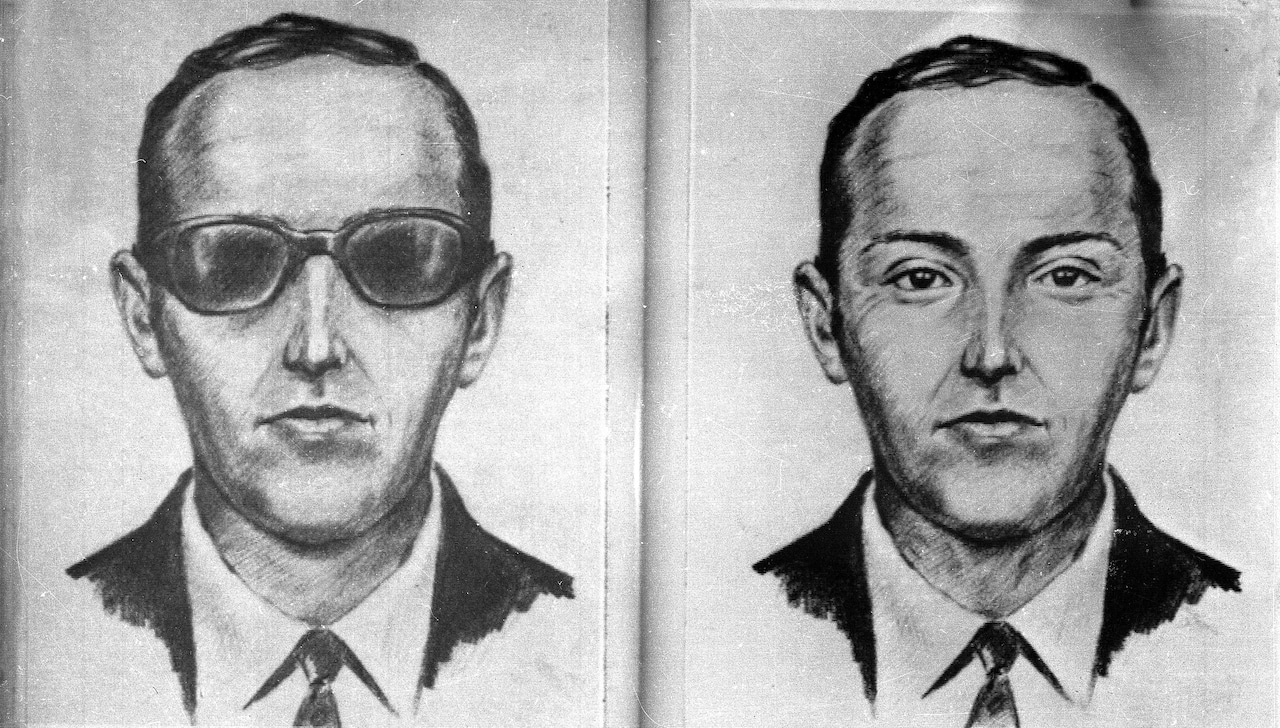
The flight attendant who took the note — and what she said about the man who vanished
She took the note without opening it. He told her to look at it, and she looked. The man at seat 18C called himself…
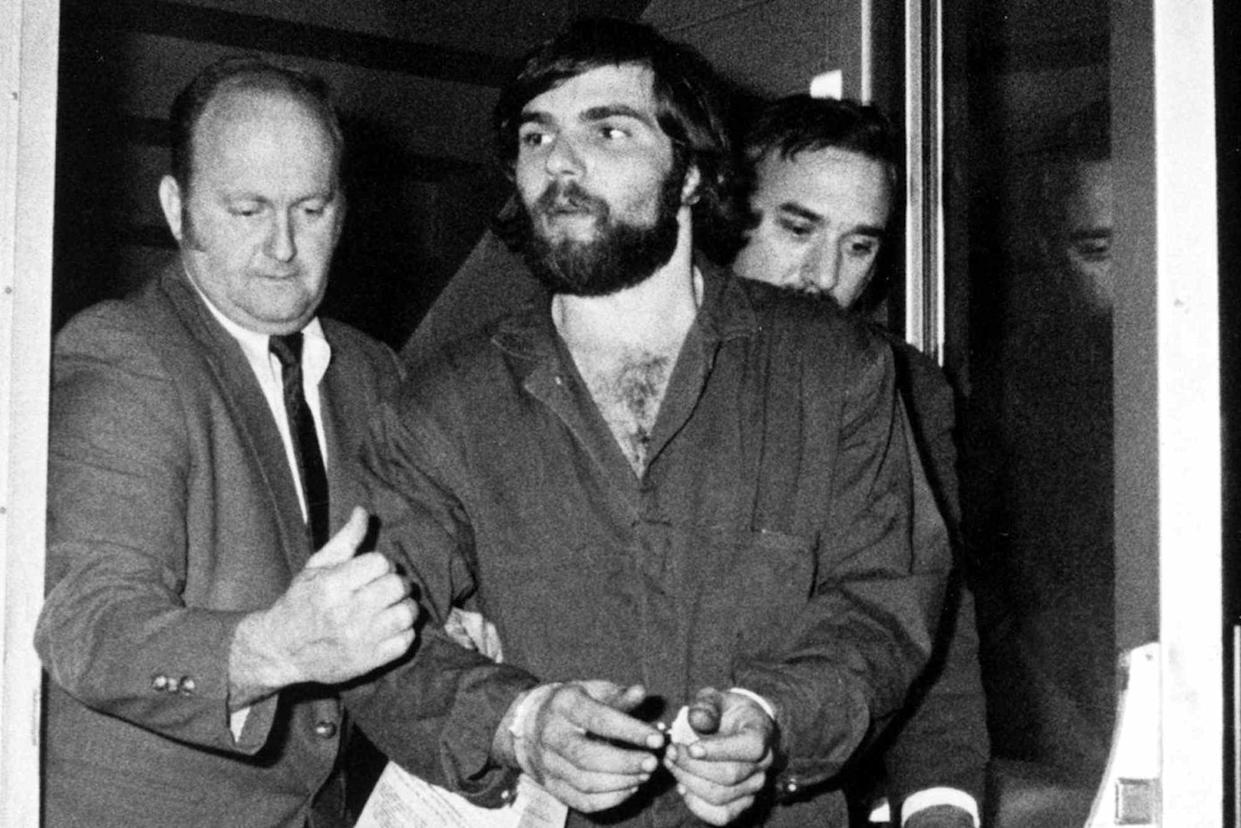
The uncle who found six shot in their beds — and the confession that followed
The door at 112 Ocean Avenue was an ordinary Dutch Colonial, the kind of house a family might call home for a decade. On…
The 15-year-old who vanished after one phone call about a job — his mother's final words
December 11, 1978. A 15-year-old boy told his mother he was going to meet a contractor about a job. Her final words to him…
The 95 million who watched O.J. Simpson's Bronco chase and what they saw
The white Ford Bronco moved at 35 miles an hour, and the whole country watched. On June 17, 1994, an estimated 95 million viewers…
The pilot with 711 hours who flew Buddy Holly's plane into a snowstorm
The pilot’s name was Roger Peterson, and he was twenty-one years old. He had logged about 711 hours of total flight time, according to…
The 8:44 p.m. video that placed Alex Murdaugh near the kennels before Maggie and Paul were found
Paul Murdaugh’s phone held a video recorded at 8:44 p.m. on June 7, 2021. The timestamp sits in the middle of the evening his…