The witness who changed his story four times before Adnan Syed's murder trial
He told police he helped bury Hae Min Lee.
He told them Adnan Syed showed him the body.
Jay Wilds was the state's key witness, a classmate who said Syed enlisted his help.
His account changed multiple times during police interviews.
The source notes four versions emerged before trial.
What exactly changed in each version?
What was added, what was dropped, what was corrected?
What stayed the same?
The source does not detail the content of each version.
Only that the story shifted.
That is what the record establishes.
Not because Wilds was lying, necessarily.
But because the central testimony moved.
Four times.
Before a single juror heard it.
Police focused on Syed after an anonymous tip.
The tip came first.
The witness came after.
Decades later, the podcast *Serial* examined the case and raised questions about the reliability of the evidence.
Millions listened.
The questions did not come from the police interviews.
They came from outside the record.
A shifting story anchored a conviction.
That is the unsettled part.
THE DISAPPEARANCE AND THE TIP
January 13, 1999, was a school day.
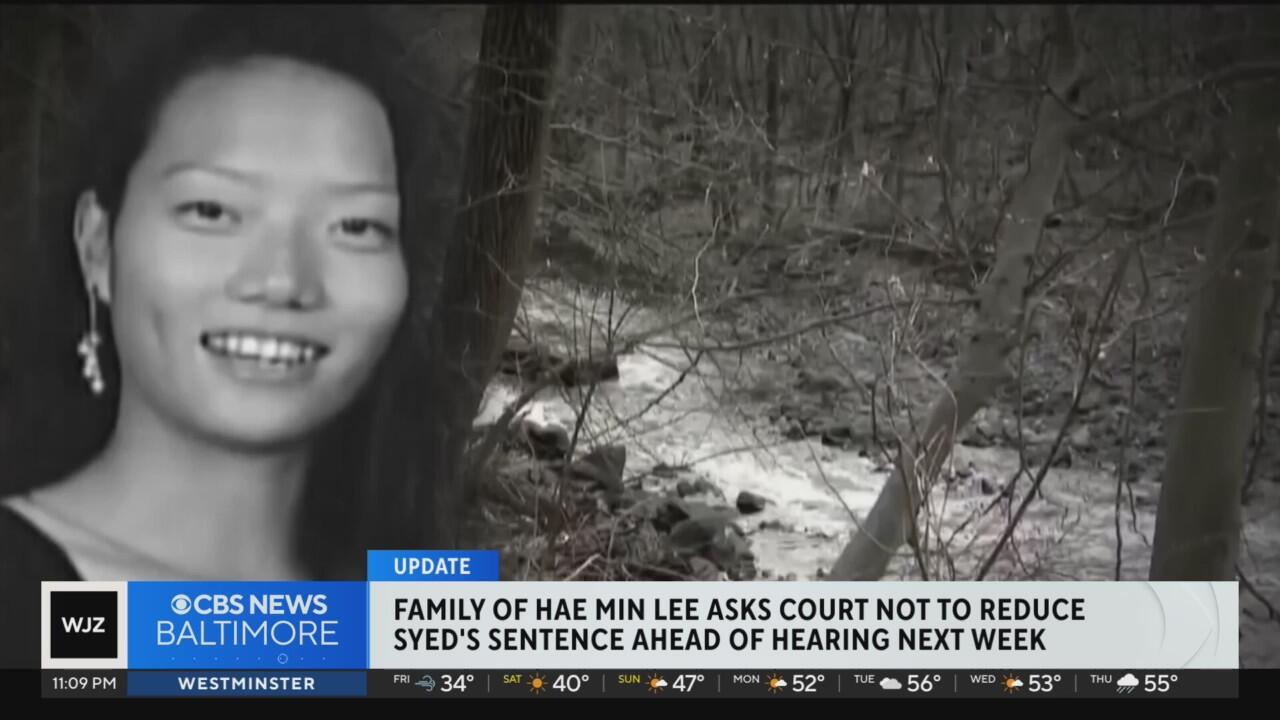
Hae Min Lee, an 18-year-old senior at Woodlawn High School, left school that afternoon.
She did not come home.
Her body was found on February 9, 1999, in Leakin Park.
She was buried in a shallow grave.
The cause of death was manual strangulation.
Twenty-seven days passed between her disappearance and the discovery of her body.
That gap is a fact of the record.
What happened in those twenty-seven days is not fully in the record.
Police focused on Adnan Syed after receiving an anonymous tip.
The tipster's identity is not in the record.
No name, no statement, no corroboration.
That is what the record does not establish.
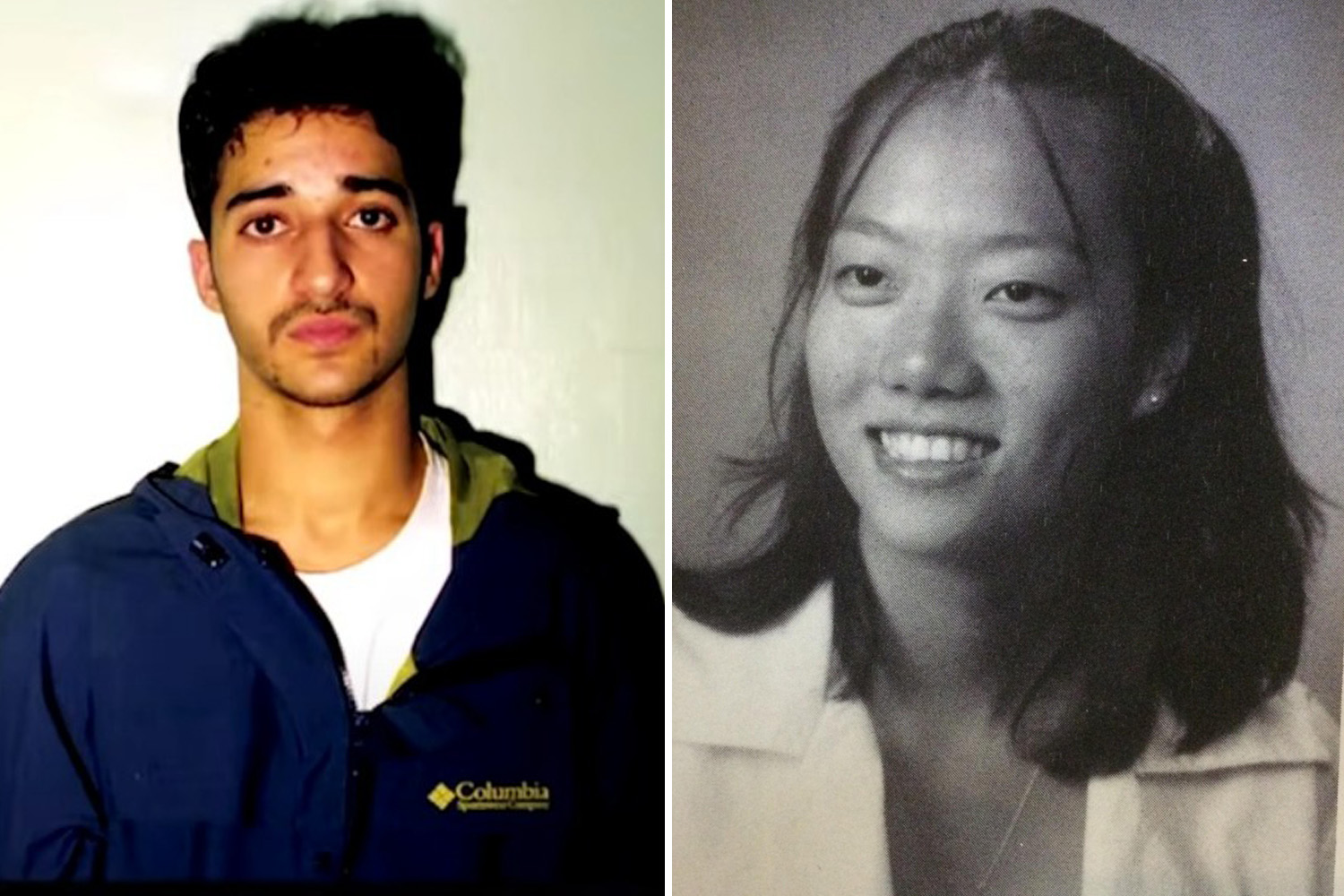
Syed was Lee's former boyfriend and classmate.
On February 28, 1999, police arrested him.
He was charged with first-degree murder.
The investigation was led by a detective from the Baltimore Police Department.
The lead detective's name is not confirmed in coverage.
The tip led somewhere.
It led to an arrest.
It led to a charge.
It did not lead to a documented source.
The anonymous tip is the pivot.
Everything after it depends on what the tip said.
The record does not contain the tip.
The record does not name the tipster.
That would require evidence.
THE TRIAL TESTIMONY
The trial began in 2000, before a judge whose name is not confirmed in the coverage.
Kevin Urick led the prosecution.
He presented Jay Wilds' testimony and the cell phone records.
Cristina Gutierrez led the defense.
She argued that Syed was with the classmate Asia McClain at the library.
She argued that Wilds was not credible.
The jury's deliberations are not in the record.
That would require evidence.
On February 25, 2000, Syed was convicted of first-degree murder, kidnapping, robbery, and false imprisonment.
He was sentenced to life in prison plus 30 years.
The verdict rested on two pillars.
One pillar was Wilds, whose story had already changed four times.
One pillar was the cell tower data, which mapped Syed's phone to Leakin Park.
The defense had a counter for each.
McClain placed Syed at the library.
Wilds, Gutierrez argued, had every reason to lie.
The judge heard the case without a jury.
The record does not contain the deliberations.
It contains the conviction.
It contains the sentence.
It contains the date: February 25, 2000.
What it does not contain is the tipping point.
Not the moment Wilds' account settled.
Not the moment the cell data outweighed the alibi.
That would require evidence.
THE PODCAST AND THE ALIBI
In 2014, the *Serial* podcast, hosted by Sarah Koenig, examined the case and raised significant questions about the reliability of the cell phone evidence.
The podcast also brought attention to Asia McClain.
McClain said she saw Syed at the Woodlawn Public Library during the time prosecutors said he was committing the murder.
Her exact sighting time is not in the record.
McClain's testimony was not pursued by trial attorney Cristina Gutierrez.
That decision later became central to appeals.
In 2016, a post-conviction petition argued that Gutierrez provided ineffective counsel by failing to contact McClain.
A judge granted a new trial that same year.
The Maryland Court of Special Appeals reversed that decision in 2019.
The case moved up.
In 2022, the Maryland Court of Appeals ordered a new hearing.
Not because the alibi was resolved.
Not because Wilds' account had settled.
But because the court found that prosecutors had failed to disclose evidence about Jay Wilds.
The specific undisclosed evidence is not detailed in the source.
It is a finding of nondisclosure.
It is also a turning point.
The record shows a petition, a reversal, and an order.
What the state withheld remains unstated.
AND THE STORY STILL ISN'T OVER
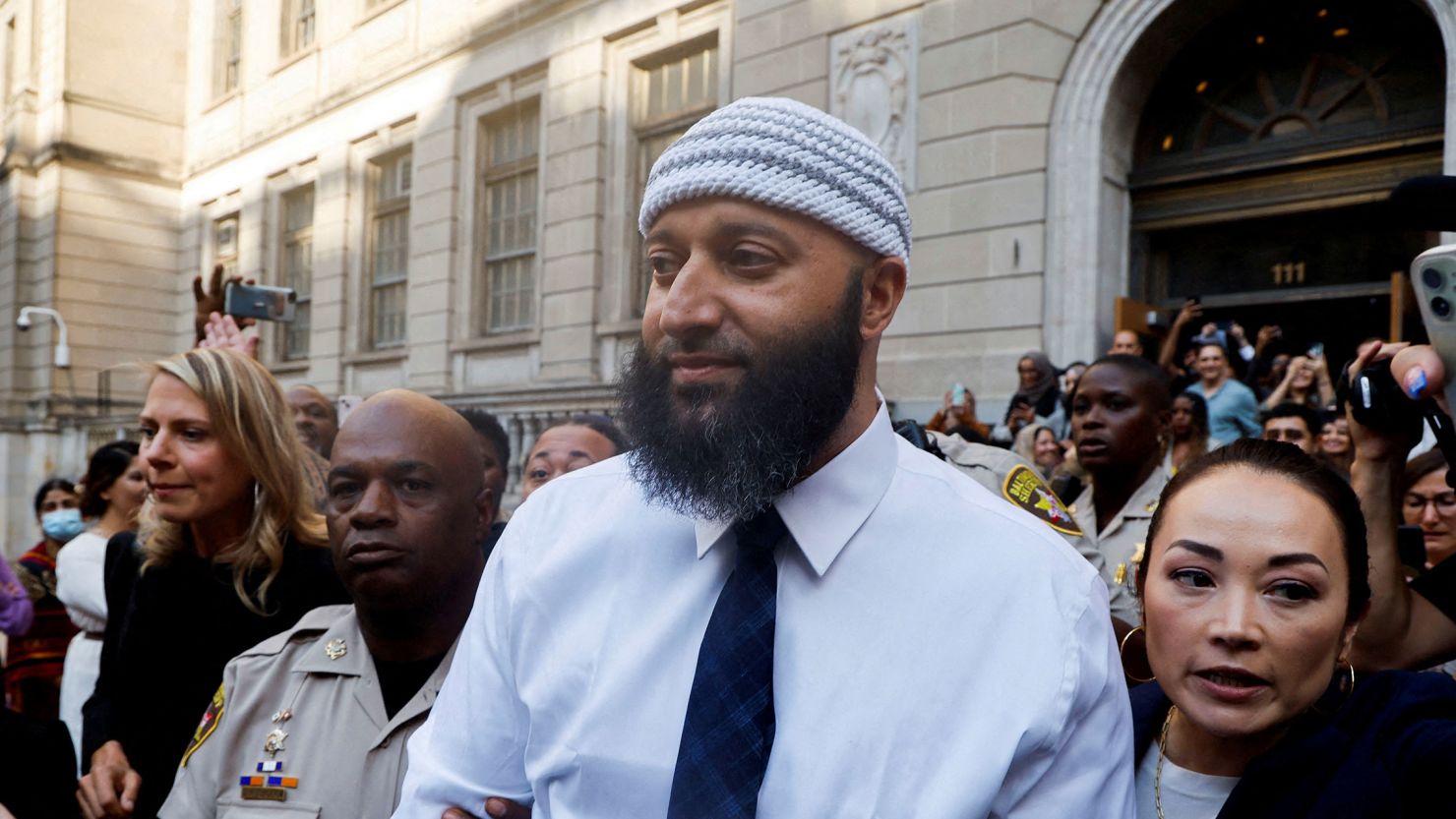
In September 2022, Judge Melissa Phinn vacated the conviction.
The judge cited the state's failure to disclose evidence.
Syed was released from prison on September 19, 2022, after serving 23 years.
He has maintained his innocence throughout.
The state dropped all charges in October 2022.
In 2023, the Maryland Appellate Court upheld the decision to vacate the conviction.
The legal record ends there.
What comes next for Syed is not specified in the record.
What comes next for the family is not specified in the record.
Hae Min Lee's family has expressed distress over the outcome.
Her brother, Young Lee, has spoken publicly about the family's pain.
The conviction is gone.
The questions are not.
What the state withheld remains unstated.
Why the original case held together remains a matter of public debate.
The line between what is viral and what is documented holds.
A podcast raised questions.
The documented record shows a witness whose account shifted multiple times.
It shows a conviction later vacated.
It does not show what the state failed to disclose.
That would require evidence.
Syed walks free.
The story still isn't over.
Advertisement
You may also like
The flight attendant who took the note — and what she said about the man who vanished
She took the note without opening it. He told her to look at it, and she looked. The man at seat 18C called himself…
The uncle who found six shot in their beds — and the confession that followed
The door at 112 Ocean Avenue was an ordinary Dutch Colonial, the kind of house a family might call home for a decade. On…
The 15-year-old who vanished after one phone call about a job — his mother's final words
December 11, 1978. A 15-year-old boy told his mother he was going to meet a contractor about a job. Her final words to him…
The 95 million who watched O.J. Simpson's Bronco chase and what they saw
The white Ford Bronco moved at 35 miles an hour, and the whole country watched. On June 17, 1994, an estimated 95 million viewers…
The pilot with 711 hours who flew Buddy Holly's plane into a snowstorm
The pilot’s name was Roger Peterson, and he was twenty-one years old. He had logged about 711 hours of total flight time, according to…
The 8:44 p.m. video that placed Alex Murdaugh near the kennels before Maggie and Paul were found
Paul Murdaugh’s phone held a video recorded at 8:44 p.m. on June 7, 2021. The timestamp sits in the middle of the evening his…