The Zodiac letter that carried a piece of Paul Stine's bloody shirt
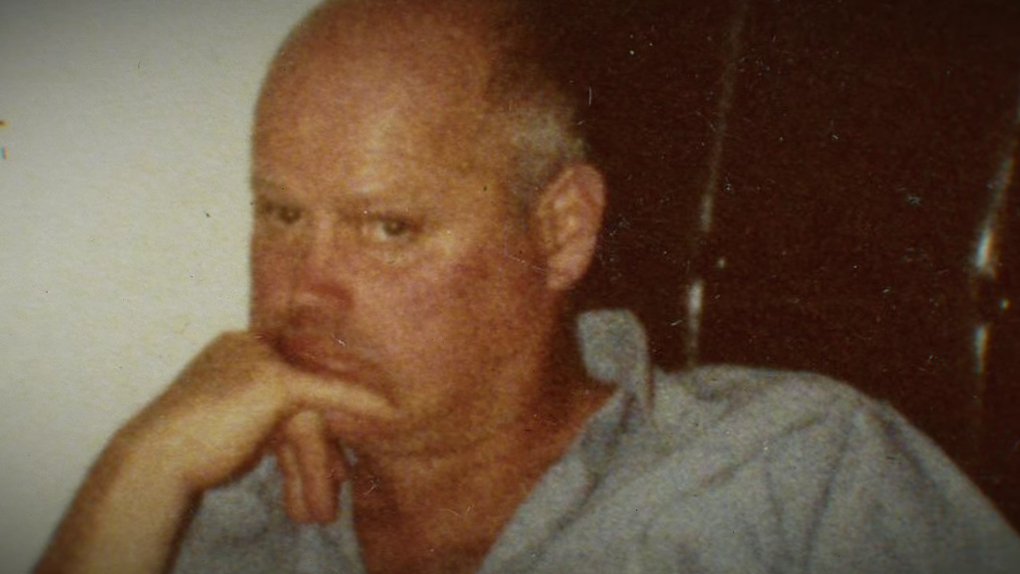
The cab driver was 29 years old.
He picked up a fare in the heart of San Francisco's Presidio Heights on October 11, 1969.
A single gunshot.
He was found dead in his cab, shot once in the head.
Days later, the San Francisco Chronicle received a letter.
The writer called himself the Zodiac.
Inside the envelope was a piece of the dead man's shirt, stiff with blood.
A detail only the killer would know.
It was proof, physical and intimate, mailed to a newsroom like a receipt.
The letter was one of more than 20 sent to Bay Area newspapers.
Some of those letters contained cryptograms, coded messages claiming to reveal the killer's identity.
The codes were solved; they contained no name.
The shirt fragment, though, was documented evidence.
It tied the letter writer to the murder scene with certainty.
What it did not do was name him.
The identity of the letter writer is not established.
The victim's mother and sister spoke to reporters in the years that followed.
They asked for answers.
They asked who did this and why.
They asked what happened in those last minutes inside the cab.
The answers never came.
The family was left with the record: a man shot, a piece of his clothing mailed away, a taunt signed in blood.
That is what the evidence shows.
The rest is theory.
THE FIRST ATTACKS
December 20, 1968: a 17-year-old boy and a 16-year-old girl on a first date were shot on a lovers' lane near Vallejo.
Both died.
July 4, 1969: a 22-year-old married mother and a 19-year-old man were shot at Blue Rock Springs Park.
The woman died. The man survived.
September 27, 1969: two 22-year-old college students were stabbed at Lake Berryessa while picnicking.
One died. The other survived.
Each attack was more brazen than the last. Each victim was young and ordinary.
Police linked the attacks through ballistics, witness descriptions, and the killer's own letters.
A composite sketch was drawn from witness descriptions, including from the surviving stabbing victim.
The sketch showed a man. It showed no name.
The killer's identity is not confirmed. The exact number of victims is not confirmed.
What is confirmed is the pattern: a date, a park, a lake. A gun, a gun, a knife.
The families were left with questions. The mothers spoke publicly. The sisters spoke publicly.
They wanted answers. They got a sketch and a string of dates.
The case would grow colder. The letters would keep coming.
THE STINE MURDER
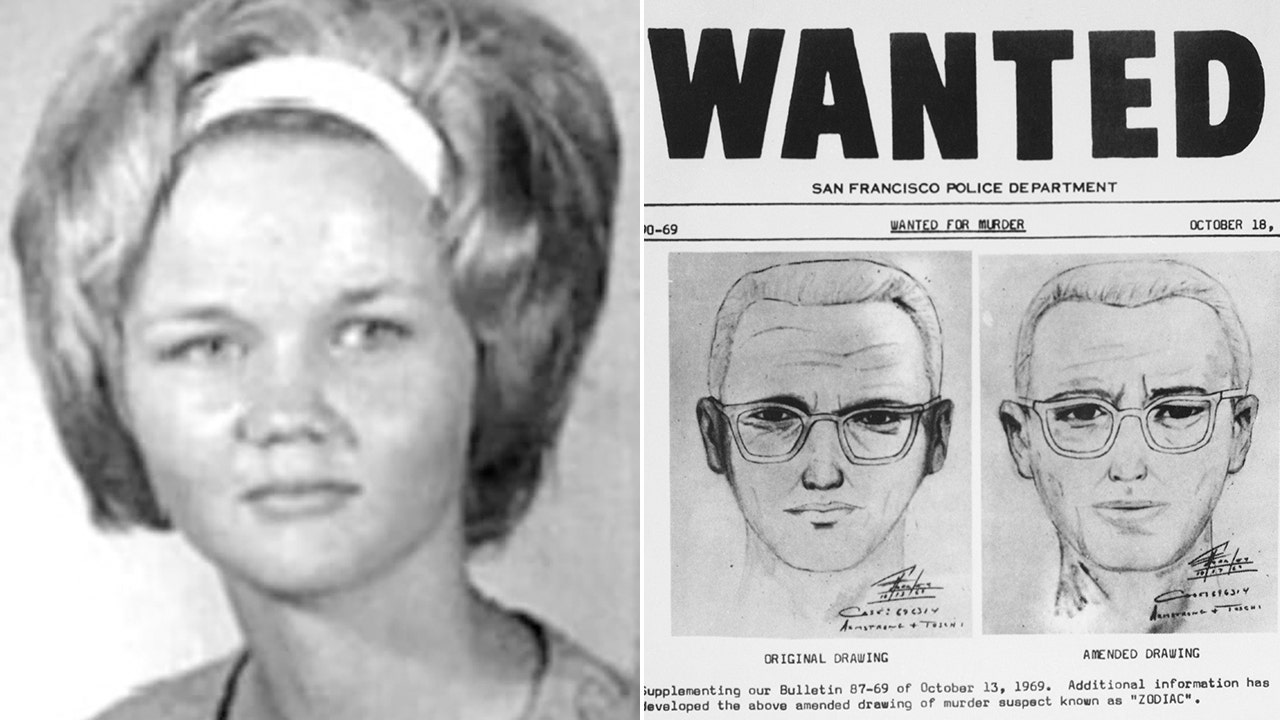
He was 29 years old, a cab driver working the night shift in San Francisco.
On October 11, 1969, he was shot and killed in Presidio Heights.
The weapon was a 9mm pistol.
A patrolman saw a possible suspect near the scene.
The patrolman was not told a shooting had occurred.
That was a documented misstep.
The man seen by the patrolman was never identified.
His identity is not established.
Days later, the San Francisco Chronicle received a letter from the Zodiac.
Inside was a piece of the cab driver's bloody shirt.
The killer sent it to prove he was the murderer.
It was evidence only the killer could have possessed.
The victim's mother and sister spoke publicly in the years that followed.
They appeared in news coverage.
They appeared in documentaries.
They wanted answers.
They got a piece of cloth and a string of letters.
The case would grow colder.
The letters would keep coming.
But the shirt was real.
The blood was real.
The man was dead.
THE SUSPECT AND THE DNA
Arthur Leigh Allen was a Vallejo schoolteacher, and for decades he was the most prominent suspect.
A former acquaintance, Don Cheney, told police Allen had made incriminating statements, and investigators followed that lead.
Allen was interviewed multiple times.
He was the subject of a 1971 search warrant.
He was never arrested, and he was never charged.
He died in 1992.
In 2002, DNA testing on saliva from the envelopes of Zodiac letters excluded Allen as the source.
The science cleared him posthumously.
Whether Allen was the killer is not established.
The DNA evidence only excludes him; it does not name anyone else.
No one was ever charged with the Zodiac murders.
The case remains officially open in San Francisco, Vallejo, Napa County, and with the FBI.
The lead detective who worked the Stine homicide told reporters the case was still solvable, but the leads had gone cold.
The suspects came and went.
The confessions were checked and dismissed.
The letters kept arriving, taunting, claiming, promising ciphers that would reveal a name.
The 408-symbol cipher was solved by a schoolteacher and his wife in August 1969.
It contained no name.

The shirt was real, and the blood was real, and the man was dead.
That was the one piece of proof the killer mailed out, a fragment of a victim’s clothing that tied the letters to the crime.
It did not tie the letters to a man.
The composite sketch was drawn from witnesses, but the man in the sketch was never matched to a name.
The patrolman who saw a possible suspect near the scene was not told of the shooting.
That was a documented misstep.
The story still isn’t over.
It is a case with a piece of evidence, a prime suspect, and an exclusion.
It is also a case with no arrest, no trial, and no conviction.
The families of the victims have continued to seek answers.
Several have appeared in documentaries and interviews over the years.
They were young people on a first date, a married mother, a college student, a cab driver.
The killer’s identity remains unknown.
That is what the record establishes.
AND THE STORY STILL ISN'T OVER
The Zodiac case is officially unsolved.
The San Francisco Police Department, the Vallejo Police Department, the Napa County Sheriff's Department, and the FBI have all investigated it over the decades.
In 2021, a group of cold-case investigators called the Case Breakers claimed to have identified the killer as Gary Francis Poste.
The FBI and local police did not confirm the claim.
It was widely disputed.
That remains a theory, not a finding.
The killer's identity is unknown.
That is what the record establishes.
The victims' families have kept asking.
Several have appeared in documentaries and interviews over the years.
They have spoken about first dates, about married mothers, about college students, about a cab driver.
They have asked who did this.
They have asked why.
They have asked if the answers will ever come.
That would require evidence.
The case reached a wider audience through the 2007 film "Zodiac," directed by David Fincher, based on Robert Graysmith's books.
The film did not solve it.
No one was ever charged.
There was no trial.
Arthur Leigh Allen, the most prominent suspect, was investigated but never charged; DNA testing in 2002 cleared him posthumously.
He died in 1992.
The story is not over.
The ache remains.
The letters stopped, but the case never closed.
The families still wait.
The record holds what it holds: a piece of a bloody shirt, a solved cipher without a name, a composite sketch, a patrolman who was not told.
And a killer who was never caught.
That is the plain truth of it.
Advertisement
You may also like
The fishing trip that put Scott Peterson at the center of a missing-pregnant-wife mystery
He said he went fishing alone that morning, off the Berkeley Marina. December 24, 2002. The same day his wife, Laci Peterson, eight months…
The red-light drive-by that ended Notorious B.I.G., and the car that vanished
12:45 a.m., March 9, 1997. A dark sedan pulls alongside a black SUV at a red light on Wilshire Boulevard in Los Angeles. The…
A notebook found beside Brian Laundrie's remains — what it said about Gabby Petito
The notebook was found beside Brian Laundrie’s remains in the Carlton Reserve in Florida, on October 20, 2021. A backpack lay nearby. The FBI…
Kitty Genovese's family says the '38 witnesses' claim stole her memory
A single number has been attached to Kitty Genovese's name for decades. Thirty-eight. The number appears in textbooks. It appears in documentaries. It is…
The MGM Grand altercation that preceded Tupac's shooting — what police believed
The black BMW sedan turned onto the Las Vegas Strip, and Tupac Shakur was in the passenger seat. Marion "Suge" Knight, the CEO of…
The neighbor's camera that caught Shanann Watts' truck — and the timeline that broke the case
The neighbor's camera was pointed at the driveway, not the street. It caught a blue Ford truck pulling into the Watts home in the…