The 1968 letter that promised a killer's name but never revealed it
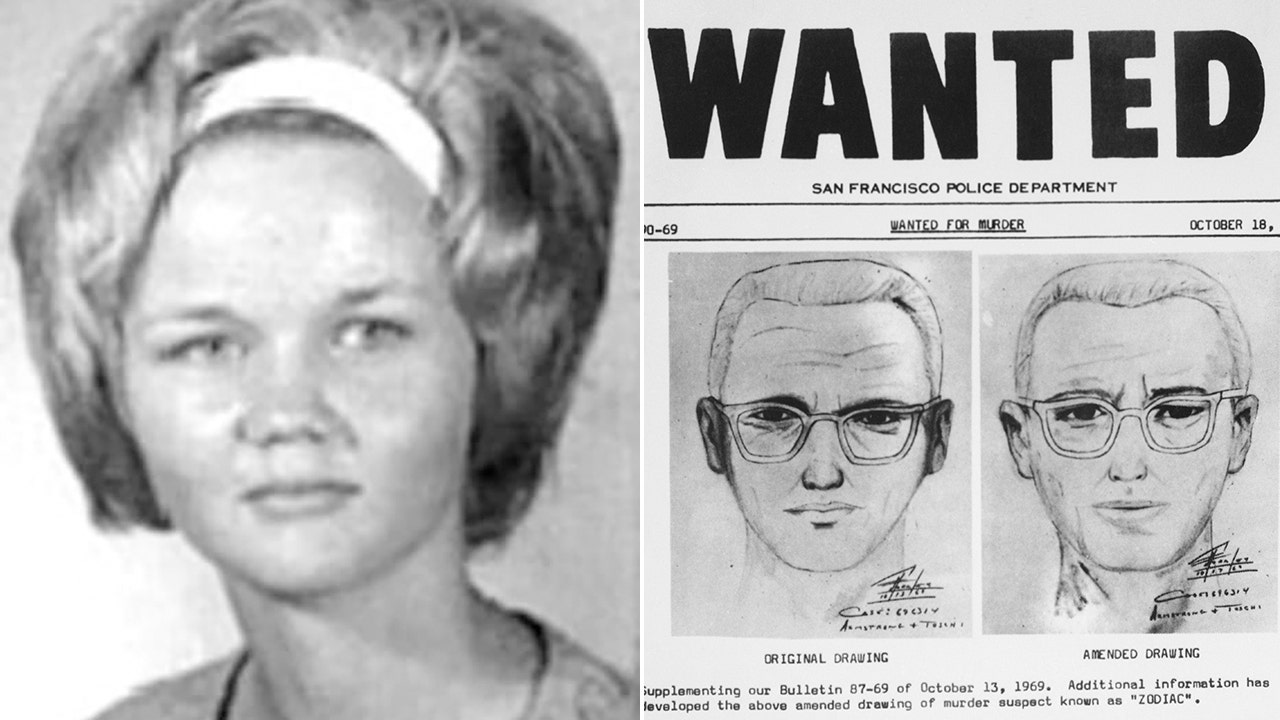
It arrived at a California newspaper in 1968, a letter with a promise inside.
It said the writer would reveal the killer’s name in a future message.
It was signed with a symbol that would later become known as the Zodiac.
The name never came.
Not in that letter, not in any letter that followed.
The promise remains unfulfilled.
Online, this letter is often cited as the first taunt from the killer.
The record does not confirm that.
Its authenticity is not established by the source; it is described as a claim, not a documented fact.
What is documented is the shape of the promise.
A name was offered. A name was withheld.
No arrest followed from this letter.
No conviction followed from this letter.
No one was ever arrested or convicted for the crimes that came to be associated with that symbol.
The letter promised a name.
The letter never delivered one.
That would require evidence, and the evidence does not show it.
The symbol stayed.
The mystery stayed.
The letter sits in the record as a beginning that never arrived at its ending.
THE FIRST SHOTS
The first confirmed attack came on December 20, 1968.
Two teenagers were shot and killed on a secluded road near Vallejo, California.
The source identifies them as David Faraday and Betty Lou Jensen, but those names are not confirmed in news coverage.
They are referred to here by their roles: the male teenager and the female teenager.
This was the beginning of a pattern, though no one saw it as one yet.
No suspect was identified at the time.
The case went cold.
The attack was not initially linked to any letter.
The symbol that would later become known as the Zodiac had not yet appeared.
No letter claimed responsibility.
No cipher explained the motive.
The killer's identity is not established.
The motive is not established.
What is established is the scene: a secluded road, two teenagers, gunshots.
What is established is the date.
What is established is the silence that followed.
The teenagers were found dead.
The investigation turned up nothing.
Detectives in Vallejo worked the case without leads.
They did not know, on that December night, that they were handling the first of several attacks.
They did not know that letters would come later.
They did not know the symbol would arrive in a newspaper office.
The case went cold before the public ever heard the name Zodiac.
THE SUMMER OF 1969
On July 4, 1969, two people were shot in a parked car at Blue Rock Springs Park in Vallejo.
One died. The other survived.
On September 27, 1969, two people were stabbed at Lake Berryessa.
One died. The other survived.
On October 11, 1969, a taxi driver was shot and killed in San Francisco’s Presidio Heights.
The killer began sending cryptograms and letters to the San Francisco Chronicle, the Examiner, and the Vallejo Times-Herald.
It was in those letters that the name “Zodiac” first appeared.
The attacks escalated, and so did the communication.
A witness, a teenager, saw the killer leave the Stine scene and described him to police.
That description was not widely circulated at the time.
It is not confirmed to be accurate.
A palm print and partial fingerprints were recovered from the taxi.
They were never matched.
The killer’s identity is not established.
No one was ever arrested.
Not for the shootings. Not for the stabbings. Not for the taxi driver.
The summer of 1969 ended with three separate crime scenes and a name that had just begun to appear in print.
Three jurisdictions worked the case.
Vallejo. Napa County. San Francisco.
They did not share everything they knew.
The letters kept coming.
The pressure mounted.
The record shows what was found: a palm print, partial fingerprints, a witness’s description.
The record does not show a name.
THE CIPHERS AND THE SUSPECTS
The first cipher was solved in August 1969.
A schoolteacher and his wife cracked it, according to the record.
The message claimed the killer collected slaves for the afterlife.
It did not name anyone.
The second cipher arrived in 1970.
It was not solved until December 2020.
A private team of codebreakers solved it then.
It did not identify the killer either.
The ciphers promised a mind. They delivered a boast.
Several suspects were investigated over the decades.
Arthur Leigh Allen was publicly named in a 1970s police report.
He was named again in a 2002 book by Robert Graysmith.
Allen was never charged.
He died in 1992.
DNA testing on stamps and envelopes in the 2000s and 2010s did not yield a match.
A palm print and partial fingerprints were recovered from the taxi.
They were never matched.
A teenager saw the killer leave the scene.
The description was not widely circulated at the time.
No suspect was ever arrested, charged, or convicted.
Not because the case went cold quietly.
But because every lead slid off the evidence.
The identity of the killer is not established.
The solved ciphers do not name anyone.
The record shows what was examined: the stamps, the envelopes, the print, the partials.
The record shows what was solved: two ciphers, decades apart.
The record does not show a name.
AND THE STORY STILL ISN'T OVER
The case remains officially unsolved and open in Vallejo, Napa County, and San Francisco.
In 2018, the Vallejo Police Department announced it had submitted new DNA evidence for testing, but no match was announced.
The statute of limitations does not apply to murder, so charges could still theoretically be filed if a suspect were identified.
Other named suspects, including Lawrence Kane and Gary Francis Poste, have been proposed by authors or amateur investigators, but none has been confirmed by law enforcement.
The 1968 letter's promise of a name remains unfulfilled.
No new evidence has led to an arrest.
The identity of the killer remains unknown.
The record does not establish what the DNA testing found.
The record does not establish who wrote the letter.
The record does not establish a name.
That would require evidence.
The door is still open.
Advertisement
You may also like
A tip from a truck driver led police to a parked Chevrolet Caprice — what they found inside
A truck driver made a call on October 24, 2002. The tip led police to a rest stop on Interstate 70 near Myersville, Maryland.…
The cellphone pings that placed Adnan Syed near Leakin Park — and the defense that never called one key witness
The cellphone records put Adnan Syed near Leakin Park around the time of the burial, according to the prosecution's case. A ping, a tower,…
The 1993 slumber party abduction that would take 64 days to resolve
The window was unlocked. On the night of October 1, 1993, an intruder entered through it at a home in Petaluma, California. Inside, twelve-year-old…
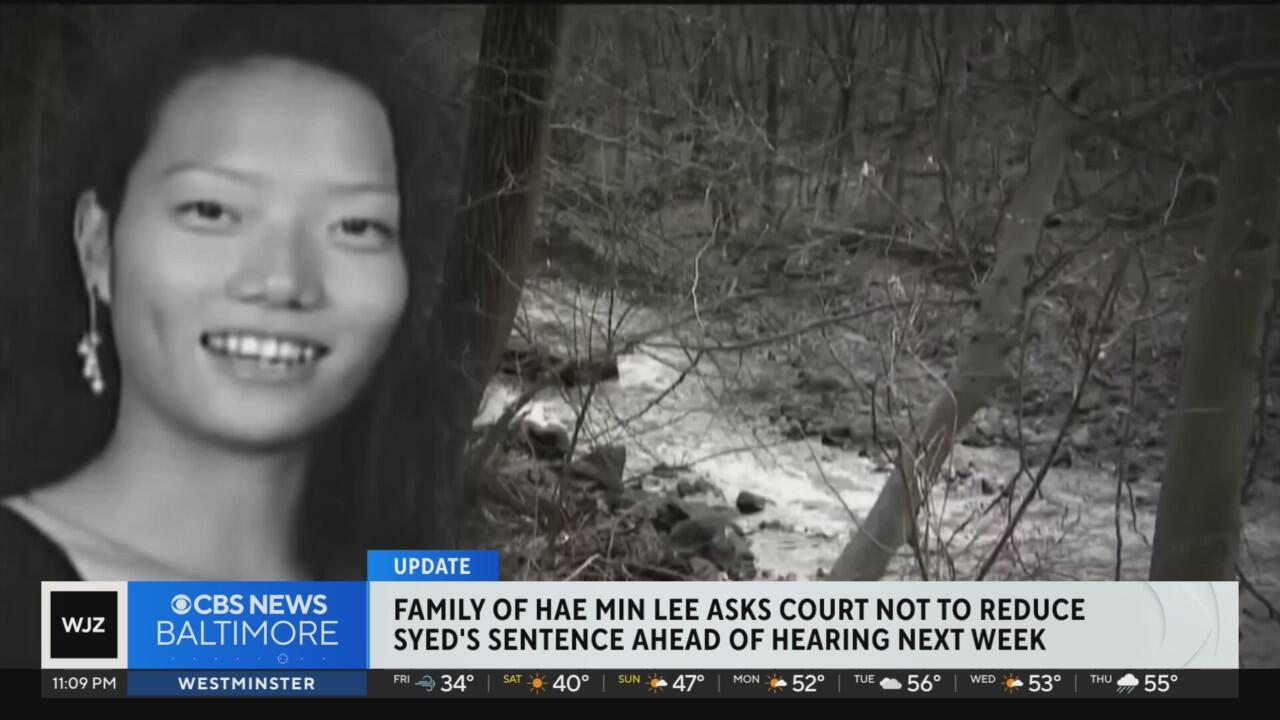
The cell tower data and Jay Wilds's story that freed Adnan Syed
She left Woodlawn High School on January 13, 1999, and never came home. Hae Min Lee was 18, a senior, and her body was…
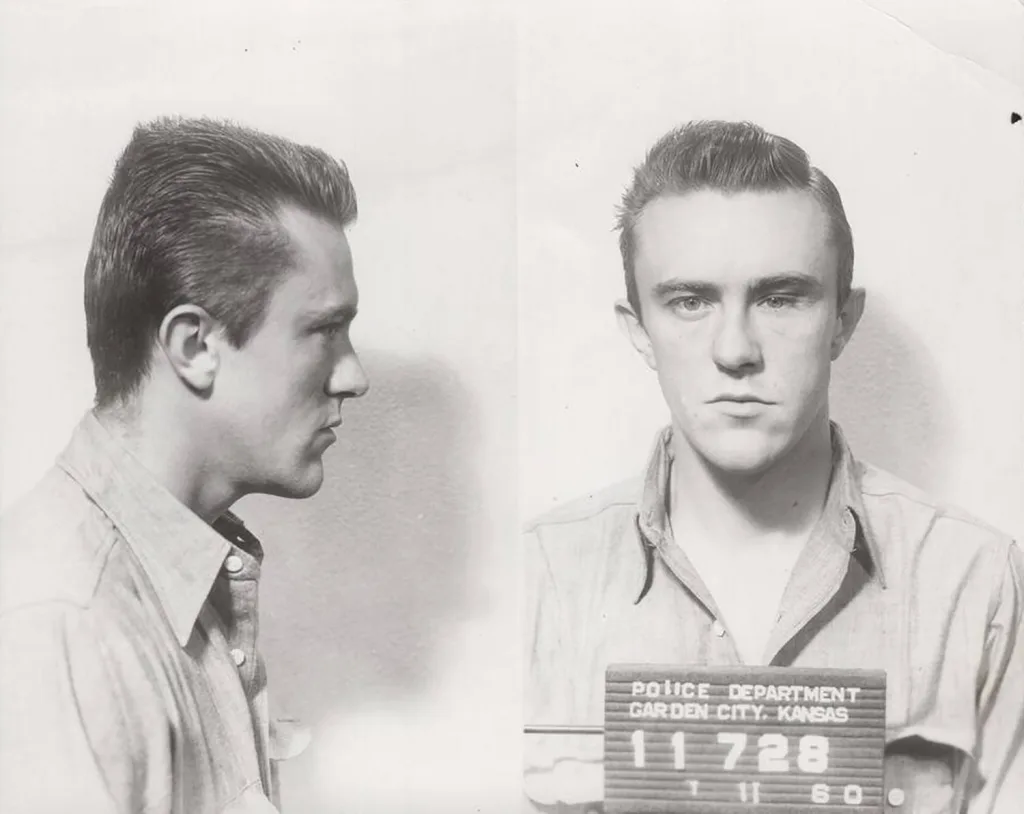
The tip from a cellmate that sent two ex-cons to a Kansas farmhouse — but the safe was a lie
In 1959, a man in a prison cell told Richard Hickock about a safe. The man said he had once worked for Herbert Clutter,…
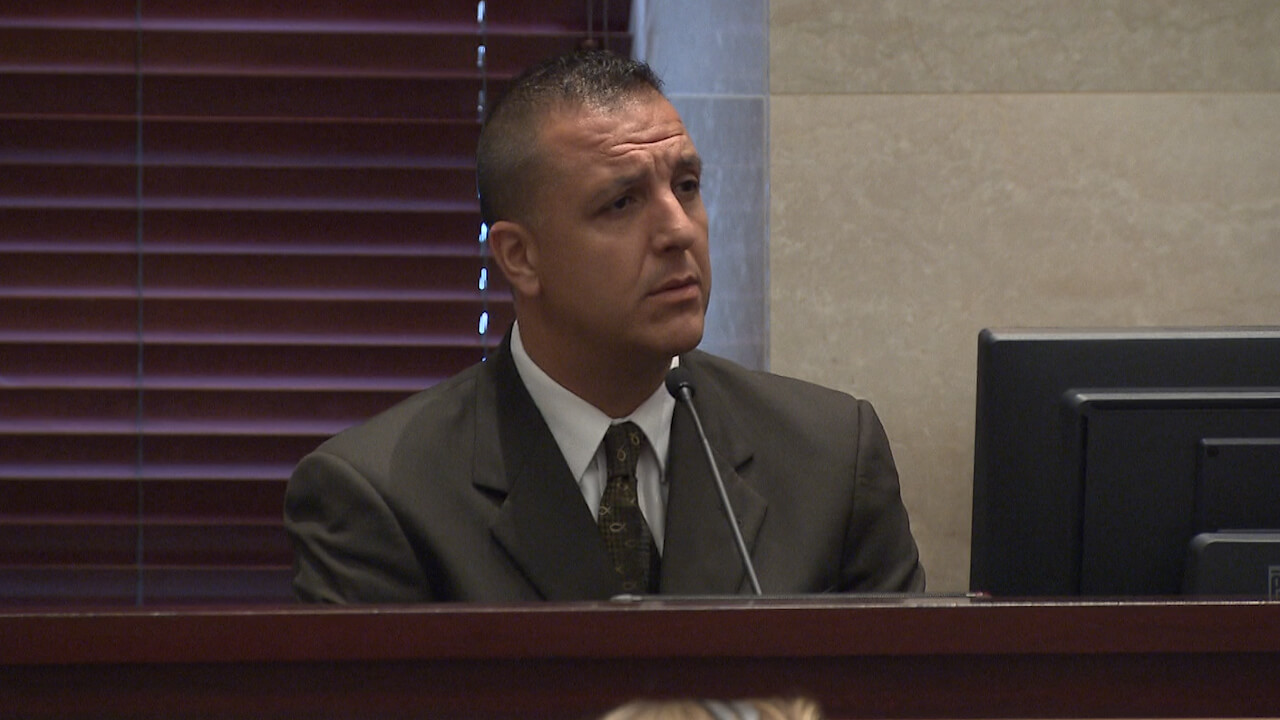
The 31-day gap and the nanny who never existed: Casey Anthony's first lie
She had a name before she had a body. On July 15, 2008, a two-year-old girl named Caylee Anthony was reported missing by her…