The 1979 trail death that started a two-year hunt across California's mountains
The body was found in September 1979, near Scotts Valley in the Santa Cruz Mountains.
She was a 22-year-old nursing student.
The death was treated as a separate, isolated incident.
Not connected to any pattern. Not connected to anything at all.
No suspect was named at the time.
The case went cold.
What was the cause of death? What did the initial evidence show?
The record does not specify.
It was a single death in the mountains. One body, one file, one closed road.
The investigation notes describe it as separate.
Months would pass before other bodies were found in those same hills.
But that came later. In September 1979, there was only this one.
She was on a trail. She was found there. That is what the record establishes.
It is a quiet beginning. It is also the start of something the detectives did not yet see.
THE TRAIL OF VICTIMS
The months after that first discovery brought more bodies.
More bodies in the Santa Cruz Mountains.
The victims were hikers and joggers, mostly women, attacked on remote trails.
The case summary names two of them: a nursing student and another woman.
The exact number of victims attributed to the Trailside Killer is not specified in the record.
Detectives began noticing similarities as the body count grew, according to investigation notes.
Similarities in how the victims were found.
Similarities in where they were found.
Similarities in the absence of witnesses.
It is a slow realization, not a sudden one.
A pattern emerging from what had looked like separate tragedies.
The first death had been treated as an isolated case.
Now the isolated cases began to look like one case.
The case became known as the Trailside Killer case.
Not because a name was known.
Because the trails were the common ground.
The investigation spanned multiple counties, according to investigation notes.
Santa Cruz County had its bodies.
Marin County had its bodies.
Coordination between the two was complicated.
Each county held its own pieces of the pattern.
A handgun was used in some of the murders, though reports vary on the specific type.
What the record does not establish is a single, unified count of the dead.
What the record does establish is that the trail kept growing.
The detectives did not yet have a name.
They had a shape.
A shape that moved along the trails, leaving bodies behind.
That would require evidence, and evidence was still months away.
THE POINT REYES BREAKTHROUGH
May 1981.
Two hikers were murdered at Point Reyes National Seashore, a woman and her male companion.
This time, there was a witness.
A witness told investigators they had seen a man near the scene.
A composite sketch was released to the public.
The sketch gave the hunt a face.
The specific nature of the witness's sighting is not detailed in the record.
Neither is the content of the tip that followed.
A former cellmate came forward with information.
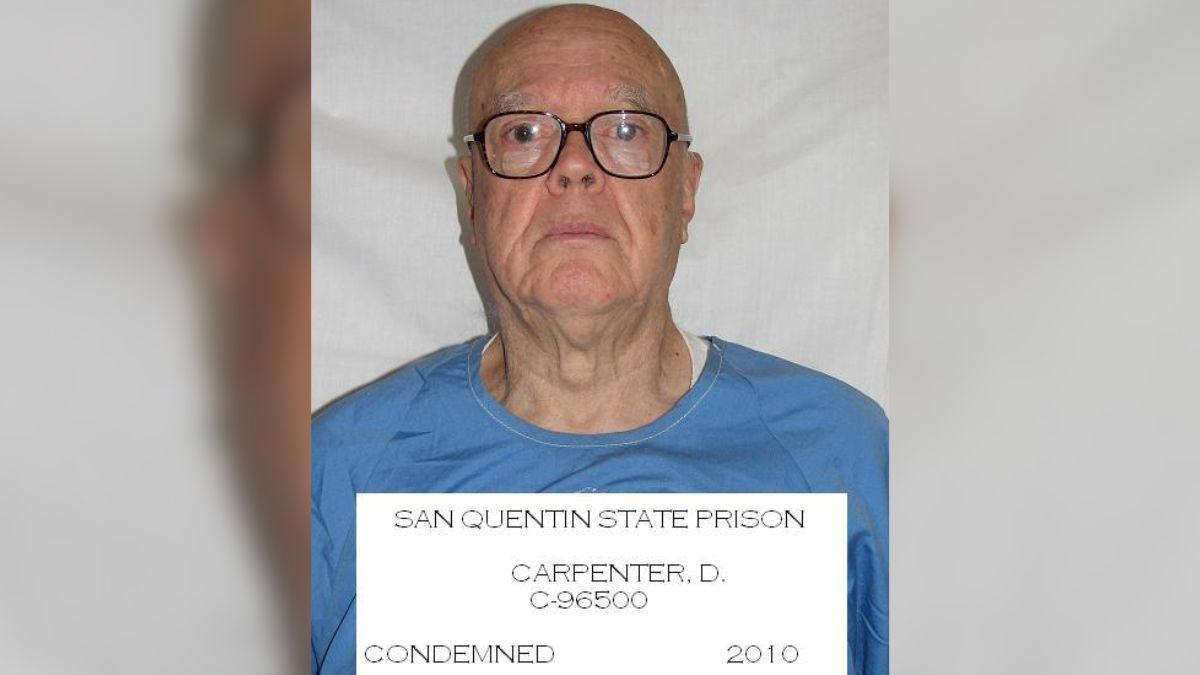
The tip identified David Joseph Carpenter, a 51-year-old carpenter and parolee.
Carpenter had a prior conviction for attempted rape.
He had been paroled in 1979.
The man in the sketch had a history.
He was arrested in May 1981.
He was charged with multiple murders.
The months of dead ends were over.
The shape had a name.
The shape had an address.
The shape had a record.
THE TRIALS AND THE VERDICTS
The trial opened in Marin County.
Carpenter stood accused of the two Point Reyes murders.
The prosecutor laid out the case, and the defense answered.
The defense argued the evidence was circumstantial.
The defense argued Carpenter had been misidentified.
The jury did not agree.
In 1984, Carpenter was convicted of both murders.
He was sentenced to death.
The case moved south.
Carpenter was tried in Santa Cruz County.
This time, the charges covered the nursing student and another victim.
The prosecution presented its case again.
The defense repeated its argument: misidentification, circumstantial evidence.
The jury returned a conviction.
In 1988, Carpenter was sentenced to death a second time.
The appeals followed.
The convictions were upheld.
The specific forensic evidence linking Carpenter to each murder is not detailed in the record.
That detail is not established.
What is established is the verdict.
What is established is the sentence.
What is established is the name on the record.
Carpenter went to death row.
He remains there.
The trials were over.
The story was not.
AND THE STORY STILL ISN'T OVER
He remains there.
The trials were over.
The story was not.
David Joseph Carpenter remains on death row in California.
His appeals have been ongoing for decades.
He has not been executed.
Carpenter has never been charged with all of the murders attributed to the Trailside Killer.
Some cases remain officially unsolved.
That is where the record stands.
The status of the unsolved cases is not specified.
Any pending legal motions are not specified in the record.
That would require evidence.
The case has been the subject of numerous books and documentaries.
Victims' families have continued to advocate for justice.
They have spoken in courtrooms.
They have waited through retrials and appeals.
They have waited through decades.
Carpenter was convicted twice.
He was sentenced to death twice.
He remains.
The convictions were upheld on appeal.
The appeals continue.
The story is not over because the legal process is not over.
It is not over because some deaths were never laid at his feet in a courtroom.
It is A: a case with verdicts.
It is also B: a case with open files.
The families know the difference.
The record does not resolve it.
Neither does this.
He remains there.
The trials were over.
The story was not.
Advertisement
You may also like
The cellmate confession that cracked the Manson murders
The cellmate was in jail on a charge of her own. Susan Atkins was there too, held on something unrelated to Cielo Drive. The…
The psychologist's mistress who heard a confession and changed a murder case
The tape recorder was running. Erik Menendez was in a therapy session with Dr. Jerome Oziel, his psychologist, when he confessed to the murders…
The cotton gin fan tied to Emmett Till's neck — and the evidence that didn't convict
The Tallahatchie River gave up its weight on August 31, 1955. Emmett Till's body surfaced with a cotton gin fan tied to his neck…
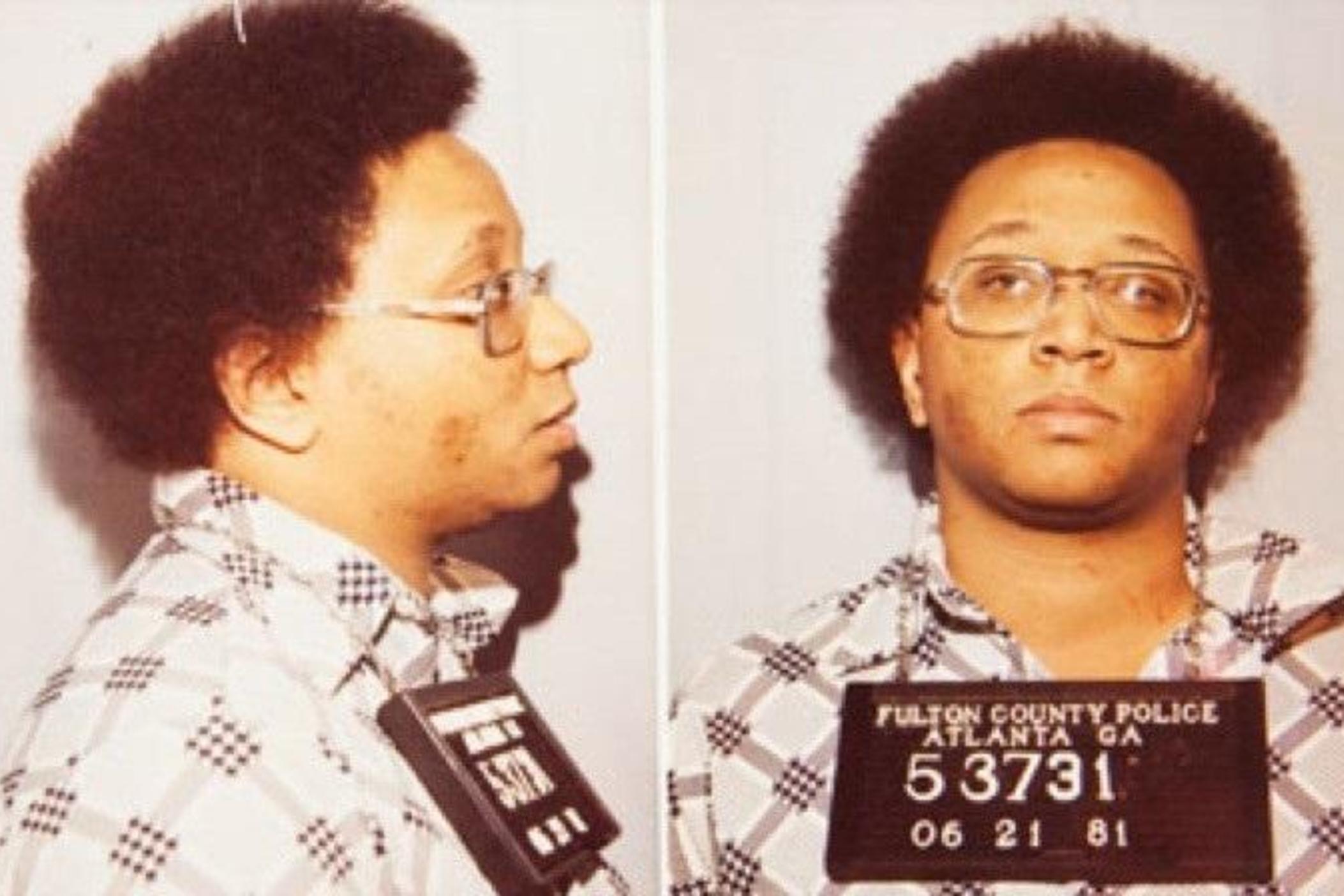
A Splash in the Chattahoochee — the Fiber Evidence That Tied Wayne Williams to Two Murders
The bridge over the Chattahoochee was quiet that night in May 1981. Police had staked it out after a tip, waiting on the dark…

The slumber party interrupted: Polly Klaas's last night before the intruder came
The party was a sleepover. Three girls, twelve years old, in the bedroom of a house in Petaluma, California. It was October 1, 1993.…
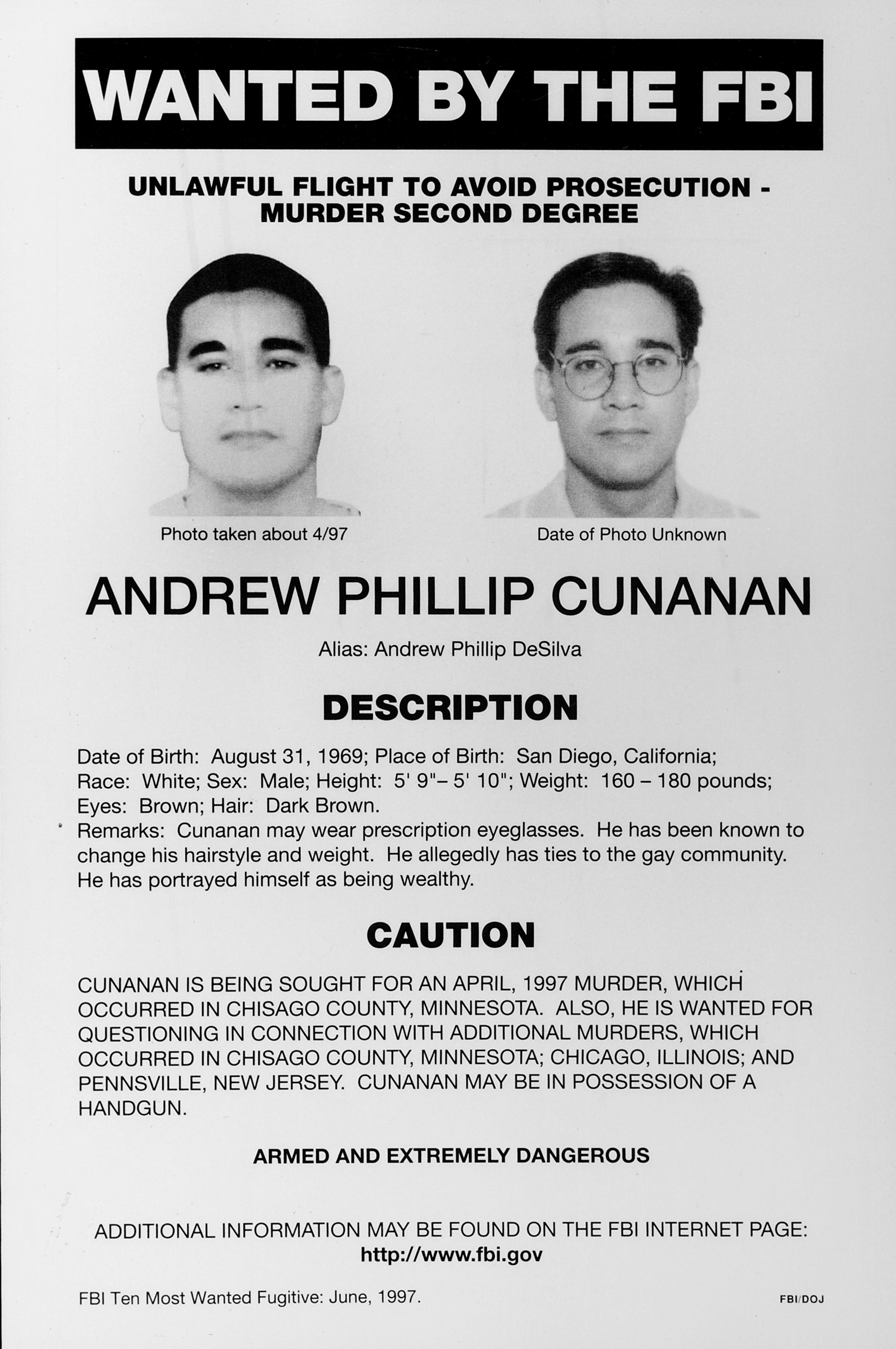
The .40-caliber pistol traced to New Jersey that linked Andrew Cunanan to Versace's killing
A .40-caliber pistol ended Gianni Versace’s life on the steps of his Miami Beach mansion. That same pistol had been stolen from a prior…