The cellmate confession that cracked the Manson murders
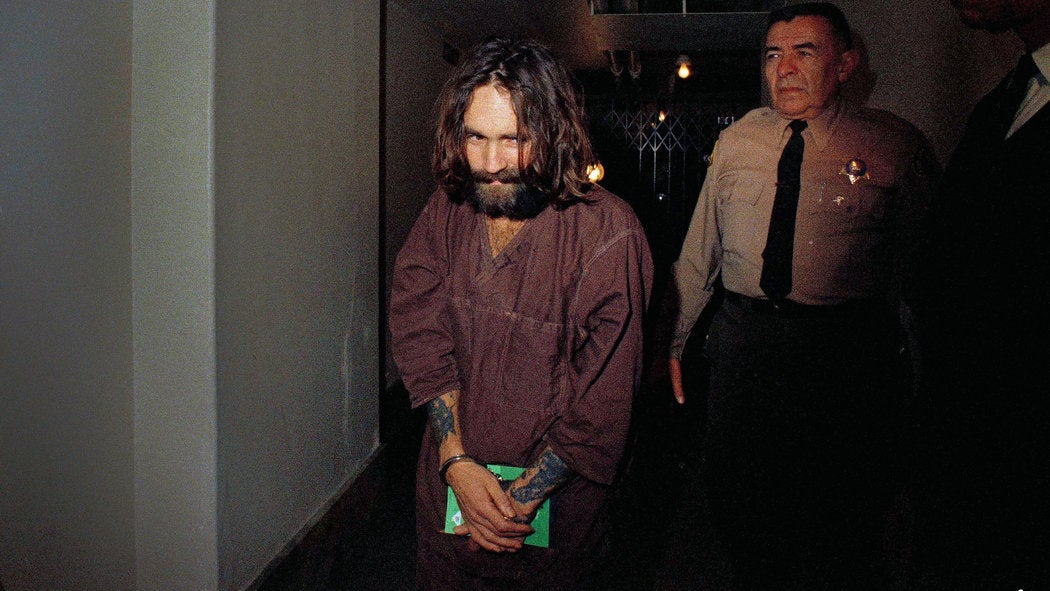
The cellmate was in jail on a charge of her own.
Susan Atkins was there too, held on something unrelated to Cielo Drive.
The two women shared a cell, and Atkins talked.
She described a rope around Sharon Tate's neck.
She described writing on the walls.
She named the people in the house, and she named the ones who went in.
The cellmate listened, then she went to the authorities and told them what she had heard.
That conversation became the break in the case.
Before it, the investigation had been pulling at drug deals and the murder of Gary Hinman.
Those leads led nowhere near the Spahn Ranch.
The confession pointed there.
It was a reported conversation, not a recording, not a signed statement.
The exact circumstances of the cellmate's decision to report it are not detailed in the record.
She testified about it later, in court, under oath.
Atkins's words, repeated by another woman in a jail cell, gave the prosecution its hinge.
Why would a cellmate talk?
Why would she believe a woman who confessed to murder?
That would require evidence.
THE NIGHT OF AUGUST 9
:max_bytes(150000):strip_icc():focal(736x0:738x2)/sharon-tate-death-2-fff73d866219423397a881ffdc5f6af5.jpg)
The house sat at 10050 Cielo Drive, up a narrow road in Benedict Canyon.
Five people were murdered there on the night of August 9, 1969.
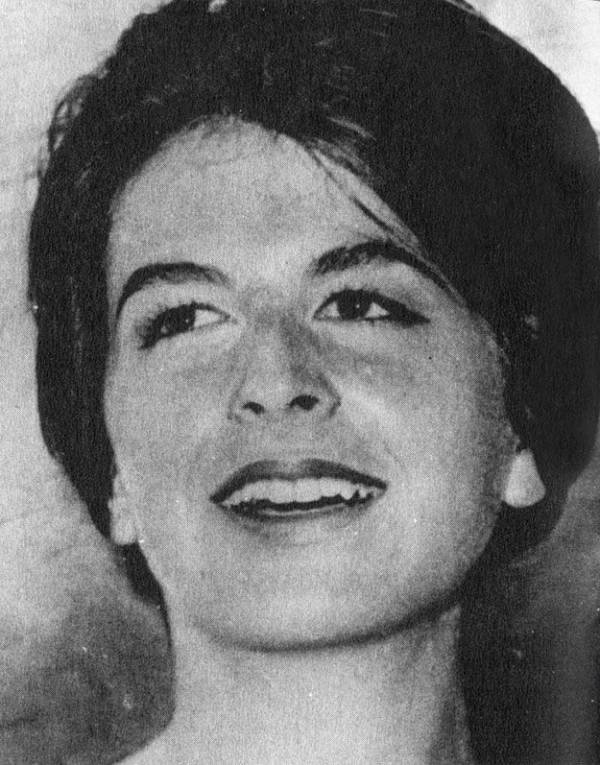
The victims were actress Sharon Tate, eight and a half months pregnant; coffee heiress Abigail Folger; her boyfriend; celebrity hairstylist Jay Sebring; and a young man visiting the property's caretaker.
The killers wrote "PIG" in blood on the front door.
The exact sequence of events inside the house is not fully established in the source.
What is documented is the scene itself, and the word left behind.
The group was led by Charles Manson, a failed musician with a following at Spahn Ranch in the San Fernando Valley.
Linda Kasabian was present that night.
She did not participate.
She drove the car.
The victims had no obvious connection to Manson or his followers.
There was no robbery reported, no ransom note, no clear motive on the door.
A pregnant actress, a hairstylist, a heiress, a boyfriend, a visitor.
Why these five?
Why this house?
Why a word in blood that read like an order?
The record does not say, not in full.
It says the killers came, and the killers left.
It says the door held their word.
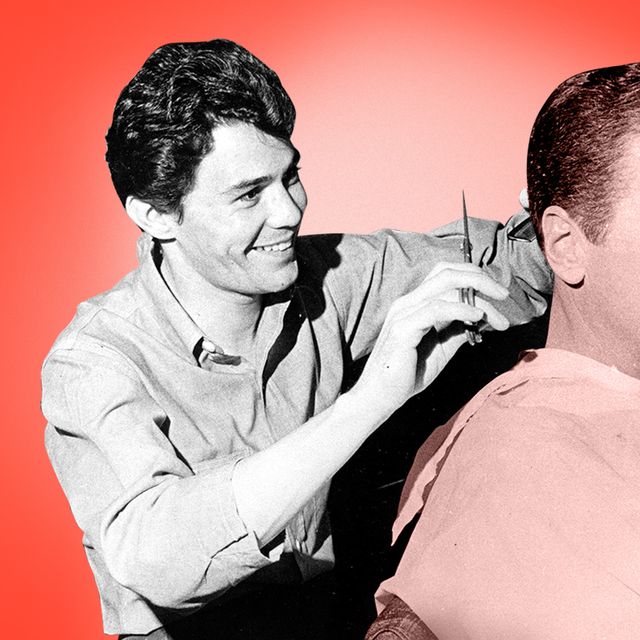
It says an actress eight and a half months pregnant was among the dead.
That is the horror of the scene: the randomness of the target, the deliberate cruelty of the act.
And that is the confusion of the crime: no motive written anywhere except "PIG."
THE SECOND NIGHT AND THE BREAK
The following night, August 10, 1969, Leno and Rosemary LaBianca were murdered in their Los Feliz home.
"RISE" and "DEATH TO PIGS" were written in blood on the walls and refrigerator.
Prosecutors later described the killings as an attempt to ignite a race war Manson called "Helter Skelter."
Two nights. Two scenes. One pattern of blood and words.
The break came not from the crime scenes but from a jail cell.
Susan Atkins, incarcerated on unrelated charges, confided in her cellmate.
Her cellmate reported the confession to authorities.
Atkins described details no outsider could have known: the rope tied around Sharon Tate's neck, the writing on the walls.
The physical evidence followed.
Fingerprints from the LaBianca scene matched Patricia Krenwinkel.
A knife found by a child near the Tate residence was linked to the murders.
The investigation had focused on drug deals and a murdered musician named Gary Hinman.
That was a dead end.
The confession was the hinge.
What Atkins said turned suspicion into a case.
Was Manson the architect? Or were his followers acting alone?
The prosecution argued he orchestrated the murders through control over his followers.
The defense argued he had not ordered the killings.
Whether Manson directly ordered the killings is not established by any documented admission.
It is a matter of prosecution argument.
What the record does establish is the confession, the fingerprints, the knife.
That was enough for a jury.
The trial would begin in June 1970, with the accused charged with first-degree murder and conspiracy.
But that comes later.
For now, the break had happened: a cellmate's report, a confession on record, a case taking shape.
THE TRIAL AND THE TWO STORIES
The trial began in June 1970.
Manson, Susan Atkins, Patricia Krenwinkel, and Leslie Van Houten were charged with first-degree murder and conspiracy.
Charles "Tex" Watson was tried separately.
Prosecutor Vincent Bugliosi argued that Manson had orchestrated the murders through his control over his followers.
The defense argued that Manson had not ordered the killings.
Prosecution witnesses said Manson had spoken of starting a race war through murder.
Manson did not testify, so his own account of the events is not in the record.
The prosecution had its evidence.

There was the cellmate's report of Atkins's confession, with details only a participant could know.
There were fingerprints from the LaBianca crime scene matching Krenwinkel.
There was a knife found by a child near the Tate residence, linked to the murders.
There was Linda Kasabian, granted immunity, describing the night of the Tate murders and Manson's role in directing the attacks.
Two stories sat before the jury.
One story: a leader who commanded, and followers who obeyed.
The other story: a man who never gave the order.
Which one was true?
That would require Manson's testimony, and Manson gave none.
In January 1971, all four defendants were found guilty.
They were sentenced to death.
The California Supreme Court abolished the death penalty in 1972, and their sentences were commuted to life in prison with the possibility of parole.
Watson was also convicted and sentenced to death, later commuted to life.
The verdict did not resolve the tension.
It chose one story, but the other never left the record.
AND THE STORY STILL ISN'T OVER
Charles Manson died in prison on November 19, 2017, at the age of 83.
Susan Atkins died in prison in 2009.
Charles "Tex" Watson remains incarcerated at Mule Creek State Prison in California.

Patricia Krenwinkel remains incarcerated.
Leslie Van Houten was granted parole in 2023 after multiple denials, and was released from prison.
Linda Kasabian, who testified for the prosecution, died in 2023.
The Tate and LaBianca homes have been demolished or significantly altered.
The case remains one of the most documented in American criminal history.
The people are gone. The houses are gone. The record stays.
What happens next for those still behind bars is not specified in the source.
That would require evidence.
The cellmate's confession still carries the weight it carried in 1969.
It is a reported conversation. It is the hinge of the prosecution's case.
It is also the reason the story persists.
Atkins told her cellmate about the rope. About the writing. About the night.
The cellmate told authorities. The authorities told the court.
The court chose one story.
The other never left the record.
Watson remains. Krenwinkel remains.
Van Houten walked out.
Kasabian never walked in.
The verdict did not end it.
The deaths did not end it.
The demolitions did not end it.
The story is still not over.
Advertisement
You may also like
The bloody glove found on O.J. Simpson's estate that didn't fit — and the DNA that swayed the trial
A right-hand glove, bloodstained, lay on the ground at O.J. Simpson's Rockingham Avenue estate. Detectives found it during their walk-through of the property. It…
The Avia shoe print that tied a serial killer to his final crime scene
The sole of an Avia athletic shoe left a pattern in the dark. That pattern turned up at more than one crime scene linked…
The floppy disk clue that ended a 30-year hunt for BTK
For more than a decade, the killer had been silent. Then, in 2004, he resumed sending letters and packages to media outlets, according to…
The 1888 letter signed 'Jack the Ripper' that police never proved genuine
A letter arrived at a news agency in late September 1888. It was signed with a name no one had seen before: "Jack the…
Two college students, one gas station, and the gunman who made them kneel
The night of July 19, 1976, in Orem, Utah, began like any other shift at a gas station. Two young men were working the…
The confession that broke the Hillside Strangler case — but one victim's body was found after the trial began
October 18, 1977. A body on a hillside in Los Angeles. She was young. She had been strangled. The medical examiner would confirm the…