The 1982 Green River disappearances that still haunt King County detectives
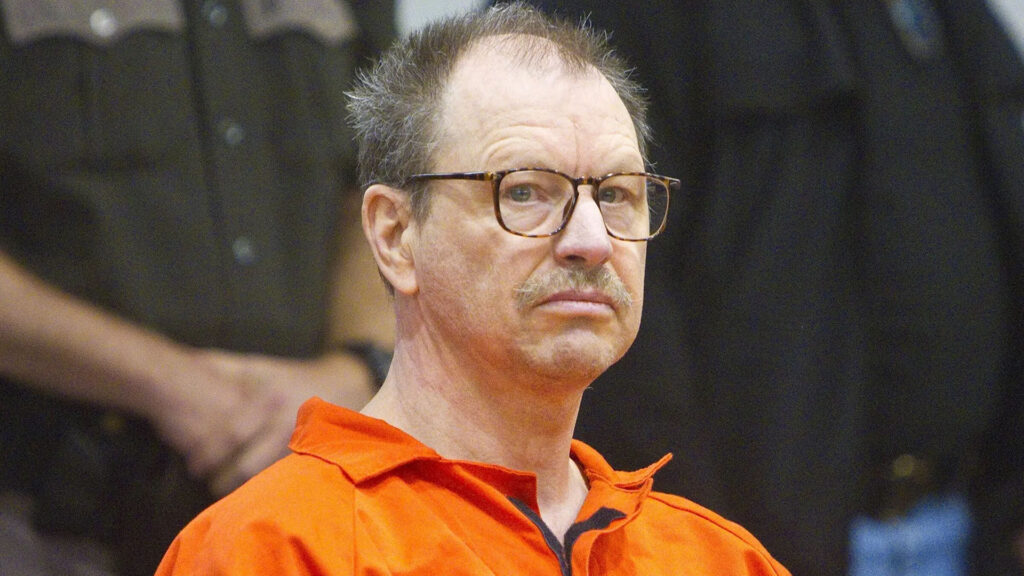
The first body was pulled from the Green River in the summer of 1982.
She was not the last.
Between July 1982 and early 1984, a series of women — many of them sex workers, runaways, and vulnerable young women — disappeared from the Pacific Highway South corridor in King County, Washington, near Seattle.
The river gave the case its name.
The bodies kept appearing far beyond it.
They were found in the river.
They were found along roadsides.
They were found in ditches.
They were found in wooded areas.
Some were not discovered for months.
Some were not discovered for years.
The first victims were discovered in the Green River, giving the case its name.
The rest were scattered across a landscape that seemed to have no end.
One body here.
Another body there.
The county stretched, and the searches stretched with it.
The case became one of the largest serial murder investigations in U.S. history.
Dozens of victims were attributed to a single offender over time.
That attribution came later.
At this point, the record does not establish who the offender was.
The women were gone.
The river held its own.
The roadsides held theirs.
Ditches and wooded areas held theirs.
A task force would eventually form, but that is a later section.
For now, the disappearances simply accumulated.
Each one a report.
Each report a missing person.
Each missing person a family waiting.
The river was the first clue.
It was not the only one.
THE TASK FORCE AND THE COLD YEARS
The task force formed in 1984.
It brought together detectives from multiple agencies.
Dave Reichert was the lead detective for much of the investigation.
He would carry the case for years.
The searches were extensive.
Teams dragged the Green River. They combed roadsides. They walked ditches and wooded areas.
Hundreds of suspects were examined.
The exact number is not specified in the record.
That number is not established.
The case went cold.
It stayed cold for years.
The river kept its dead.
Then, in the late 1980s, investigators began using DNA analysis on evidence from victims.
It was a new tool.

It was also a slow one.
The science required samples. It required comparison. It required waiting.
The waiting stretched on.
Detectives retired. Leads dried up. The bodies remained identified, and the unidentified remained unnamed.
Reichert kept the files close.
He kept the victims' names in rotation.
The task force had gathered evidence. It had taken statements. It had built suspect lists that filled binders.
None of it closed the case.
Not then.
The frustration was not a lack of effort.
The frustration was the absence of a match.
The DNA sat in evidence envelopes.
The suspect lived in Auburn.
The connection would not be made for more than a decade.
THE DNA LINK AND THE ARREST
The DNA sat in evidence envelopes for years.
In 2001, the lab finally had an answer.
DNA evidence linked Gary Ridgway to the murders of four victims.
The record names those four women, but their names are not listed here.
Ridgway was a truck painter from Auburn.
He was arrested on November 30, 2001, outside his workplace.
The arrest came after more than a decade of cold years.
Investigators later used his DNA to connect him to additional victims.
One match became two. Two became more.
Ridgway's cooperation after his arrest led to the recovery of remains of several previously unidentified victims.
He talked. Detectives listened.
The remains came back from riverbanks, from ditches, from wooded areas where they had lain for years.
Not because the case was solved. Because he told them where to look.
The DNA did not explain everything. It did not need to.
The task force had hundreds of suspects before him. He was one of them.
The evidence did what the interviews could not.
What made the lab results different from the earlier leads?
The match was physical. It was repeatable. It was on record.
The arrest was quiet, outside a workplace, on a Friday.
The man who walked out that day would later plead guilty to 48 counts of aggravated first-degree murder.
That came later. In 2001, there were four victims linked by DNA.
And then more.
THE PLEA AND THE SENTENCE
The charge sheet listed seven counts of aggravated first-degree murder.
The man who walked out of his workplace in November 2001 faced a trial that could end in execution.
In November 2003, Gary Ridgway pleaded guilty to 48 counts of aggravated first-degree murder.
The plea agreement spared him the death penalty.
Prosecutors argued the deal was necessary.
It was necessary, they said, to recover victims' remains.
It was necessary to provide closure to families who had waited two decades.
The trial judge accepted the agreement and sentenced Ridgway to 48 consecutive life sentences without the possibility of parole.
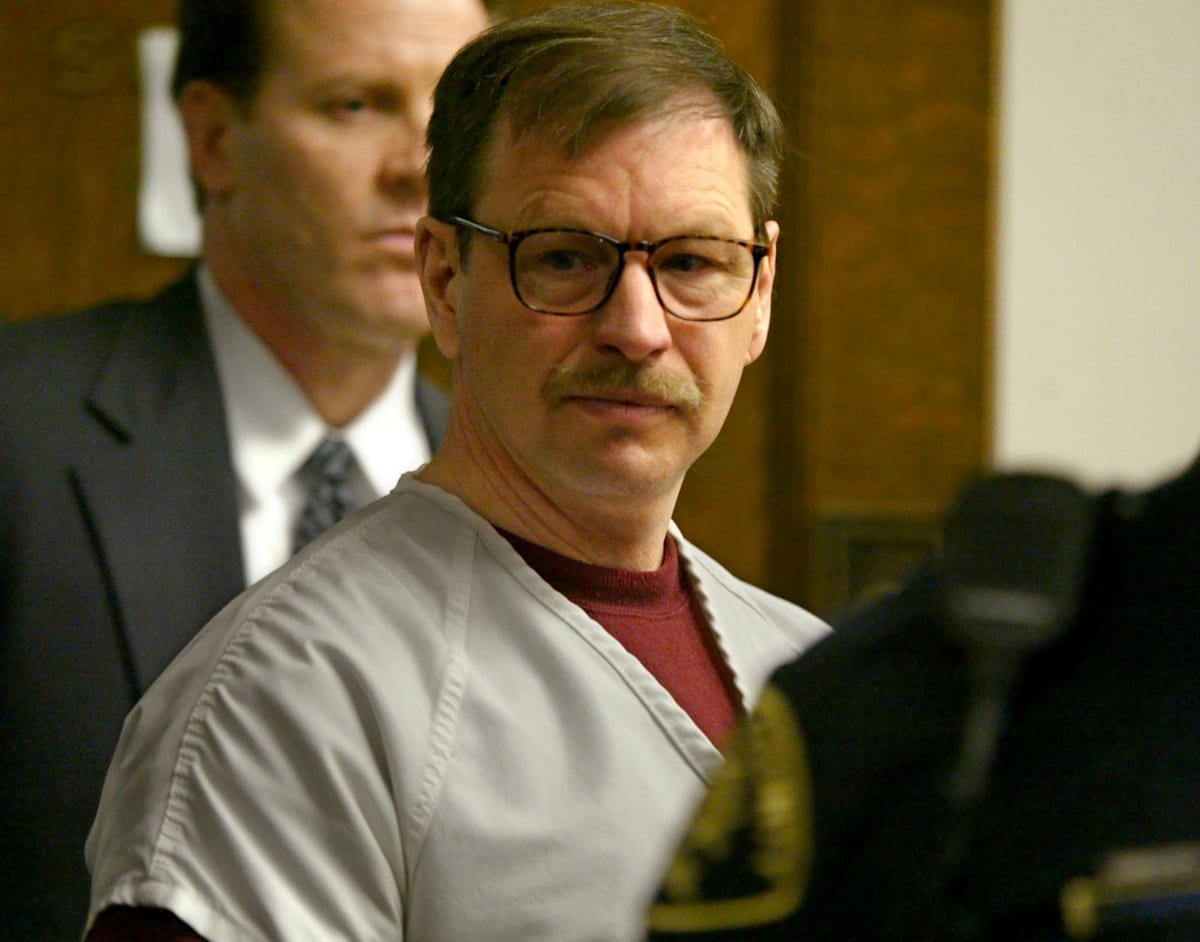
That sentence is a number with a shape: one life for each count, stacked so that no single term ever ends.
As part of the plea, Ridgway agreed to cooperate fully with investigators.
He led them to additional remains.
He led them to places only he knew.
He led them to answers that had been buried since 1982.
The judge who imposed the sentence is not named here.
His name appears in the court record, but not in the news coverage this article draws from.
What is established is the sentence itself.
What is established is the plea.
What is established is the trade: a death penalty case exchanged for 48 life terms and the recovery of the dead.
Was it justice?
Was it mercy?
Was it a bargain with a man who had killed for decades?
That would require evidence.
The record shows the plea was made, the remains were found, and the families were given something to bury.
The man who confessed to 48 murders will die in prison.
That much is documented.
AND THE STORY STILL ISN'T OVER
The record shows the plea was made, the remains were found, and the families were given something to bury.
That much is documented.
What follows is the part that stays open.
Gary Ridgway remains incarcerated at the Washington State Penitentiary in Walla Walla.
He is serving 48 consecutive life sentences without the possibility of parole.
He has been in prison since his sentencing in December 2003.
In 2024, he was moved to a different facility for medical reasons.
The specific medical reason for that transfer is not in the record.
The case itself remains one of the most extensively documented serial murder investigations in American history.
That is a matter of record.
What is also documented is the ongoing work: DNA analysis, forensic genealogy, efforts to identify additional victims.
How many more names might be added?
How many more families are still waiting?
How many more remains are still unaccounted for?
That would require evidence.
The guilty plea established what he admitted to.
It did not establish everything he did.
The court closed its file in December 2003.
The ground has not closed its file.
She was on the ground below.
Some of the victims were found quickly.
Some were found months later.
Some were found years later.
Some have not been found at all.
The man who confessed sits in a cell in Walla Walla.
The families who buried their daughters carry the rest.
The investigation continues because the record is not complete.
Not because the case is unsolved.
But because the case is not finished.
Advertisement
You may also like
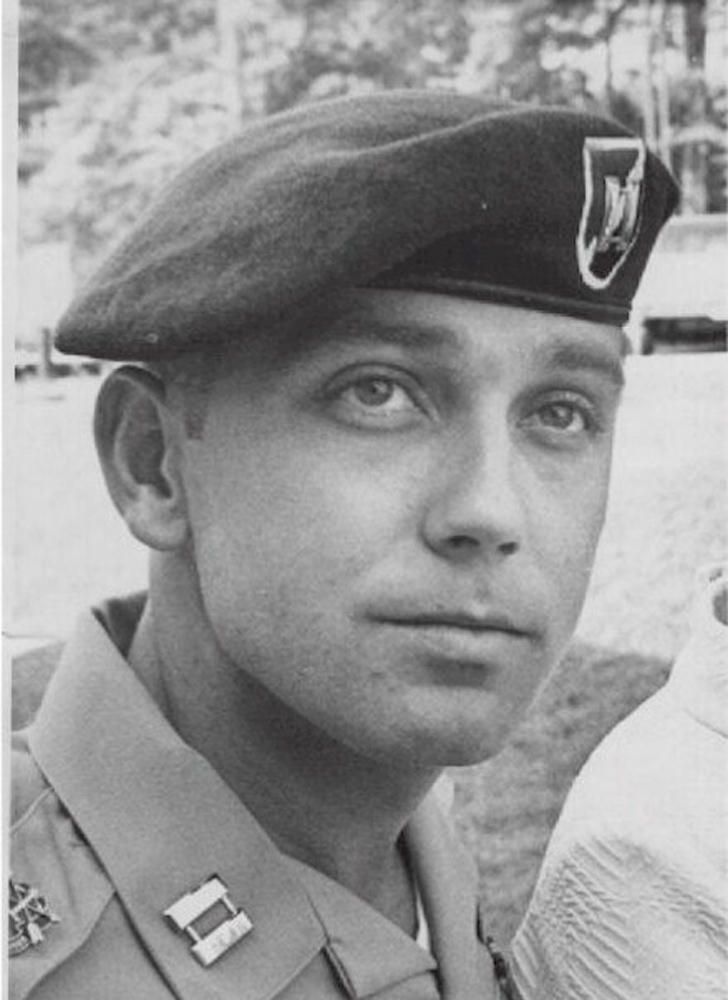
The Green Beret doctor who told MPs a hippie cult killed his family — and the pajama fibers that changed everything
The call came in on February 17, 1970, from the residence of Captain Jeffrey MacDonald, a Green Beret physician at Fort Bragg, North Carolina.…
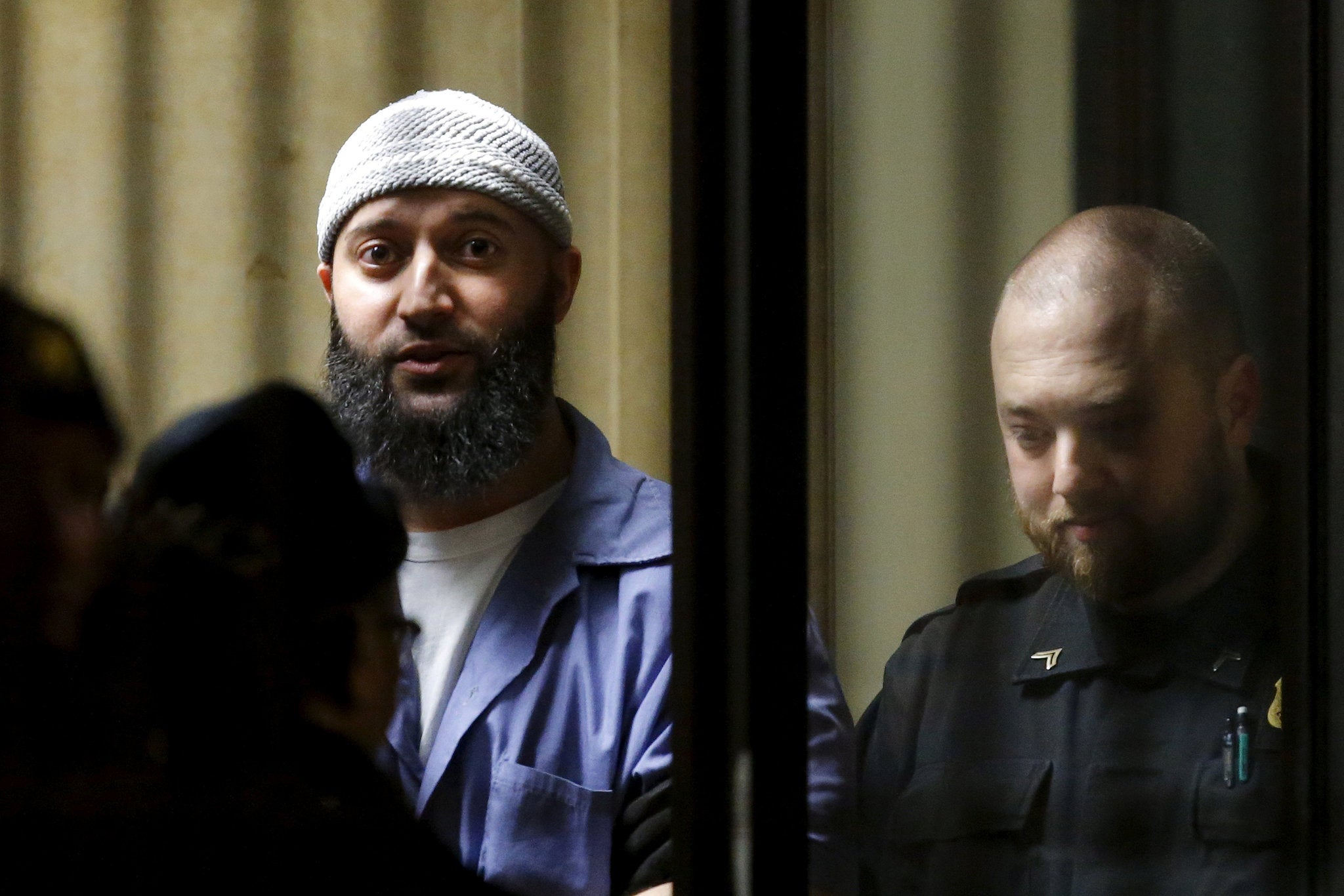
Adnan Syed's 2024 freedom is secure, but the conviction status remains in legal limbo as the Lee family fights on.
It began with a voice. In 1999, an anonymous phone call pointed police toward Adnan Syed—no name given, no evidence offered, just a voice…
The letter that sent the Trailside Killer to a dead end
A letter arrived for the authorities during the Trailside Killer investigation. It was threatening. It was taunting. Handwriting analysis linked it to the killer,…
The letter Erik allegedly wrote about abuse — and why the Menendez brothers' appeals keep failing
A letter Erik allegedly wrote sits inside a 2023 habeas corpus petition filed by the brothers’ attorneys. It describes the abuse, the petition says.…
The parole officer's alert that led authorities to Richard Allen Davis
A woman reported a suspicious man near the Klaas home on the night of October 1, 1993. Her description pointed to Richard Allen Davis,…
The tarot card left at a crime scene — and the message that still haunts detectives
The card was left on the ground at one of the crime scenes. It was a tarot card, and on it someone had written…