The 1994 glove that fit nowhere — a courtroom moment that turned the trial
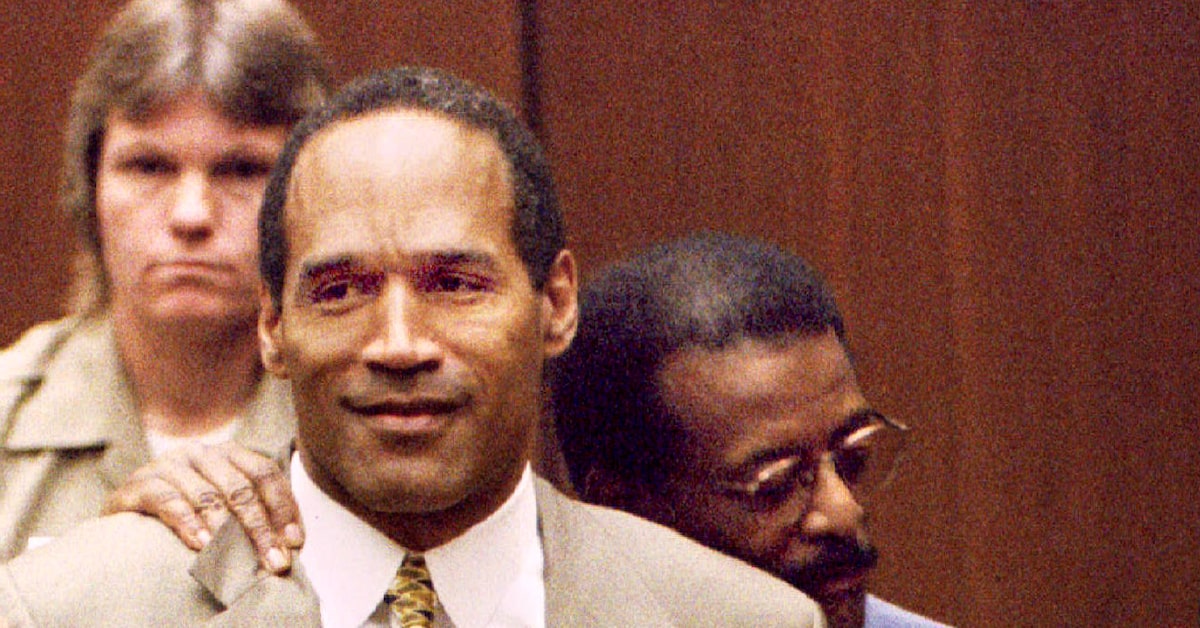
He held the glove by the cuff, easing his hand inside while the courtroom held its breath.
One glove came from the crime scene on Bundy Drive. The other came from his own estate.
The accused tried them on in a Los Angeles courtroom in 1995, and they appeared not to fit.
The cameras captured every second of it.
An estimated 100 million people watched the moment on television on the day of the verdict.
The defense argued the gloves did not fit the accused — a claim that became a rallying cry for those who doubted the prosecution's case.
The prosecution had presented the gloves as key evidence, with blood matching the accused found on them.
It was a turning point in public perception.
A single piece of cloth, held up before the nation, and suddenly the case against him seemed to waver.
But the record does not establish that the gloves were actually too small.
Only that they appeared not to fit in court, on that day, in that demonstration.
The leather was stiff. The lining was cold. The fit was a matter of seconds.
Not because the gloves were definitively the wrong size. But because the moment felt like proof.
That is what the public saw: a man struggling into a pair of gloves that seemed to reject him.
What they did not see was the forensic analysis, the blood evidence, the months of testimony.
They saw the glove. They heard the defense's words. They made up their minds.
Was it a stunt? Was it a miscarriage of justice?
That would require evidence.
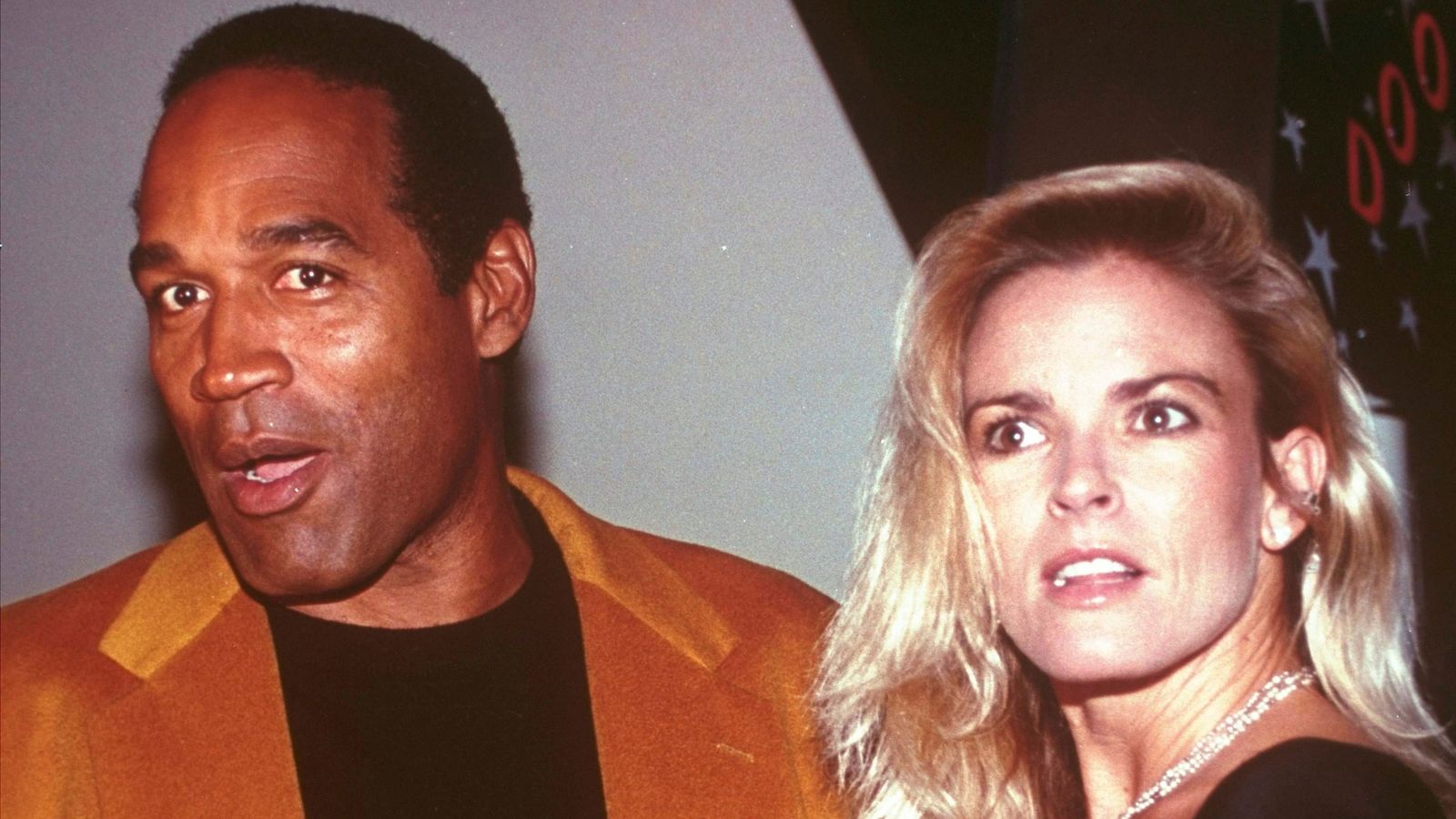
THE NIGHT OF JUNE 12, 1994
The neighbor walked her dog and found the bodies at approximately 12:10 a.m. on June 13.
They were outside Nicole Brown Simpson’s condominium on Bundy Drive in Brentwood, Los Angeles.
Nicole and Ronald Goldman had been stabbed to death.
Goldman, a waiter at a nearby restaurant, had been returning a pair of eyeglasses that Nicole’s mother had left there earlier that evening.
The killings occurred sometime after 10:00 p.m. on June 12.
The exact time is not established.
Police arrived shortly after the bodies were discovered.
Blood drops led away from the bodies.
A bloody glove lay at the scene.
A second glove was found at the accused’s estate on Rockingham Avenue.
The accused had flown to Chicago that night.
He returned the next day and was questioned.
The news broke fast, and the cameras followed.
A former football star, an ex-wife, a waiter returning glasses — the story assembled itself before the investigation did.
The evidence carried weight immediately: the blood, the glove, the second glove.
It looked like a case already closed.
But the timeline had gaps, and the gaps would grow into arguments.
The glove at the scene was one thing.
The glove at the estate was another.
What connected them was not yet proven.
The accused was not arrested that day.
He was questioned, and he went home.
The neighbor’s discovery set the clock.
After 10:00 p.m., the killings happened.
Before 12:10 a.m., they were found.
What happened in between became the trial.
THE CHASE AND THE ARREST
The white Bronco moved at a pace a jogger could match.
Al Cowlings drove. The accused sat in the back, holding a phone to his ear.
News helicopters followed the slow parade across Los Angeles freeways.
It was June 17, 1994, five days after the bodies were found.
The chase was broadcast live on television.
The nation stopped to watch a former football star not fleeing, exactly, but not surrendering either.
He was a suspect in two stabbings.
By the time the Bronco pulled into his driveway, he was something else — a media spectacle.
:max_bytes(150000):strip_icc():focal(749x0:751x2)/PEOPLE_MAG_BROWN_SISTERS_nicole-tout-1067c705ba0c4ab7a7e648e3ffd95be0.jpg)
The police arrested him that evening.
Prosecutors charged him with two counts of first-degree murder.
The trial began on January 24, 1995.
It lasted nearly nine months.
The prosecution laid out its case with blood.
Blood samples from the accused matched blood at the scene, according to the evidence presented.
The defense answered with Detective Mark Fuhrman.
They argued the detective had planted evidence and used racial slurs.
Fuhrman invoked the Fifth Amendment during testimony about his use of the slur.
It is not established that Fuhrman planted evidence; that was a defense argument.
The prosecution's case was criticized for mishandling evidence.
Then came the gloves.
The accused tried them on in court.
The defense said they did not fit.
The moment became the trial's turning point in the public mind.
It was theater, not proof.
The record shows the accusation, the charges, the blood matches, the glove.
What the record does not show is a glove that fit nowhere.

It shows a glove that did not fit one man, once, in a courtroom, on television.
THE VERDICT AND THE AFTERMATH
On October 3, 1995, the jury acquitted the accused of both charges.
The verdict was watched by an estimated 100 million people on television.
It was a moment of silence, then cheers, then tears, broadcast into living rooms across the country.
The criminal case was over.
The record shows the acquittal, and it shows what followed.
In 1997, a civil jury found the accused liable for the wrongful deaths of Nicole Brown Simpson and Ronald Goldman and ordered him to pay $33.5 million in damages to the families.
That verdict did not require proof beyond a reasonable doubt.
The accused was later convicted of armed robbery and kidnapping in 2008 in Las Vegas, Nevada, and served nine years in prison before being released on parole in October 2017.
He died on April 10, 2024, at age 76, after a battle with cancer.
The Goldman family has continued to pursue civil judgments against the accused's estate.
The murders remain officially unsolved in the sense that no one else was ever charged.
It is not established that anyone else was involved in the murders.
No one else was ever charged.
The glove moment faded into the longer record: an acquittal, a civil judgment, a robbery conviction, a death.
What remains is the weight of the first verdict, and the decades of aftermath that followed it.
AND THE STORY STILL ISN'T OVER
%2Fdmn3xkgw.JPG)
The glove that didn't fit became the symbol of the trial, the image replayed for decades.
But the record shows it was a moment of courtroom theater, not a documented fact of innocence.
It is not established that the glove was too small; that was a defense argument, not a finding.
The accused was acquitted in criminal court.
In 1997, a civil jury found him liable for the wrongful deaths of Nicole Brown Simpson and Ronald Goldman.
The Goldman family has continued to pursue civil judgments against his estate.
The murders remain officially unsolved in the sense that no one else was ever charged.
The knife used in the killings was never recovered.
The accused died in 2024, but the legal and public reckoning continues.
The glove remains an object of fascination.
A reminder of how a single moment can shape a trial's legacy.
Not because the fit proved anything.
But because the image was so clean, so simple, so easy to carry out of the courtroom.
The evidence was never that clean.
The blood was matched.
The timeline was argued.
The verdict was delivered.
And still, the glove hangs in the public memory, a question the record cannot answer.
What remains is the weight of the first verdict, and the decades of aftermath that followed it.
That would require evidence.
Advertisement
You may also like
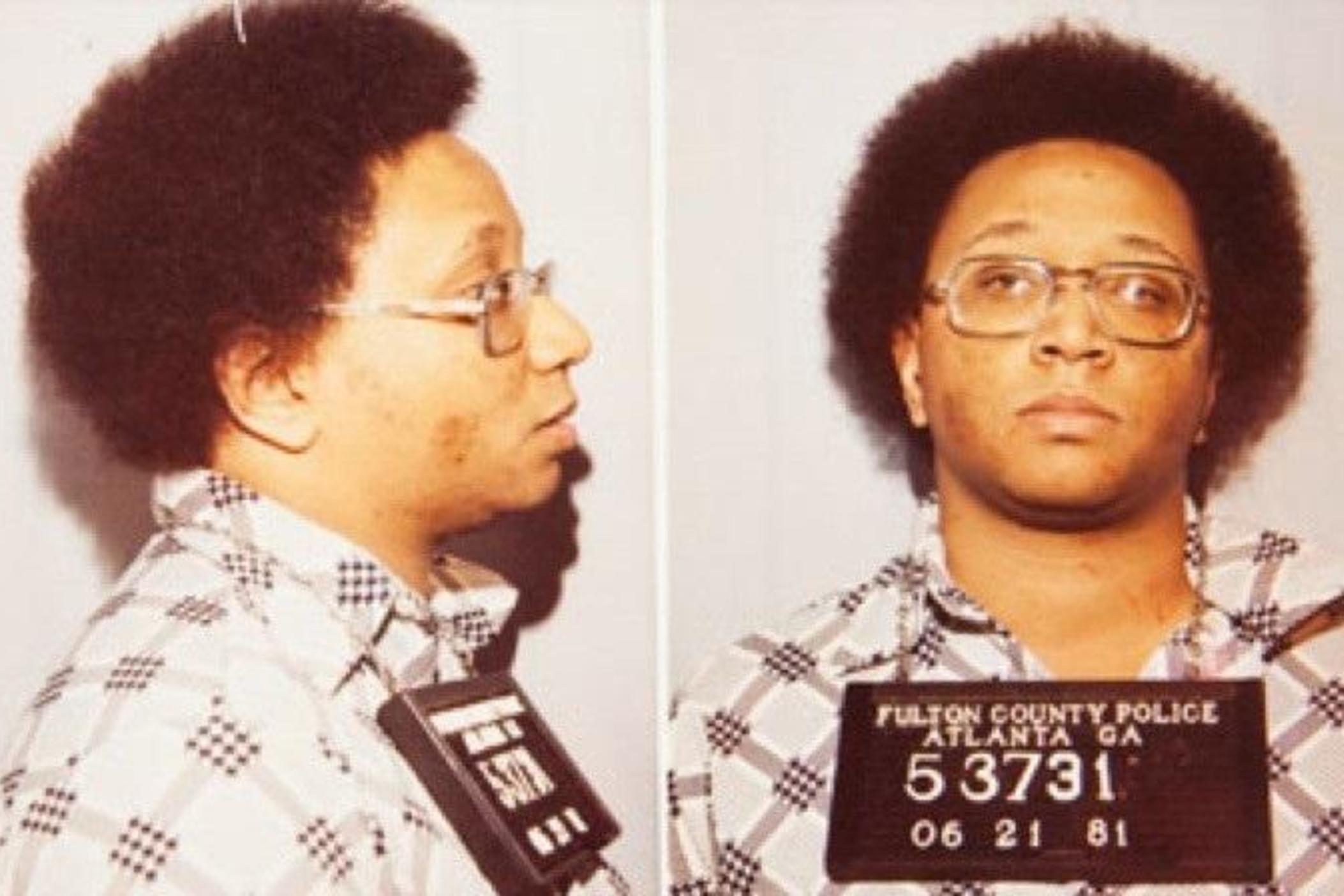
The 9-year-old boy whose mother demanded justice for Atlanta's vanished children
Camille Bell’s son was nine years old. His name was Yusuf Bell, and between 1979 and 1981, at least 28 Black children, adolescents, and…
The 31-day gap in a missing-child report that changed a family forever
On July 15, 2008, Cindy Anthony called 911 to report her two-year-old granddaughter missing. She told the dispatcher that her daughter, Casey Anthony, had…
The sister who spent decades correcting the 38-witness myth
The number 38 has been attached to Kitty Genovese's murder for decades. The supposed witnesses who saw or heard the attack and did nothing,…
Pregnant mom and two daughters vanish; husband's truck seen leaving at dawn
The truck is already moving before the street is fully light. A neighbor's security camera caught that image on August 13, 2018: Christopher Watts's…
A boat bought days before a missing wife — the timeline detectives couldn't shake
He reported her missing on December 24, 2002. Laci Peterson was eight months pregnant, and Scott Peterson told police she had vanished from their…
The rear axle that cracked the Oklahoma City bombing case open
The rear axle sat in a crater of broken glass and concrete, blocks from where the Murrah Building's north face used to be. At…