The rear axle that cracked the Oklahoma City bombing case open
The rear axle sat in a crater of broken glass and concrete, blocks from where the Murrah Building's north face used to be.
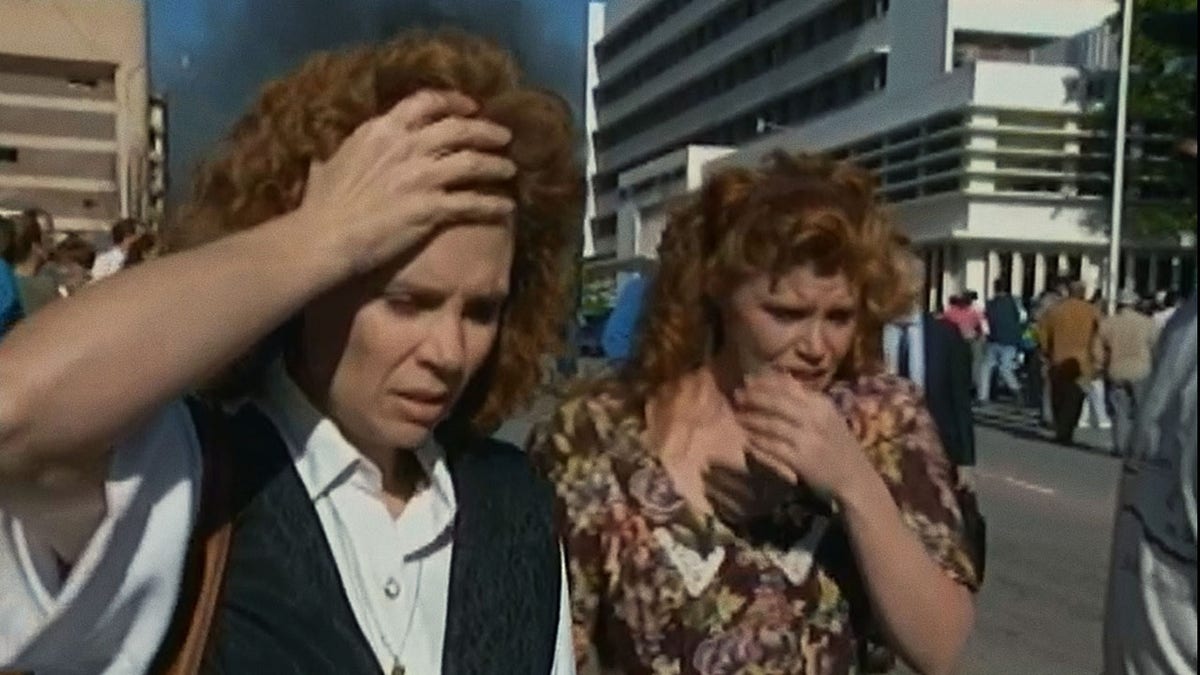
At 9:02 a.m. on April 19, 1995, a rented Ryder truck bomb exploded outside the Alfred P. Murrah Federal Building in Oklahoma City.
The blast tore off the building's north face, collapsing floors and trapping workers and children in a day-care center.
Rescuers would work for weeks. The death toll would reach 168.
But in those first hours, the scene was chaos — smoke, sirens, dust, and thousands of pieces of metal scattered across the streets.
One of those pieces was a rear axle.
It still bore a vehicle identification number, stamped into the steel.
That VIN would trace the truck to a Ryder rental agency in Junction City, Kansas.
From there, the record runs: a rental receipt, fingerprints, a traffic stop, a trial.
The axle is the object that turned a chaotic crime scene into a traceable chain of evidence.
One part. One number. One thread pulled from the rubble.
A theory circulating online suggests wider involvement beyond the convicted men.
That theory is not established by the record.
The record shows the axle. The record shows the rental. The record shows the convictions.
Everything else is speculation, and speculation is not evidence.
How did that axle lead anywhere?
It led to Kansas. It led to a name. It led to a courtroom.
It led because someone looked at a piece of twisted metal and read the number stamped on it.
9:02 A.M. — THE BLAST AND THE FIRST 90 MINUTES
At 9:02 a.m., the bomb — ammonium nitrate and fuel oil — exploded outside the Alfred P. Murrah Federal Building.
The blast killed 168 people, including 19 children, and injured more than 500.
Rescue and recovery efforts ran for weeks.
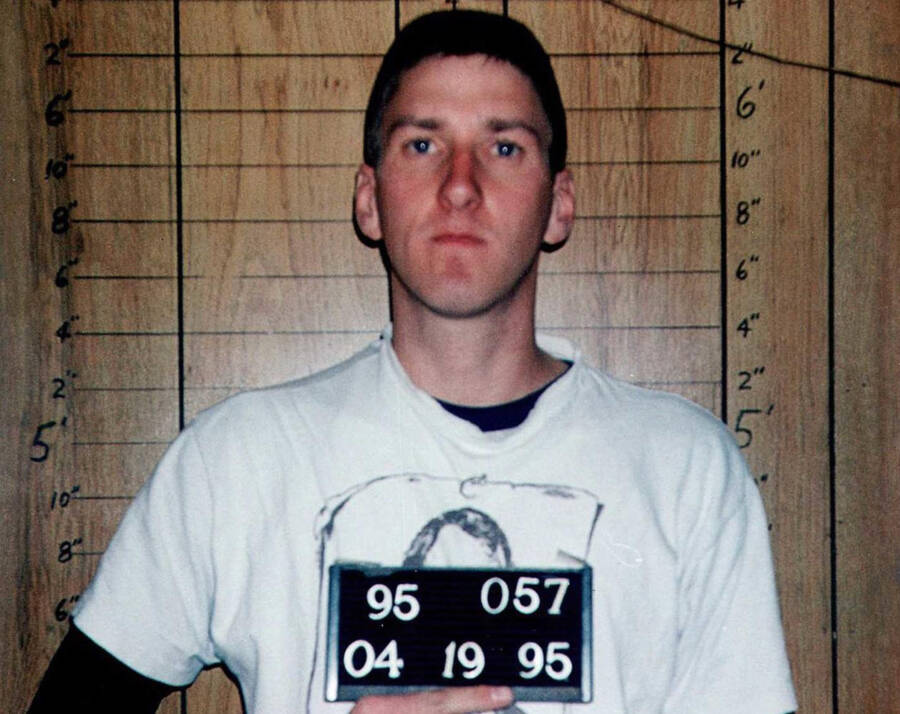
Within 90 minutes, an Oklahoma Highway Patrol trooper stopped a speeding 1977 Mercury Marquis.
The driver was arrested for driving without a license plate and carrying a concealed weapon.
The trooper was Charles Hanger, though he was not widely named in initial coverage.
That is a coverage fact, not a gap in the evidence.
The driver was later identified as Timothy McVeigh, a 27-year-old Gulf War veteran.
The arrest was not initially linked to the bombing.
It was a routine traffic stop.
A routine stop in a state where the nation's worst domestic attack had just happened.
The trooper had no reason to connect the man in front of him to the rubble blocks away.
No radio alert had named the suspect.
No description matched the driver.
It was a license plate and a gun.
It was the randomness of a patrol car on a highway.
The man was taken to a county jail.
The case continued without him.
Agents were still sifting debris, still counting the dead, still chasing the axle's number.
McVeigh sat in a cell, unknown.
That would not last.
THE VIN AND THE RENTAL RECEIPT
The axle's number was run through the system.
It came back to a Ryder rental agency in Junction City, Kansas.
That was the first click.
FBI agents reached the agency and spoke to the staff.
Witnesses there described a man who matched McVeigh's appearance.
The source does not quote their exact words; it records only that they gave that description.
Agents pulled the rental file.
On the receipt, they found fingerprints.
The prints matched McVeigh's.
That was the second click.
Forensic analysis of the bomb residue tied the materials to the plot.
The ammonium nitrate, the fuel oil, the mixture itself.
That was the third click.
Then the phone records came in.
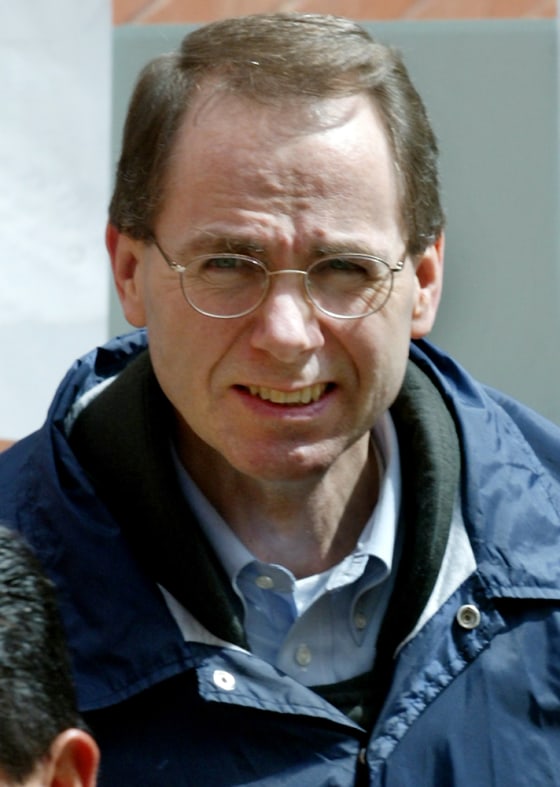
They linked Terry Nichols, McVeigh's former Army friend, to the planning.
Nichols had purchased large quantities of ammonium nitrate.
The purchase matched the bomb's signature.
That was the fourth click.
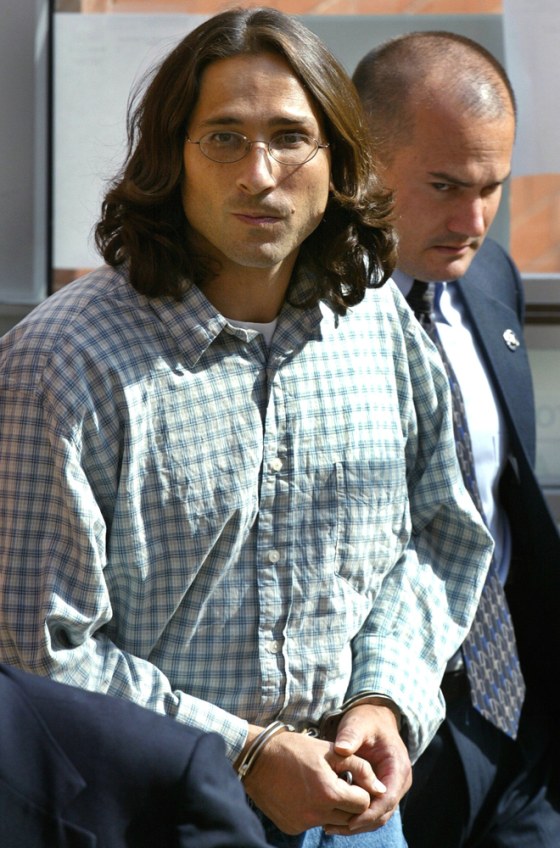
Michael Fortier had helped scout the building.
He agreed to testify against both men.
His testimony came with a reduced sentence.
That was the fifth click.
Each piece was separate.
Each piece fitted the one before it.
The axle gave the truck.
The truck gave the rental.
The rental gave the receipt.
The receipt gave the prints.
The prints gave the man.
The record does not establish anything beyond that chain.
It does not need to.
TWO STORIES, ONE RECORD
The prosecution argued that McVeigh and Nichols conspired to bomb the building.
McVeigh was charged with 11 counts of conspiracy and first-degree murder.
The defense argued McVeigh was a scapegoat for a wider conspiracy.
A wider conspiracy theory is not established by the record.
It remains a defense claim that was rejected.
The jury rejected the defense's argument on June 2, 1997.
McVeigh was convicted on all counts.
Nichols was tried separately.
Nichols was convicted of conspiracy and involuntary manslaughter.
Nichols was sentenced to life without parole.
Fortier pleaded guilty to failure to inform authorities.
Fortier was sentenced to 12 years.
The FBI faced criticism for failing to share documents with the defense.
That mistake led to a review.
It did not overturn the convictions.
The record supports the prosecution's version.
That is the chain: the axle, the VIN, the rental receipt, the prints.

The defense's story required more actors, more documents, more failures.
The prosecution's story required one truck and two men.
The record holds the second story.
It holds the first only as a rejected argument.
The jury weighed both.
The jury chose the record.
AND THE STORY STILL ISN'T OVER
McVeigh was executed by lethal injection on June 11, 2001, at the federal prison in Terre Haute, Indiana.
Nichols remains incarcerated at a federal supermax facility.
Fortier was released from prison in 2006.
The Murrah Building site is now the Oklahoma City National Memorial, dedicated in 2000, with a field of empty chairs for each of the 168 victims.
Bud Welch, whose daughter Julie died in the blast, continues to speak publicly against the death penalty and for reconciliation.
He does not seek a new trial. He does not claim a hidden hand.
He asks what the memorial is for.
The next concrete step is not a legal one. No pending motions appear in the record. No hearing dates are set.
The next step is the ongoing public reckoning with the memorial and the survivors' voices.
The chairs do not move. The names do not change.
The trial produced a verdict; the execution produced a finality.
What remains is not the courtroom. It is the open ground where the building stood.
She is not there. The chair is there.
The record closed on McVeigh. It did not close on everyone else.
Welch speaks. The memorial stands. The living keep the date.
That would require no evidence at all.
Advertisement
You may also like
The mother who waited 37 years for the truth about Elizabeth Short
The morning of January 15, 1947, a woman’s body lay in a vacant lot on Norton Avenue in the Leimert Park area of Los…
The jailhouse confession that broke the Manson Family case open
It began with a report from a cell. In November 1969, a jailhouse informant — Susan Atkins's cellmate — told authorities that Atkins had…
Five bullet casings, one ciphered signature, and the last face the Zodiac saw
The cab pulled to the curb in Presidio Heights, and the driver waited for the fare. He was shot and killed there on October…
The night a doctor's wife died — and the family next door heard something first
The house next door was quiet that night. Marilyn Sheppard, 31, was found bludgeoned to death in her upstairs bedroom on July 4, 1954,…
The 9-year-old boy whose mother demanded justice for Atlanta's vanished children
Camille Bell’s son was nine years old. His name was Yusuf Bell, and between 1979 and 1981, at least 28 Black children, adolescents, and…
The 31-day gap in a missing-child report that changed a family forever
On July 15, 2008, Cindy Anthony called 911 to report her two-year-old granddaughter missing. She told the dispatcher that her daughter, Casey Anthony, had…