The 9-year-old boy whose mother demanded justice for Atlanta's vanished children
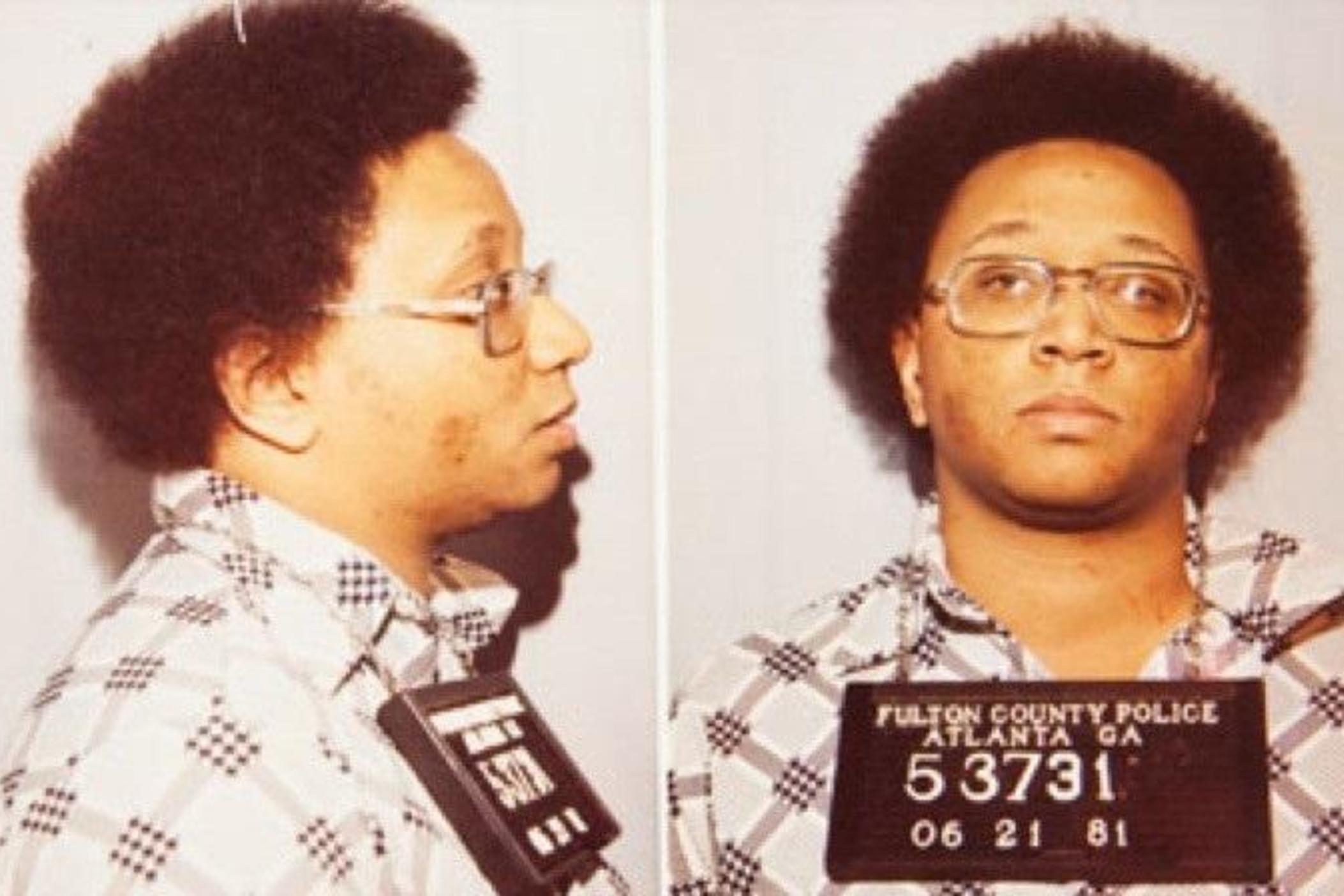
Camille Bell’s son was nine years old.
His name was Yusuf Bell, and between 1979 and 1981, at least 28 Black children, adolescents, and young adults disappeared and were found murdered in Atlanta, Georgia.
Yusuf was one of the youngest victims.
His mother became a voice the city could not ignore.
She demanded justice in public, in front of cameras, in the spaces where other mothers wept and waited.
Her grief was plain. Her frustration was louder.
The case would be called the Atlanta Child Murders, though several victims were adults.
The specific details of Yusuf Bell’s disappearance are not in the record.
What is documented is the weight his mother carried into every appeal for answers.
She spoke for a son who could not speak.
She spoke for the other families who felt the investigation moved too slowly.
She spoke because the bodies kept appearing in wooded areas, in rivers, in vacant lots.
Not because the city asked her to. Because the city had not.
It is a mother’s demand. It is also a public record of loss.
The youngest victims are often remembered by their ages. Yusuf was nine.
His mother made sure his name stayed in the story.
THE VANISHING
Between 1979 and 1981, at least 28 Black children, adolescents, and young adults disappeared and were found murdered in the Atlanta, Georgia, area.
The victims ranged in age from 7 to 28, with most being male.
Bodies were discovered in wooded areas, rivers, and vacant lots across the city.
The killings were discovered gradually, as families reported missing children and police began finding bodies in similar circumstances.
Yusuf Bell was nine years old when he vanished.
His mother, Camille Bell, would speak of the wait, the fear, and the search.
A seven-year-old girl disappeared. A twelve-year-old girl disappeared. Young men in their twenties disappeared.
The city knew the pattern before it had a name.
Police initially struggled to connect the cases, with some early deaths attributed to accidents or other causes.
The exact number of victims is not fully established in the record.
The full timeline of each disappearance is not fully established in the record.
What is documented is the count of families who reported their children missing.
What is documented is the growing list of bodies found in the woods and the river.
What is documented is the dread that settled over Atlanta as the numbers climbed.
It was a mother’s demand. It was also a public record of loss.
THE BRIDGE AND THE SPLASH
On the night of May 22, 1981, police were watching a bridge over the Chattahoochee River.
They were there because of reports of a suspicious vehicle.
Then they heard a splash — a loud one, the record says.
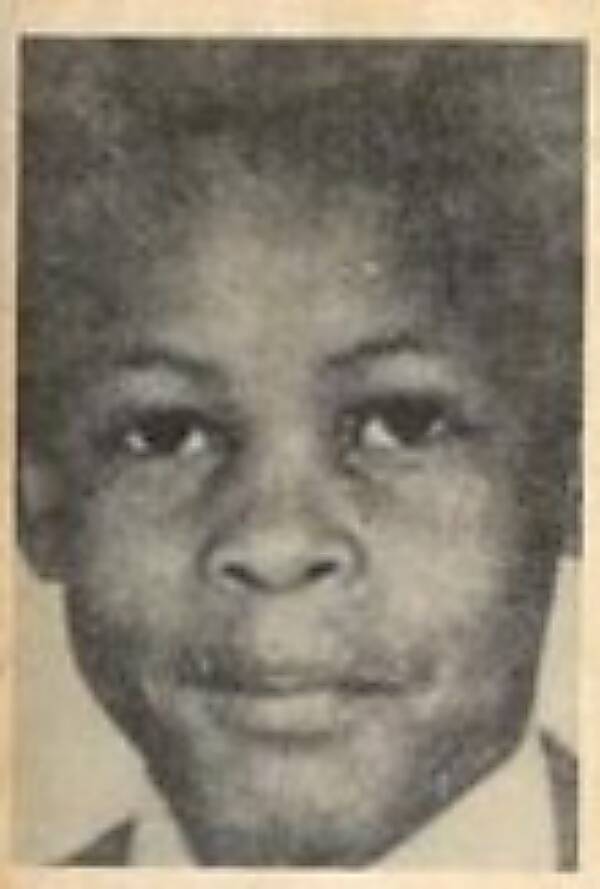
Officers stopped Wayne Williams, who was driving nearby.
Days later, the body of a man was found downstream in the river.
That man was one of the two adult victims Williams would be tried for.
The record does not fully document the splash.
The record does not fully document the stop.
What is documented is the sequence: the stakeout, the sound, the stop, the body.
Forensic evidence tied dog hairs and carpet fibers found on victims to Williams's home and vehicle.
The prosecution's case leaned heavily on fiber analysis.
That analysis linked Williams to multiple victims, the prosecutors said.
But he was tried for only the two adult murders.
Not the children.
Not Yusuf, not the others whose names filled the lists.
The fiber evidence was the bridge between the river and the courtroom.
It was circumstantial, the defense argued.
It was enough, the prosecution said.
The identity of the two adult victims is in the record.
The specific details of that night on the bridge are not fully documented.
What is documented is the break.
What is documented is the shift.
What is documented is that the investigation turned on a splash in the dark.
That would require evidence — and the evidence was fibers, not certainty.
THE TRIAL AND THE VERDICT
The trial opened in Fulton County Superior Court in 1982.
Wayne Williams stood accused of two murders, both of adult victims.
The trial lasted nine weeks.
The prosecution presented extensive fiber evidence and witness testimony placing Williams with the victims.
The defense argued that the evidence was circumstantial and that Williams was a scapegoat.
On February 27, 1982, the jury found Williams guilty of both murders.
The names of the two adult victims are not in the record, and the specific evidence presented at trial is not fully detailed.
That detail is missing from what is documented.
What is documented is the verdict.
What is documented is that Williams was never charged with the child murders.
Police and prosecutors publicly stated they believed he was responsible for many of them.
That belief was stated, but the charge was never brought.
The trial was for two deaths, not for the children whose faces had filled the news.
Yusuf Bell's mother had demanded justice in the streets, in the press, in the faces of officials.
She had stood where the cameras could see her.
The verdict did not name her son.
It named no child at all.
The cases of the remaining victims were closed, though not formally adjudicated.
Closed is a word the record uses.
It is a word the families have not accepted.
AND THE STORY STILL ISN'T OVER
Wayne Williams remains incarcerated in Georgia state prison.
He has repeatedly sought new trials, arguing flawed forensic evidence and ineffective counsel.
Courts have denied his appeals.
In 2019, Atlanta Mayor Keisha Lance Bottoms ordered a review of the cases using DNA evidence.
The results were inconclusive.
They did not lead to new charges.
That is what the record establishes, and what it does not.
The belief that others were involved is a claim, not a fact established by the record.
Many victims' families continue to hold that belief.
Camille Bell and other family members have continued to advocate for further investigation.
They have asked for acknowledgment of the victims.
The case remains officially closed.
It is also widely considered one of the most controversial and unresolved chapters in American criminal justice history.
Closed is a word the record uses.
It is a word the families have not accepted.
Not because the evidence is settled.
But because the questions were never answered for them.
What happened to Yusuf Bell remains a question without a documented answer.
What happened to the others remains a question without a documented answer.
What the DNA review found remains a question without a documented answer.
That would require evidence.
The families continue to ask.
The record does not give them what they seek.
Advertisement
You may also like
The Clutter family's last morning: a church pew left empty and a shotgun found at close range
The empty pew was noticed first. On the morning of November 15, 1959, the Clutter family did not show up for church in Holcomb,…
The ATF raid that sparked a 51-day siege — and the fire that still divides investigators
On April 19, 1993, a fire broke out during the FBI's final assault on the Mount Carmel Center. Seventy-six people inside the compound died…
A hammer near two desert graves — and the phone records that redrew a family's last days
The motorcyclist stopped in the Mojave Desert near Victorville, California, on November 11, 2013. He found two shallow graves in the dirt. Inside were…
The ring that identified Emmett Till after his body was found in the Tallahatchie River
The ring was small. It was inscribed with his father's initials. It was the only thing that gave Emmett Till back his name. He…
The mother who waited 37 years for the truth about Elizabeth Short
The morning of January 15, 1947, a woman’s body lay in a vacant lot on Norton Avenue in the Leimert Park area of Los…
The jailhouse confession that broke the Manson Family case open
It began with a report from a cell. In November 1969, a jailhouse informant — Susan Atkins's cellmate — told authorities that Atkins had…