The Clutter family's last morning: a church pew left empty and a shotgun found at close range
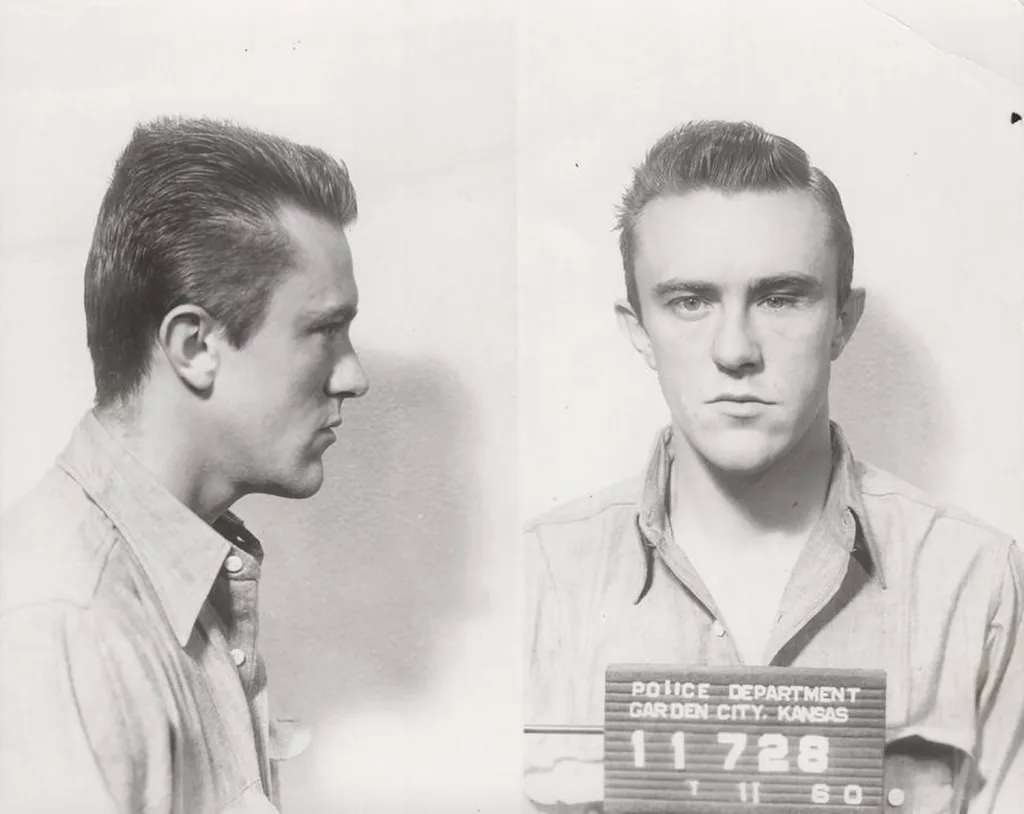
The empty pew was noticed first.
On the morning of November 15, 1959, the Clutter family did not show up for church in Holcomb, Kansas.
Neighbors and friends noted the absence.
It was a small town, and the Clutters were not a family who missed church.
The family also missed a planned outing that day.
That was enough to prompt friends to go to the house.
They found the bodies the following morning.
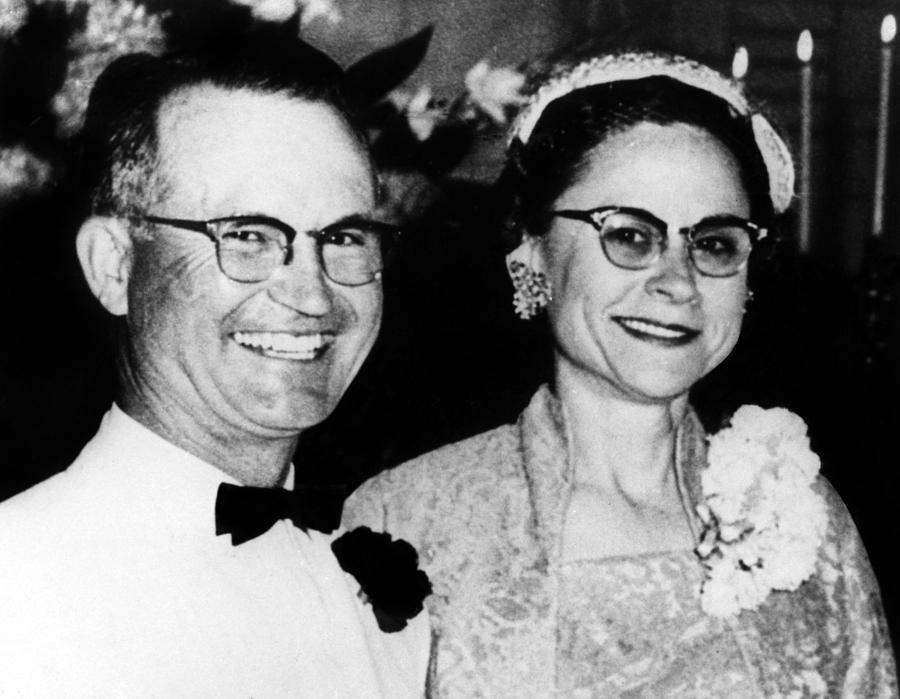
Herbert Clutter, his wife Bonnie, and their teenage children Nancy and Kenyon were dead.
The victims had been bound and shot at close range with a shotgun.
Four people, in their own home, on an ordinary Sunday night.
The case remained unsolved for several weeks.
It is not established what time the family was last seen alive.
It is not established who specifically noticed the empty pew first.
Those details did not survive the investigation.
What survived was the fact of the absence itself.
A routine absence that turned out to be the first sign of something unspeakable.
The town would spend weeks wondering what else that ordinary morning hid.
The answer would not come from the pew.
It would come, eventually, from a former cellmate of one of the perpetrators, who provided information to authorities.
THE LAST DAY
Herbert Clutter was a wealthy farmer and a prominent figure in the small farming community of Holcomb, Kansas.
His wife Bonnie and their two teenage children, Nancy and Kenyon, lived at home.
Two older daughters, Eveanna and Beverly, were married and living away.
On the morning of November 15, 1959, the family did not appear at church.
They also missed a planned outing that day.
What that outing was, or who organized it, is not in the record.
The silence of that empty pew was the first sign.
Friends and neighbors, worried by the absence, went to the house the following morning.
Inside, they found the family bound with rope and shot at close range.
There was no sign of forced entry.
Nothing of significant value appeared to have been taken.
Investigators could not, at first, find a motive.
A wealthy farmer, a prominent man, and his family—dead in their own home for no apparent reason.
The ordinary routines of that last day—church, an outing, a family together—became the last documented moments before the violence.
It is not established what the planned outing was.
It is not established who organized it.
The record holds only the absence: the empty pew, the missed appointment, and the morning discovery that followed.
THE TIP FROM A CELLMATE
The case broke in a prison cell, not in Holcomb.
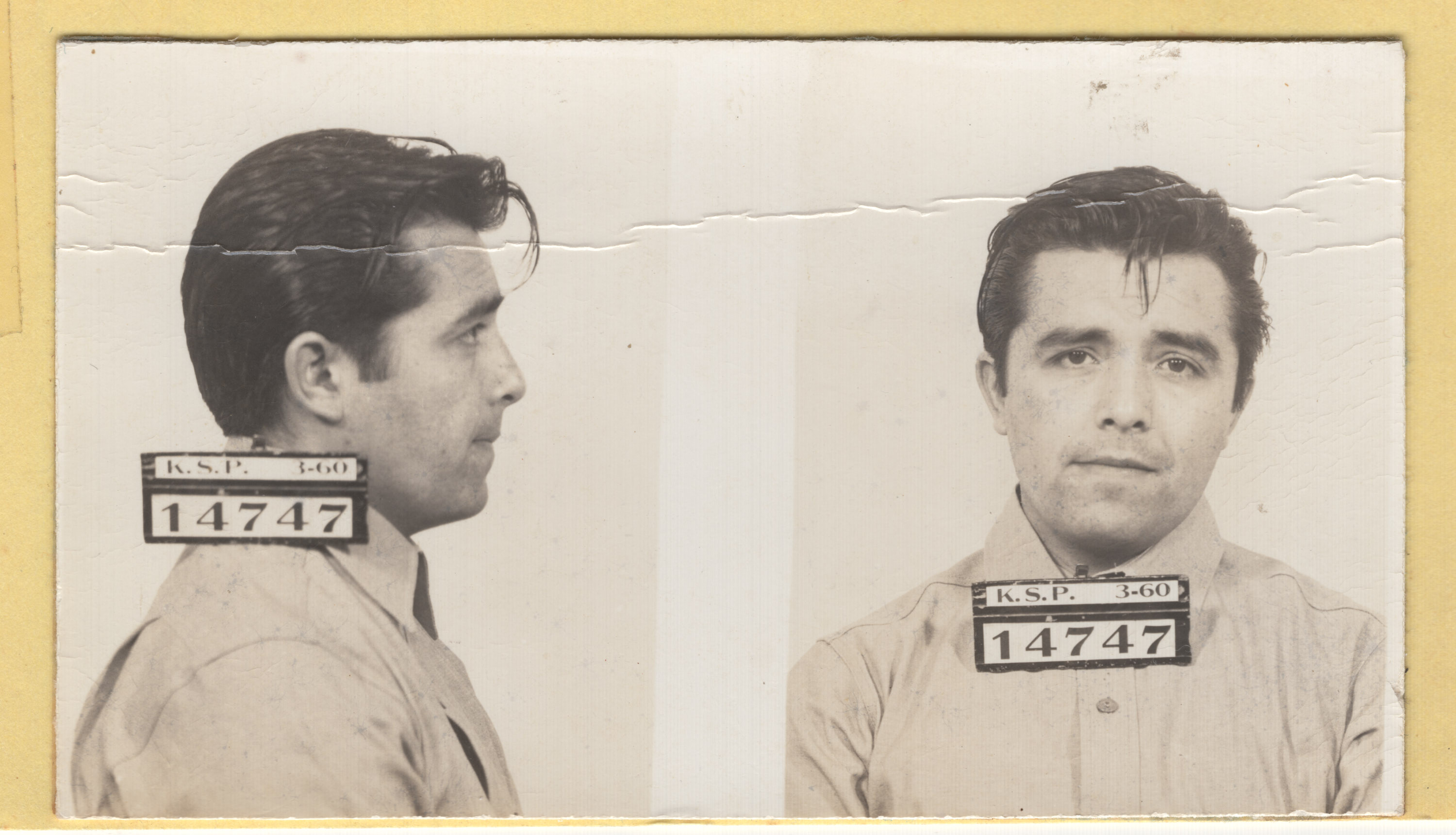
Floyd Wells was serving time in Kansas State Penitentiary when he told authorities what he knew.
Wells had worked for Herbert Clutter.
He had told his cellmate, Richard Hickock, about the family's wealth.
That conversation, years earlier, finally explained a town's nightmare.
Hickock and Perry Smith, two ex-convicts, were arrested in Las Vegas on December 30, 1959.
Both men confessed.
Their accounts differed on details.
The exact differences are not specified in the record.
The physical evidence was quieter.
The rope used to bind the victims was traced to a supplier.
A radio stolen from the Clutter home was found in Mexico.
A 12-gauge shotgun was used in all four murders.
The perpetrators traveled to Kansas in a 1955 Chevrolet sedan.
The confession came weeks after the empty pew.
It came after the missed outing.
It came after the morning discovery.
A conversation in a cell, held long before the murders, was what finally broke the silence.
Fate is strange that way.
A man talked about his old boss's money.
Another man listened.
The town of Holcomb did not know any of this yet.
They only knew the Clutters were gone.
The record holds what the investigation established: the rope, the radio, the shotgun, the Chevrolet.
It holds the arrests and the confessions.
It does not hold the exact details of how those confessions differed.
That would require evidence the record does not provide.
THE TRIAL AND THE TWO STORIES
The trial opened in Finney County, Kansas, in March 1960.
It ran for approximately six weeks.
Two men sat in the same courtroom, each accused of the same four murders.
The prosecution's case rested on the confessions and the physical evidence linking the men to the crime.
There was the rope, traced to a supplier.
There was the radio, found in Mexico.
There were the confessions themselves.
The defense challenged the details of those confessions.
The two men's accounts of the same night differed.
They differed on who did what, and in what order.
The jury had to choose between two versions of a single evening.
Not because one was obviously true.
But because both men had already spoken.
The specific arguments made by the defense attorneys are not detailed in the record.
That would require evidence the record does not provide.
The jury found both defendants guilty of four counts of first-degree murder.
The jury recommended the death penalty.
Judge Roland Tate sentenced both men to death.
The Kansas Supreme Court upheld the convictions on appeal.
The case became famous through Truman Capote's nonfiction novel *In Cold Blood*.
Capote researched extensively while the case was still ongoing.
He interviewed investigators.
He interviewed townspeople.
He interviewed the defendants themselves.
The book would shape how the public understood the Clutters' last morning.
But the book is not the record.
The record is the rope, the radio, the confessions, and the verdict.
:max_bytes(150000):strip_icc():focal(999x0:1001x2)/in-cold-blood-2-1-07b374b9528645cc94c1bea2652ff55f.jpg)
The record is a jury having to choose between two men's versions of the same night.
They chose.
Both men were sentenced to death.
Both men were executed by hanging on April 14, 1965.
The family's pew stayed empty.
The case stayed closed.
AND THE STORY STILL ISN'T OVER
The executions happened on April 14, 1965, at the Kansas State Penitentiary in Lansing.
Both men died by hanging.
The Kansas Bureau of Investigation closed the case after the executions.
The case was closed.
The Clutter family farm was sold.
The house was later demolished.
The empty pew in Holcomb stayed empty.
The surviving daughters, Eveanna and Beverly, lived private lives away from the public eye.
That is all the record says about them — that they lived privately.
Nothing about their marriages, their homes, or their later years is in the record.
What remains is the name, and the name is attached to the case forever.
Truman Capote published *In Cold Blood* in 1966.
The book made the case one of the most famous in American criminal history.
Documentaries followed.
Films followed.
Books followed.
Capote's account remains the most influential.
It is the version most people know, though it is a version, not the record.
The record holds the rope, the shotgun, the confessions, the trial, the appeals, the stays.
It holds the executions.
It holds the closing of the case.
What it does not hold is the family's last ordinary day, except as others remembered it.
The daughters did not tell the story publicly.
The town remembered the pew.
The farm was sold, the house came down.
The case stayed closed.
The name stayed.
Advertisement
You may also like

The manifesto that one brother read and could not ignore
In 1995, a 35,000-word manifesto arrived at The New York Times and The Washington Post. The FBI asked both papers to publish it, and…
Two shotguns bought days before the Menendez parents were found dead in their den
Two Mossberg 12-gauge shotguns, purchased by Lyle Menendez days before the murders, according to the case file. On August 20, 1989, José and Kitty…
The mother who dialed 911 for Gabby Petito — and the van that came back without her
Her phone did not ring back. On September 11, 2021, Gabby Petito’s mother reported her missing. Gabby was 22, from Blue Point, New York.…
The trucker's tip that ended the 2002 D.C. sniper attacks — and the bus driver whose death broke the case
The truck driver heard the radio mention a blue Chevrolet Caprice. He was at a rest stop near Myersville, Maryland, when he saw it.…
The tip that ended a three-week sniper terror — a rest stop on I-70
October 24, 2002: a tipster picked up the phone. The call alerted police to a white Chevrolet Caprice parked at a rest stop on…

Who was Hae Min Lee? A track star's last day and the family still seeking answers
The bell rang at Woodlawn High School on January 13, 1999, and Hae Min Lee walked out of class. She was 18, a senior,…