The manifesto that one brother read and could not ignore
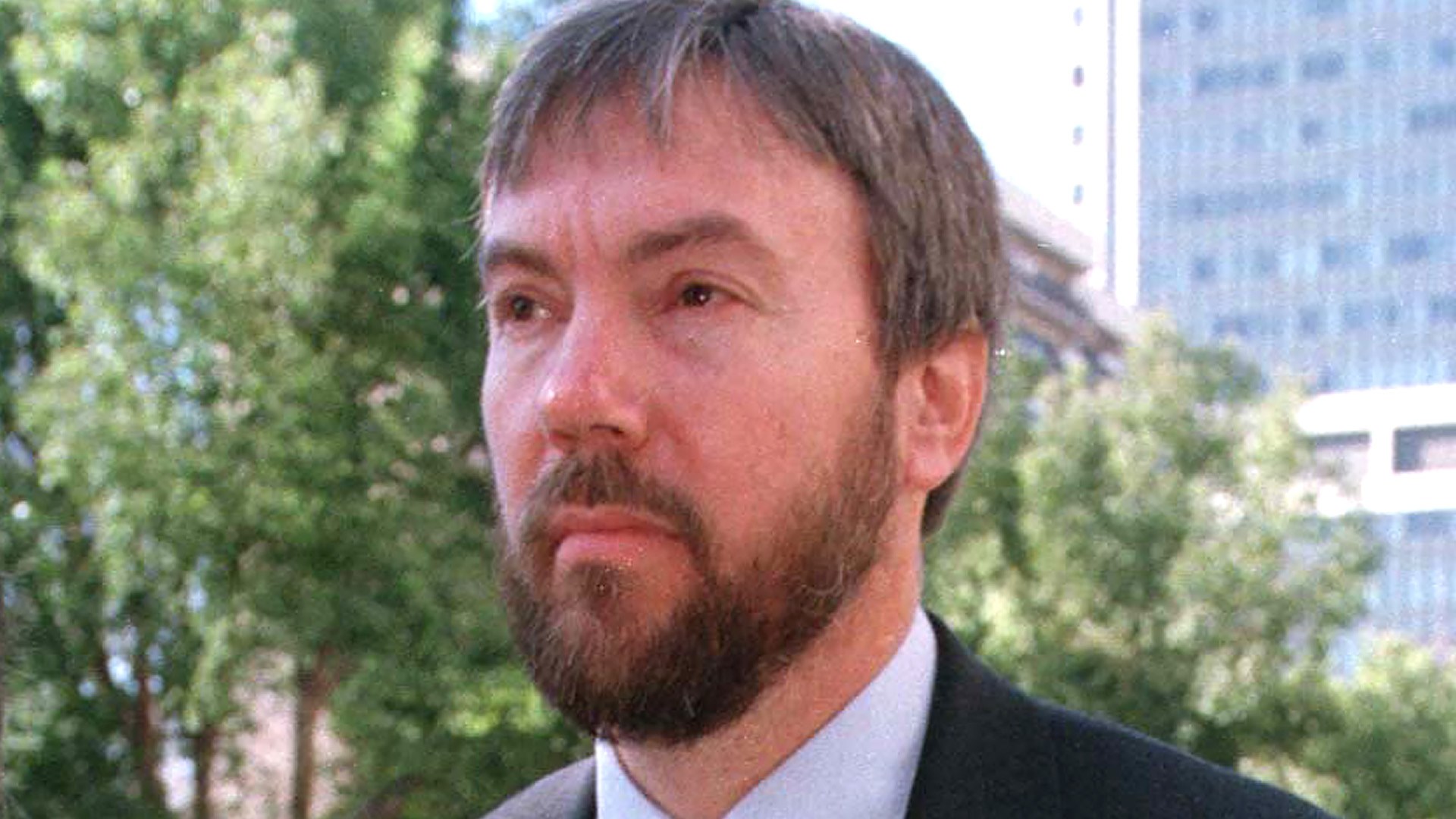
In 1995, a 35,000-word manifesto arrived at The New York Times and The Washington Post.
The FBI asked both papers to publish it, and they did.
The author was unknown.
Seventeen years of investigation, code-named UNABOM, had not identified the bomber.
Three people were dead. Twenty-three others were injured.
The manifesto was dense, argumentative, and long.
Somewhere in Montana, a man named David Kaczynski read it.
He recognized the writing style.
Not because of forensic analysis. Not because of linguistic software or handwriting experts.
Because he knew the prose.
He knew the cadence, the phrasing, the particular way the sentences turned.
He knew it as his brother Theodore's.
The exact date David first read the manifesto is not in the record.
What the record does establish is this: a brother read a published document and heard a voice he had grown up with.
A 17-year manhunt was about to end not with a lab test, but with a family member's private recognition.
That would require evidence, and the evidence would come later.
For now, there was only a brother, a manifesto, and a question he could not ignore.
THE BOMBS
The first bomb arrived in a package at a Northwestern University office in Evanston, Illinois, in 1978.
It injured a security officer.
Between that spring and the spring of 1995, a series of mail bombs killed three people and injured 23 others across the United States.
The targets were scattered: universities, airlines, computer store owners.
The devices were built from wood, metal, and homemade explosives.
They often carried false return addresses.
The case became known as the Unabomber investigation, a portmanteau of "university" and "airline bomber."
The scale was wide.
The randomness was the point of the fear.
A computer rental store owner in Sacramento, California, was killed in 1985.
An advertising executive in North Caldwell, New Jersey, was killed in 1994.
The final bombing killed a timber industry lobbyist in Lincoln, Montana, in April 1995.
Three dead.
Twenty-three injured.
The source does not detail the identities of the three killed or the 23 injured beyond their roles.
What connects a security officer in Illinois to a lobbyist in Montana?
A package.
A wooden box.
A name on the return label that did not exist.
Seventeen years of mail bombs, and the only thread was the construction.
Wood, metal, homemade explosives.
Not a signature.
A pattern.
That would require evidence, and the evidence would come later.
THE BROTHER'S CHOICE
It was his brother’s voice, and David Kaczynski could not ignore it.
He read the published manifesto in 1995, and the writing style felt familiar.
It was the style of his older brother, Theodore.
David Kaczynski alerted authorities in 1996, according to the case summary.
His wife, Linda Patrik, assisted in the identification.
The choice was not easy.
It was a brother turning in a brother.
That would require evidence, and the evidence would come from a cabin.
Forensic linguists compared the manifesto to letters Theodore Kaczynski had written to his family.
The comparison held.
In April 1996, FBI agents searched the Montana cabin.
They found bomb-making materials.
They found a live bomb.
They found a handwritten journal describing the attacks, according to the case summary.
The specific contents of the journal entries are not detailed in the source.
That remains unestablished.
Investigators also matched typewriter samples to materials in the cabin.
Wood and metal fragments from the bombs matched too.
The confirmation was there.
The moral weight was not lifted.
It was carried.
David Kaczynski had done what he had to do.
The relief of confirmation came with the cost of betrayal.
She was on the ground below, and he was the one who pushed.
THE PLEA
He was charged in 1996.
Ten counts of illegal transportation, mailing, and use of bombs.
Three of those counts were first-degree murder.
He initially faced a possible death penalty.
That was the shadow over every hearing, every motion, every day in court.
In January 1998, Kaczynski attempted to dismiss his attorneys.
He sought to represent himself.
The reasons behind that attempt are not specified in the source.
Not because the record is quiet. Because the record simply does not say.
He pleaded guilty on January 22, 1998.
All charges. A sentence of life without parole.
The plea was accepted by the trial judge.
The sentence was imposed in May 1998.
It is a finality. It is also a bargain struck in the shadow of execution.
He was sent to the federal supermax prison in Florence, Colorado.
The cabin, the bombs, the manifesto — all of it ended in a cell without windows to the outside.
His brother had done what he had to do.
David Kaczynski had spoken publicly against the death penalty.
He had pushed, and she was on the ground below.
The plea removed the needle. It did not remove the weight.
It is a closed case. It is also a family's open wound.
The victims' families have largely remained private.
Some have spoken about the long-term impact of the attacks.
What they said is not in this record.
What remains is the sentence: life without parole, served at Florence.
It is a resolution. It is also a silence that the plea could not fill.
AND THE STORY STILL ISN'T OVER
The Federal Correctional Complex in Florence, Colorado holds one wing of the case's aftermath.
Kaczynski remains there, serving life without parole, according to the case summary.
He has filed numerous appeals.
All denied, the case summary states.
In 2021, he was transferred to a medical facility after a reported illness.
His current health status is not detailed beyond that transfer.
That is not established in the record.
David Kaczynski has spoken publicly since the trial.
He advocates against the death penalty.
He advocates for mental health awareness, the case summary says.
Not because the sentence was wrong. Because the cost of the case, he argues, was already paid in lives and in the long silence of a family.
The cabin where his brother lived was moved to a museum in Washington, D.C., in 2017.
A tourist can stand where the bombs were planned.
The victims' families have largely remained private.
Some have spoken about the long-term impact of the attacks.
What they said is not in this record.
The brother's choice remains the hinge of the story.
A recognition of a writing style, not forensic proof.
It is a resolution. It is also a silence that the plea could not fill.
David Kaczynski did what the evidence could not.
The case is closed. The human cost continues.
Advertisement
You may also like
The duct tape on Laci Peterson's body that split a jury's theory
The duct tape was on Laci Peterson's body when she was found. That single object carried the weight of two opposing stories. The prosecution…
The open letter from the Richards that urged the government to seek the death penalty
Bill Richard and Denise Richard lost their 8-year-old son, Martin, to the bombs near the finish line. Their daughter, Jane, lost a leg in…
The flight attendant who took the note — and what she said about the man who vanished
She took the note without opening it. He told her to look at it, and she looked. The man at seat 18C called himself…
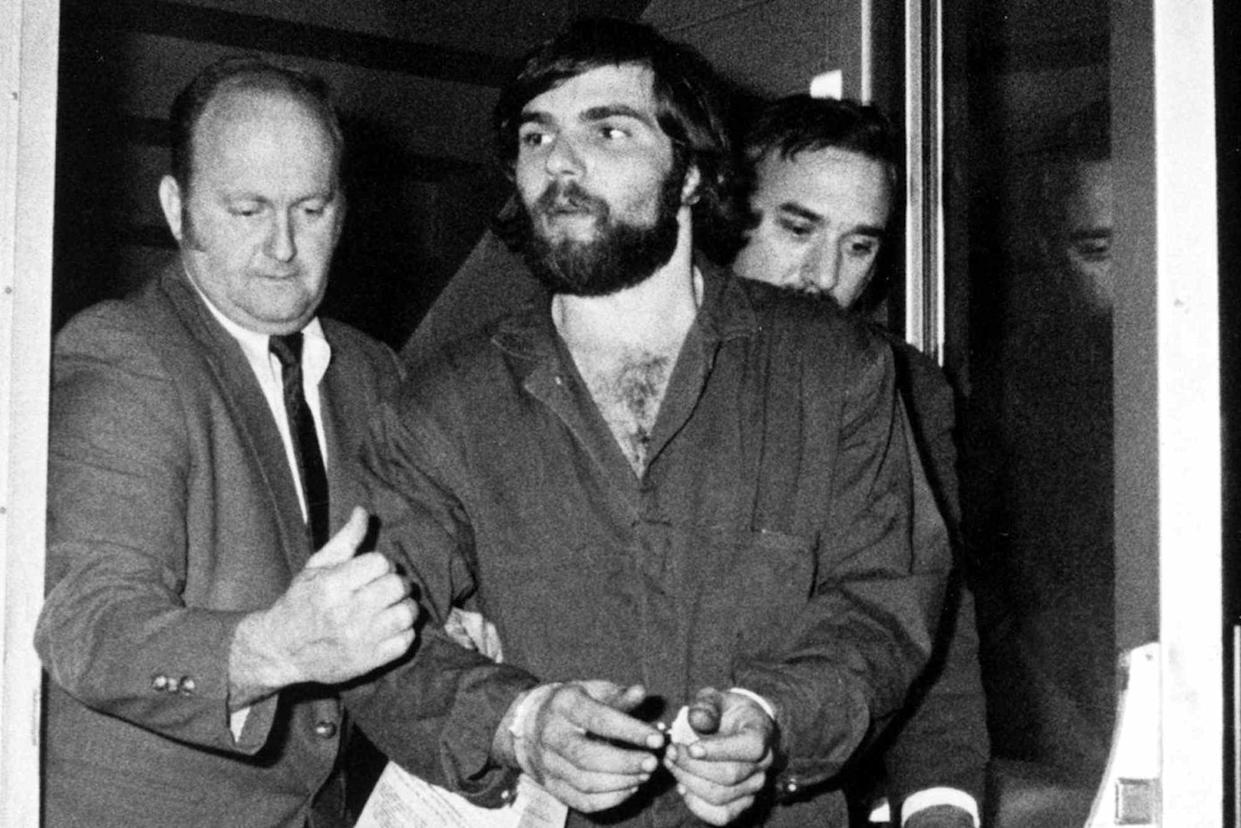
The uncle who found six shot in their beds — and the confession that followed
The door at 112 Ocean Avenue was an ordinary Dutch Colonial, the kind of house a family might call home for a decade. On…
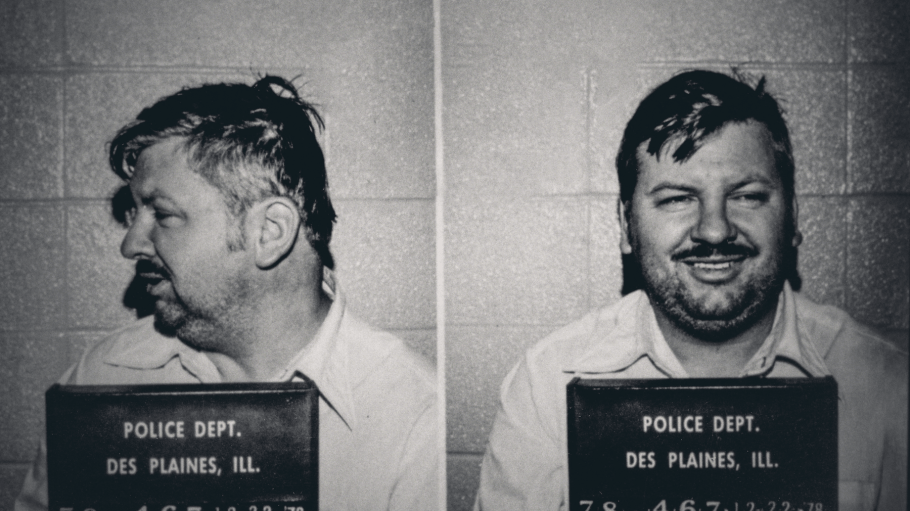
The 15-year-old who vanished after one phone call about a job — his mother's final words
December 11, 1978. A 15-year-old boy told his mother he was going to meet a contractor about a job. Her final words to him…
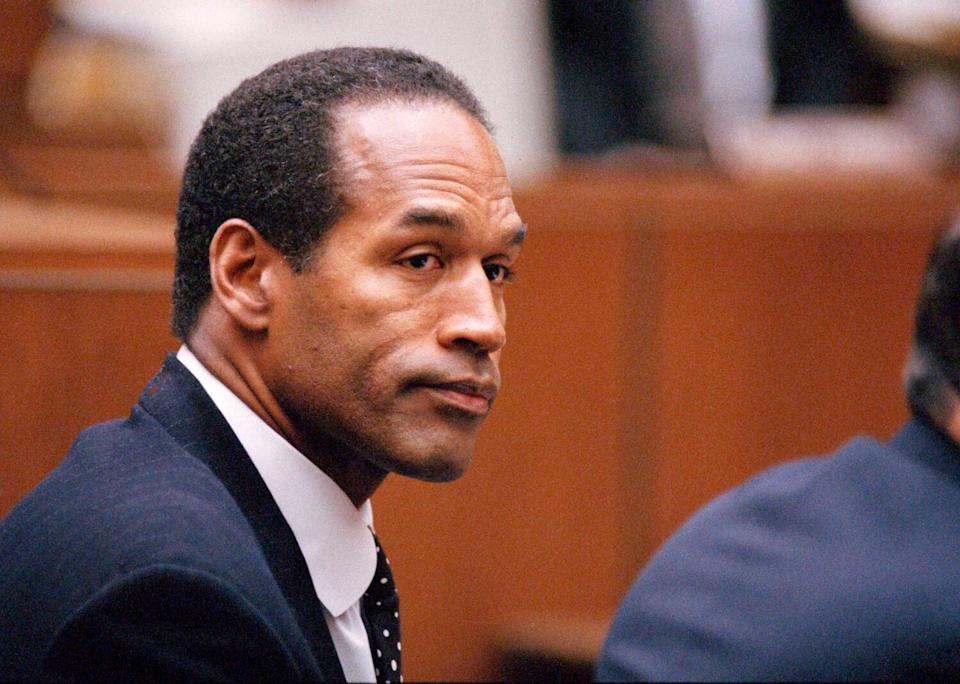
The 95 million who watched O.J. Simpson's Bronco chase and what they saw
The white Ford Bronco moved at 35 miles an hour, and the whole country watched. On June 17, 1994, an estimated 95 million viewers…