A boat bought days before a missing wife — the timeline detectives couldn't shake
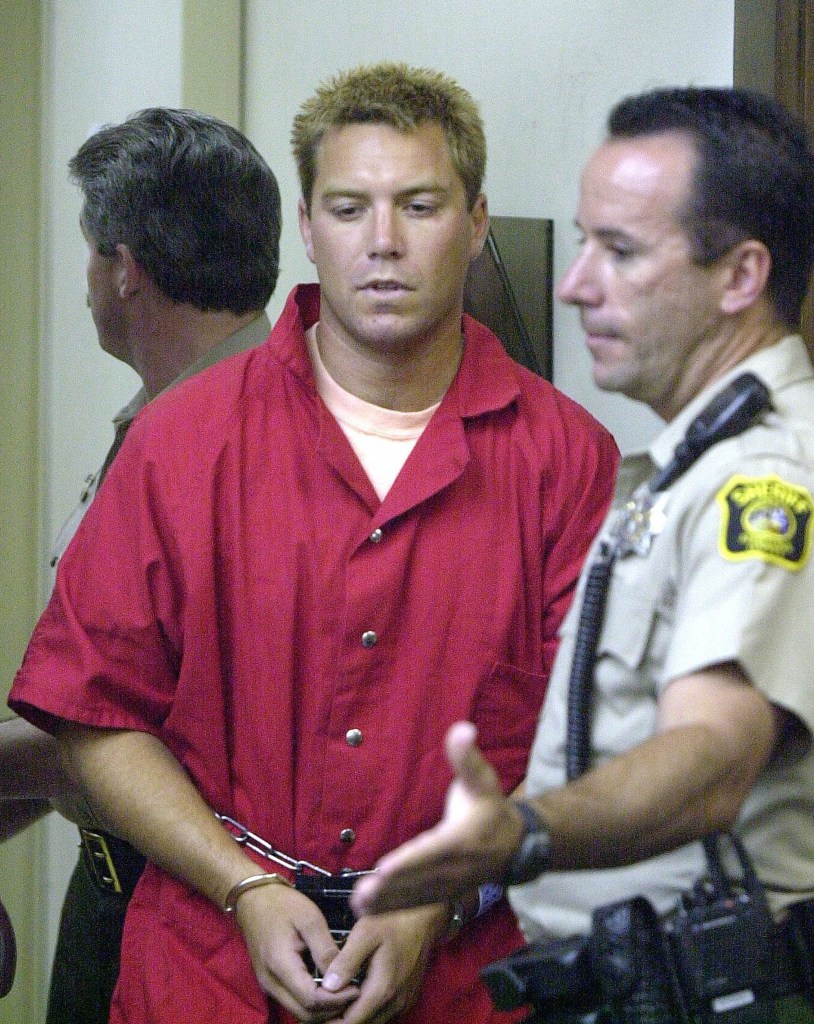
He reported her missing on December 24, 2002.
Laci Peterson was eight months pregnant, and Scott Peterson told police she had vanished from their Modesto, California home.
Days before she disappeared, he had bought a boat.
That purchase would become the hinge of the timeline detectives built.
He also told an acquaintance he had been fishing at the Berkeley Marina on the day Laci vanished.
The boat, the fishing story, the date — the record holds these pieces together.
Why would a man buy a boat days before his pregnant wife goes missing?
Why would he claim to be fishing miles away, at a marina, on the same day?
Why would the purchase come so close to the disappearance?
The exact purpose of the boat purchase is not established by the record.
It is a subject of investigation, and of theory.
A theory circulating online suggests the boat was bought specifically for a crime.
That remains a claim, not a fact.
The record shows the purchase happened; it does not show the intent behind it.
Police initially treated the case as a missing persons investigation.
The boat sat at the edge of that investigation, unremarked at first.
Then the account of December 24 began to shift.
Inconsistencies emerged in what Scott Peterson said he had done that day.
The fishing trip at the Berkeley Marina became the story he told.
The boat became the question he could not answer cleanly.
Detectives would return to that question again and again.
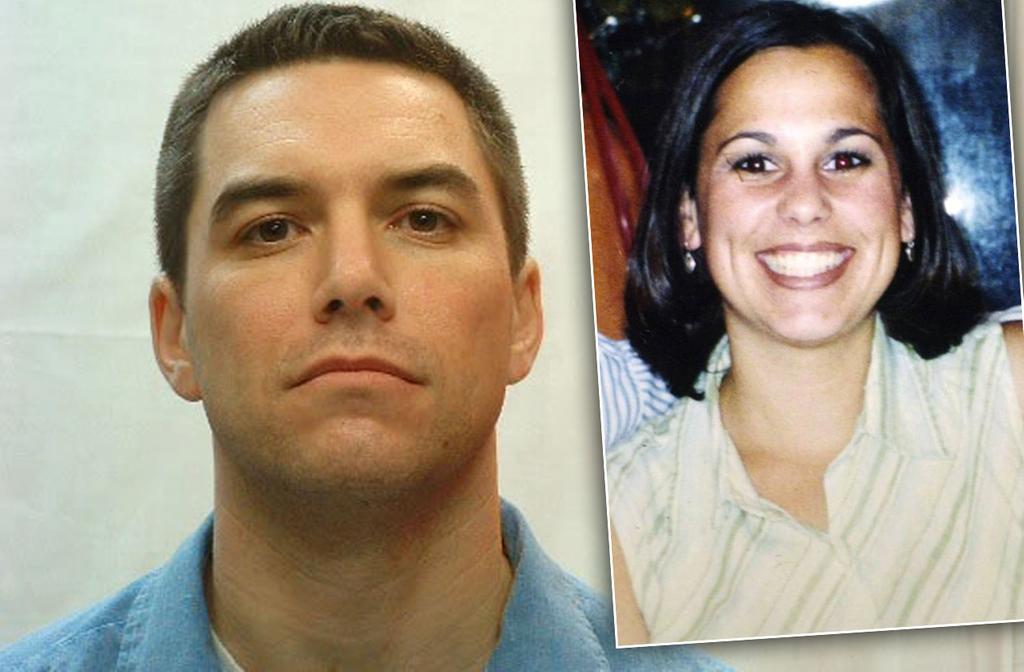
THE REPORT
On December 24, 2002, Scott Peterson reported Laci missing from their Modesto home.
Police initially treated the case as a missing persons investigation.
Al Brocchini, the lead detective for the Modesto Police Department, was involved from the start.
The report came in on Christmas Eve.
A pregnant woman, eight months along, gone from her own home.
The exact timeline of Laci's last known movements is not fully established in the record.
What emerged instead was the husband's account of the day.
He had been fishing at the Berkeley Marina, he said.
He had returned to find the dog in the yard and the house empty.
That was the story he gave.
Inconsistencies emerged in Scott Peterson's account of his activities that day.
Small things at first.
Details that did not line up.
His behavior drew scrutiny from investigators.
He did not show the urgency they expected.
He did not seem to be looking the way a husband might look.
Detectives watched him.
They listened to his answers.
They noted the calm.
It was a normal report that slowly turned suspicious.

Not because of one fact.
But because of the way the facts sat together.
The fishing trip became the anchor of his story.
The boat became the question he could not answer cleanly.
Detectives would return to that question again and again.
THE AFFAIR AND THE BODIES
The affair surfaced through a woman named Amber Frey.
Detectives discovered Scott Peterson had been seeing her while Laci was pregnant.
Amber Frey came forward on her own.
She cooperated with police and provided recorded phone calls.
Those calls became part of the record the prosecution would build on.
The fishing trip was still the anchor of his story.
In April 2003, the bodies of Laci and her unborn son, Conner, washed ashore in the San Francisco Bay.
They were found near the Berkeley Marina.
The same marina where Scott Peterson claimed to have been fishing on the day she vanished.
The location corroborated the prosecution's theory that he had dumped her body there.
It is a location that fits his story too well to be coincidence, the prosecution argued.
The defense argued Laci had been abducted by strangers while walking the dog.
No evidence supported that claim.
No witness placed her on that walk.
No sign of a struggle was found in the home.
The exact cause and manner of Laci's death are not detailed in the record.
No weapon was ever recovered.
The case against Scott Peterson remained circumstantial.
Circumstantial, the prosecution said, but woven tight.
Circumstantial, the defense said, and nothing more.
The bodies gave the timeline a fixed point.
The boat gave it a beginning.
The affair gave it a motive.
The record holds all three.
What it does not hold is a weapon, or a cause of death, or a stranger on the street.
That would require evidence.
THE TRIAL
The trial began in June 2004 in Redwood City, California.
It moved there from Stanislaus County, a change of venue granted because of extensive pretrial publicity.
Scott Peterson was charged with two counts of first-degree murder: one for Laci, one for Conner.
The prosecution argued that he killed Laci and their unborn son to escape his family responsibilities and pursue his affair with Amber Frey.
The defense, led by Mark Geragos, argued that Laci was abducted by strangers.
She was walking the dog, the defense said.
A stranger took her.
The prosecution's case was circumstantial, built on the boat, the lies, the affair, the bodies washing ashore near the marina.
The jury heard the testimony.
:max_bytes(150000):strip_icc():focal(999x0:1001x2)/laci-peterson-family-2-d60dbe78a8384fc4b387604161b69e09.jpg)
The jury weighed the two narratives.
On November 12, 2004, the jury found Scott Peterson guilty of first-degree murder for Laci's death and second-degree murder for Conner's death.
The verdict was delivered after months of trial.
The jury's deliberations are not detailed in the record.
What specifically convinced them is not established.
That would require evidence.
In the penalty phase, the jury recommended the death penalty.
On March 16, 2005, the judge sentenced Scott Peterson to death.
He was convicted. He was sentenced. He remains on death row.
The conviction was upheld on appeal.
The death sentence was later overturned, but the conviction stood.
The case was never about a weapon, because no weapon was ever recovered.
It was about a timeline, a boat, and a story that changed.
AND THE STORY STILL ISN'T OVER
Scott Peterson remains on death row at San Quentin State Prison in California.
His appeals have been ongoing.
In 2020, the California Supreme Court overturned his death sentence, citing errors in jury selection, but upheld his conviction.
He was resentenced to life in prison without the possibility of parole in December 2021.
He remains incarcerated.
The conviction stands.
The sentence does not.
:max_bytes(150000):strip_icc():focal(749x0:751x2)/Jackie-Peterson-and-Lee-Peterson-leave-the-San-Mateo-Superior-Courthouse-121625-55846a7459e640d79a1b33bfbc8af4b1.jpg)
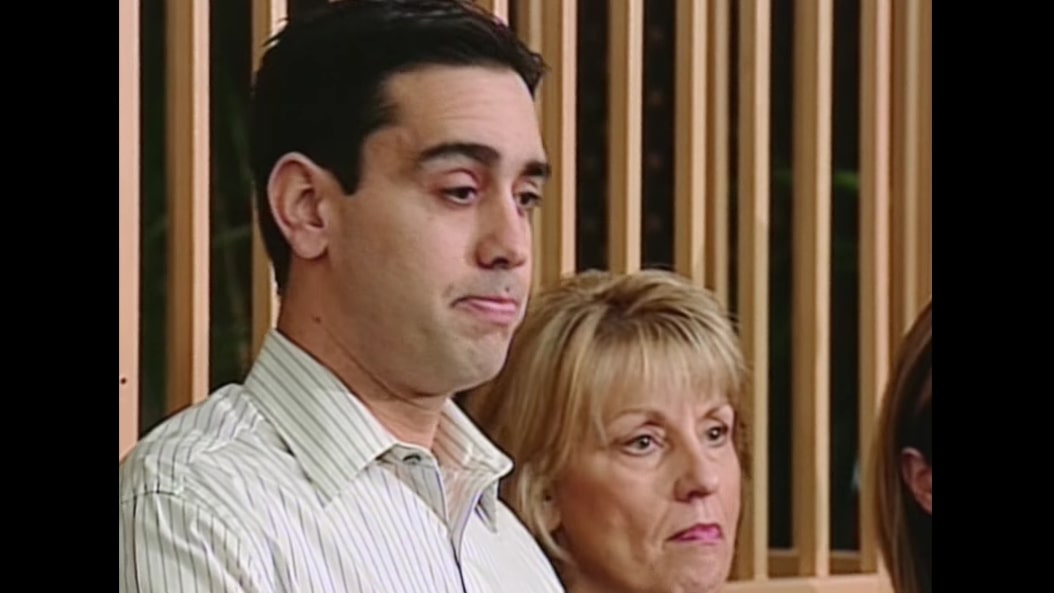
Laci Peterson's family, including her mother Sharon Rocha, have continued to speak publicly about the case.
They have advocated for victims' rights.
The legal saga continues.
The possibility of further appeals or parole hearings is not specified in the record.
That would require evidence.
What is documented is a conviction that survived review.
What is documented is a death sentence that did not.
The timeline detectives couldn't shake held firm.
The punishment they sought did not.
Sharon Rocha has spoken of her daughter in public, of the grandson she never met.
She has spoken of the system that allowed the sentence to be overturned.
Not because the verdict was wrong.
But because the jury selection was flawed.
The record says the errors were procedural.
The record says the conviction was sound.
The story still is not over.
It is a case about what a jury found.
It is also a case about what a court corrected.
Scott Peterson remains incarcerated.
The timeline remains intact.
The boat, the affair, the bodies in the bay — those facts did not change.
The sentence did.
And the family keeps speaking.
The appeals keep moving.
The case keeps its hold.
Advertisement
You may also like

The mother who waited 37 years for the truth about Elizabeth Short
The morning of January 15, 1947, a woman’s body lay in a vacant lot on Norton Avenue in the Leimert Park area of Los…

The jailhouse confession that broke the Manson Family case open
It began with a report from a cell. In November 1969, a jailhouse informant — Susan Atkins's cellmate — told authorities that Atkins had…
Five bullet casings, one ciphered signature, and the last face the Zodiac saw
The cab pulled to the curb in Presidio Heights, and the driver waited for the fare. He was shot and killed there on October…
The night a doctor's wife died — and the family next door heard something first
The house next door was quiet that night. Marilyn Sheppard, 31, was found bludgeoned to death in her upstairs bedroom on July 4, 1954,…
The 9-year-old boy whose mother demanded justice for Atlanta's vanished children
Camille Bell’s son was nine years old. His name was Yusuf Bell, and between 1979 and 1981, at least 28 Black children, adolescents, and…
The 31-day gap in a missing-child report that changed a family forever
On July 15, 2008, Cindy Anthony called 911 to report her two-year-old granddaughter missing. She told the dispatcher that her daughter, Casey Anthony, had…