The 1999 drive home from Woodlawn High — and the ride request that still haunts the timeline
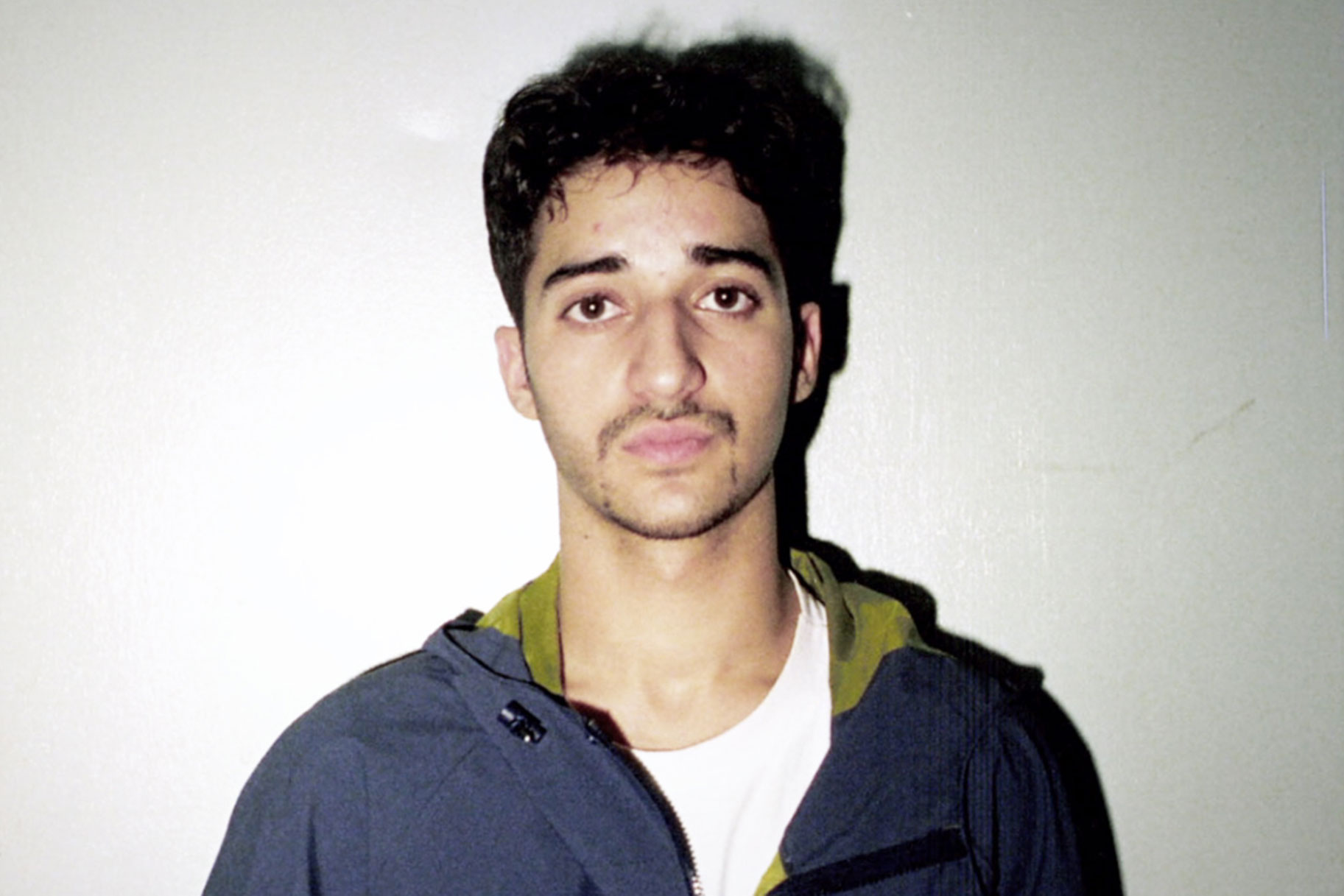
The ride request was made on a Wednesday.
January 13, 1999, was the day Hae Min Lee, an 18-year-old senior at Woodlawn High School, left school and was never seen alive again, according to the case summary.
A friend of Adnan Syed testified at trial that Syed asked her for a ride after school that day.
That is the whole request, as the record holds it: one question, one friend, one afternoon.
The ride request has been debated for decades.
It has been debated because it sits at the hinge of the timeline.
It has been debated because Syed's conviction was later vacated, and the question of what he did after school that day reopened with it.
Online, the viral theory claims the ride request proves Syed's guilt.
The theory says: he asked for a ride, he did not need one, he wanted to be in her car.
That is a theory.
The record does not establish that Syed actually got the ride.
It does not establish that he was in her car, that he was not in her car, that he walked away, or that he never asked.
The testimony places the question in his mouth.
The record places nothing else there.
Was he refused?
Did he walk to his own car?
Did he stand at the curb and watch her drive off?
That would require evidence.
A single unresolved detail can carry a decade of weight.
A single unresolved detail can carry two decades.
She was on the ground below, but that is another section.
Here, there is only the request, and the silence after it.
THE DISAPPEARANCE
She was a popular student and an athlete at Woodlawn High.
She was dating another student at the time of her death.
She and Adnan Syed had dated, but they had broken up weeks before she disappeared.
On January 13, 1999, Hae Min Lee left school and was never seen alive again.
That is what the case summary establishes.
What happened after she left school is not established in the record.
Not the route she drove. Not the hour she stopped. Not who she spoke to last.
That would require evidence.
Her body was found on February 9, 1999, in Leakin Park.
She was buried in a shallow grave.
The cause of death was manual strangulation.
Her car was later found in a parking lot in Baltimore.
Two weeks had passed between her last day at school and the discovery in the park.
Two weeks of missing-person flyers, of interviews, of a family waiting.
The record does not say where she went in those two weeks.
It does not say when the car was left in that lot.
It does not say what happened in Leakin Park.

The timeline is a gap, not a line.
She was eighteen years old.
She was a senior.
She left school on a Wednesday in January.
The silence after that is the mystery the record cannot close.
THE ANONYMOUS TIP
For weeks, the case was a missing-person file.
Baltimore County Police investigated Hae Min Lee's disappearance, interviewing Adnan Syed and others, according to the case summary.
Then the case broke.
An anonymous phone tip led police to Jay Wilds, a classmate, according to the case summary.
Wilds told detectives that Syed had shown him Lee's body and asked for help burying it, according to the case summary.
The identity of the anonymous tipster is not established in the record.
Wilds led police to Leakin Park.
That is where Lee's body was found, according to the case summary.
The shift was sudden.
A missing-person case became a murder investigation on the word of one classmate, delivered through an unnamed caller.
On February 28, 1999, police arrested Syed, charging him with first-degree murder, according to the case summary.
The arrest came about six weeks after Lee disappeared.
It came about three weeks after her body was found.
The record does not say who made the call.
It does not say why that caller chose to speak.
It only says the tip led to Wilds, and Wilds led to the body.
The case turned on that chain.
One phone call.
One classmate's account.
One shallow grave in Leakin Park.
The timeline narrows here, from a school's silence to a specific accusation.
THE TRIAL AND THE ALIBI
The prosecution's case rested on three pillars: Jay Wilds's testimony, cell phone records placing Syed in the area, and a friend's testimony about the ride request.
Wilds told the jury that Syed showed him Lee's body and asked for help burying it.
The cell records, the state argued, put Syed near Leakin Park.
The friend said Syed asked her for a ride after school that day.
The defense answered each pillar in turn.
Wilds, they argued, was an unreliable witness whose story shifted.
The cell phone evidence was misleading, they said, a map of pings without proof of who held the phone.
The ride request proved nothing about what happened later.
Then there was Asia McClain.
McClain, a classmate, said she saw Syed at the Woodlawn Public Library around the time the murder was believed to have occurred.
She was a potential alibi witness.
The trial attorney never contacted her.
Not because she was unknown. Because she was never called.
The jury heard none of it.
In 2000, they found Syed guilty of first-degree murder, kidnapping, robbery, and false imprisonment.
He was sentenced to life plus 30 years.
Two narratives competed in that courtroom, and one won.
The credibility of Wilds remains disputed.
The accuracy of the cell phone records remains disputed.
Neither is definitively resolved in the record.
What the jury believed, and what the record supports, are not the same thing.
That would require evidence.
AND THE STORY STILL ISN'T OVER
In 2016, a Maryland appellate court ordered a new trial.
The ruling was for ineffective assistance of counsel.
The trial attorney had failed to contact Asia McClain, the classmate who said she saw Syed at the Woodlawn Public Library.
The state appealed.
In 2019, the Maryland Court of Appeals upheld the conviction.
The original verdict was reinstated.
Then the story turned again.
In 2022, a Baltimore City Circuit Court judge vacated Syed's conviction.
Prosecutors had filed a motion, citing newly discovered evidence and unreliable cell phone data.
Syed was released from prison in September 2022.
In 2023, the Maryland Court of Special Appeals affirmed the vacatur.
Prosecutors later dropped all charges, citing the passage of time and the unavailability of evidence.
Adnan Syed is free.
He has maintained his innocence throughout.
Hae Min Lee's family has expressed distress over the vacatur.
Her brother has spoken publicly about the pain of the ongoing legal process.
The legal process has left deep scars.
It is a case that remains open in the public mind.
The "Serial" podcast sparked widespread interest in wrongful conviction issues.
That interest has not faded.
The next concrete legal step is not specified in the record.
The case remains a subject of intense public debate.
What the jury believed, and what the record supports, are not the same thing.
That remains true after all these years.
The ride request in 1999 is documented.
The anonymous tip is documented.
The testimony is documented.
The vacatur is documented.
What is not established is what any of it proves, definitively, to everyone.
That would require evidence the record does not provide.
The story still isn't over.
Advertisement
You may also like
The parking ticket that led police to Son of Sam's door
The ticket was for parking, issued near one of the attacks. It led officers to a car registered to David Berkowitz, a 24-year-old postal…
The 911 call that started it, and the search that missed Caylee's remains for months
The 911 call came on July 15, 2008. Cindy Anthony told the dispatcher that her 22-year-old daughter, Casey Anthony, and her 2-year-old granddaughter, Caylee…
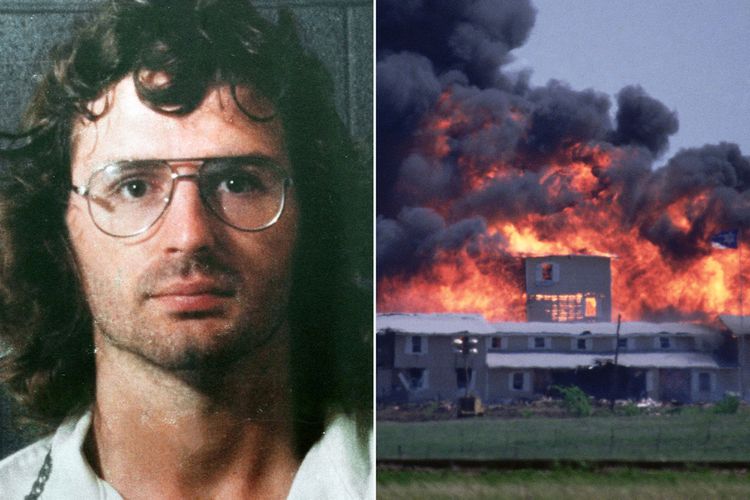
Why the FBI's tear gas assault on Waco preceded a fire that killed 76 — and who started it remains unknown
On April 19, 1993, FBI armored vehicles punched holes into the walls of the Mount Carmel Center compound near Waco, Texas, and inserted tear…
The desert graves that were found three years after a family vanished
The television was still on. Uneaten dinner sat on the table. The family dog was in the backyard. Both vehicles were still at the…
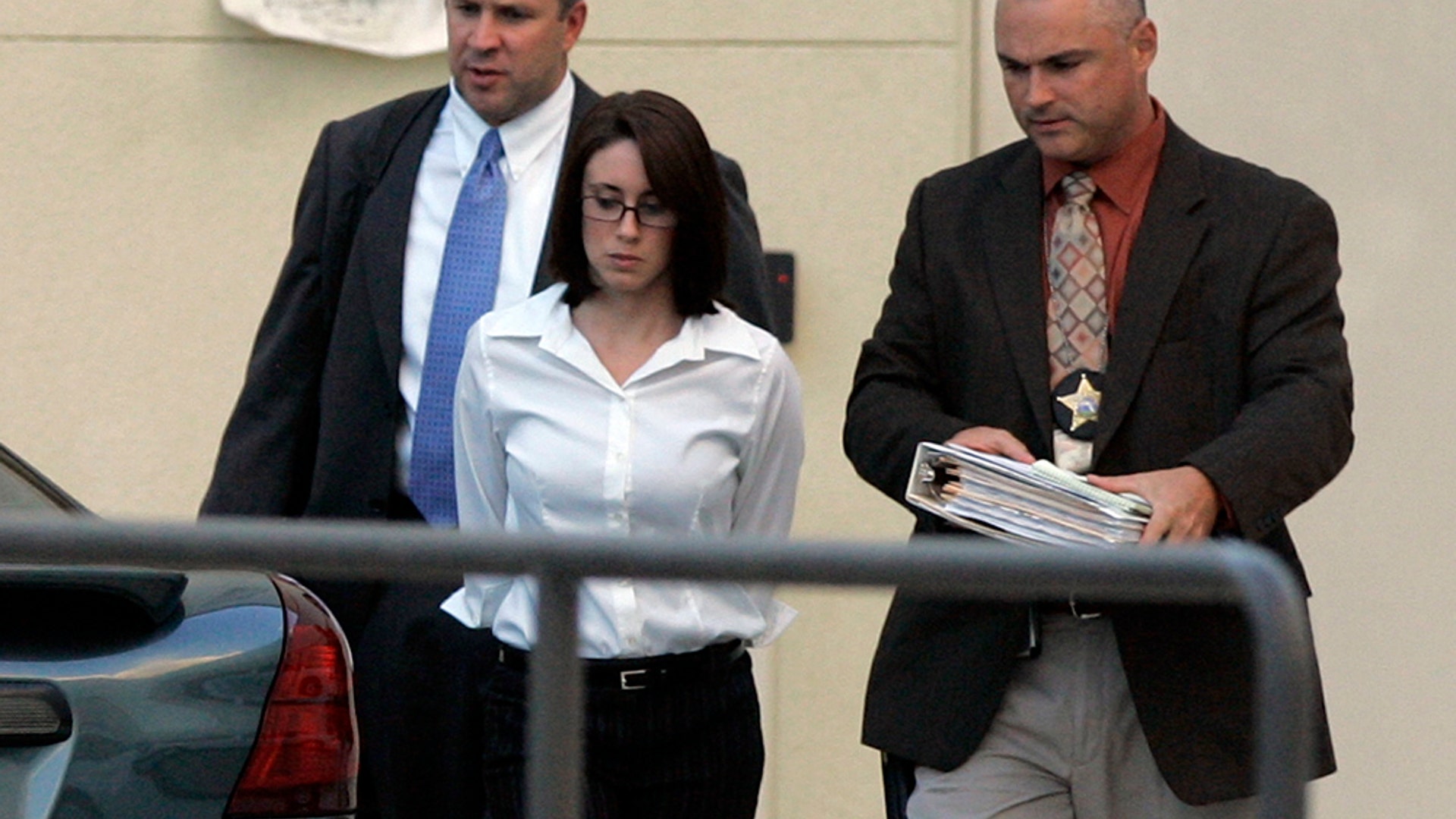
The false babysitter story that unraveled Casey Anthony's defense
She gave them a name. A babysitter named Zenaida Fernandez-Gonzalez, she told investigators, had taken her daughter. The name was repeated in news coverage.…
How a 14-year-old's open-casket funeral forced a nation to look at Emmett Till
She had the casket opened. Emmett Till's body came back to Chicago from the Tallahatchie River, where it was pulled from the water on…