The 911 call that started it, and the search that missed Caylee's remains for months
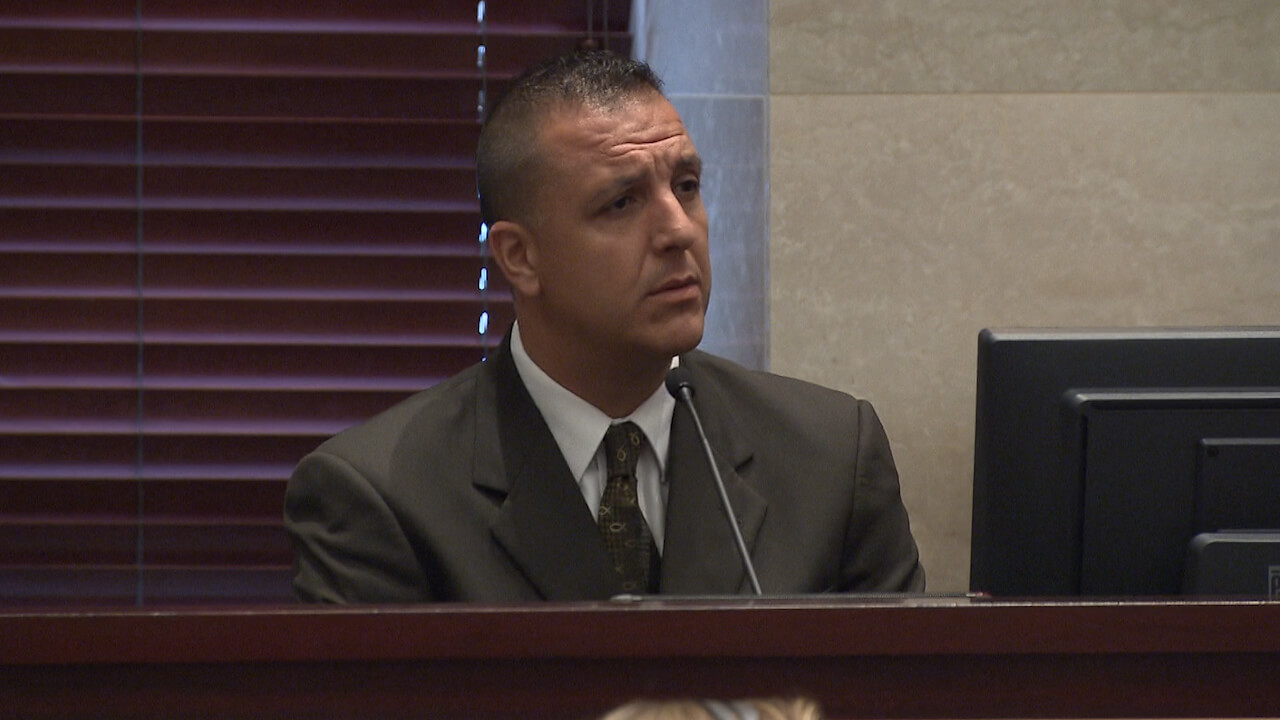
The 911 call came on July 15, 2008.
Cindy Anthony told the dispatcher that her 22-year-old daughter, Casey Anthony, and her 2-year-old granddaughter, Caylee Marie Anthony, were missing.
It was a Tuesday morning in Orlando, Florida.
Casey had told her parents that Caylee was with a babysitter named Zenaida Fernandez-Gonzalez.
No such person could be found.
The call was the documented starting point of the investigation.
It was also the end of a silence.
Caylee was last seen 31 days before that call, according to later testimony.
What happened in those 31 days is not in the record.
Not in the testimony. Not in the evidence logs. Not in the timeline the state would later build.
The gap sits there, between the last sighting and the first alarm.
A grandmother calling for help. A mother who had said the child was fine. A babysitter who did not exist.
The dispatcher took the report. The sheriff's office opened a missing-persons case. The search for Caylee Marie Anthony began.
It would take months. It would miss the obvious. It would end with a meter reader's discovery in a wooded area near the Anthony home.
But that was later.
On July 15, the only facts were these: a 2-year-old was gone, her mother said she was with a stranger, and 31 days had already passed.
THE CAR'S SMELL
George Anthony said the smell hit him first.
He reported that Casey’s car smelled like a decomposing body.
The car was impounded and tested.
Forensic testing found chloroform and human decomposition odor in the trunk.
The source does not state who performed that testing or when.
The defense argued the odor was from trash.
That was the argument, not the finding.
This was the turning point, the moment the case shifted.
A missing child is one thing.
A car that smells like death is another.
The odor turned a story about a lie into a story about a possible homicide.
It was circumstantial. It was also heavy.
Prosecutors would lean on it. The defense would attack it.
The results were later challenged in court.
Not because the science was clean. Because the chain of custody and the testing methods came under fire.
The car sat in the driveway for days before anyone acted on the smell.
That delay would matter.
It is a fact the car smelled. It is a fact the test found those compounds.
What the odor meant—that was the argument.
The prosecution said it was Caylee. The defense said it was garbage.
The record does not settle which story the smell tells.
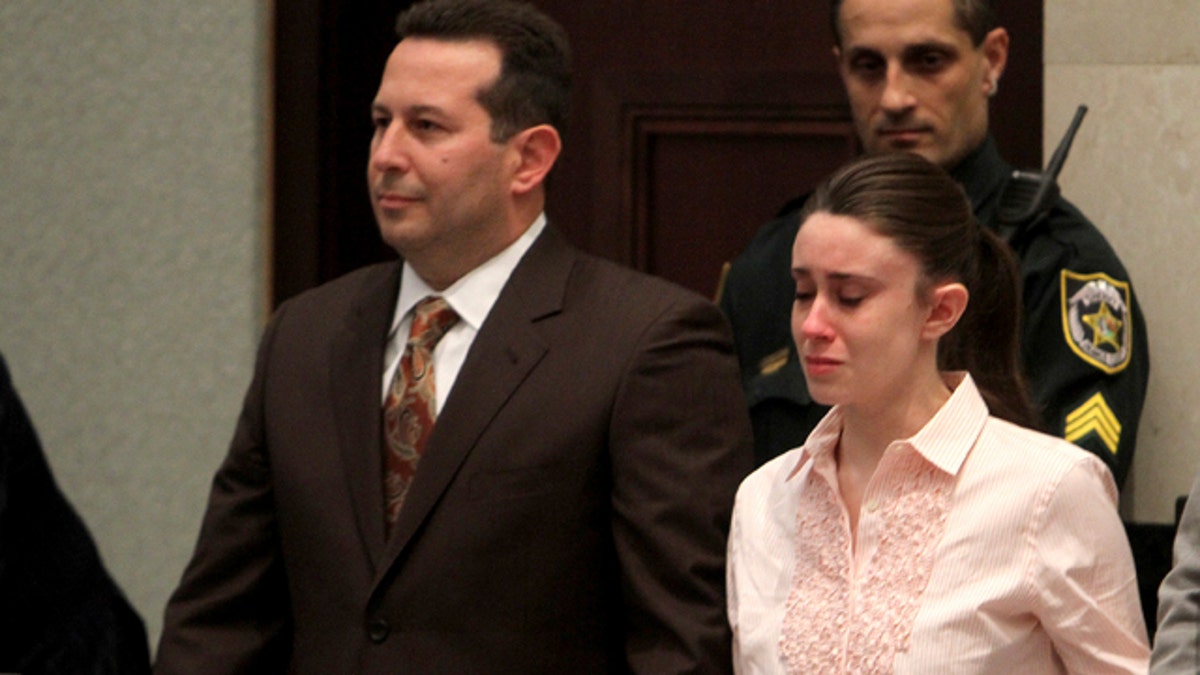
Only that George Anthony smelled it, and that the investigation changed because he did.
A meter reader would find the remains months later.
The smell was there first.
THE SEARCH THAT MISSED
Somewhere near the Anthony home, a meter reader walked a route that had been walked before.
On December 11, 2008, that meter reader found skeletal remains in a wooded area.
The remains were identified as Caylee Marie Anthony.
The discovery came months after the initial search.
The wooded area had been searched earlier, but not thoroughly.
That is the documented part: early search, incomplete, then a meter reader.
Who conducted the earlier search, and why it stopped short, is not specified in the source.
The record does not say.
What the record does say is the delay itself.
The search that missed Caylee's remains was a key mistake in the investigation.
It is a fact of timing: the remains were there, and the search did not find them.
A meter reader found them by accident, on a routine errand.
The smell in the car had been reported first.
The scent of decomposition had directed attention to Casey's trunk, not to the woods.
The woods were searched, but not enough.
The remains stayed where they were for months.
December 11, 2008, was the day the search became too late.
The area was near the family home.
It was close enough to walk to.
It was searched, and it was missed.
That is what the record establishes, and that is what remains frustrating.
THE TWO STORIES
The prosecution argued that Casey Anthony murdered her daughter to live a carefree life.
The defense argued that Caylee accidentally drowned in the family pool, and that George Anthony helped cover it up.
Two stories, one set of facts.
The prosecution's case relied heavily on circumstantial evidence: the odor in the car, computer searches for chloroform, and Casey's lies to investigators.
The defense attacked the reliability of that forensic evidence and the investigation's handling of the scene.
The medical examiner ruled the death a homicide.
The cause of death could not be determined.
That is the plain statement, and it is the one the record does not resolve.
Was it a murder?
Was it an accident?
Was it a cover-up?
The record does not say.
The car smelled, and the defense said it was trash.
The computer searches happened, and the defense said they proved nothing.
The lies were told, and the defense said they were panic, not guilt.
The prosecution pointed to a mother who wanted her freedom.
The defense pointed to a grandfather who wanted to protect his family.
Both were stories told to a jury.
The jury heard the car odor testimony from George Anthony himself, who testified for the prosecution.
The jury heard the forensic experts describe what was found in the trunk.
The jury heard the defense argue that the scene was mishandled and the science was weak.
It is not established that Caylee drowned.
It is not established that Casey killed her.
What is established is the rule: homicide, cause undetermined.
That is a legal category, not an explanation.
The two stories remain two stories.
The facts do not choose between them.
That would require evidence.
AND THE STORY STILL ISN'T OVER
On July 5, 2011, the jury found Casey Anthony not guilty of first-degree murder, aggravated child abuse, and aggravated manslaughter of a child.
She was found guilty of four counts of providing false information to law enforcement.
She was sentenced to four years in jail, with credit for time served.
She was released on July 17, 2011.
The verdict landed like the search did, months late and after the fact.
It is a verdict. It is also a question.
Casey Anthony has since lived largely out of the public eye.
She has appeared in occasional interviews and legal proceedings related to bankruptcy and defamation cases.
George and Cindy Anthony have remained in Florida.
The case remains a subject of intense public and media scrutiny.
The debate about the verdict continues.
Was it a failure of evidence. Was it a failure of the investigation. Was it a failure of the search that came too late.
That would require evidence.
The next concrete step in any legal proceeding is not specified in the source.
The record does not establish one.
The wooded area was searched, but not thoroughly.
The meter reader found what the search missed.
The jury found what the prosecution could not prove.
The two stories remain two stories.
The facts do not choose between them.
The public does.
Advertisement
You may also like
When the Clutter family didn't show at church, neighbors found four bodies bound and shot
The church pews stayed empty. So did the seat beside a friend who was waiting for Nancy Clutter. On the morning of November 16,…
The parking ticket that led police to Son of Sam's door
The ticket was for parking, issued near one of the attacks. It led officers to a car registered to David Berkowitz, a 24-year-old postal…
The 1999 drive home from Woodlawn High — and the ride request that still haunts the timeline
The ride request was made on a Wednesday. January 13, 1999, was the day Hae Min Lee, an 18-year-old senior at Woodlawn High School,…
Why the FBI's tear gas assault on Waco preceded a fire that killed 76 — and who started it remains unknown
On April 19, 1993, FBI armored vehicles punched holes into the walls of the Mount Carmel Center compound near Waco, Texas, and inserted tear…
The desert graves that were found three years after a family vanished
The television was still on. Uneaten dinner sat on the table. The family dog was in the backyard. Both vehicles were still at the…
The false babysitter story that unraveled Casey Anthony's defense
She gave them a name. A babysitter named Zenaida Fernandez-Gonzalez, she told investigators, had taken her daughter. The name was repeated in news coverage.…