The desert graves that were found three years after a family vanished
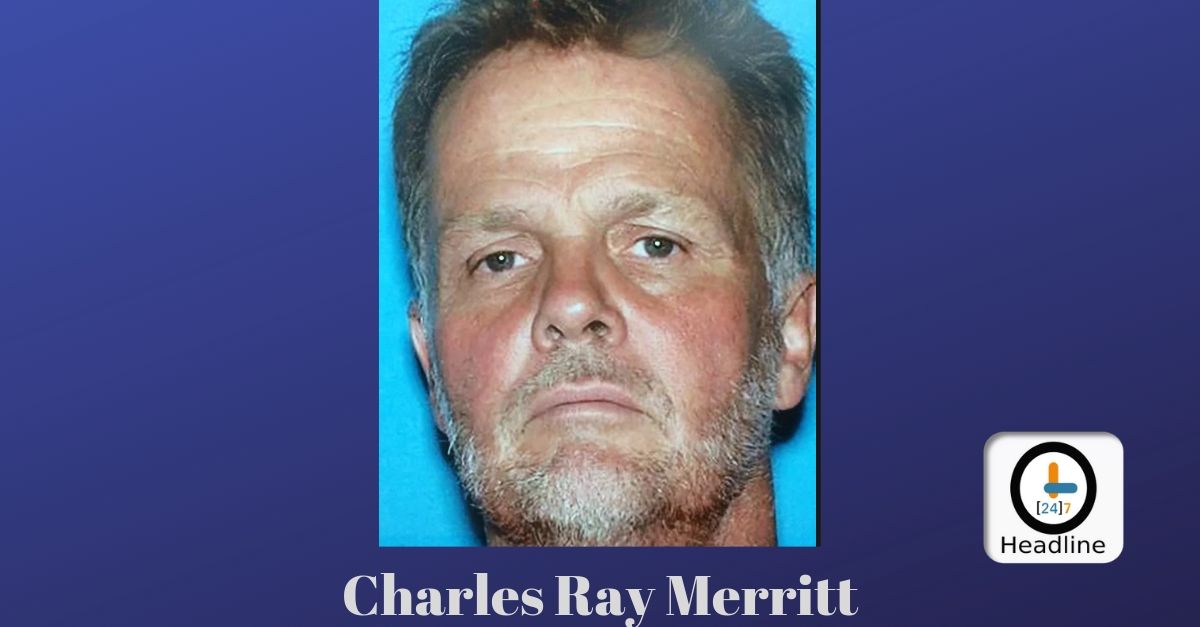
The television was still on.
Uneaten dinner sat on the table.
The family dog was in the backyard.
Both vehicles were still at the house.
On February 4, 2010, Joseph McStay, his wife Summer, and their two young sons were reported missing from their home in Fallbrook, California.
Deputies arrived and saw the same scene: plates set, food cold, the dog waiting.
They initially believed the family may have left voluntarily.
Not because the evidence pointed that way.
But because nothing in the house looked like a struggle.
The home was not immediately treated as a crime scene.
What happened inside that house on the night of the disappearance is not established by the record.
No witness saw it.
No forensic finding resolved it.
The record holds only what deputies found: a meal abandoned mid-course, a television left running, a dog left behind.
A theory circulated online that the family crossed into Mexico.
That theory was pursued by investigators for months, with searches conducted across the border.
No evidence supported it.
It remains a theory, not a fact of the case.
The case went cold.
For nearly four years, the question hung unanswered: how does a family leave dinner uneaten and a dog behind?
They do not.
That is the wrongness at the center of it all.
THE MEXICO DETOUR
The white 1993 Isuzu Trooper was found abandoned near the Mexican border in San Ysidro, California.
It was the family’s vehicle, and it pointed south.
Investigators focused on a possible crossing into Mexico, searching there for months.
They searched the border towns. They searched the highways. They searched with the assumption that the family had chosen to leave.
Why the Trooper was in San Ysidro is not established by the record.
It is a fact the vehicle was there. It is a fact the family was not found there.
The Mexico theory was pursued for months, and the case went cold for years.
Not because the evidence pointed to Mexico. But because the vehicle did.
The initial failure to treat the home as a crime scene was widely criticized.
Deputies had walked past the uneaten dinner. They had noted the television on. They had seen the dog in the backyard.
They believed the family may have left voluntarily, despite all of it.
What was lost in those months was time. Time the family may not have had. Time that could have been spent on the ground where they actually were.
The home was not sealed as a scene. The vehicle was not read as a clue to a crime.
They were read as a detour.
The desert waited. The graves waited.
For years, the investigation looked south, and the answers lay north, in the Mojave, in shallow ground, undisturbed.
THE MOTORCYCLIST'S DISCOVERY
The motorcyclist stopped in the Mojave Desert on the morning of November 11, 2013.
He found two shallow graves near Victorville, California.
The remains inside were later identified as the McStay family.
Almost four years had passed since the uneaten dinner sat on the table.
The television had been left on.
The dog had waited in the backyard.
Now the desert had given back what the house could not.
The burial site was about 100 miles from the family's home.
That distance suggested the family had been killed elsewhere.
It suggested they had been transported.
It suggested a plan.
The case had looked south for years.
It had looked toward Mexico.
It had searched there for months.
No evidence supported the crossing.
The graves lay north, in shallow ground, undisturbed.
A new lead detective took over the case.
He re-examined the phone records.
He did not look at the border.
He looked at the calls.
He looked at the numbers.
He looked at the dates.
How the family was killed is not established by the record.
No murder weapon was ever found.
No DNA or fingerprints linked anyone to the graves.
But the phone records pointed somewhere the first investigation had never gone.
The answers were not in the desert south.
They were in the records of a single day.
They were in the calls.
They were in the tower data.
The truth had been waiting all along, filed away, unread.
THE PHONE RECORDS
The lead detective rebuilt the case around a phone.
He focused on calls between Joseph McStay's phone and a number belonging to Chase Merritt, a business associate.
Merritt had told investigators he had not been in contact with Joseph for months.
The phone records showed calls on the day the family disappeared.
Cell tower data placed Merritt's phone near the burial site around the time of the murders.
Not because of a confession. Because of the calls.
The detective searched Merritt's home and computer.
The searches included phrases like "how to break a neck" and "forensic evidence."
The defense argued these were unrelated.
That meaning is not established. The record does not resolve it.
No murder weapon was ever found.
No DNA or fingerprints linked Merritt to the crime scene or the graves.
The prosecution's case was built on the calls and the tower data.
It was built on what Merritt said, and what the records said back.
It was built on timing.
Was the phone in the desert?
That would require evidence.
The phone records placed it there. The defense said the data could be explained by other factors.
The weight was circumstantial.
It was heavy. It was also incomplete.
The unease is the point: the calls pointed one way, and the physical evidence stayed silent.
AND THE STORY STILL ISN'T OVER
Chase Merritt was arrested on November 5, 2014.
He was charged with four counts of first-degree murder.
The trial began in January 2019.
The prosecution argued he killed the family over a financial dispute.
The defense argued the evidence was circumstantial.
The calls were explained, the defense said, by other factors.
No murder weapon was ever found.
No DNA and no fingerprints linked Merritt to the graves.
The jury deliberated.
On June 10, 2019, the jury found Merritt guilty on all four counts.
On August 21, 2019, he was sentenced to death.
Merritt remains on death row at San Quentin State Prison.
His appeal is ongoing.
The outcome of that appeal is not in the record.
The conviction did not close the book.
It did not answer how the family was moved, or when.
It did not produce a weapon.
Joseph’s father and brother still advocate for awareness of the case.
They attend the hearings.
They speak to the reporters.
They say the names of the two young boys, who are not named here.
The unease is the point.
The calls pointed one way, and the physical evidence stayed silent.
The graves were found three years after the family vanished.
The trial came four years after that.
The appeal continues now.
That would require evidence.
Advertisement
You may also like
The parking ticket that led police to Son of Sam's door
The ticket was for parking, issued near one of the attacks. It led officers to a car registered to David Berkowitz, a 24-year-old postal…
The 1999 drive home from Woodlawn High — and the ride request that still haunts the timeline
The ride request was made on a Wednesday. January 13, 1999, was the day Hae Min Lee, an 18-year-old senior at Woodlawn High School,…
The 911 call that started it, and the search that missed Caylee's remains for months
The 911 call came on July 15, 2008. Cindy Anthony told the dispatcher that her 22-year-old daughter, Casey Anthony, and her 2-year-old granddaughter, Caylee…
Why the FBI's tear gas assault on Waco preceded a fire that killed 76 — and who started it remains unknown
On April 19, 1993, FBI armored vehicles punched holes into the walls of the Mount Carmel Center compound near Waco, Texas, and inserted tear…
The false babysitter story that unraveled Casey Anthony's defense
She gave them a name. A babysitter named Zenaida Fernandez-Gonzalez, she told investigators, had taken her daughter. The name was repeated in news coverage.…
How a 14-year-old's open-casket funeral forced a nation to look at Emmett Till
She had the casket opened. Emmett Till's body came back to Chicago from the Tallahatchie River, where it was pulled from the water on…