The false babysitter story that unraveled Casey Anthony's defense
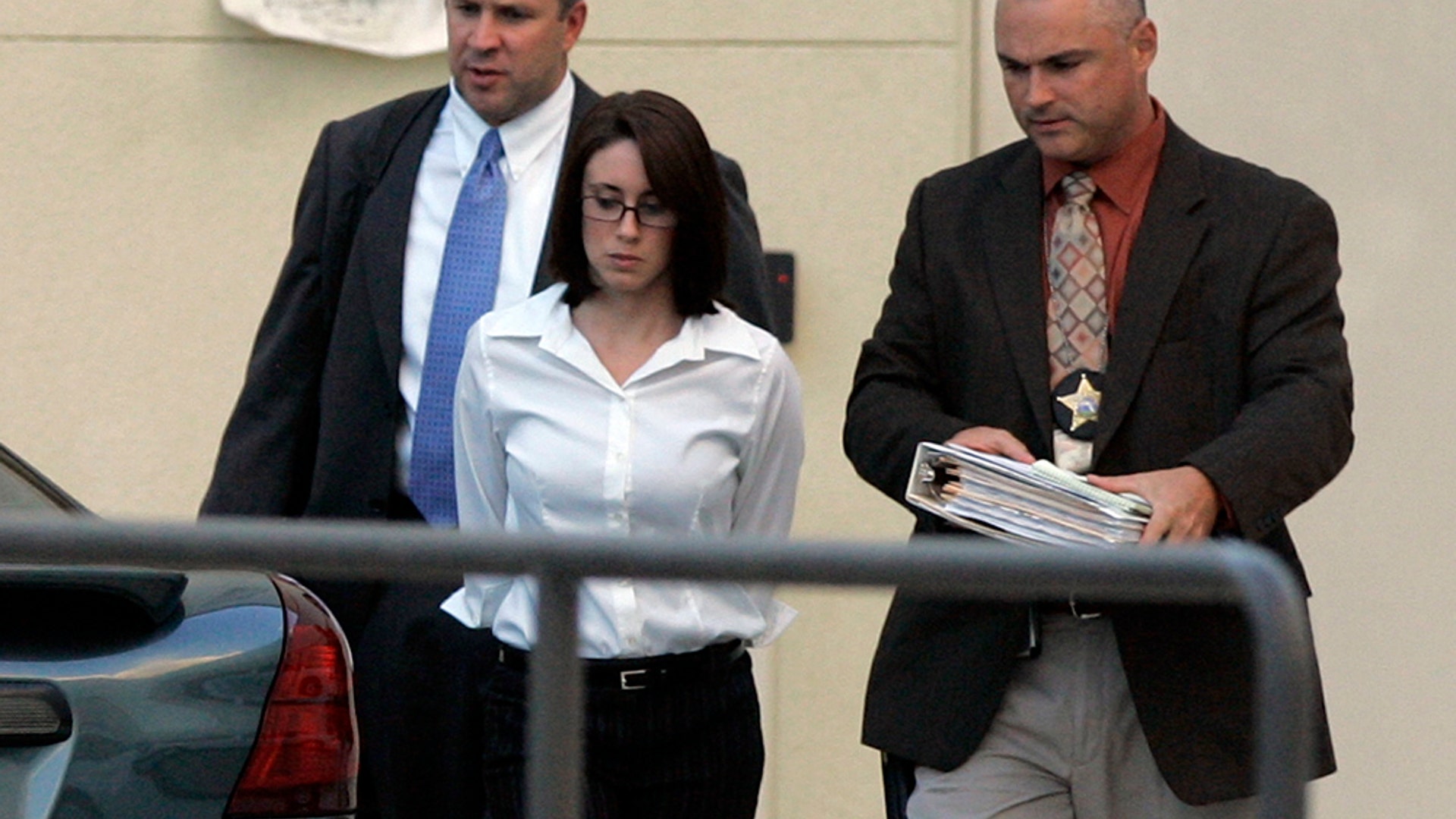
She gave them a name.
A babysitter named Zenaida Fernandez-Gonzalez, she told investigators, had taken her daughter.
The name was repeated in news coverage.
It was typed into comment sections and repeated on television.
The record shows something else.
Police determined the story was false.
They found that no such babysitter existed in the case.
Not because they failed to look.
Because the name matched no real person connected to the kidnapping claim.
A real woman named Zenaida Fernandez-Gonzalez did exist.
She matched the name Casey gave.
She was later cleared of any involvement.
That is a documented fact.
The babysitter story is a claim.
It is not a fact established by the record.
The name was supposed to explain everything.
It explained nothing.
The existence of the babysitter is not established.
The name is a false statement.
That is where the line sits: between what went viral and what was documented.
The story spread.
The record did not.
A two-year-old girl was missing, and her mother offered a name that was not there.
THE LAST DAY SEEN
Caylee Marie Anthony, a two-year-old girl, was last seen on June 16, 2008, according to the record.
Her mother, Casey Anthony, became the central figure of the case that followed.
She was charged with first-degree murder, aggravated child abuse, and aggravated manslaughter of a child.
On July 15, 2008, Cindy Anthony, Caylee’s grandmother, reported the child missing to authorities in Orlando, Florida.
That is the span of the record: a last sighting on June 16, a missing-person report on July 15.
What happened to Caylee between June 16 and July 15 is not in the record.
What is in the record is what Casey Anthony told investigators in those first days.
She said Caylee had been taken by a babysitter.
She gave a name.
Detectives looked for the babysitter.
They found no such person existed — that finding is documented.

The record also notes that Casey gave multiple false statements.
The name was repeated in news coverage.
It was repeated online.
The real woman who matched that name was later cleared of any involvement, according to the record.
The story spread.
The record did not.
So the question stands between those two dates: what happened to a two-year-old girl in twenty-nine days?
That would require evidence.
The record does not provide it.
THE SEARCH AND THE REMAINS
On December 11, 2008, a meter reader discovered skeletal remains in a wooded area near the Anthony family home, according to the record.
The remains were identified as Caylee Anthony.
The case shifted there, from missing person to death investigation.
The medical examiner ruled the death a homicide, though the cause of death could not be determined.
It is a homicide. It is also undetermined.
The exact cause is not established. The record does not resolve it.
Forensic evidence included computer searches for “foolproof suffocation” and chloroform, according to the record.
The reliability of those searches was disputed at trial.
That dispute is part of the record. The truth of the searches is not established.
A tow yard employee detected the odor of decomposition in Casey’s car trunk.
A forensic analyst detected it too.
Duct tape was found near the skull, according to the record.
What the tape did, what it held, what it meant — the record does not say.
The remains were found five months after the last day Caylee was seen.
She was reported missing on July 15, 2008.
She was found in December.
In between, the story was a kidnapping.
The story was false.
The remains were the fact that replaced it.
TWO STORIES, ONE CHILD
The prosecution told the jury that Casey killed Caylee to live a carefree life, according to the trial record.
The defense told the jury something else: that Caylee had accidentally drowned in the family pool, and that George Anthony had disposed of the body.
The prosecution rejected that claim.
Two stories, one child.
The trial began in May 2011.
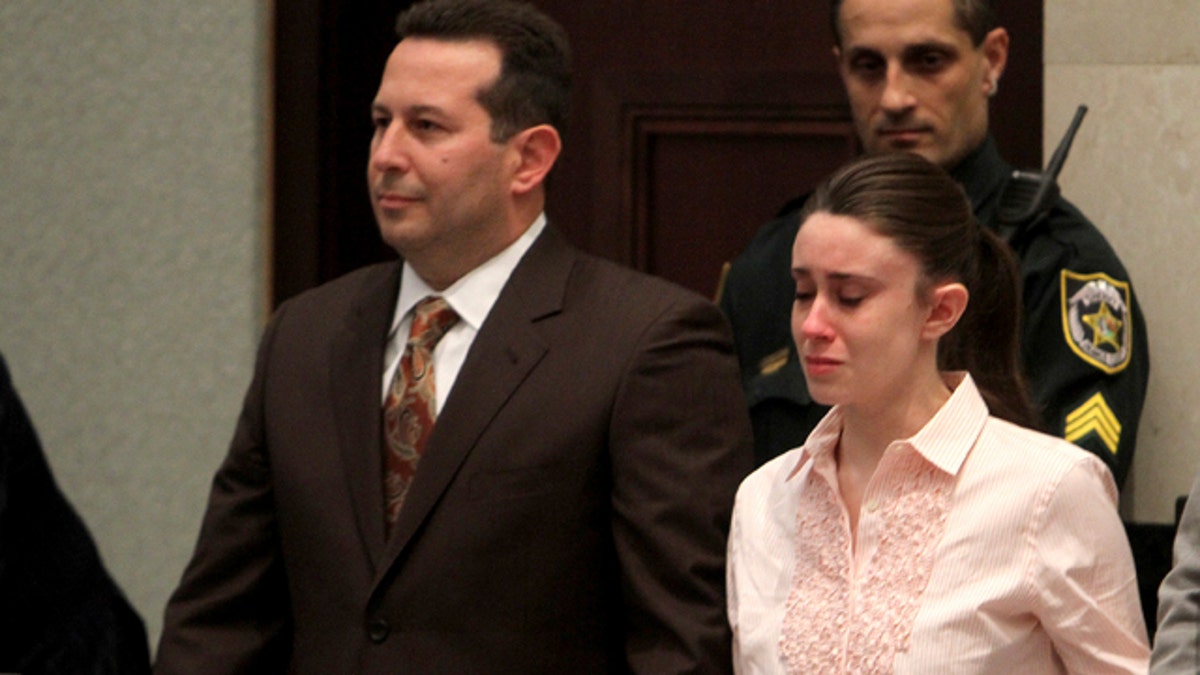
On July 5, 2011, the jury acquitted Casey of murder, aggravated child abuse, and aggravated manslaughter.
The jury convicted her on four counts of providing false information to law enforcement.
She was sentenced to time served and four years of probation, with credit for time already served.
She was released from jail on July 17, 2011.
The two interpretations rest on the same facts.
The false babysitter story.
The remains in the woods.
The odor of decomposition in the trunk.
The disputed computer searches.
Each side read those facts differently.
The prosecution read them as a mother who wanted her freedom.
The defense read them as a family in panic after an accident.
What the record does not establish is the cause of death.
The medical examiner ruled the death a homicide, but the cause could not be determined.
The drowning theory is not established.
It is a story told in a courtroom.
It is a story that did not convict her of murder.
It is a story that did not free her from the false information counts.
She was convicted of lying about the babysitter.
She was acquitted of killing her daughter.
The same child, two versions, one verdict that satisfied no one fully.
That would require evidence.
AND THE STORY STILL ISN'T OVER
She has lived largely out of the public eye since her release, according to the record.
She has appeared in occasional interviews and legal filings.
She has maintained her innocence.
The case remains widely discussed in true-crime media.
It has been the subject of documentaries and books.
George and Cindy Anthony have remained in Florida.
No new charges have been filed, according to the record.
The case is closed, but the public debate continues.
What actually happened to Caylee is not established by the record.
That is the line the case draws: a false story was proven false, a verdict was returned, and the cause of death was never determined.
Not because the questions were answered.
But because they were not.
Advertisement
You may also like
The parking ticket that led police to Son of Sam's door
The ticket was for parking, issued near one of the attacks. It led officers to a car registered to David Berkowitz, a 24-year-old postal…
The 1999 drive home from Woodlawn High — and the ride request that still haunts the timeline
The ride request was made on a Wednesday. January 13, 1999, was the day Hae Min Lee, an 18-year-old senior at Woodlawn High School,…
The 911 call that started it, and the search that missed Caylee's remains for months
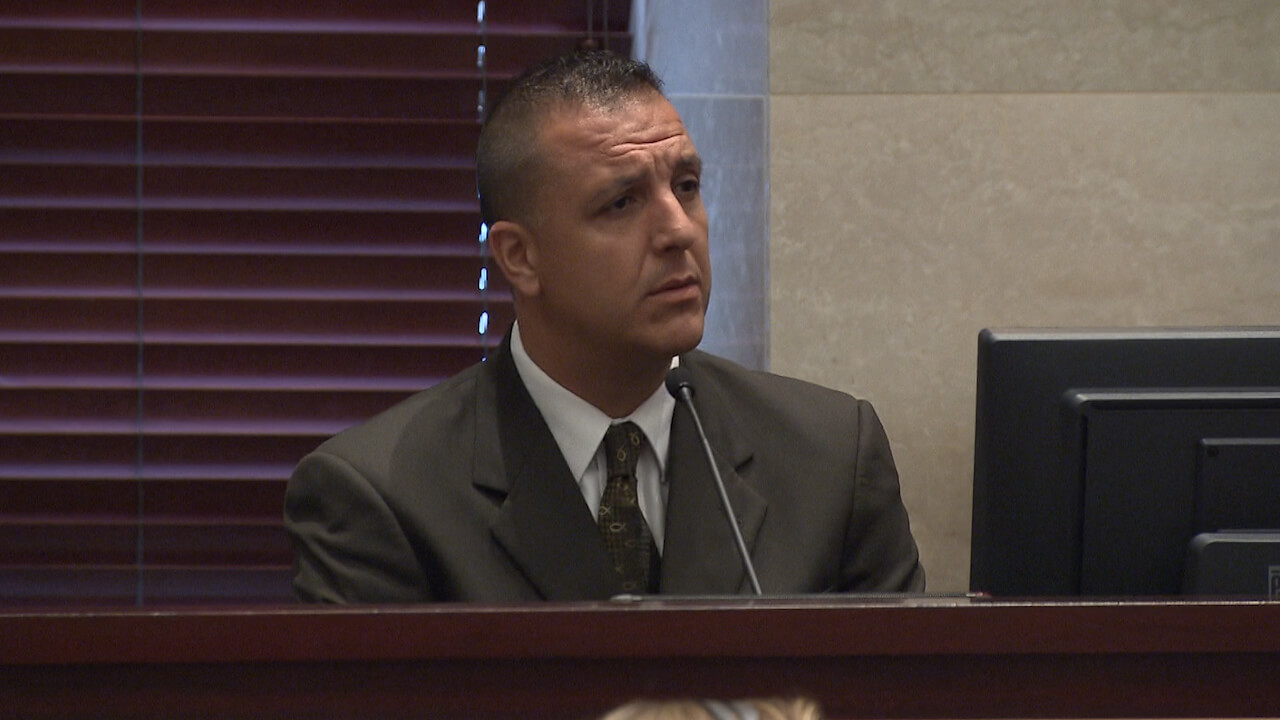
The 911 call came on July 15, 2008. Cindy Anthony told the dispatcher that her 22-year-old daughter, Casey Anthony, and her 2-year-old granddaughter, Caylee…
Why the FBI's tear gas assault on Waco preceded a fire that killed 76 — and who started it remains unknown
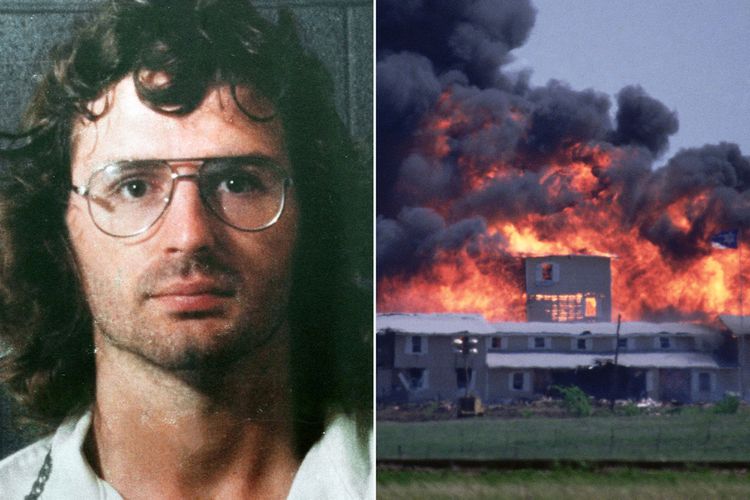
On April 19, 1993, FBI armored vehicles punched holes into the walls of the Mount Carmel Center compound near Waco, Texas, and inserted tear…
The desert graves that were found three years after a family vanished
The television was still on. Uneaten dinner sat on the table. The family dog was in the backyard. Both vehicles were still at the…
How a 14-year-old's open-casket funeral forced a nation to look at Emmett Till
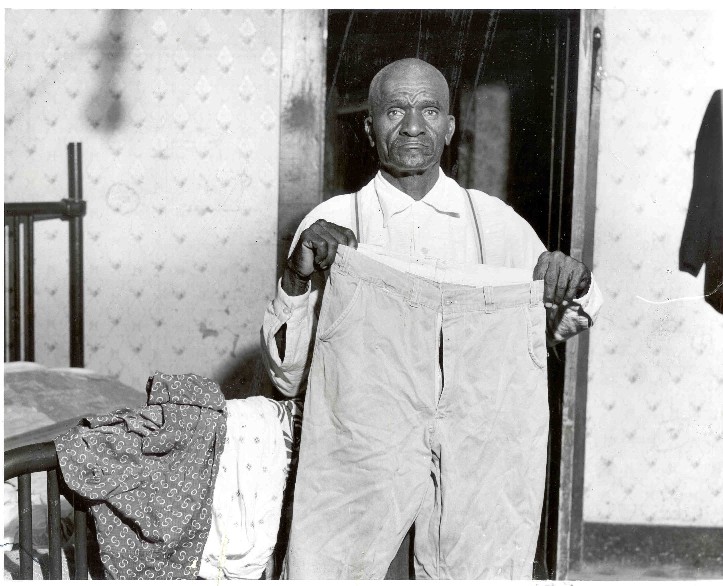
She had the casket opened. Emmett Till's body came back to Chicago from the Tallahatchie River, where it was pulled from the water on…