The 2007 missing-person report that predated the Cleveland Strangler arrests by six years
🚨 THE 2007 REPORT THAT PREDATED THE ARRESTS BY SIX YEARS
The first victim was reported missing in 2007.
Her remains were found later that year.
The Cleveland Strangler murders occurred between 2007 and 2013.
Six years passed between that first report and the arrests.
The victims were women, several involved in prostitution or struggling with drug addiction.
Their bodies were discovered in abandoned houses or vacant lots.
One report filed. One year marked. Six years of silence.
How did a missing-person report from 2007 go unconnected for so long?
How did the first body fail to trigger a wider search?
How did the pattern stay invisible while it was forming?
That would require evidence the record does not provide.
What is documented is the report itself.
What is documented is the year.
What is not established is the identity of the first victim.
What is not established is the exact date of the 2007 report.
The source specifies neither.
It specifies the sequence: reported missing, then found, then nothing.
Then more bodies surfaced.
By 2013, authorities had linked at least eleven deaths to a single suspect.
The first report predated the arrests by six years.
That is the fact that lingers.
The women were vulnerable.
The locations were ordinary.
The report was filed.
The connection came later, through DNA, not through any immediate link.
But in 2007, there was no link to make.
There was only a missing woman, a found body, and the long quiet before the pattern broke.
2007–2013: THE YEARS BETWEEN
The crimes occurred in Cleveland, Ohio, between 2007 and 2013.
Six years between the first body and the arrest.
In 2007, there was a missing woman and then a found body.
Over the following years, more bodies surfaced.
Each one found in abandoned houses, in vacant lots, in places the city had stopped looking.
By 2013, authorities had linked at least eleven deaths to a single suspect.
Eleven deaths, one suspect, six years of quiet.
The case drew national attention.
Not because of speed. Because of duration.
The killings stretched on while the victims remained unnamed, their disappearances unprioritized, their lives unclaimed by the system that would later dig for them.
The specific number of victims and their identities during this period are not detailed in the source.
That is not established.
What is established is the pattern: women, several involved in prostitution or struggling with drug addiction, vanishing into vacant lots.
What is established is the span: 2007 to 2013, a calendar of silence.
The first report was made in 2007.
The remains were found later that year.
Then nothing connected, nothing solved, nothing named.
The years between are the weight of this section.
They are the length of time a body can lie undiscovered in an overgrown lot.
They are the length of time a suspect can remain unlinked.
By 2013, the pattern broke.
But it took six years to break.
JULY 2013 — THE LURE REPORT
July 2013 is when the pattern finally broke.
A woman reported that Madison had attempted to lure her into his home.
The source does not name her.
The source does not give the exact date of her report.
What the record does say: the investigation began in earnest that month.
Police obtained a search warrant for the property.
The warrant was for the home near Madison's mother's house on Cleveland's East Side.
What police found there changed the shape of the case.
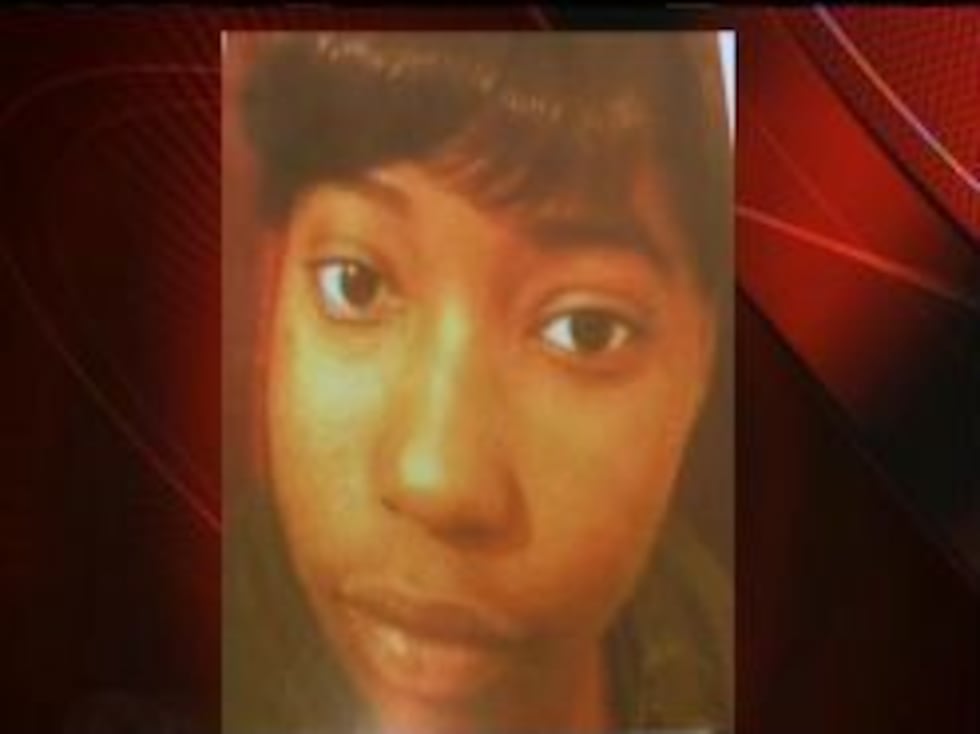
They discovered the body of Shirellda Terry in a garage.
Further searches of the area uncovered the remains of Shetisha Sheeley and Angela Deskins.
The bodies were in a state of decomposition, wrapped in plastic bags.
One report triggered the search.
That search led to the discovery of the bodies.
It is a documented sequence: the report, the warrant, the garage, the lots.
What is not established is any earlier link between Madison and the missing women.
The woman made her report in July 2013.
The first victim had been reported missing in 2007.
Six years sit between those two facts.
Why did it take that long?
Why was one report taken seriously and others not?
Why were the earlier disappearances not prioritized?
The source does not answer those questions.
It records that police faced criticism for not acting sooner on reports of missing women.
Many of those women were marginalized.
Their disappearances had not been prioritized.
The July 2013 report was different.
It was specific.
It named a man.
It described an attempt.
That was enough for a warrant.
That was enough to open the garage.
THE GARAGE AND THE OVERGROWN LOTS
The garage was on the East Side, near Madison's mother's home.
Police opened it with the warrant.
Inside, they found the body of Shirellda Terry.
She was in a state of decomposition.
She was wrapped in plastic bags.
The searches did not stop at the garage.
Further searches of the area uncovered the remains of Shetisha Sheeley.
The remains of Angela Deskins were found as well.
They were in overgrown lots nearby.
They were also wrapped in plastic bags.
The bodies were close to the house where Madison had lived.
That proximity is documented.
The horror is in the placement.
The bodies were not hidden far away.
They were left near a home on a residential street.
The exact sequence of discovery is not detailed.
The condition of each body is not detailed.
The record does not establish which body was found first.
It does not establish how each body was positioned.
What is established is the location.
What is established is the plastic.
What is established is the decomposition.
She was in a garage.
She was on the ground below.
The others were in the lots.
The neighborhood had seen them vanish one by one.
The warrant had been enough to open the garage.
It was enough to find the first body.
It was enough to keep searching.
DNA AND THE LINK TO 2007
The DNA did not come from a single dramatic moment.
It came from comparison, case by case, year by year.
Investigators linked Madison to the deaths through DNA evidence, which matched samples taken from the victims.
The match was the thread that tied the garage to the earlier years.
A significant turning point was the comparison of Madison's DNA to unsolved cases from 2007 onward.
That comparison connected him to additional killings.
It reached backward, past the 2013 discovery, into the cases that had gone cold.
The first victim had been reported missing in 2007.
Her remains were found later that year.
The DNA comparison was what finally placed Madison in that timeline.
What exactly was tested?
How the samples were collected?
Which labs ran the comparisons?
That would require evidence.
The specific DNA evidence and how it was collected are not fully disclosed.
The source does not say.
What it does say is that the match held.
It held across years.
It held across victims.
It held where the missing-person reports had not.
The science did what the paperwork had not done.
It connected the dots.
It connected Madison to the deaths.
It connected 2013 back to 2007.
The link was not immediate.
It was not obvious.
It was built from samples and swabs and stored profiles.
It was built from the dead.
THE CRITICISM AND THE UNPRIORITIZED MISSING REPORTS
The criticism came early in the investigation, according to the source material.
Police faced criticism for not acting sooner on reports of missing women.
Many of the missing women were marginalized.
Their disappearances had not been prioritized.
Not because the reports did not exist.
Because the women were often involved in prostitution or struggled with drug addiction.
The source does not name specific instances of ignored reports.
That is not established.
What is established is the pattern: bodies surfaced in abandoned houses and vacant lots, and the disappearances did not rise.
Authorities acknowledged that some cases remained unsolved.
Some cases remained unsolved due to the lack of forensic evidence.
Some cases remained unsolved due to the advanced decomposition of remains.
The DNA comparison to unsolved cases from 2007 onward connected Madison to additional killings.
It did not connect every disappearance.
The record leaves that gap open.
How many women were reported missing in those years?
How many reports were filed and filed again?
How many were read and set aside?
The source does not say.
It says the criticism was early, and it says the women were marginalized.
It says the disappearances had not been prioritized.
That is the documented part.
The rest is the weight the families carried.
THE TRIAL — PROSECUTION VS. DEFENSE
The charge sheet named three counts of aggravated murder, alongside kidnapping and other offenses.
Prosecutors built the case on DNA evidence and the testimony of forensic experts.
They walked the jury through the matches, sample by sample, victim by victim.

The defense answered with a different reading of the same record.
The evidence was circumstantial, they argued, and Madison had not received a fair investigation.
Not because the science was wrong, the defense suggested. Because the process around it was.
The specific arguments beyond that general claim are not detailed in the record.
That is not established.
What the jury heard instead was a contest over what the DNA meant and what the investigation had missed.
The prosecution pointed to the matches as proof of a single hand.
The defense pointed to the same matches and asked what else had been overlooked.
Two narratives, one set of exhibits.
The courtroom became the place where the weight the families carried was finally given a shape.
It was a shape the defense tried to pull apart, strand by strand.
It was a shape the prosecution held together with expert testimony.
The trial began in 2016.
The record does not say which story the jury found harder to believe.
It only says what they decided.
THE VERDICT AND SENTENCE
The trial began in 2016.
The record does not say which story the jury found harder to believe.
It only says what they decided.
In July 2016, a jury found Madison guilty on all counts.
Guilty of the aggravated murders. Guilty of the kidnappings. Guilty of the other offenses.
He was sentenced to death by lethal injection.
The sentence was automatic in its appeal, as is standard in Ohio capital cases.
It is a verdict. It is also a beginning.
The exact date of the verdict is not specified.
The length of the trial is not specified.
What the record establishes is the month, the year, and the outcome.
What the record does not establish is the hour the jury walked back in, or the words the foreperson read aloud.
The sentence was death.
The appeal was filed because the law required it.
Not because the case was closed. But because in Ohio, a death sentence never ends at the gavel.
Madison left the courtroom under the weight of the penalty.
The families of the victims left with the weight of the sentence.
One weight is legal. The other is not.
The record says the jury found him guilty on all counts.
It does not say what the defense argued in the final moments.
It does not say what the prosecution said in reply.
It says what they decided.
That is the documented fact.
The rest remains in the transcripts, the appeals, and the years that follow.
THE VIRAL CLAIM — WHAT THE RECORD DOES AND DOESN'T ESTABLISH
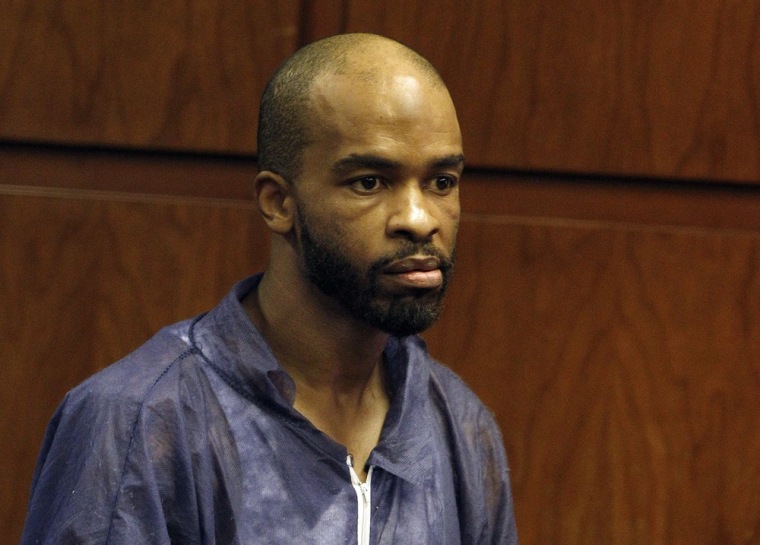
The 2007 missing-person report is documented.
The first victim was reported missing that year, and her remains were found later that same year.
That much the record establishes.
What the record does not establish is any direct connection between that 2007 report and Michael Madison.
The source does not state that Madison was a suspect in 2007.
The source does not provide any evidence of a link between the report and Madison at the time it was filed.
The connection came later, through DNA comparison.
Investigators compared Madison’s DNA to unsolved cases from 2007 onward, and that comparison connected him to additional killings.
That is the documented link: DNA, not the report itself.
Was Madison on investigators' radar in 2007?
Was the missing-person report ever flagged as relevant to him?
Was there a file, a tip, a name?
The record does not say.
That would require evidence.
The viral claim often runs the two facts together, as if the 2007 report pointed to Madison six years early.
It is a documented fact that the report exists.
It is a documented fact that DNA later matched Madison to cases from that period.
It is not established that the report and the DNA comparison are the same thread.
The report predated the arrests by six years.
The DNA comparison came after the arrests, in the summer of 2013.
One fact is chronological.
The other is forensic.
They are not the same fact.
AND THE STORY STILL ISN'T OVER
Michael Madison remains on death row at a state prison in Ohio.
His appeals have continued through the state and federal courts.
No final ruling has been widely reported.
The status of the appeal and any future court dates are not specified.
The families of the victims have spoken publicly about their grief.
They have spoken about their frustration with the pace of the justice system.
Cleveland police have implemented changes to how missing-person reports involving vulnerable individuals are handled.
Those reforms were not directly tied to the case in court.
The broader investigation into other unsolved deaths from the same period has not resulted in additional charges against Madison.
Authorities have stated that some cases remain open.
Some cases remain open because of missing forensic evidence.
Some cases remain open because of the advanced decomposition of remains.
Some cases remain open.
That is the documented record.
Not because the investigation stopped.
But because the evidence was not there.
The 2007 report is chronological.
The DNA match is forensic.
They are not the same fact.
The grief is not a fact.
It is ongoing.
Advertisement
You may also like

The DNA under her fingernails that cracked a 17-year cold case — but left one question open
🚨 THE NEIGHBOR'S CALL THAT OPENED A 17-YEAR WAIT… A neighbor in Bellaire, Texas, called police about a break-in at a home on June…

The 4-day gap between a 5-year-old's abduction and a suspect's arrest in her murder
🚨 THE 4-DAY GAP July 15, 2002, in Stanton, California: a man asks a five-year-old for help finding a lost dog. The friend runs…
The grandmother's 911 call that started it all — and the family story that never fit
🚨 THE 911 CALL THAT DIDN'T MATCH THE FAMILY'S STORY The 911 call came on July 15, 2008, from a grandmother named Cindy Anthony.…
The missing boy's ring found in a crawl space — 27 bodies later
🚨 THE RING IN THE CRAWL SPACE The ring was small, gold, and it belonged to a missing 15-year-old boy. Police found it on…
The 2005 Aruba nightclub exit that left three men with stories that never matched
🚨 THE EXIT THAT STARTED EVERYTHING The club was called Carlos'n Charlie's, a bar and nightclub in Oranjestad, Aruba. Natalee Holloway, 18, from Mountain…
The tarot card message that turned a random killing spree into a hunt for 'God'
🚨 THE TAROT CARD THAT READ 'CALL ME GOD' The card was a piece of evidence, found at a crime scene during the investigation…