The 3:32 p.m. cell call that placed a suspect near a body not yet found
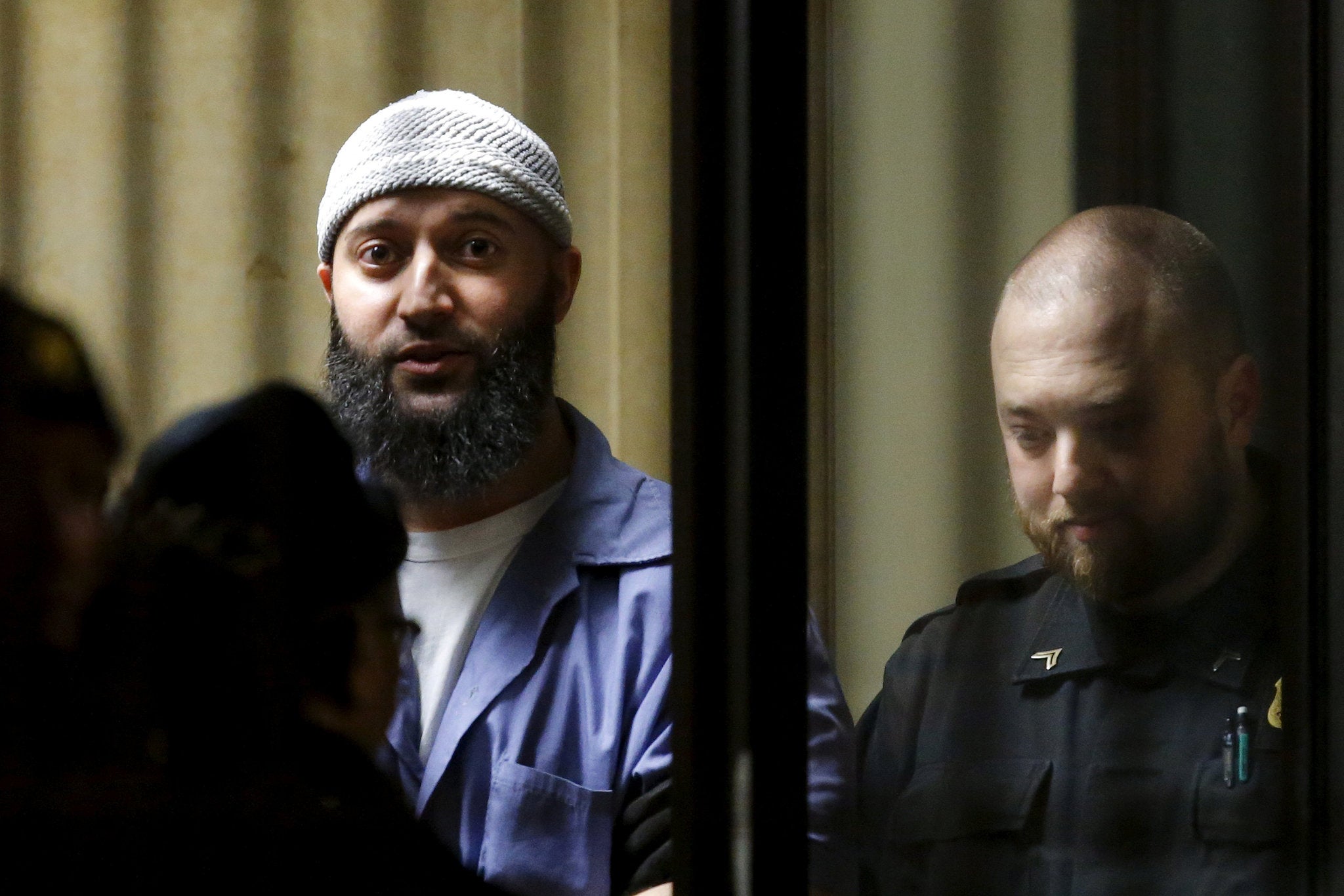
At 3:32 p.m. on January 13, 1999, a call was made from Adnan Syed's cell phone to a friend named Nisha.
The call was routed through a cell tower in Leakin Park, where Hae Min Lee's body would be found.
It would be found on February 9, 1999.
At 3:32 p.m., Lee had not yet been reported missing.
Her body was not discovered for nearly four weeks.
The call was presented at trial as corroborating evidence of Syed's presence near the burial site.
That is the documented record: one call, one tower, one timestamp.
What the record does not establish is where Syed actually was when the call was made.
What the record does not establish is whether Syed himself made the call.
Cell phone records show which tower handled a call.
They do not show which person held the phone.
They do not show a precise location.
Was Syed standing in the woods?
Was he driving past the park?
Was the phone in someone else's hand?
That would require evidence the record does not contain.
The call was made weeks before a body was found.
It was made before anyone reported Lee missing.
It was made on the afternoon she was last seen leaving school.
How did a single phone call become a cornerstone of a murder case?

Prosecutors say it placed Syed near the burial site.
The defense argued the records were unreliable.
The call was routed through a tower in Leakin Park.
Leakin Park is a wooded area in Baltimore City.
Lee's body was found there, strangled.
The call lasted just over two minutes, according to trial testimony.
That is what the record shows.
That is all the record shows.
THE DISAPPEARANCE AND THE SEARCH
Hae Min Lee was 18, a senior at Woodlawn High School.
On January 13, 1999, she disappeared.
She was last seen leaving school that afternoon, according to the police investigation.
For twenty-seven days, she was a missing person.
Police interviewed her classmates and teachers.
They interviewed her friends, her family, anyone who had seen her in those final hours.
According to investigation notes, they quickly focused on Syed, her ex-boyfriend.
The gap between the disappearance and the discovery of the body is where the case was built.
It is also where the record runs thin.
The exact time of death is not established in the record.
The location where her car was later found is not specified in the record.
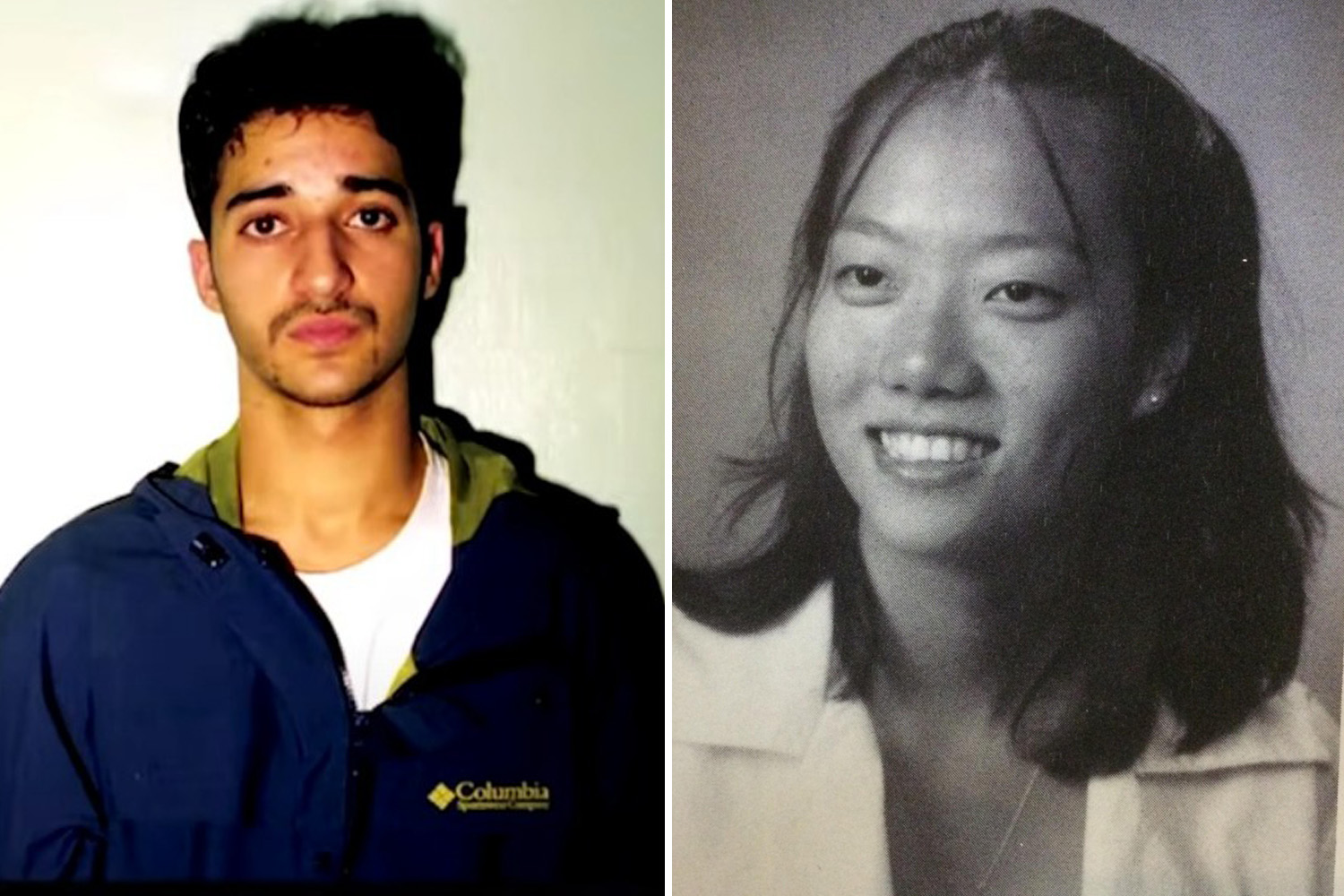
That is what the record does not say.
On February 9, 1999, her body was found in Leakin Park, a wooded area in Baltimore City.
The medical examiner determined she had been strangled.
Her car was later found in a different part of Baltimore, according to the police report.
The investigation had a body, a cause of death, and a suspect.
It did not have a witness to the murder.
That would come later, and it would come from Jay Wilds.
But in those weeks between January 13 and February 9, the case was built on interviews and focus.
It was built on a timeline.
It was built on a single cell phone call routed through a Leakin Park tower.
That call came at 3:32 p.m. on the day she disappeared.
Her body had not yet been found.
She had not yet been reported missing.
THE WITNESS AND THE RECORDS
Jay Wilds was an acquaintance of Syed's.
He testified that Syed showed him Hae Min Lee's body in the trunk of her car.
He testified that Syed asked for help burying her in Leakin Park.
That testimony was the only direct account of the murder and the burial.
His credibility was heavily contested at trial.
The defense argued that Wilds was lying.
The defense argued that the cell phone records were unreliable, too.
The medical examiner determined the cause of death was strangulation.
No DNA evidence linked Syed to the crime scene.
That is the weight the case carried: one witness's story.
The record does not establish that Wilds's account was independently corroborated.
It does not establish that the tower data placed Syed at the burial site with certainty.
What remains is a single call at 3:32 p.m. and a man who said he helped dig a grave.
The prosecution called the call corroboration.
The defense called it coincidence.
How much should one account carry?
That would require evidence.
TRIAL AND TWO INTERPRETATIONS
The trial opened in October 1999 with two stories laid side by side.
The prosecution argued that Syed killed Lee in a jealous rage after she ended their relationship.
That story rested on Jay Wilds, the only witness who placed Syed at the burial.
It rested too on the 3:32 p.m. call, routed through a Leakin Park tower.
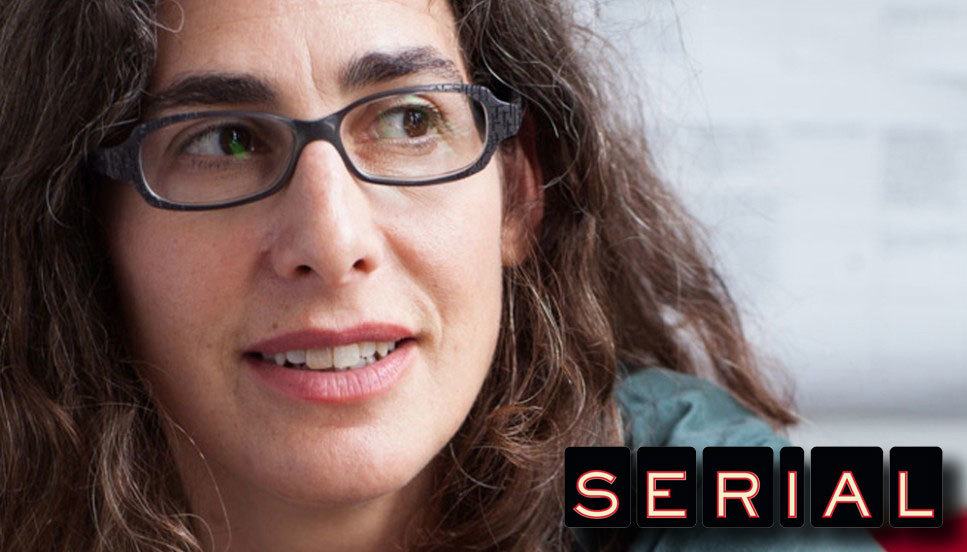
The defense, led by Cristina Gutierrez, told a different story.
Syed was innocent, she argued; Wilds was the actual killer.
Wilds had a motive to lie, the defense said, and the cell records were unreliable.
The same evidence carried both stories.
The same call placed Syed near the park.
The same call could have been routed through that tower for reasons no witness explained.
The same witness who described the burial was the only witness who described it.
The jury heard both stories.
On February 25, 2000, they chose one.
Syed was convicted of first-degree murder, kidnapping, robbery, and false imprisonment.
He was sentenced to life in prison plus 30 years.
The conviction rested on Wilds's testimony and the cell phone records.
Both were challenged in later appeals.
The reliability of the tower data was questioned.
The credibility of the only direct account was questioned.
The actual identity of the killer is not established by the record.
The trial produced a verdict, not a certainty.
It is a case where the evidence supported two readings.
It is a case where the record still supports both.
AND THE STORY STILL ISN'T OVER
In 2014, the *Serial* podcast, hosted by Sarah Koenig, re-examined the case.
It raised questions about the reliability of the cell phone evidence.
In 2016, a Maryland appeals court granted Syed a new trial.
The court cited ineffective assistance of counsel: Gutierrez's failure to cross-examine a state witness about cell tower coverage.
The Maryland Court of Appeals reinstated the conviction in 2019.
It ruled that the new trial was not warranted.
In 2022, the Baltimore City State's Attorney's Office filed a motion to vacate.
The motion cited new evidence and unreliable testimony.
A judge granted it, and Syed was released on September 19, 2022.
The state later dropped all charges, citing insufficient evidence.
Whether Syed is guilty or innocent is not established by the record.
The conviction was vacated. The charges were dropped.
Hae Min Lee's family has expressed frustration with the legal process.
They speak of the lack of closure.
The 3:32 p.m. call remains what it was: a single call routed through a Leakin Park tower.
It was presented as corroboration.
It was never presented as proof.
The record does not establish what the tower actually covered.
The record does not establish where Syed was standing.
The record does not establish who made the call.
That would require evidence.
The case is not closed.
It is a living controversy with no final answer.
The trial produced a verdict, not a certainty.
The appeals produced rulings, not a resolution.
The release produced freedom, not a finding of innocence.
The next step is ongoing debate and legal review.
She was on the ground below, and the story still isn't over.
Advertisement
You may also like
The bite marks on Lisa Levy that tied Ted Bundy to the Chi Omega murders
The bite marks were on the buttocks of Lisa Levy. They were found at the Chi Omega crime scene, in the sorority house where…
The smiley-face confession letter that exposed a truck driver's killings
In March 1995, the body of a woman was found near a rest stop in Oregon. She had been strangled. Her body was left…
The discarded coffee cup that unmasked the Golden State Killer after 40 years
In April 2018, investigators picked up a coffee cup a man had thrown away. They took it, bagged it, and ran the DNA against…
The cellphone confession found in the boat where Dzhokhar Tsarnaev hid
The boat sat in a Watertown backyard, under a tarp, on the morning of April 19, 2013. The city had been locked down. The…
The ladder plank in Hauptmann's attic that sealed his fate
The plank had a name, or at least a number, before it had a story. In September 1934, police searched Bruno Richard Hauptmann's home…
The love letters scattered beneath a crabapple tree that investigators could not trace
The crabapple tree stood in a secluded lane called Lovers' Lane, near St. John's Episcopal Church in New Brunswick, New Jersey. On the night…