The cellphone confession found in the boat where Dzhokhar Tsarnaev hid
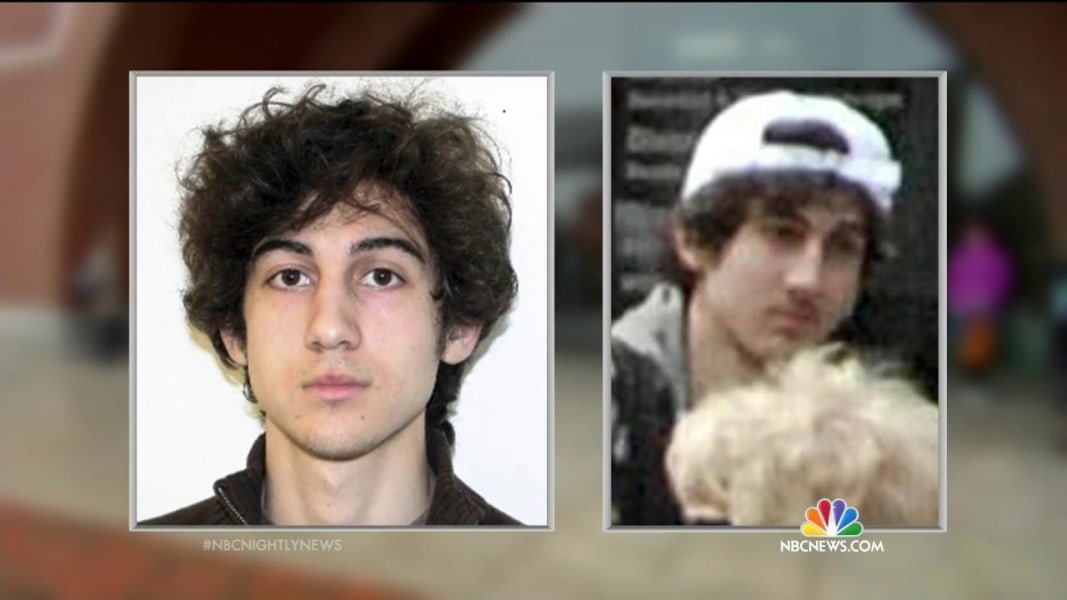
The boat sat in a Watertown backyard, under a tarp, on the morning of April 19, 2013.
The city had been locked down. The manhunt had narrowed to a few square miles. And inside that boat, a 19-year-old was bleeding.
Dzhokhar Tsarnaev was found there, hiding, after a shootout had killed his older brother hours earlier.
Investigators climbed into the boat and found what was left of a plan: a pressure cooker, fireworks, and a cellphone.
On that cellphone, according to the record, was a written confession.
It said the bombing was retaliation for U.S. wars in Muslim countries.
That sentence carried weight. It was evidence, documented and real.
But it was a statement made by the accused, not a fact the record establishes.
The exact wording of the confession is not in the source; only its content is summarized.
What the cellphone said would be argued in court, parsed by lawyers, and weighed by a jury.
It was a motive claimed. It was not a motive proven.
The boat became the symbol of the manhunt's end—the place where a city exhaled.
The confession inside it became the question that defined the trial.
Why did he do it?
The cellphone offered an answer. The record does not confirm it.
That would require evidence. That would require a verdict on the motive itself.
The verdict came later, on other charges. The motive stayed contested.
THE BOMBS AND THE BREAKTHROUGH
On April 15, 2013, two pressure-cooker bombs exploded near the finish line of the Boston Marathon.
The explosions killed three people and injured more than 260 others.
Investigators recovered fragments of the pressure cookers from the scene.
They found circuit boards.
They found a piece of a lid.
Each fragment was a clue, and each clue narrowed the field.
A key breakthrough came from surveillance video and photographs from department stores and restaurants near the finish line.
The exact source of that footage is not specified beyond department stores and restaurants; the record does not pin it down further.
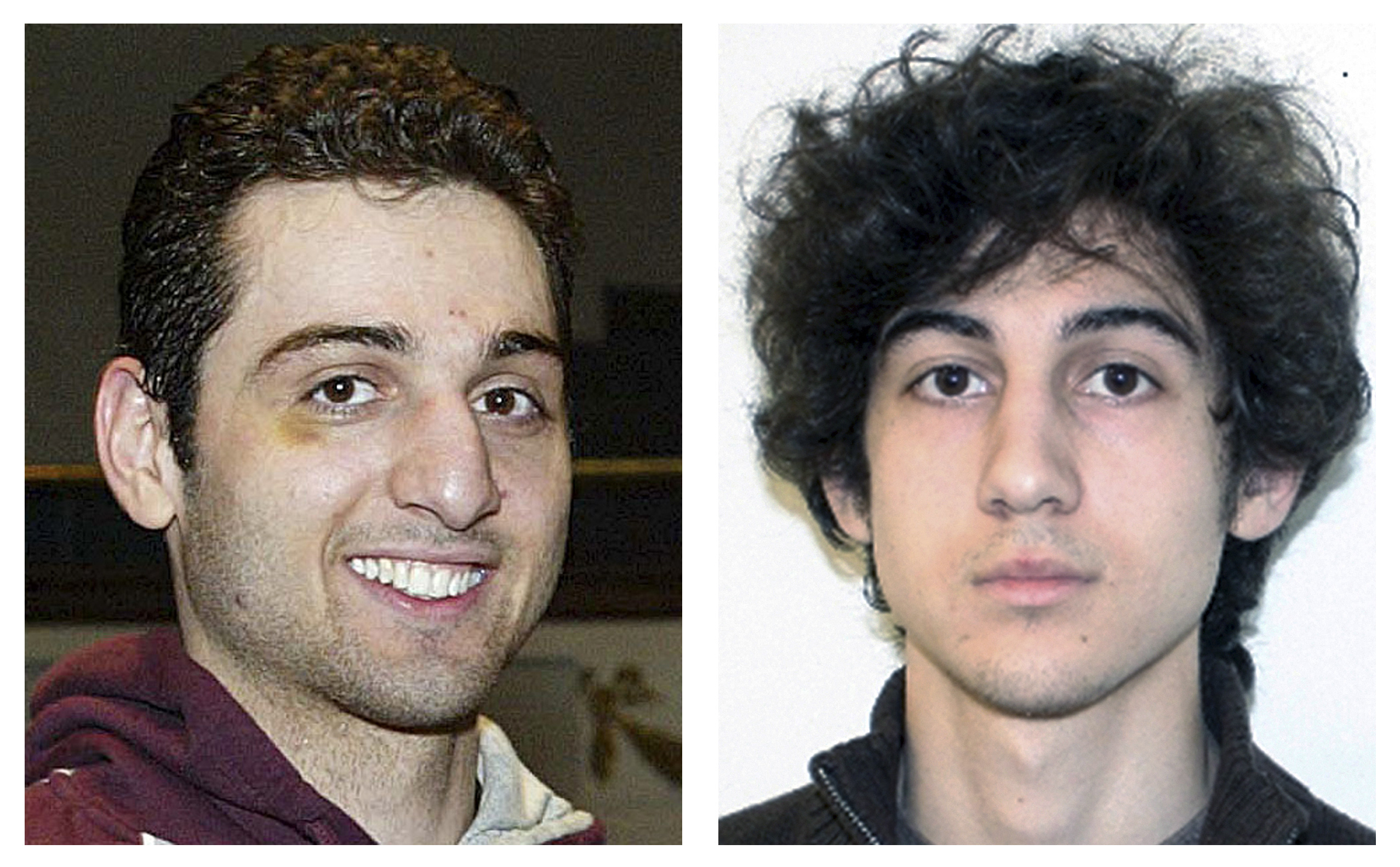
On April 18, the FBI released images of two suspects.
The images spread fast.
The hunt had faces now.
The brothers were identified after the carjacking victim, Dun Meng, escaped and led police to a gas station where he had been held.
Meng led them to the place.
The place led to the car they abandoned.
The brothers' fingerprints were found on that car.
It was evidence that tied them to the escape.

It was evidence that tied them to the night.
It was evidence that tied them to each other.
The investigation moved on fragments and footage and a victim's memory.
Each piece was physical.
Each piece was documented.
Each piece pointed the same way.
The bombs were built from kitchen pressure cookers, packed with shrapnel, and detonated by remote control.
The fragments said so.
The circuit boards said so.
The lid said so.
That would require more than a theory.
That would require the trial itself.
THE MANHUNT AND THE SHOOTOUT
The lockdown began before dawn.
Boston emptied. Schools closed. Subways stopped. The city became a grid of police cruisers and armored vehicles, and the streets belonged to officers with rifles.
The brothers had killed Sean Collier, an MIT police officer, and carjacked a vehicle to flee.
That vehicle became the lead. The carjacking victim escaped and led police to a gas station, and fingerprints on the abandoned car identified the suspects.
Watertown is where the chase ended.
Police cornered Tamerlan Tsarnaev, and a shootout followed.
He was killed in that exchange.
Dr. Henry Nields, the medical examiner, testified that Tamerlan died from gunshot wounds and blunt force trauma.
The blunt force, Nields said, likely came from being run over by his brother in the getaway car.
The exact sequence of events during the shootout is not detailed in the source.
What is detailed is this: Tamerlan was down, and Dzhokhar was gone.
A city under siege stayed under siege.
Officers went door to door. They searched backyards. They checked boats.
Dzhokhar Tsarnaev was found hiding in a boat in a Watertown backyard.
He was captured later that day.
The manhunt ended where it began to narrow — a backyard, a tarp, a boat.
The city exhaled.
The evidence inside the boat would come later.
THE CONFESSION AND THE TRIAL
The cellphone was inside the boat, next to the pressure cooker and the fireworks.
On it, investigators found a confession written in Dzhokhar's own words.

The bombing, he wrote, was retaliation for U.S. wars in Muslim countries.
That sentence became the hinge of the trial.
The defense argued Dzhokhar was influenced by his older brother, Tamerlan.
Prosecutors presented a different picture.
They showed the jury that Dzhokhar bought the fireworks.
They showed that he helped build the bombs.
He was charged with 30 federal counts, including conspiracy to use a weapon of mass destruction and bombing a public place.
The trial began in January 2015.
Prosecutors, led by Carmen Ortiz's office, sought the death penalty.
The defense, led by Judy Clarke, leaned on the older brother.
Was he a mastermind?
Was he a follower?
The record does not establish much beyond the influence argument itself.
In April 2015, the jury convicted him on all 30 counts.
In the penalty phase, they decided on death.
In June 2015, Judge O'Toole formally sentenced him.
The defense appealed.

In 2020, a federal appeals court overturned the death sentence, citing insufficient jury screening.
In 2022, the U.S. Supreme Court reinstated it.
The confession remains what it is: a documented piece of evidence.
The motive it claims is interpretation.
The conviction is fact.
AND THE STORY STILL ISN'T OVER
He is on federal death row at U.S. Penitentiary Florence in Colorado.
His appeals continue.
The record does not specify where those appeals stand right now; it only says they are ongoing.
Tamerlan Tsarnaev is buried in an undisclosed location.
The parents of the brothers have returned to Russia.
The families of the victims have established foundations, including the Martin Richard Foundation.
The Boston Marathon bombing remains one of the most heavily investigated terrorist attacks on U.S. soil.
That is a heavy thing to hold.
It is also the only thing the record can confirm.
The confession was found. The conviction was won. The sentence was reinstated.
Not because the motive was proven. But because the evidence was.
The appeals continue.
That would require evidence.
Advertisement
You may also like
The bloody glove behind O.J. Simpson’s guesthouse that split a trial in two
It was a left-handed glove, dark leather, stiff with dried blood, found behind the guesthouse at O.J. Simpson's estate. Detective Mark Fuhrman of the…
The 408-symbol cipher a schoolteacher solved — and what it said about the afterlife
The 408-symbol cipher sat in the newspaper office, a grid of letters and shapes that looked like a child's game. A Vallejo schoolteacher and…
The left-luggage ticket that cracked the Moors murders case
October 7, 1965. Police searched a house in Manchester and found a left-luggage ticket. Not a weapon. Not a confession. A ticket for Manchester…

The hatchet head in the cellar that never matched the timeline
The cellar was damp and close on the morning of August 4, 1892. In Fall River, Massachusetts, the bodies of Andrew Jackson Borden and…
The 2002 sniper shootings: a tip about a Caprice at a rest stop, and the rifle that changed everything
The caller reached the hotline on October 24, 2002. The caller gave a description of a Chevrolet Caprice. Police found the Caprice parked at…
The Thompson submachine gun found in Fred Burke's Michigan home that tied him to the massacre
The Thompson submachine gun sat in a Michigan home, miles from the Chicago garage. Investigators found it in the residence of a man named…