The hatchet head in the cellar that never matched the timeline
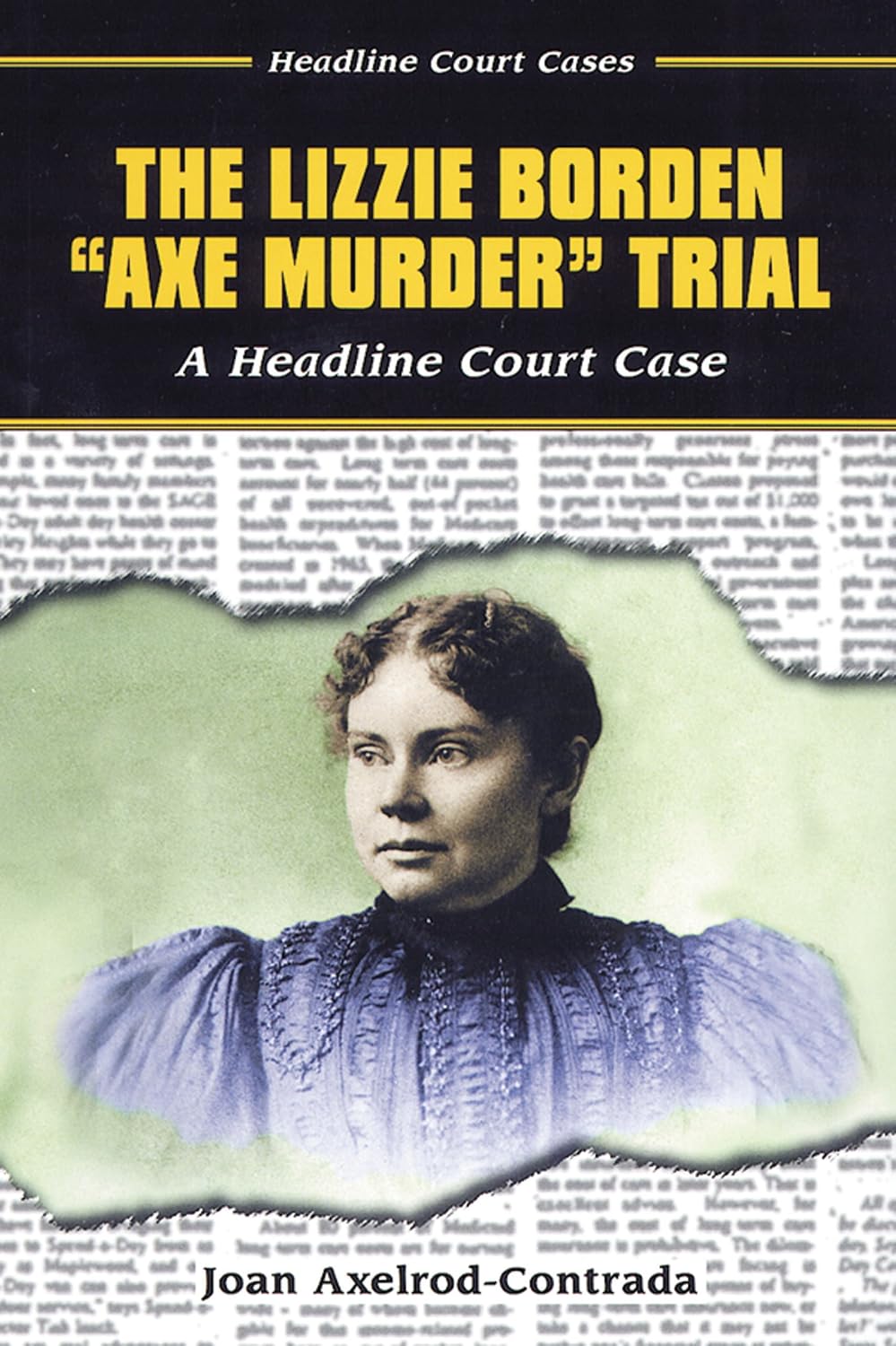
The cellar was damp and close on the morning of August 4, 1892.
In Fall River, Massachusetts, the bodies of Andrew Jackson Borden and his second wife, Abby Durfee Borden, lay in the house at 92 Second Street.
Andrew was on the sofa in the sitting room, his face nearly split by an axe-like blow.
Abby was upstairs in the guest bedroom, killed by repeated blows from a hatchet or axe.
The murders had happened sometime between roughly 9:00 and 11:00 a.m. on a hot summer morning.
The bodies were found by the couple's adult daughter, Lizzie Andrew Borden, and the Irish maid, Bridget Sullivan.
Down in the cellar, investigators found a hatchet head and a broken handle.
No blood was on them.
No blood, no witness, and no timeline ever placed that hatchet head in anyone's hand.
It was a documented object, found in the house where two people were hacked to death.
It was also the one object that never became the weapon.
The medical examiner testified that the wounds were consistent with a hatchet or axe.
But the murder weapon was never conclusively identified.
The hatchet head is what people still fixate on.
Not because it killed anyone.
Because it was there, in the cellar, so close to the crime, and the record says nothing more.
It is a fact of the case.
It is also a dead end.
THE MORNING OF AUGUST 4
The morning of August 4, 1892, was hot, and the house at 92 Second Street held six people.
Lizzie was there, along with her father Andrew, her stepmother Abby, and the maid Bridget Sullivan.
Abby’s nephew, a visitor staying in the house, was also present that morning.
The murders happened between roughly 9:00 and 11:00 a.m.
Lizzie told police she had been in the barn for about twenty minutes during that window.
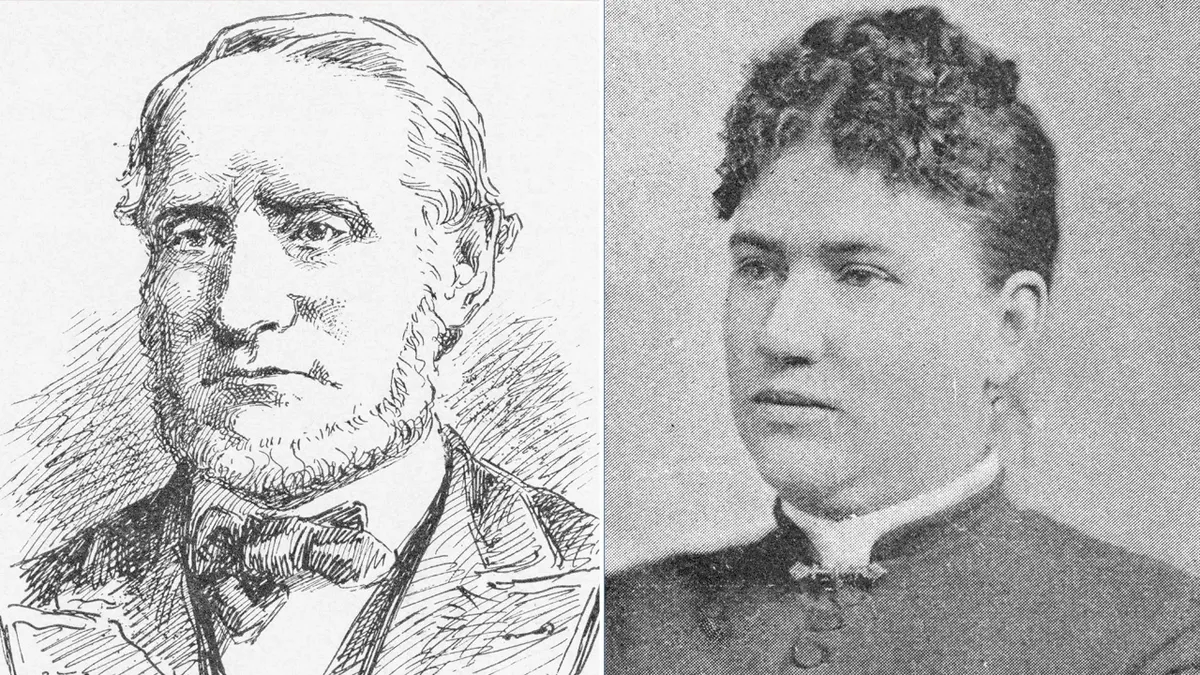
The police later noted that her account did not align with the timeline.
Bridget Sullivan was in the house during the estimated time of the killings, and she was accounted for.
Suspicion briefly fell on her, and on an unidentified man seen near the house.
Neither was charged.
The police arrived shortly after the bodies were found.
They failed to secure the crime scene properly, allowing people to walk through the house.
That compromised the forensic evidence.
The medical examiner performed the autopsies and testified that the wounds were consistent with a hatchet or axe.
The murder weapon was never conclusively identified.
The exact movements of each person between 9:00 and 11:00 a.m. are not fully established.
The unidentified man was never charged.
That is what the record leaves open.
THE PROSECUTION AND THE DEFENSE
The prosecution built its case on motive and opportunity.
Motive was resentment — resentment over her father’s property arrangements, resentment over her stepmother.
Opportunity was simpler: she was the only person in the house besides Bridget Sullivan, and Bridget Sullivan was accounted for.
That was the structure of the state’s case.
Then the case suffered.
Days before the murders, Lizzie had attempted to purchase prussic acid, a poison.
The prosecution presented that attempt as evidence of intent.
It was never tied directly to the killings.
The record does not establish that the poison had anything to do with the deaths.
The defense attacked the druggist who claimed Lizzie tried to buy the poison.
Witness testimony, the defense argued, was unreliable.

The defense built its own story from the same circumstantial facts.
No blood was found on Lizzie’s clothing.
No weapon was found at all.
The hatchet head in the cellar had no blood on it.
The broken handle had no blood on it.
The murder weapon was never conclusively identified.
The judge instructed the jury that the evidence was insufficient to convict.
The jury deliberated for about an hour.
On June 20, 1893, the verdict came back: not guilty.
Two competing stories had been told from the same facts.
One said she had motive and opportunity.
One said the evidence was circumstantial, and nothing more.
Both were fragile.
The prussic acid was never tied to the killings.
The weapon was never found.
That is what the record leaves open.
THE VIRAL THEORY AND THE RECORD
The rhyme came later.
“Lizzie Borden took an axe” is folklore, not evidence, and it was not contemporary to the trial.
The hatchet head in the cellar is a documented object.
It is a real thing, found with a broken handle in the basement of 92 Second Street.
But the record shows no blood on them.
No witness placed them at the scene.
No timeline connected them to the murders.

That is what the record establishes, and that is where the record stops.
A theory circulating online — that the hatchet head was the murder weapon — is not a fact established by the record.
It is a theory.
The record does not support it.
The murder weapon was never conclusively identified.
The medical examiner testified the wounds were consistent with a hatchet or axe, but that is a description, not a match.
The case remains unsolved in the official record.
No one else was ever charged.
The physical record is also incomplete.
The police failed to secure the crime scene properly.
People walked through the house.
Forensic evidence was compromised.
So the record is messy, and it is missing pieces.
The rhyme is neat.
The rhyme has a rhythm and a body count and a name.
The record has a hatchet head with no blood, a broken handle, and a house that was not sealed.
Which one is easier to remember?
Which one is easier to repeat?
The rhyme answers with a swing.
The record answers with what was found, what was not found, and what was walked over.
That would require evidence.
AND THE STORY STILL ISN'T OVER
The jury deliberated for about an hour.
They returned a verdict of not guilty on June 20, 1893.
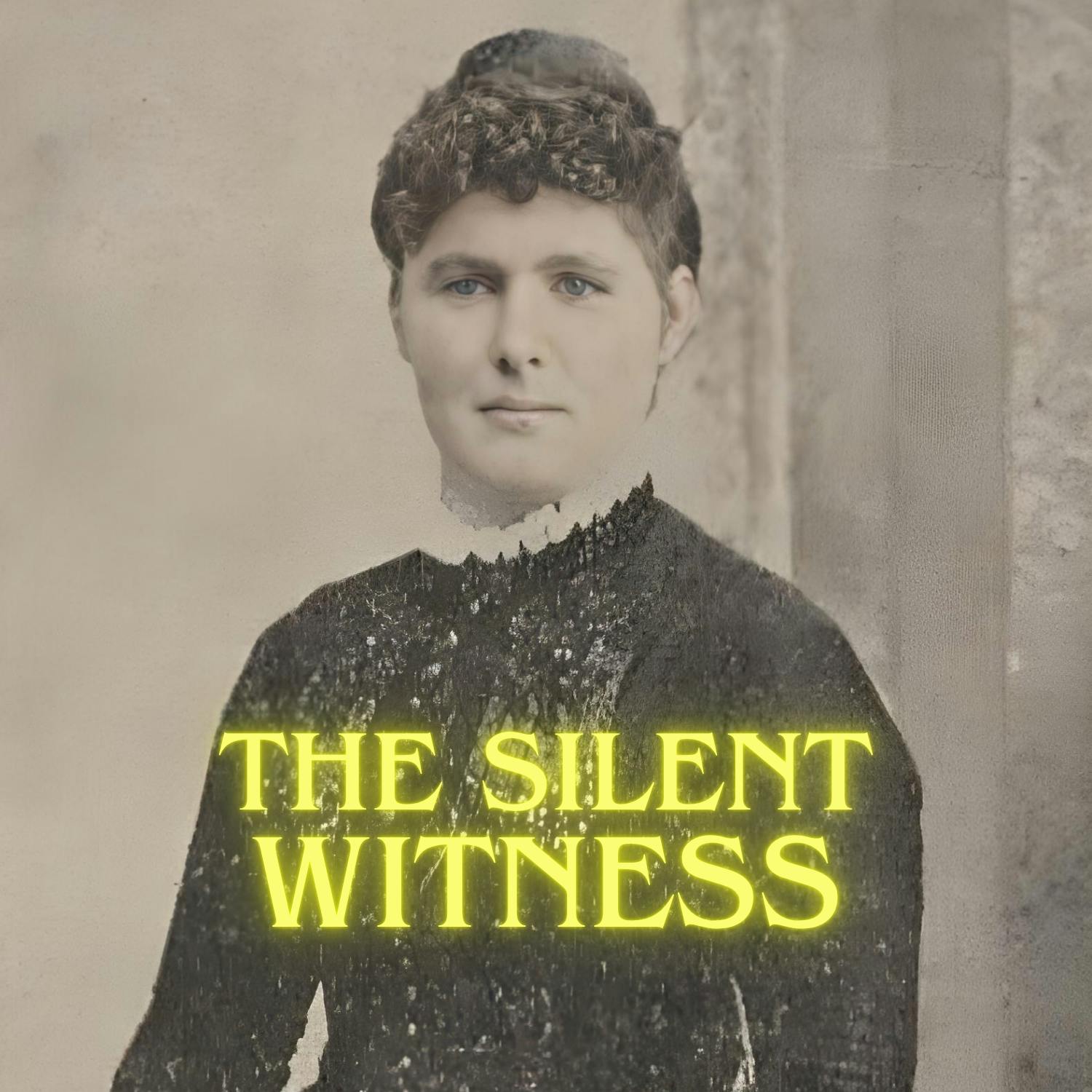
Lizzie Borden was acquitted of all charges.
She never faced further charges.
She inherited a substantial portion of her father’s estate.
She lived quietly in Fall River.
She died there on June 1, 1927, at the age of 66.
Her sister Emma died a few days later, on June 10, 1927.
The case remains unsolved in the official record.
No one else was ever charged for the murders.
The hatchet head in the cellar remains an object without a story.
A piece of evidence that never matched the timeline.
No blood was found on it.
No witness placed it in a hand.
No timeline ever tied it to the deaths.
The identity of the killer is not established by the record.
The hatchet head’s role remains unknown.
That would require evidence.
The Borden house at 92 Second Street still stands.
It operates as a museum and a bed-and-breakfast.
Guests sleep in rooms where the victims lived.
They walk the cellar where the hatchet head was found.
The legal case is closed.
The factual case is not.
The rhyme answers with a swing.
The record answers with what was found, what was not found, and what was walked over.
The house holds the question.
The cellar holds the object.
The story still isn't over.
Advertisement
You may also like
The 20-month-old in the crib, the $50,000 note, and the ladder no one could explain
The nursery window was shut, the crib empty, the room still warm. Betty Gow, the child's nurse, found the crib empty around 10:00 p.m.…
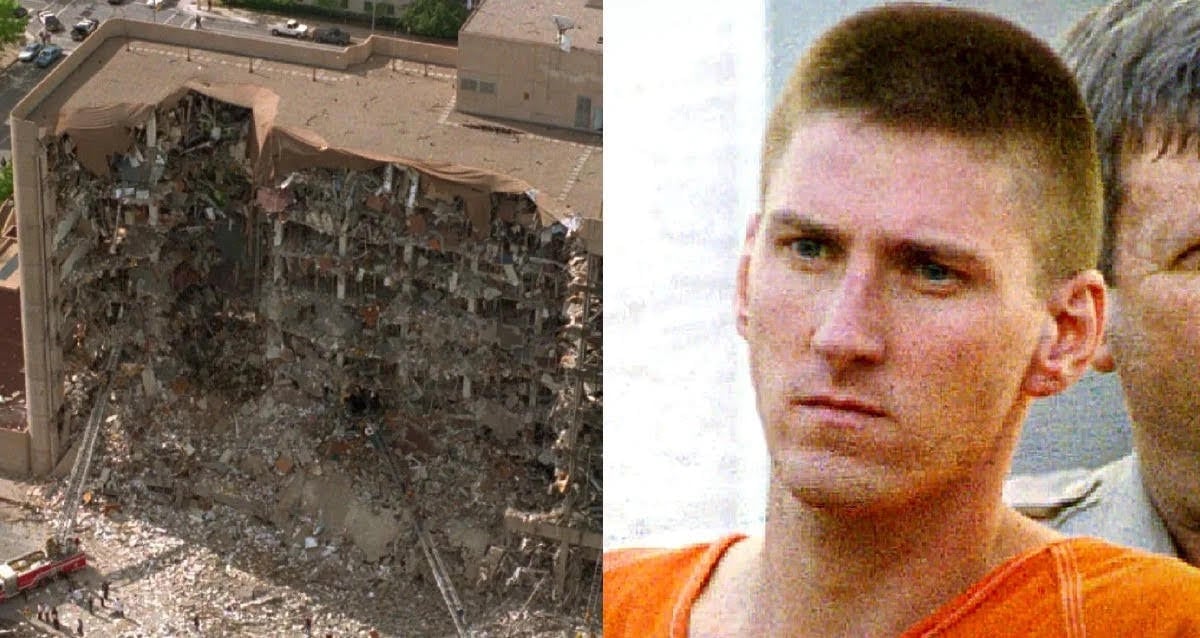
The truck axle with a VIN that led FBI to bomber’s rental alias
9:02 a.m. on April 19, 1995. A rented Ryder truck, packed with ammonium nitrate and fuel oil, exploded outside the Alfred P. Murrah Federal…
The severed head in a canal that identified a missing boy — and the confession that never went to trial
The video games were the last thing Adam Walsh watched. On July 27, 1981, the six-year-old was at the Sears store in the Hollywood…
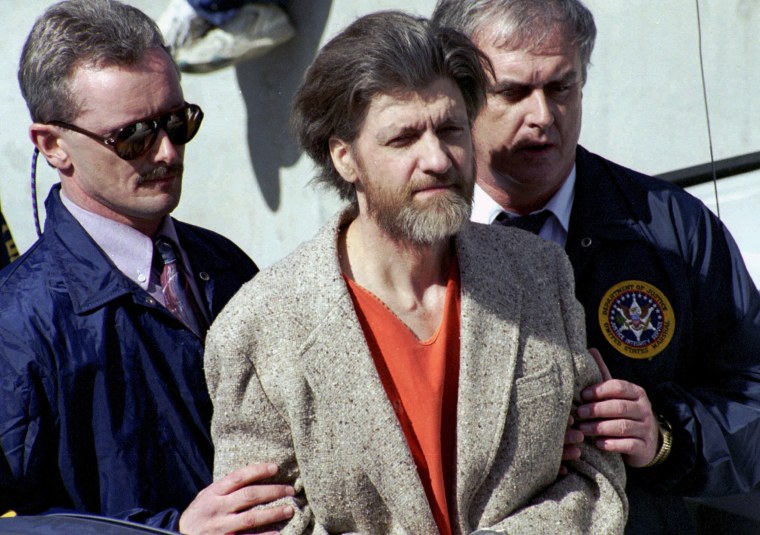
The Unabomber trial turned on a brother's recognition of his writing style
In 1995, a 35,000-word manifesto titled "Industrial Society and Its Future" was mailed to The New York Times and The Washington Post. The sender…
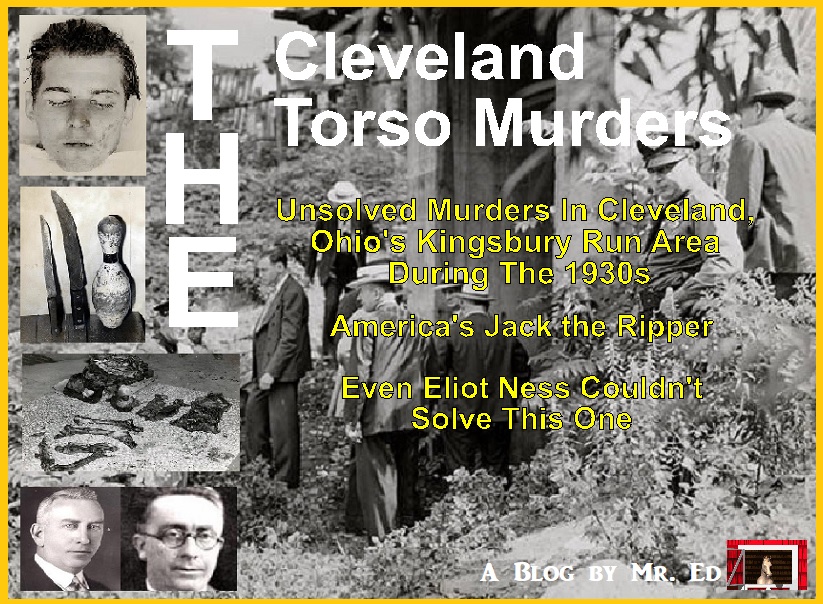
The shantytown razed twice by Eliot Ness, and the killer who vanished
The second fire went up in 1938, and the flames were meant to solve something. Eliot Ness, Cleveland's Safety Director, had already ordered the…

The DNA match in 2001 that reopened the Green River case after a 1987 saliva sample stalled
In 1987, a man was questioned and gave a saliva sample. The DNA technology of the time could not link him to the murders.…