The bloody glove behind O.J. Simpson’s guesthouse that split a trial in two
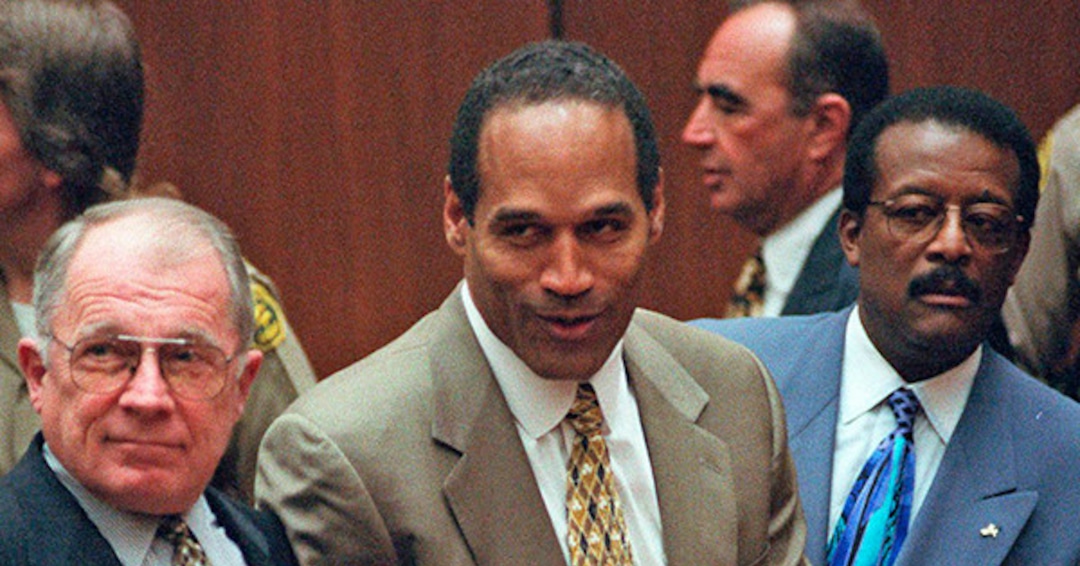
It was a left-handed glove, dark leather, stiff with dried blood, found behind the guesthouse at O.J. Simpson's estate.
Detective Mark Fuhrman of the LAPD discovered it on June 13, 1994, the day after two people were found stabbed to death a few miles away.
The glove matched a mate found at the crime scene on Bundy Drive.
That pair of gloves became the hinge of a double-murder trial.
Forensic analysis later linked the blood on the glove behind the guesthouse to Nicole Brown Simpson and to Ronald Goldman.
DNA testing did that.
How the glove got behind the guesthouse is not established by the record.
Not where it came from before that moment.
Not who put it there.
A theory circulating online claims the glove was planted by police.
It is a theory.
The record shows only that it was found, that it matched, that it was tested.
It does not show how it arrived.
The glove did not split the case cleanly.
It split the public, and it split the jury.
Some saw a murderer's trace, dropped in haste.
Some saw a frame, staged by a detective with a motive.
The record supports neither story fully.
It supports a glove, behind a guesthouse, on a June morning.
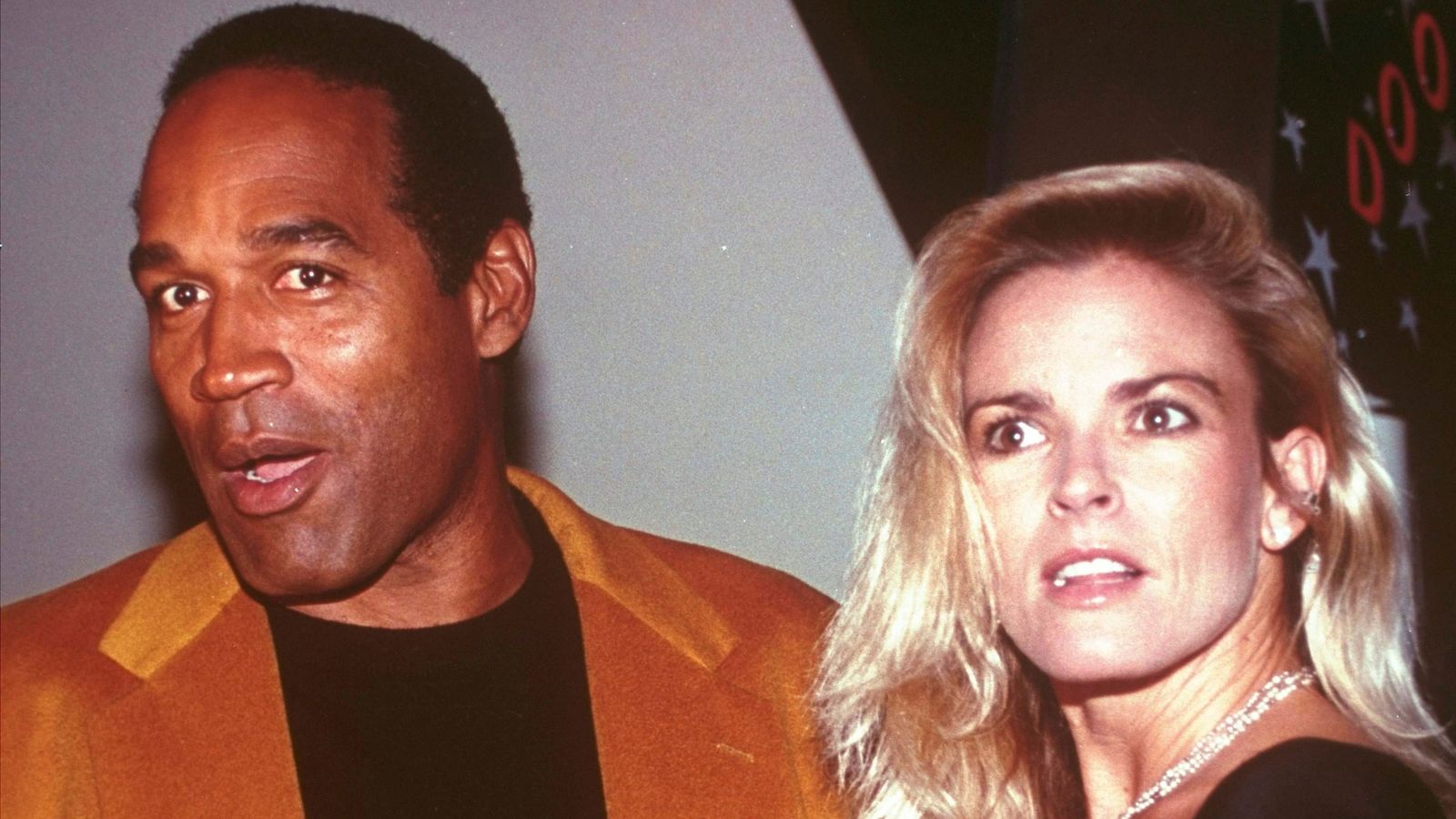
Fuhrman testified he found it there.
He said it was wet and sticky.
He said he called out to his partner.
The glove was photographed, bagged, logged.
It was introduced as evidence in a trial watched by millions.
It was held up, examined, argued over.
It did not fit the man the prosecution said wore it.
That moment — Simpson struggling to pull it on in court — became the turning point.
One piece of fabric.
One hinge.
The case turned on it, and the record still does not say how it got there.
THE NIGHT OF JUNE 12, 1994
The neighbor was walking her dog around midnight when she saw them.
She called 911.
Nicole Brown Simpson was found at the base of a walkway outside her condominium on Bundy Drive in Brentwood.
Ronald Goldman lay nearby.
Goldman was a waiter who had returned a pair of eyeglasses Nicole’s mother had left at a restaurant.
Both had been killed with a knife, according to the medical examiner.
Nicole’s throat was cut.
The police report records the discovery.
The exact time of death is not specified in the record.
Officers arrived at the scene that night.
Later, they went to O.J. Simpson’s nearby estate.
Simpson was not there.
They noted blood on his Ford Bronco.
They noted what they described as suspicious circumstances.
The suspicion fell on the ex-husband.
It fell immediately, and it fell hard.
The record shows the bodies.
The record shows the knife wounds.
The record shows the Bronco.
What the record does not show is a murder weapon.
No knife was ever found.
That would require evidence.
THE BLOOD TRAIL AND THE BRONCO
The trail began at the bodies and ran toward the street.
Crime scene investigators found blood drops leading from Nicole Brown Simpson’s condominium to a Ford Bronco parked outside Simpson’s estate.
The Bronco belonged to O.J. Simpson.
:max_bytes(150000):strip_icc():focal(749x0:751x2)/PEOPLE_MAG_BROWN_SISTERS_nicole-tout-1067c705ba0c4ab7a7e648e3ffd95be0.jpg)
Detective Mark Fuhrman of the LAPD testified that he discovered a bloody glove behind the guesthouse at the estate.
The glove matched a glove found at the crime scene on Bundy Drive.
Blood samples were collected from the victims and from Simpson.
Forensic analysis linked Simpson’s blood to the crime scene and to the Bronco.
Forensic analysis also linked Nicole’s and Ronald Goldman’s blood to the glove behind the guesthouse.
The physical evidence was heavy.
It was also fragile.
The defense argued that the blood evidence was contaminated or planted, focusing on how criminalist Dennis Fung handled the samples.
Fung testified about his collection methods.
The prosecution disputed the defense’s claim.
Whether the blood evidence was contaminated or planted is not established.
The defense claimed it; the prosecution disputed it.
That would require evidence.
The glove sat behind the guesthouse, matched, tested, and argued over.
The record shows where it was found and what it contained.
The record does not show how it got there.
TWO STORIES, ONE GLOVE
The prosecution built its case on the glove.
It was matched to the glove found at the crime scene on Bundy Drive.
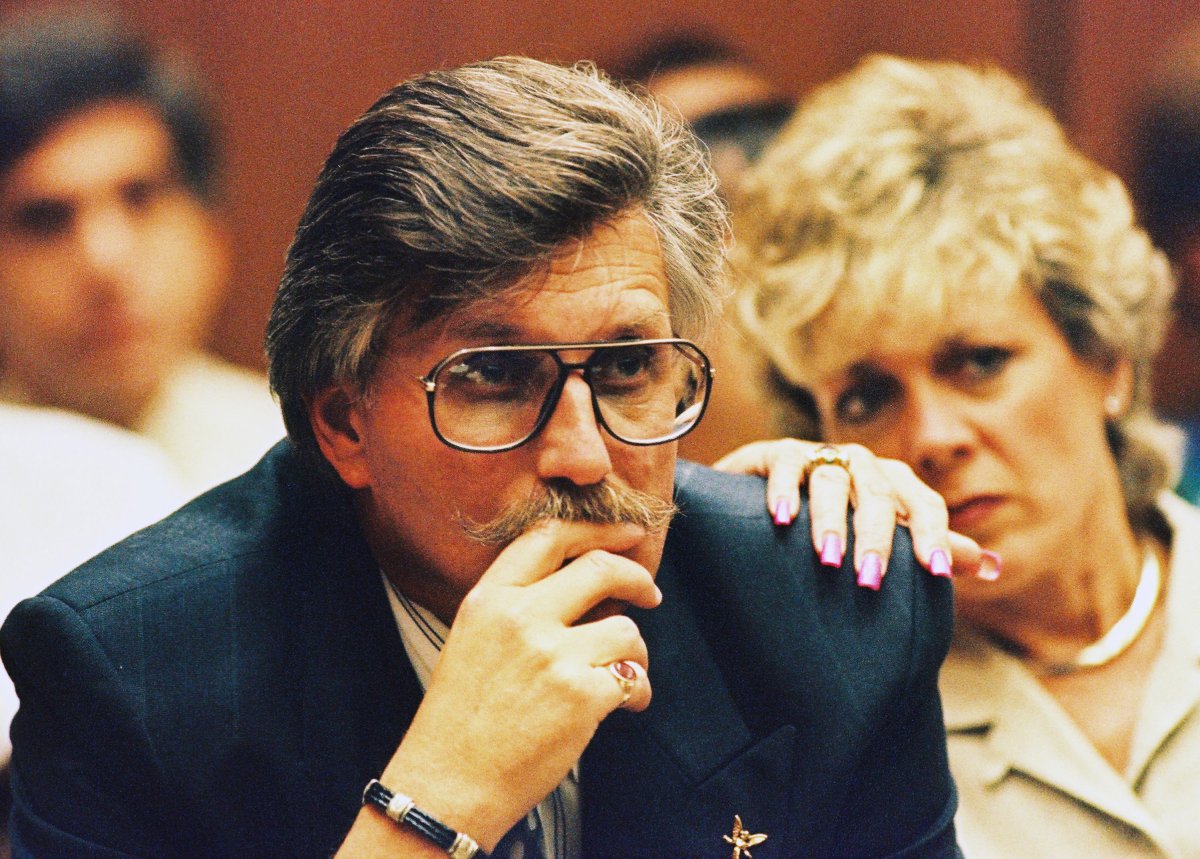
It was stained with the blood of Nicole Brown Simpson and Ronald Goldman.
For the prosecution, that placed Simpson at the murders.
The defense told a different story.
The glove was planted, they argued, or contaminated.
They pointed to criminalist Dennis Fung’s handling of the blood samples.
They pointed to detective Mark Fuhrman’s credibility.
Tapes surfaced of Fuhrman using racial slurs.
The defense argued the detective could not be trusted.
Then came the demonstration in court.
Simpson struggled to put on the gloves.
They seemed too small.
The defense argued: “If it doesn’t fit, you must acquit.”
The courtroom watched him pull and tug.
The gloves did not go on easily.
The defense also noted that no murder weapon was ever found.
No knife, no answer to how the killings were done.
The prosecution countered with testimony about Simpson’s history of domestic violence against Nicole.
A 1989 incident was described, one for which he pleaded no contest.
Denise Brown, Nicole’s sister, testified about the abuse.
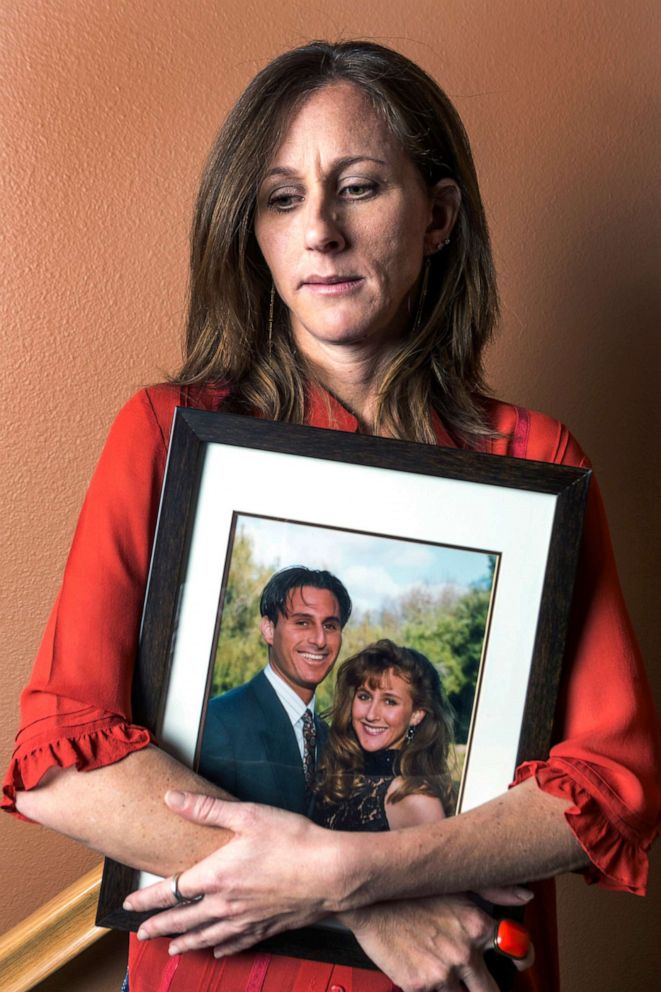
Two narratives sat side by side, built from the same evidence.
The glove fit one story and not the other.
The record shows where the glove was found and what it contained.
The record does not show how it got there.
The jury acquitted Simpson on both counts.
The case remains officially unsolved.
Which interpretation is true is not established by the record.
That would require evidence.
AND THE STORY STILL ISN'T OVER
On October 3, 1995, the jury acquitted Simpson on both counts of first-degree murder.
The verdict was read live. The courtroom paused. The case closed in court.
In 1997, a civil jury found Simpson liable for the deaths and awarded $33.5 million in damages.
That was a different standard. A different answer. The criminal case had ended; the civil one had not.
Simpson was later convicted of armed robbery and kidnapping in 2008, served nine years, and was released in 2017.
He died on April 10, 2024, of cancer.
The murder case remains officially unsolved.
The identity of the killer is not established. The record does not say who did it. That is the official status.
Fred and Kim Goldman have continued to pursue civil judgments against Simpson’s estate.
The glove stays in evidence. The blood stays in the reports. The knife was never found.
Which story is true is not established by the record.
That would require evidence.
The verdict was not a finding of innocence. It was a finding of not proven. The case remains open in the only place that matters.
She was on the ground below. He lay nearby. The glove sat behind the guesthouse.
The trial ended. The questions did not.
Advertisement
You may also like
The truck that returned home, and the timeline that fell apart
The blue Ford Escape came back to the house before dawn on August 13, 2018. A neighbor's security camera caught it pulling into the…
The 20-month-old in the crib, the $50,000 note, and the ladder no one could explain
The nursery window was shut, the crib empty, the room still warm. Betty Gow, the child's nurse, found the crib empty around 10:00 p.m.…
The truck axle with a VIN that led FBI to bomber’s rental alias
9:02 a.m. on April 19, 1995. A rented Ryder truck, packed with ammonium nitrate and fuel oil, exploded outside the Alfred P. Murrah Federal…
The severed head in a canal that identified a missing boy — and the confession that never went to trial
The video games were the last thing Adam Walsh watched. On July 27, 1981, the six-year-old was at the Sears store in the Hollywood…
The Unabomber trial turned on a brother's recognition of his writing style
In 1995, a 35,000-word manifesto titled "Industrial Society and Its Future" was mailed to The New York Times and The Washington Post. The sender…
The shantytown razed twice by Eliot Ness, and the killer who vanished
The second fire went up in 1938, and the flames were meant to solve something. Eliot Ness, Cleveland's Safety Director, had already ordered the…