The 408-symbol cipher a schoolteacher solved — and what it said about the afterlife
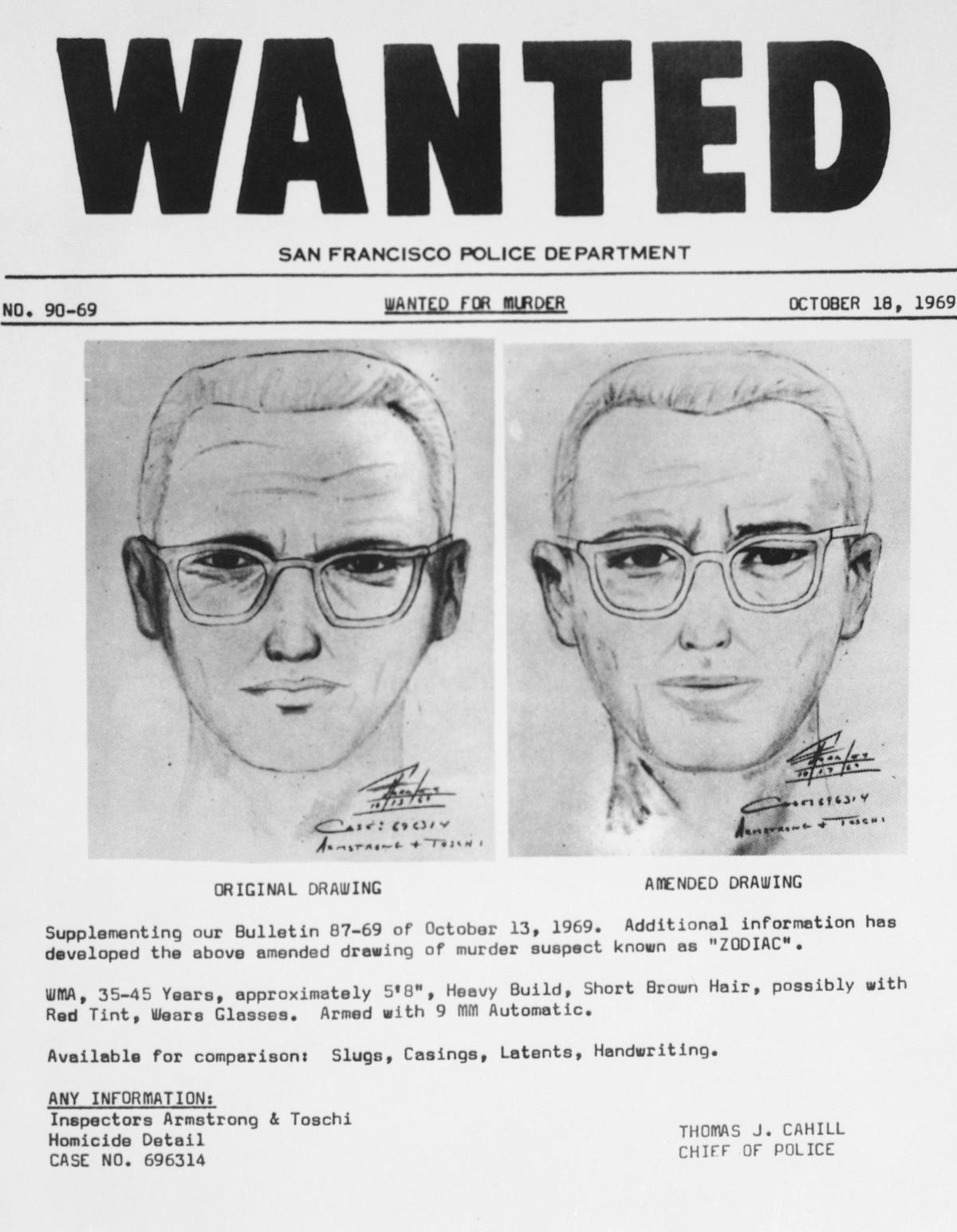
The 408-symbol cipher sat in the newspaper office, a grid of letters and shapes that looked like a child's game.
A Vallejo schoolteacher and his wife worked on it in their spare time, according to the record of the case.
They solved it.
The decrypted message claimed the killer was collecting slaves for the afterlife.
That was the boast on the front page.
The cipher was one of several taunting letters and cryptograms sent to the San Francisco Chronicle, the San Francisco Examiner, and the Vallejo Times-Herald.
Each arrived with a claim of responsibility, a threat of more violence.
The schoolteacher's solution gave the public its first clear look at the killer's stated motive.
It is a statement from the cipher, not a proven fact.
The identity of the killer is not established.
No one was ever charged with the murders.
The letters kept coming for years, and the case never closed.
What kind of man writes that down in code and mails it to a newspaper?
What kind of man waits for someone to read it?
What kind of man calls the afterlife a collection?
That would require evidence.
It never arrived.
THE ATTACKS
The first attack came on a lovers' lane near Benicia.
Two teenagers were shot there on December 20, 1968.
A .22-caliber pistol was used.
The second attack came in Vallejo on July 4, 1969.
Two people were shot in a parked car.
One of them died. The other survived.
Another .22-caliber pistol.
The third attack came at Lake Berryessa in Napa County on September 27, 1969.
Two people were stabbed.
One of them died. The other survived.
A knife was used there.
The fourth attack came in San Francisco on October 11, 1969.
A taxi driver was shot.
A 9mm Luger was used.
Between December 1968 and October 1969, a serial killer later known as the Zodiac Killer murdered at least five people in the San Francisco Bay Area.
The attacks occurred in Benicia, Vallejo, Napa County, and San Francisco.
Four locations. Four weapons. Four months of escalation.
The killer drove a car in at least one attack.
The vehicle was never identified.
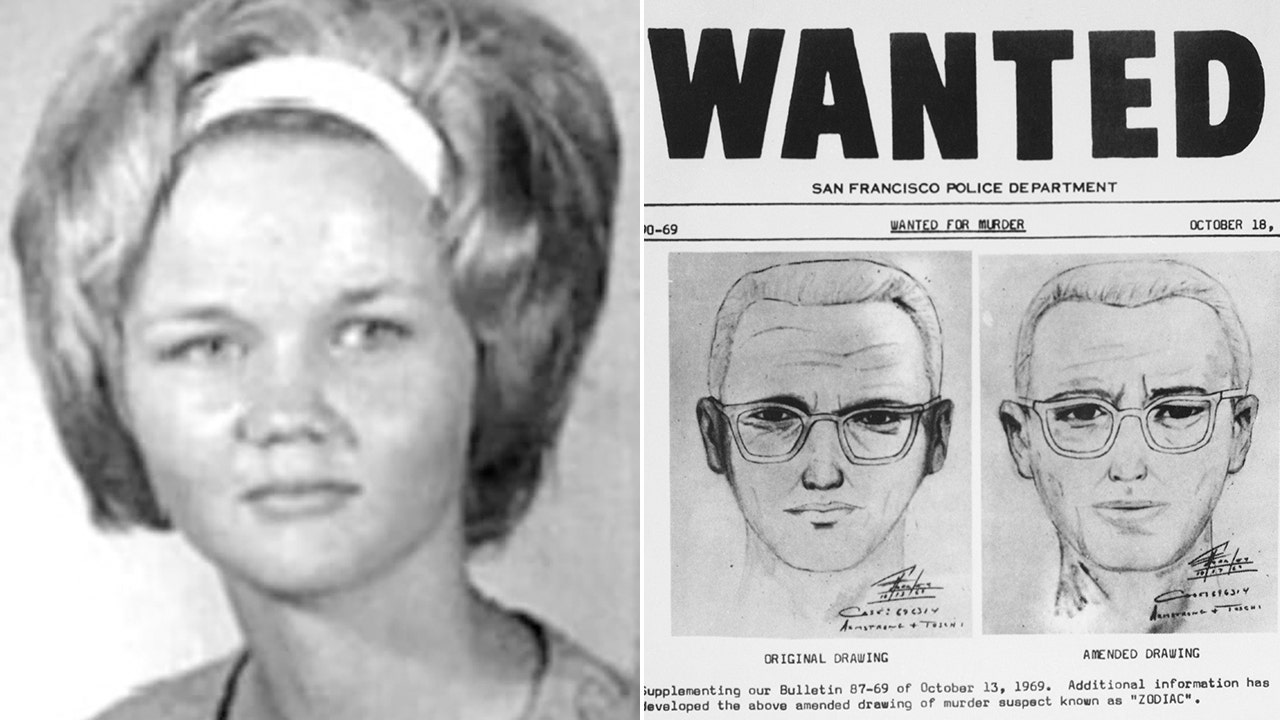
That is not established.
Neither is the killer's identity.
No one was ever charged with these murders.
The case was never solved.
THE SUSPECT AND THE DNA
A former acquaintance pointed police toward Arthur Leigh Allen, and detectives interviewed him multiple times.
He was a suspect, a strong one, according to the investigators who worked the case.
In 1972, officers searched his home under a warrant.
He was never charged.
Allen died in 1992 of a heart attack, still a suspect, still not a defendant.
Ten years later, in 2002, DNA testing was done on material from the Stine murder scene.
The DNA did not match Allen.
The testing cleared him posthumously.
Whether Allen was the killer is not established.
The DNA evidence cleared him, but the case remains open.
Fingerprints and partial palm prints from the cab were never matched to anyone.
No suspect was ever charged with the Zodiac murders.
There was no trial, no prosecution, no defence, no judge.
The prime suspect was investigated for years, and the evidence against him never became a case.
It is a near-miss, the record says.
It is also a dead end.
Allen was the most discussed suspect, and the science removed him.
The investigation continued without him.
The case remains open in Vallejo and Napa County.
The San Francisco Police Department closed its Zodiac investigation in 2004.
No one has been convicted.
THE 340-CIPHER AND THE RECORD
The 340-cipher sat unsolved for 51 years.
It was not deciphered until December 2020, when a team of codebreakers published their solution.
The decrypted message read as a complaint, a boast, a taunt.
It did not name anyone.
It did not point to a house, a car, a motive.
The 340-cipher's content is documented, but it does not establish the killer's identity.
Was that the point of solving it?
Did the team hope for a confession, a signature, a clue?
Did the public expect a name?
That would require evidence the cipher never contained.
The 2020 decryption renewed public interest.
Documentaries were made.
Podcasts re-examined the timeline.
No new charges were filed.
The San Francisco Police Department had already closed its Zodiac investigation in 2004.
Vallejo and Napa County kept the case open.
No one has been convicted.
The solve was real.
It was also a dead end.
The codebreakers gave the public a message, and the message gave them nothing but the killer's own words.
It is a documented fact.
It is also a closed door.
AND THE STORY STILL ISN'T OVER
The case remains open in Vallejo and in Napa County.
No suspect was ever charged with the Zodiac murders.
There was no trial, no key testimony, no defence, no prosecution, no judge.
The victims' families have continued to seek answers.
They have asked the same questions for decades.
What was the killer's name?
What was the killer's face?
What was the killer's motive?
That would require evidence, and the evidence has not produced a name.
Arthur Leigh Allen remains the most discussed suspect.
He was investigated for years, searched under a warrant in 1972, and never charged.
In 2002, DNA testing on material from the Stine murder scene did not match Allen.
His exoneration by DNA evidence is widely accepted.
He died in 1992 of a heart attack.
The case has been the subject of numerous books, documentaries, and films.
No definitive identification of the killer has been made.
The San Francisco Police Department officially closed its Zodiac investigation in 2004.
The case remains open in Vallejo and Napa County.
It is an open file.
It is also a closed door.
The killer's identity remains unknown.
No charges are pending.
The codebreakers gave the public a message, and the message gave them nothing but the killer's own words.
It is a documented fact.
It is also a closed door.
The story still isn't over.
Advertisement
You may also like
The 20-month-old in the crib, the $50,000 note, and the ladder no one could explain
The nursery window was shut, the crib empty, the room still warm. Betty Gow, the child's nurse, found the crib empty around 10:00 p.m.…
The truck axle with a VIN that led FBI to bomber’s rental alias
9:02 a.m. on April 19, 1995. A rented Ryder truck, packed with ammonium nitrate and fuel oil, exploded outside the Alfred P. Murrah Federal…
The severed head in a canal that identified a missing boy — and the confession that never went to trial
The video games were the last thing Adam Walsh watched. On July 27, 1981, the six-year-old was at the Sears store in the Hollywood…
The Unabomber trial turned on a brother's recognition of his writing style
In 1995, a 35,000-word manifesto titled "Industrial Society and Its Future" was mailed to The New York Times and The Washington Post. The sender…
The shantytown razed twice by Eliot Ness, and the killer who vanished
The second fire went up in 1938, and the flames were meant to solve something. Eliot Ness, Cleveland's Safety Director, had already ordered the…
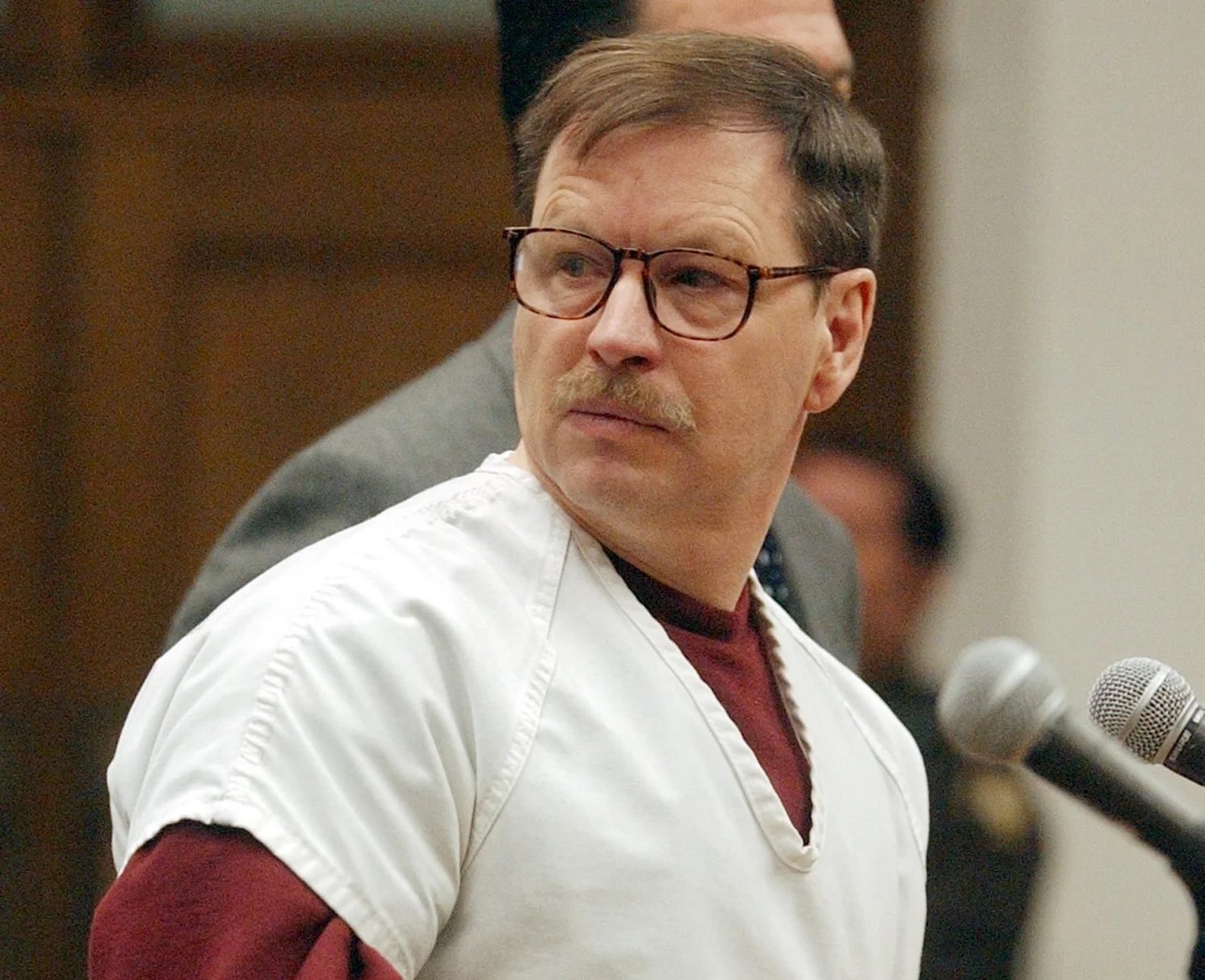
The DNA match in 2001 that reopened the Green River case after a 1987 saliva sample stalled
In 1987, a man was questioned and gave a saliva sample. The DNA technology of the time could not link him to the murders.…