The Thompson submachine gun found in Fred Burke's Michigan home that tied him to the massacre
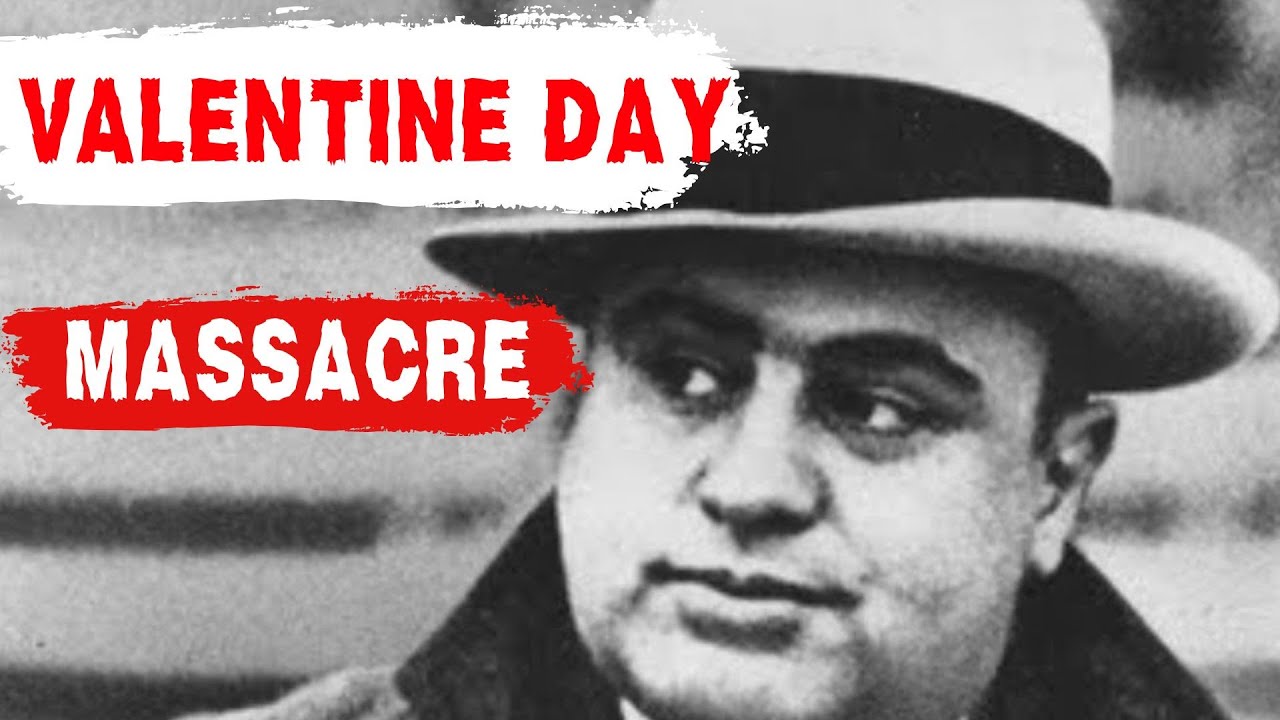
The Thompson submachine gun sat in a Michigan home, miles from the Chicago garage.
Investigators found it in the residence of a man named Fred Burke, according to investigation records.
Ballistic tests tied that gun to the massacre on North Clark Street, the forensic analysis showed.
One weapon. One suspect. One link between a gangland slaughter and a man who lived in another state.
Burke became the only person ever tried for the murders, the trial records state.
The gun was the concrete object investigators used to build their case against him.
It was the kind of evidence that should have closed the circle.
It did not.
The exact circumstances of the gun's discovery are not detailed in the record.
How did a Thompson end up in Michigan?
Was it planted, sold, traded, or simply kept?
Who led the officers to that address in the first place?
That would require evidence the case file does not supply.
The gun linked Burke to the scene, but a link is not a conviction.
Prosecutors presented the weapon and the ballistics to a jury.
The case against him was weak, according to the investigation narrative.
He was acquitted.
A single gun had travelled from a wall riddled with bullets in Chicago to a home in Michigan.
It connected a man to seven deaths.
It was not enough.
THE GARAGE AT 2122 NORTH CLARK
The garage door stood open at 2122 North Clark Street.
A passerby looked inside.
Seven men lay against the far wall, and the wall behind them was riddled with bullets.
The incident report places the time at approximately 10:30 a.m. on February 14, 1929.
Five men had entered the garage minutes earlier.
Two of them were dressed as police officers, according to witness descriptions.
Inside, they found seven members or associates of the North Side gang, the organisation led by George "Bugs" Moran.
Moran himself was not among them.
The five men ordered the seven victims to line up against the wall.
Then they fired.
Forensic evidence shows Thompson submachine guns and a shotgun were used.
The killers left in a vehicle that witnesses described as a police car.
A staged raid, investigators would later argue.
The exact number of shots fired is not specified in the source material.
The wall alone told the story: shell casings from Thompsons were recovered at the scene.
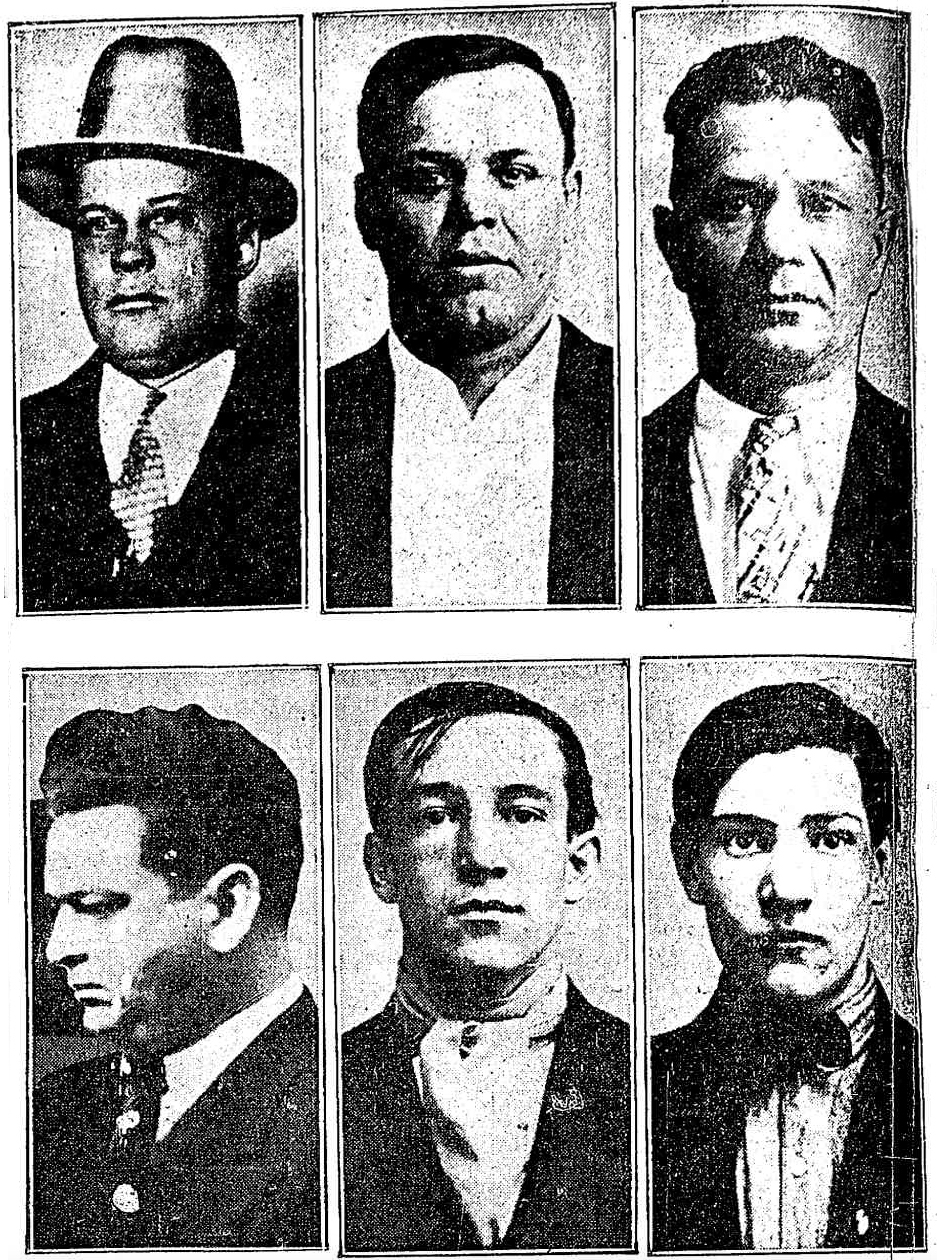
The bodies were discovered shortly afterward, the garage door left open for anyone to find.
It was broad daylight on a Thursday morning in a working neighbourhood.
It was methodical.
It was over in minutes.
THE SURVIVING WITNESS AND THE STAGED RAID
It was broad daylight on a Thursday morning in a working neighbourhood.
It was methodical.
It was over in minutes.
When police arrived, two of the victims were still alive.
They were the Gusenberg brothers.
One brother was questioned at the scene, according to the police interrogation report.
He refused to identify the shooters.
"I ain't no copper," he reportedly said.
He died shortly afterward.
Witnesses reported seeing a police car leaving the scene.
That detail shaped everything that followed.
Investigators suspected the killers had used police uniforms and a police vehicle to stage a raid.
The uniforms looked real.
Whether they were genuine or stolen is not established in the record.
It was a raid that was not a raid.
It was a uniform that may have been a costume.
The massacre was widely attributed to a plot by Al Capone's South Side gang to eliminate Moran's rival organization, according to contemporary reporting.
Capone was in Florida at the time.
He was never charged.
The dying man would not talk.
The getaway car looked official.
The men inside looked like police.
That would require evidence.
It is a theory the record does not resolve.
THE BALLISTIC LINK AND THE ACQUITTAL
The Thompson was found in Fred Burke's Michigan home.
Evidence recovery placed it there.
Forensic analysis linked the gun to the massacre.
Ballistic tests matched the bullets and the shell casings to the wall at 2122 North Clark.
Burke was arrested.
He was charged with the murders of the seven victims.

He was the only person ever tried for the massacre.
The trial ended in acquittal.
The case against him was weak.
The specific weaknesses of the prosecution's case are not detailed in the source.
That would require evidence.
It is not established.
Burke was later convicted of the murder of a police officer in Michigan.
He served time in prison for that.
He died in prison in the 1940s.
No one was ever convicted of the massacre itself.
The gun was a strong physical clue.
It was not enough.
AND THE STORY STILL ISN'T OVER
The massacre has never been solved.
No one has ever been convicted of the murders.
Fred Burke died in prison in the 1940s while serving time for an unrelated murder conviction.
Al Capone was convicted of tax evasion in 1931 and died in 1947.
The garage at 2122 North Clark Street was demolished in 1967.
The wall that held the bullet holes is gone.
The police car that witnesses described leaving the scene was never produced.
The Thompson that ballistic tests tied to the massacre was a strong physical clue.
It was not enough.
Burke was tried.
He was acquitted.
The case against him was weak, according to trial records.
No new evidence has emerged to change the outcome.
The case remains a subject of historical interest and speculation.
It is a story told and retold.
It is a story with no closing verdict.
Will any new evidence ever emerge?
Will a document surface?
Will a confession appear?
That would require evidence.
That would require someone to come forward.
That has not happened.
The case remains open in the public imagination.
It is an ending that never came.
It is a question that still waits for an answer.
Advertisement
You may also like
The 20-month-old in the crib, the $50,000 note, and the ladder no one could explain
The nursery window was shut, the crib empty, the room still warm. Betty Gow, the child's nurse, found the crib empty around 10:00 p.m.…
The truck axle with a VIN that led FBI to bomber’s rental alias
9:02 a.m. on April 19, 1995. A rented Ryder truck, packed with ammonium nitrate and fuel oil, exploded outside the Alfred P. Murrah Federal…
The severed head in a canal that identified a missing boy — and the confession that never went to trial
The video games were the last thing Adam Walsh watched. On July 27, 1981, the six-year-old was at the Sears store in the Hollywood…
The Unabomber trial turned on a brother's recognition of his writing style
In 1995, a 35,000-word manifesto titled "Industrial Society and Its Future" was mailed to The New York Times and The Washington Post. The sender…
The shantytown razed twice by Eliot Ness, and the killer who vanished
The second fire went up in 1938, and the flames were meant to solve something. Eliot Ness, Cleveland's Safety Director, had already ordered the…
The DNA match in 2001 that reopened the Green River case after a 1987 saliva sample stalled
In 1987, a man was questioned and gave a saliva sample. The DNA technology of the time could not link him to the murders.…