The love letters scattered beneath a crabapple tree that investigators could not trace
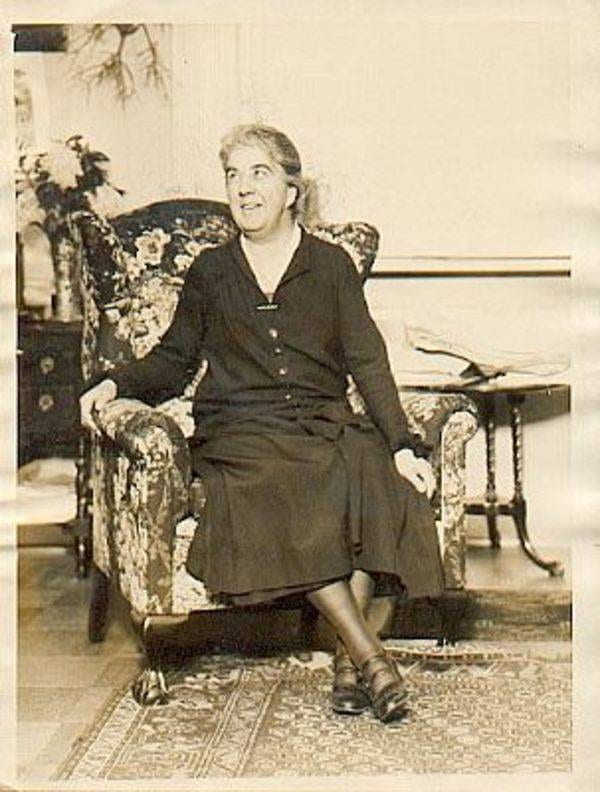
The crabapple tree stood in a secluded lane called Lovers' Lane, near St. John's Episcopal Church in New Brunswick, New Jersey.
On the night of September 14, 1922, the bodies of the Reverend Edward Wheeler Hall and Mrs. Eleanor Reinhardt Mills were found beneath it.
They had been shot.
The bodies were arranged in a posed manner, deliberate, staged, as if someone wanted them found exactly so.
Love letters were scattered nearby.
Investigators picked them up, read them, tried to match the handwriting to anyone in the two lives the victims had led.
They could not trace them to any sender or any recipient.
Who wrote those letters?
Why were they left at the scene?
What were they meant to say that the bodies themselves did not?
Those questions have no answers in the record.
The author of the letters is not established.
The purpose of the letters is not established.
Investigators could only note that the letters were there, scattered on the ground beneath a crabapple tree, next to two people who would never speak again.
The letters became a focal point of public fascination, a detail that turned a shooting into a mystery.
But fascination is not evidence.
The record holds the letters as a documented part of the crime scene, and nothing more.
No sender.
No recipient.
No explanation.
The case would grow into one of the most sensational murder mysteries of the 1920s, marked by a grand jury investigation, a hung jury, and a second trial that ended in acquittal.
But the letters stayed untraceable.
They remain what they were on that September night: paper, scattered, silent.
THE VICTIMS AND THE SCENE
He was Edward Wheeler Hall, the rector of St. John's Episcopal Church.
She was Eleanor Reinhardt Mills, a choir singer in his congregation.
Hall was married to Frances Noel Stevens Hall, a wealthy and prominent woman.
The two were found shot to death on the night of September 14, 1922.
The location was a secluded lane near the church, a spot known as "Lovers' Lane."
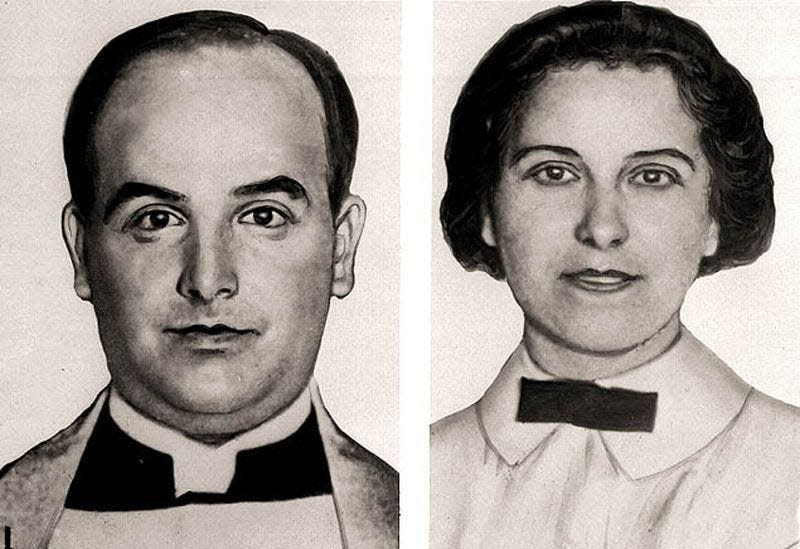
The bodies were arranged in a posed manner.
That posing suggested staging.
It suggested someone took time after the shooting.
It suggested design, not panic.
The exact time of death is not in the record.
The sequence of events leading to the murders is not in the record.
What the record does show is the scene itself.
A clergyman and a choir singer, killed together.
A crabapple tree above them.
Love letters scattered nearby.
The discovery sparked intense public attention.
It sparked a grand jury investigation.
It made the private lives of the dead public property.
The scandal was the point.
The secrecy was the fuel.
The staging made it a performance, and the audience was everyone.
THE SUSPECTS AND THE CHARGES
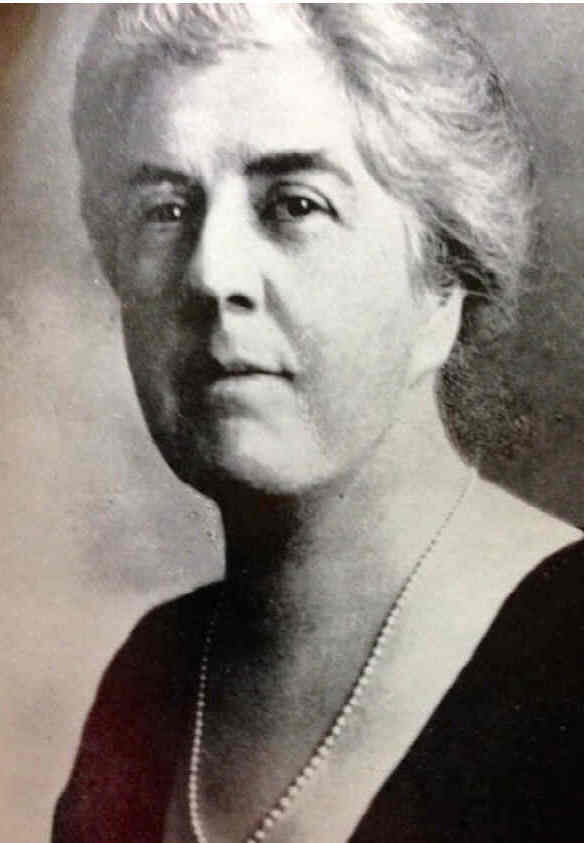
Suspicion fell on the widow, Frances Noel Stevens Hall, and her brothers.
All three were charged with murder.
The investigation was led by local authorities.
The trial featured prominent attorneys.
The accused were prominent members of the community.
The case drew intense public attention.
The charges were built on circumstantial evidence.
The love letters were part of it.
The posed bodies were part of it.
What else was part of it?
What specific evidence was presented against each of the accused?
The record does not detail that evidence.
The source does not establish what was shown against each defendant.
So the trial rested on a staging and a scattering of paper.
It rested on a widow and her brothers.
Were they guilty?
Were they victims of public hysteria?
The first trial ended with a hung jury.
The jury could not reach a verdict.
That required a second trial.
The second trial ended in acquittal.
All defendants were acquitted.
No one was ever convicted for the murders.
The letters remain untraceable.
The staging remains unexplained.
The accused walked away, but the questions stayed.
THE TRIALS AND THE ACQUITTAL
The first trial ended in a hung jury.
The jury could not reach a verdict, and the record does not say why.
A second trial was held.
All defendants were acquitted.
The acquittal meant no one was ever convicted for the murders.
The case remained one of the most sensational murder mysteries of the 1920s.
The love letters, key evidence at the scene, never led to a resolution.
The record does not establish the specific reasons for the hung jury.
The record does not establish the specific reasons for the acquittal.
What did the letters say?
Who wrote them?
Why were they left beneath the crabapple tree?
That would require evidence.
The letters were examined.
:max_bytes(150000):strip_icc():focal(749x0:751x2)/Edward-Hall-Eleanor-Mills-052225-d42ea53e2dc64376a1d7f31a84139268.jpg)
The letters were questioned.
The letters produced no sender, no author, no answer.
The accused walked away, and the questions stayed.
The trial was over.
The mystery was not.
AND THE STORY STILL ISN'T OVER
The second trial ended, and the accused walked free.
The case was never solved, and no one was ever convicted.
The love letters scattered beneath the crabapple tree remain untraceable.
Investigators could not establish who wrote them, or to whom they were addressed, or why they were left at the scene.
They are a loose end that still points nowhere.
The murders of Hall and Mills remain an open mystery in the annals of true crime.
The public's fascination with the case has never fully faded.
The letters have come to symbolize the unanswered questions.
What was examined?
The bodies, the posed arrangement, the testimony of the witnesses, the letters themselves.
What was found?
A hung jury, then an acquittal, then silence.
What remains?
The letters, still unattributed, still scattered in the record like they were on the ground.
Did anyone ever confess?
No.
Did any new evidence emerge after the trials?
That is not in the record.
The next concrete step in the case is not in the record either.
It remains a cold case.
The mystery endures not because the evidence was thin, but because the evidence stopped.
The accused walked away, and the questions stayed.
The trial was over.
The mystery was not.
The letters still point nowhere.
Advertisement
You may also like
The left-luggage ticket that cracked the Moors murders case
October 7, 1965. Police searched a house in Manchester and found a left-luggage ticket. Not a weapon. Not a confession. A ticket for Manchester…
The hatchet head in the cellar that never matched the timeline
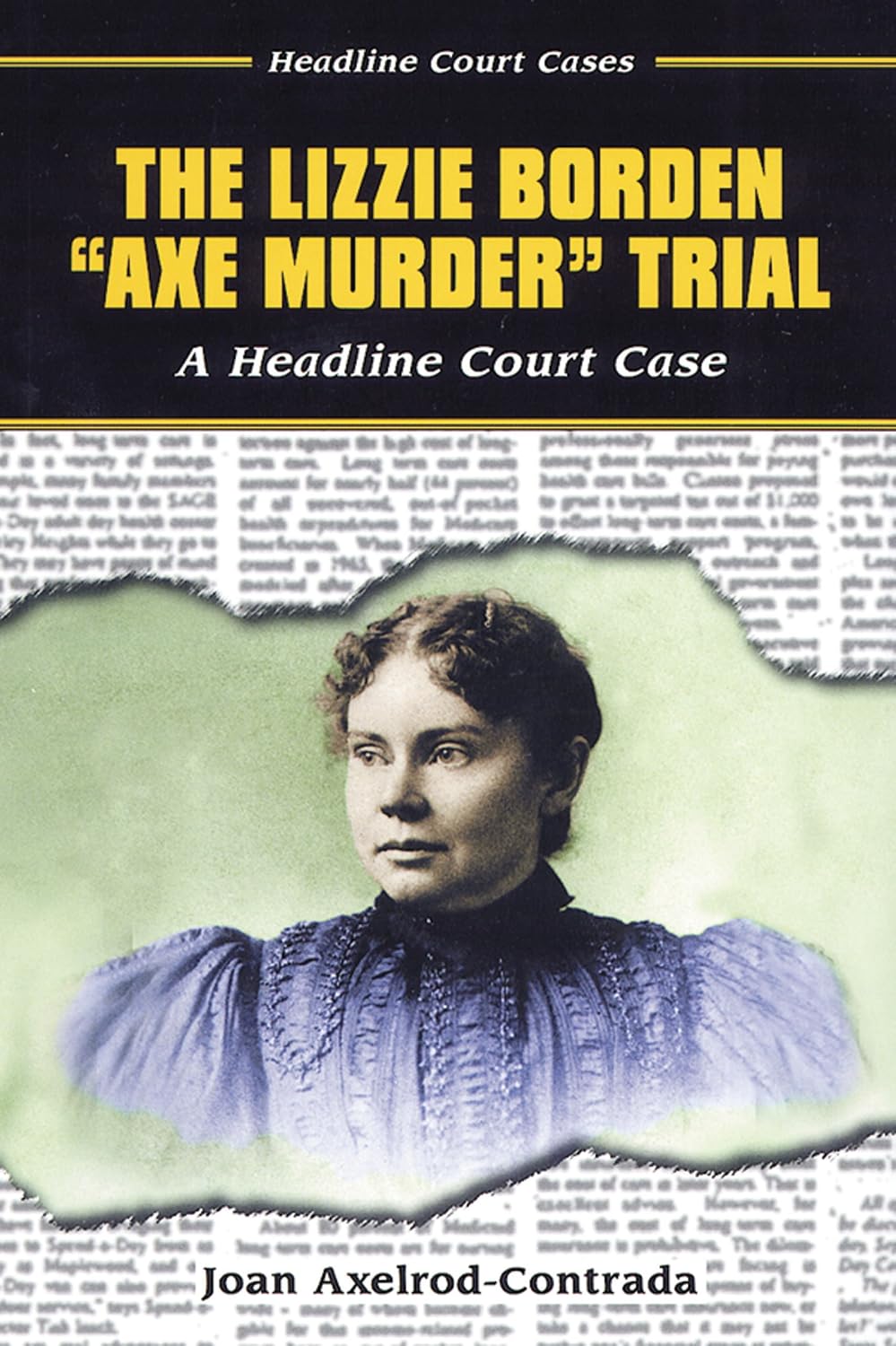
The cellar was damp and close on the morning of August 4, 1892. In Fall River, Massachusetts, the bodies of Andrew Jackson Borden and…
The 2002 sniper shootings: a tip about a Caprice at a rest stop, and the rifle that changed everything
The caller reached the hotline on October 24, 2002. The caller gave a description of a Chevrolet Caprice. Police found the Caprice parked at…
The Thompson submachine gun found in Fred Burke's Michigan home that tied him to the massacre
The Thompson submachine gun sat in a Michigan home, miles from the Chicago garage. Investigators found it in the residence of a man named…
The kennel video that placed Alex Murdaugh at the scene minutes before the murders
On June 7, 2021, Paul Murdaugh’s phone recorded video at the dog kennels on the family estate. The timestamp on that video placed Alex…
The bite marks on Lisa Levy that tied Ted Bundy to the Chi Omega murders
The bite marks were on the buttocks of Lisa Levy. They were found at the Chi Omega crime scene, in the sorority house where…