The 31-day gap and the trunk stain that locked the spotlight on Casey Anthony
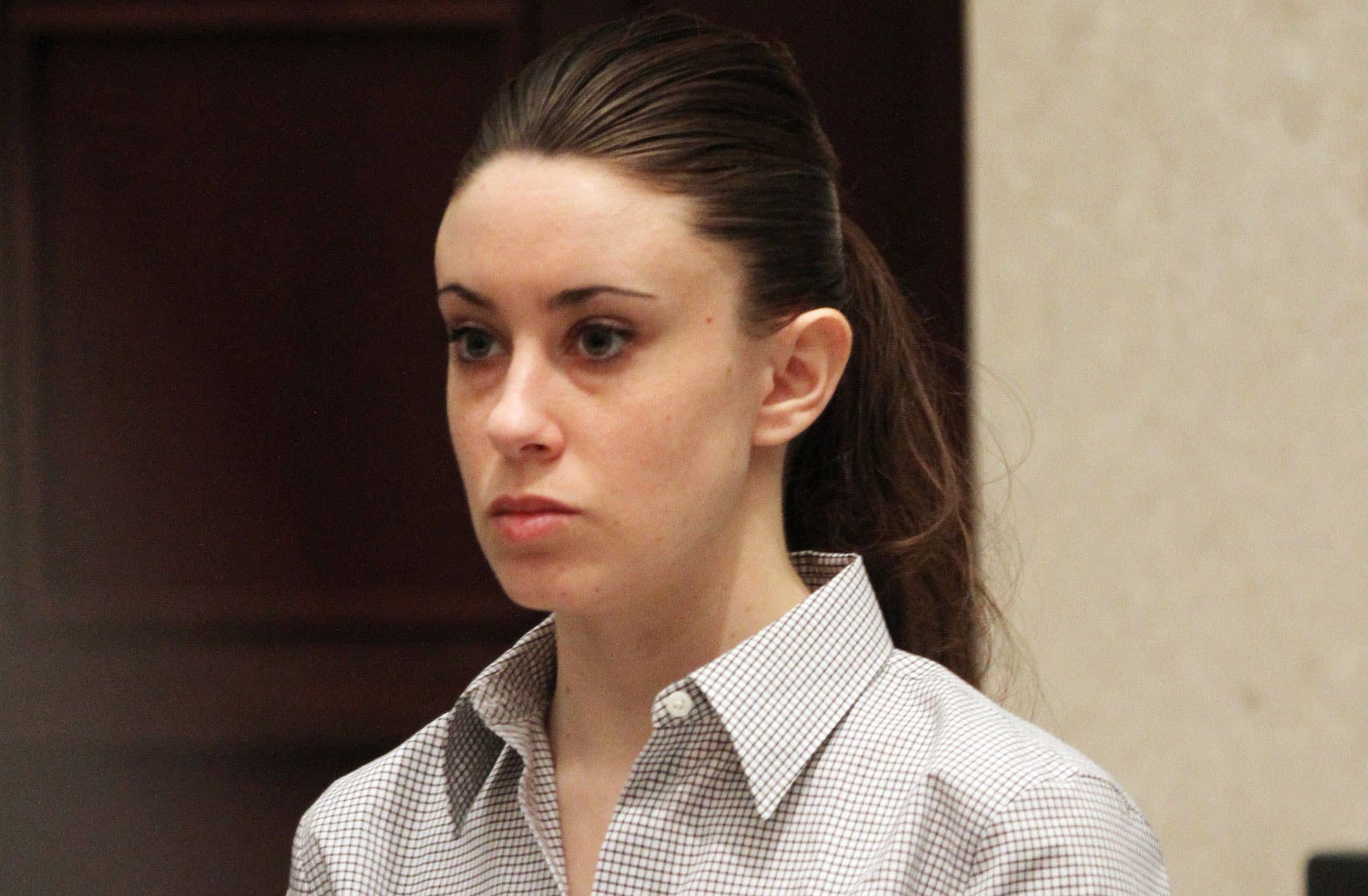
Caylee Marie Anthony was two years old when relatives last saw her on June 16, 2008.
She was not reported missing for 31 days.
On July 15, 2008, the child's grandmother, Cindy Anthony, called 911 from the family home in Orlando, Florida.
That call came a month after the last sighting.
Casey Anthony, the child's mother, told investigators that Caylee had been kidnapped by a babysitter named Zenaida Fernandez-Gonzalez.
Investigators were unable to locate any person by that name.
The babysitter did not exist, the record shows.
The 31-day gap became the weight the whole case would carry.
It is the number that public attention fixed on, and later the number trial evidence circled.
It is not established what Casey Anthony did during those 31 days beyond the record of the delayed report.
The record shows the last sighting.
The record shows the 911 call.
The record does not show the month between them.
Why did no one call sooner?
That question has no documented answer.
What is documented is the silence itself.
Thirty-one days is a long time for a two-year-old to be unseen.
It is a long time for a mother not to ask for help.
It is the gap that made the case a story before any remains were found.
THE TRUNK STAIN
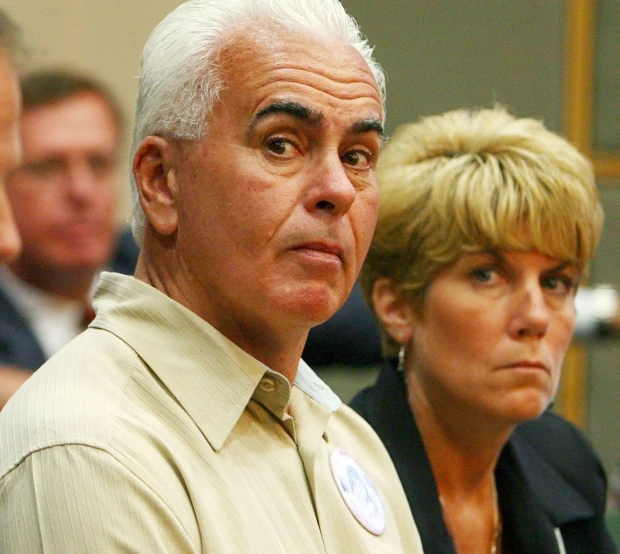
The car sat in an impound lot for weeks before anyone opened the trunk.
When forensic analysts did, they found chloroform and the odor of decomposition.
A stain in the trunk was later tested.
The DNA in that stain was consistent with Caylee Anthony.
The prosecution laid this out piece by piece: the car, the stain, the smell.
They also presented evidence from a home computer, showing searches for "foolproof suffocation" and "chloroform."
The dates on those searches mattered, prosecutors said.
The defense pushed back on all of it.
They argued the body could have been placed in the trunk after death by someone else.
They argued the decomposition evidence was not conclusive.
They challenged the reliability of the computer evidence, and the forensic science behind the stain.
Not because they had a better story.
But because doubt was enough.
The exact method of death is not established by the record.
The origin of the chloroform is not established by the record.
What is established is this: the trunk held a stain, and the stain held DNA.
What is established is this: the car smelled of death before the remains were found.
The defense asked the jury to look at the gap between those facts.
The gap is where reasonable doubt lives.
THE REMAINS AND THE DUCT TAPE

On December 11, 2008, a utility worker found skeletal remains in a wooded area approximately a quarter-mile from the Anthony family home.
The remains were identified as Caylee Anthony.
The medical examiner determined the cause of death to be homicide.
The specific manner could not be established due to decomposition.
Not the weapon. Not the method.
The skull was there, and near it, duct tape.
The duct tape was found near the skull; that is what the record says.
George Anthony, Caylee's grandfather, had initially led searchers to that area.
He led them there before the remains were found.
The grim finality landed in a quarter-mile of woods.
The cause was ruled homicide.
The manner was undetermined.
Was it suffocation?
Was it chloroform?
Was it a pool accident staged later?
That would require evidence the record does not contain.
The prosecution pointed to the trunk stain and the 31-day gap.
The defense pointed to the gap between the ruling and the method.
The remains did not close the case; they opened the question of how.
The medical examiner's ruling said homicide, but the body had decomposed too far to say more.
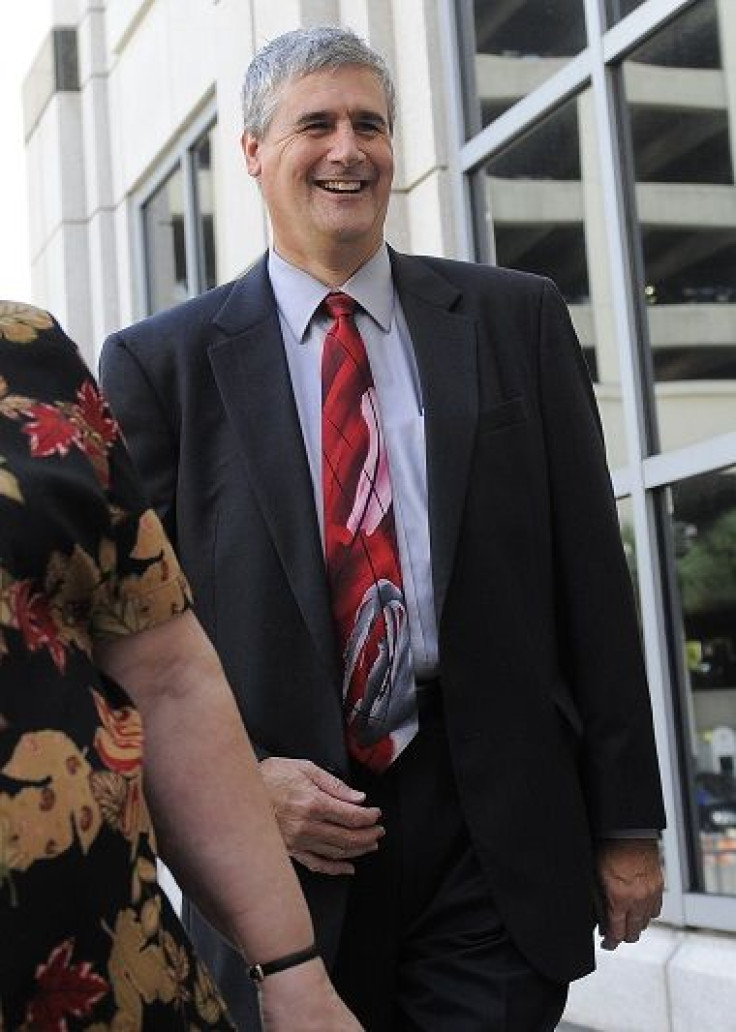
The duct tape sat near the skull, unexplained.
What is established is the discovery.
What is established is the identification.
What is not established is how Caylee died.
The cause is ruled homicide.
The manner is undetermined.
She was on the ground below the woods.
THE TWO STORIES
The prosecution argued that Casey Anthony had killed her daughter to live a carefree life.
The defense argued that Caylee had accidentally drowned in the family pool and that Casey Anthony had panicked and covered up the death.
Two stories, one jury.
The trial began on May 3, 2011, and lasted six weeks.
Casey Anthony was charged with first-degree murder, aggravated child abuse, aggravated manslaughter of a child, and four counts of providing false information to law enforcement.
The state called forensic experts. The defense called its own.
The trunk stain was there. The chloroform was there. The decomposition odor was there.
The jury heard it all.
On July 5, 2011, the jury found Casey Anthony not guilty of first-degree murder, aggravated child abuse, and aggravated manslaughter.
She was convicted of four counts of providing false information to law enforcement.
The acquittal landed like a shock.
Not because the evidence was clean. But because the charge was murder.
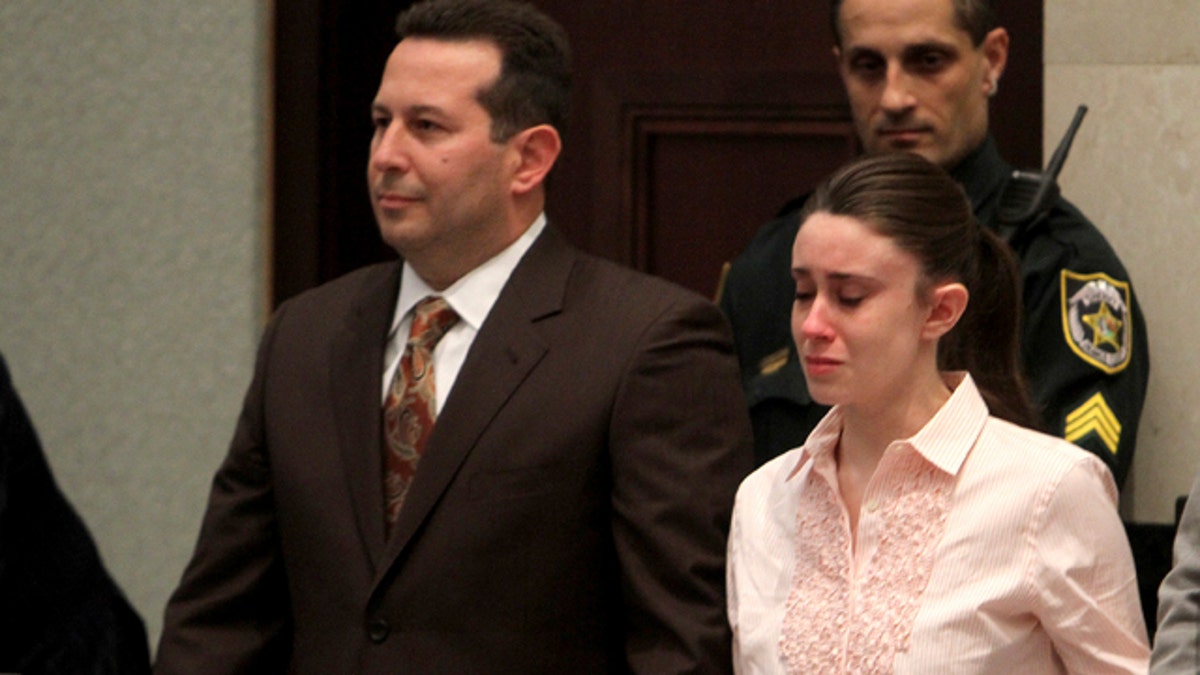
The jury's reasoning is not in the record.
The acquittal does not establish innocence, only that the prosecution did not prove its case.
That would require evidence.
The verdict did not answer what happened to Caylee. It only answered what the state could prove.
Casey Anthony walked out with time served on the false-information counts.
The two stories remain unresolved. The law chose one outcome. The record keeps the rest open.
AND THE STORY STILL ISN'T OVER
The jury's verdict landed on July 5, 2011.
Casey Anthony was acquitted of murder, aggravated child abuse, and aggravated manslaughter.
She was convicted of four counts of providing false information to law enforcement.
The sentence was four years in prison, with credit for time served.
She was released on July 17, 2011.
What actually happened to Caylee on June 16, 2008, is not established by the record.
The law chose one outcome. The record keeps the rest open.
She has since lived a largely private life, though she has occasionally appeared in media interviews.
The case remains controversial, with many people believing she was guilty of murder despite the acquittal.
The Anthony family has remained in the public eye, with George and Cindy Anthony appearing in various media outlets over the years.
No other individuals have been charged in connection with Caylee's death.
The trunk stain was documented. The 31-day gap was documented.
The motive was argued, not proven. The exact cause of death was not established.
The verdict did not answer what happened to Caylee. It only answered what the state could prove.
The two stories remain unresolved.
That would require evidence.
Advertisement
You may also like
The 408-symbol cipher a schoolteacher solved — and what it said about the afterlife
The 408-symbol cipher sat in the newspaper office, a grid of letters and shapes that looked like a child's game. A Vallejo schoolteacher and…
The left-luggage ticket that cracked the Moors murders case
October 7, 1965. Police searched a house in Manchester and found a left-luggage ticket. Not a weapon. Not a confession. A ticket for Manchester…

The hatchet head in the cellar that never matched the timeline
The cellar was damp and close on the morning of August 4, 1892. In Fall River, Massachusetts, the bodies of Andrew Jackson Borden and…
The 2002 sniper shootings: a tip about a Caprice at a rest stop, and the rifle that changed everything
The caller reached the hotline on October 24, 2002. The caller gave a description of a Chevrolet Caprice. Police found the Caprice parked at…
The Thompson submachine gun found in Fred Burke's Michigan home that tied him to the massacre
The Thompson submachine gun sat in a Michigan home, miles from the Chicago garage. Investigators found it in the residence of a man named…
The kennel video that placed Alex Murdaugh at the scene minutes before the murders
On June 7, 2021, Paul Murdaugh’s phone recorded video at the dog kennels on the family estate. The timestamp on that video placed Alex…