43 died in 5 days — who ordered the troops that changed Detroit forever?
The raid came in the earliest hours of Sunday, July 23, 1967.
Police officers from the Detroit Police Department's 10th Precinct moved on an unlicensed after-hours drinking club at the corner of 12th Street and Clairmount Avenue.
A blind pig, the city called it.
An undercover officer had passed along the tip.
The officers' intention was a routine arrest of the patrons inside.
Then a crowd gathered outside.
The record does not specify the exact moment the raid turned into something larger.
It does not name a single individual who escalated it.
That detail is not established.
What is documented is what followed: within hours, looting and arson spread across the city.
The unrest lasted five days.
Forty-three people would die in that span — 33 Black and 10 white.
More than 1,100 were injured.
Over 7,200 were arrested.
No single person was ever charged as the instigator of the events.
No trial followed.
No verdict was reached.
A small police action at a blind pig became one of the deadliest civil disturbances in American history.
Who ordered the raid?
That is on the record.
Who ordered the troops that followed — the governor, the president?
Those orders are documented too.
But who bears responsibility for the five days?
That would require evidence.
The record does not provide a name.
FIVE DAYS
Sunday, July 23, 1967.
Police officers from the 10th Precinct raided the blind pig on 12th Street.
The crowd gathered.
Looting and arson spread across the city.
The unrest ran five days.
Order was not restored until July 28.
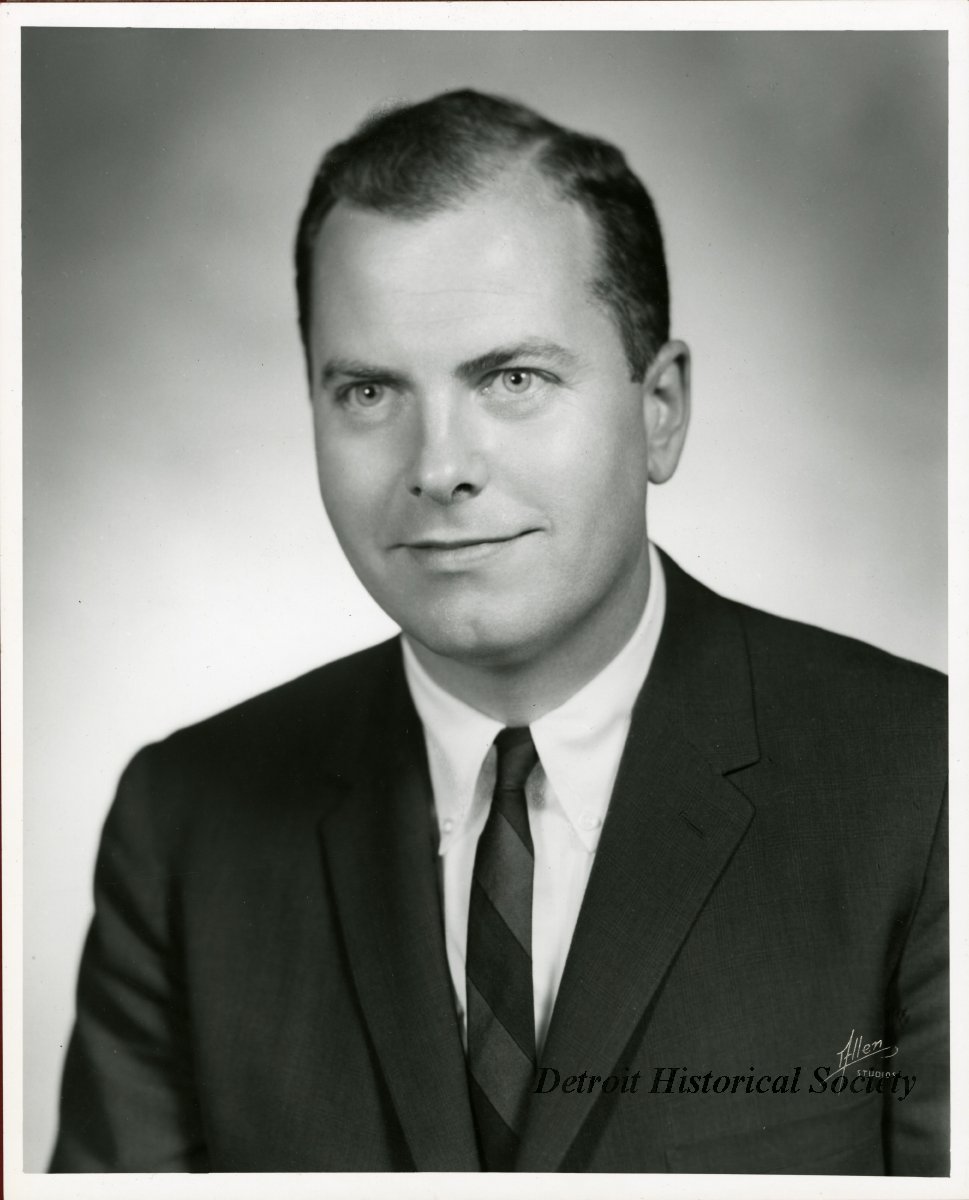
Mayor Jerome Cavanagh struggled to control the escalating crisis.
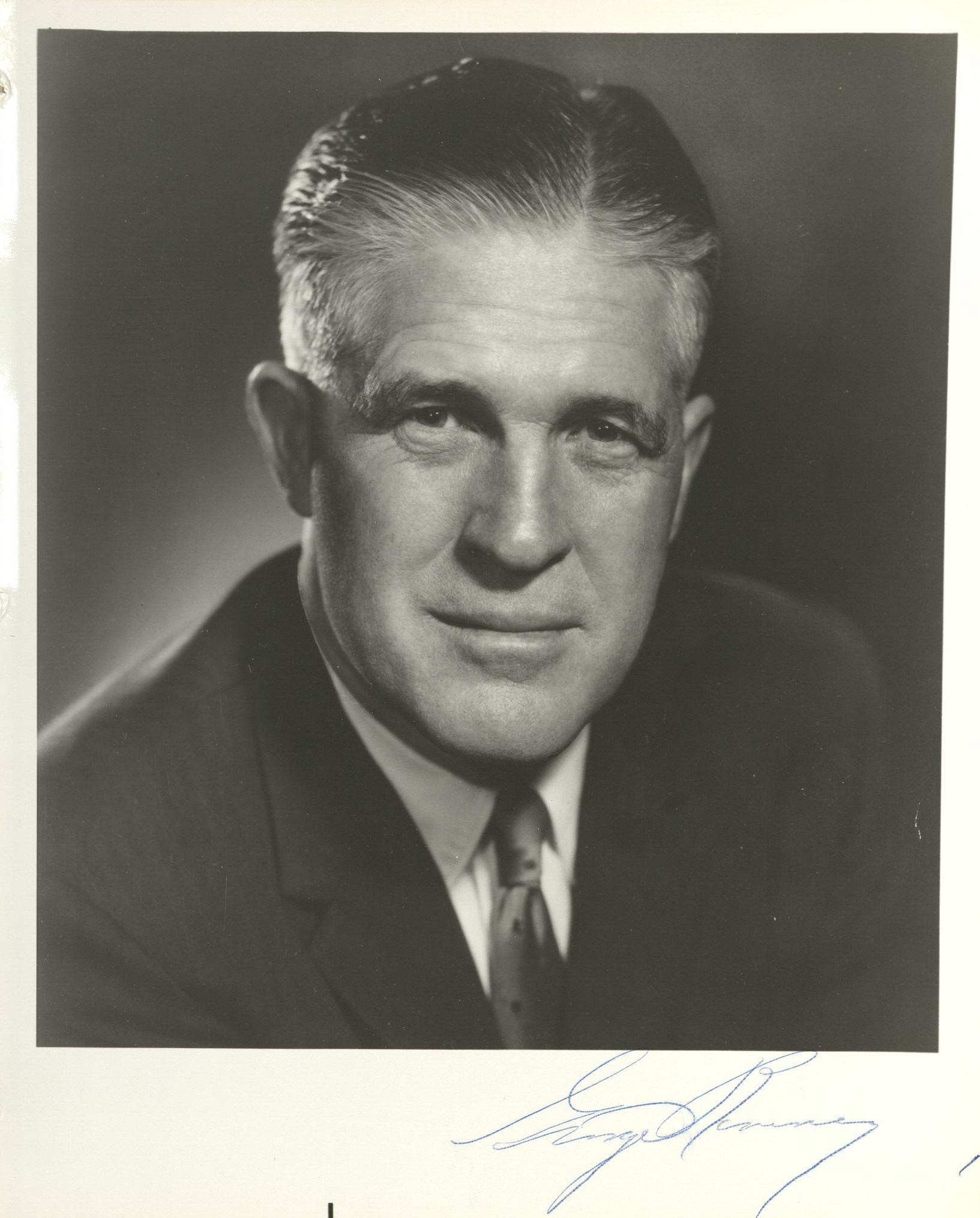
Governor George Romney ordered Michigan National Guard troops into the city.
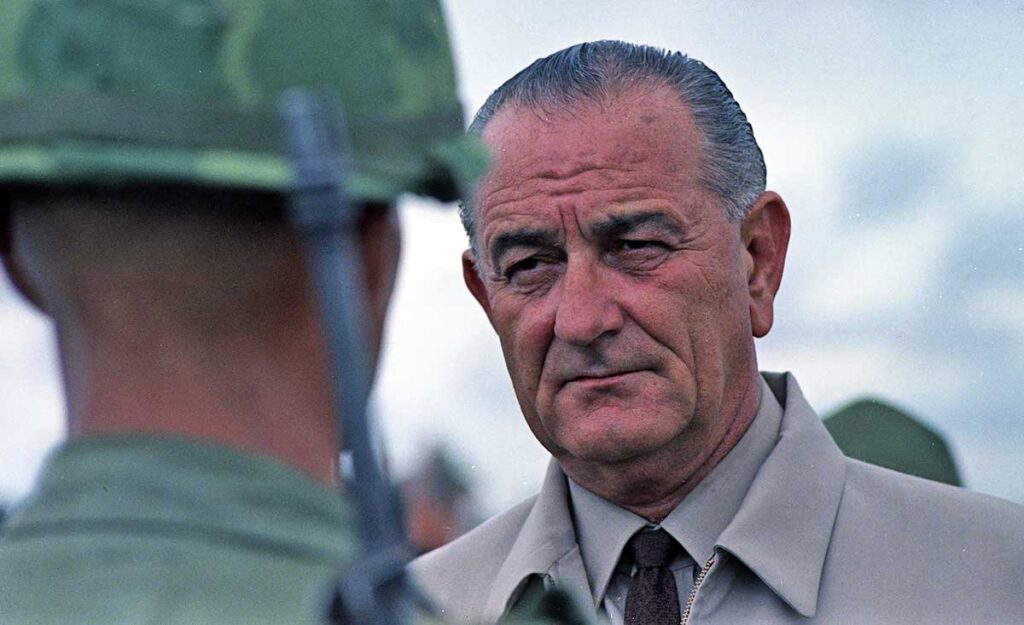
President Lyndon B. Johnson dispatched federal paratroopers.
The exact sequence of those orders — who moved first, who followed, at what hour — is not established in the record.
What is established is the toll.
Forty-three people died.
Thirty-three were Black.
Ten were white.
More than 1,100 were injured.
Over 7,200 people were arrested.
Most were charged with looting, curfew violations, and property destruction.
Property damage was estimated in the tens of millions of dollars.
The city's leadership was overwhelmed.
The mayor could not stop it.
The governor's troops arrived, and the burning continued.
The president's paratroopers arrived, and the burning continued.
Not because one order failed.
Because no single order could hold the city together.
The numbers carried the weight of the failure.
Forty-three.
Eleven hundred.
Seventy-two hundred.
The record does not tell us precisely when each deployment was ordered.
It tells us what they could not prevent.
TWO ORDERS, ONE QUESTION
The governor acted first.
Governor George Romney ordered Michigan National Guard troops into the city.
The president acted second.
President Lyndon B. Johnson dispatched federal paratroopers under the command of a general.
Two orders, two levels of government, one escalating crisis.
The guard arrived with rifles and armored vehicles.
The federal troops arrived under a commanding general whose name the record does not fix.
Each deployment was a decision made in the moment.
Each deployment was a response to what the city had already become.
The question is whether the response made things worse.
That question was taken up by the Kerner Commission, appointed by President Johnson and chaired by Illinois Governor Otto Kerner.
The commission held hearings.
It gathered testimony from witnesses, law enforcement officials, and community leaders.
It criticized the National Guard's response as often disorganized and disproportionate.
It identified systemic racism, police brutality, unemployment, and housing discrimination as root causes of the unrest.
The commission's 1968 report concluded that "our nation is moving toward two societies, one black, one white—separate and unequal."
It did not assign criminal blame to any individual.
It assigned blame to broader social conditions and failures of urban policy.
That is the distinction the record preserves.
No officer, guardsman, or civilian was criminally prosecuted for deaths during the riots.
That is not established as a fact of exoneration.
It is established as a fact of the record.
Two orders, one question.
Who bears responsibility for what happened after them?
The commission answered with conditions, not names.
The courts answered with nothing at all.
THE REPORT, NOT A VERDICT

There was no trial.
No individual was charged with causing the riots.
The record does not establish criminal responsibility for any of the 43 deaths.
The primary official investigation was conducted by the Kerner Commission, which held hearings and gathered testimony from witnesses, law enforcement officials, and community leaders.
The commission answered with conditions, not names.
Its report, released in 1968, famously concluded that "our nation is moving toward two societies, one black, one white—separate and unequal."
That sentence became the finding.
Not a verdict.
Not a conviction.
A diagnosis.
The legal aftermath involved the arrests of over 7,200 people, most charged with looting, curfew violations, and property destruction.
Their cases moved through the courts in the months that followed.
Sentences varied widely.
No police officers, National Guard members, or civilians were criminally prosecuted for deaths that occurred during the riots.
Some families of victims later filed civil lawsuits against the city and state.
Those were claims for damages, not charges of crimes.
The commission did not assign criminal blame to any individual.
It blamed systemic racism, police brutality, unemployment, and housing discrimination.
It criticized the media for sensationalizing the events.
It noted that the National Guard's response was often disorganized and disproportionate.
Who bears responsibility for what happened after them?
The commission answered with conditions, not names.
The courts answered with nothing at all.
The record shows a raid, a governor's order, a president's decision.
It shows a report.
It does not show a culprit.
That would require evidence.
AND THE STORY STILL ISN'T OVER
The street that burned is now called Rosa Parks Boulevard.
Many of the buildings along it were never rebuilt.
The empty lots remain, decades later.
The Detroit Riots of 1967 are still taught as a defining moment in American urban history.
The Kerner Commission's report has been cited for decades in discussions of racial inequality and policing.
Its conclusion — "our nation is moving toward two societies, one black, one white—separate and unequal" — has not aged into irrelevance.
It has aged into repetition.
The city itself changed too.
Detroit entered decades of population decline and economic hardship after July 1967.
The decline was not caused by any single verdict, because there was no verdict.
There was no trial, and no individual was charged with causing the riots.
No police officer, no National Guard member, no civilian was criminally prosecuted for the deaths that occurred.
Some families of victims filed civil lawsuits against the city and state.
Those cases did not produce a criminal answer.
In 2017, the 50th anniversary prompted renewed reflection.
The Detroit Historical Society created an oral history project to preserve survivors' accounts.
Survivors spoke.
Their accounts are now part of the record.
No criminal case remains open.
No individual has been posthumously exonerated or convicted in connection with the events.
That is not established, and the record says so plainly.
So the question remains a question.
Who ordered the troops?
Who bears responsibility?
The orders were documented: a governor's order, a president's decision, a police raid that started it all.
But no single name was ever charged.
The answer is not a simple name.
It is a report.
It is a street renamed.
It is a city that never rebuilt what burned.
The story is not over because the question is still being asked.
That would require evidence.
Advertisement
You may also like
The knife sheath found beside a victim that led police to a PhD student
It was found on the bed beside Madison Mogen’s body. A fixed-blade knife sheath, made of leather, lying in the room where a young…
The bullet from Berardelli's body that prosecutors said matched Sacco's Colt — but defense experts disputed
April 15, 1920, in South Braintree, Massachusetts. A paymaster and a guard were walking along Pearl Street, carrying two boxes of payroll cash. About…
The handleless hatchet in the Borden cellar that never matched the wounds
The handleless hatchet sat in the cellar of 92 Second Street, Fall River, Massachusetts, and it never matched the wounds. The wounds on Andrew…
The winter flight that took Buddy Holly and two rising stars — and the question that still haunts their families
The cornfield was flat and frozen, and the wreckage was still burning when the farmer found it. He had gone out the morning of…
Three weeks, ten deaths: the 2002 sniper spree that terrorized DC
October 2, 2002, a Thursday, and a man walked out of a grocery store in Wheaton, Maryland. He was 55 years old. He was…
The D.C. intern whose remains surfaced in Rock Creek Park a year after she vanished
The dog found the bones first. On May 22, 2002, a man walking his dog in Rock Creek Park, a large urban park in…