Three weeks, ten deaths: the 2002 sniper spree that terrorized DC
October 2, 2002, a Thursday, and a man walked out of a grocery store in Wheaton, Maryland.
He was 55 years old.
He was shot and killed in the parking lot, outside the store, in the middle of the day.
The attack seemed random.
No motive.
No demand.
No suspect.
Police had nothing but a body and a bullet.
The store stayed open.
The parking lot stayed full.
But the ordinary errand had turned fatal, and nobody could explain why.
Not yet.
At that moment, the region did not know it was the first.
It did not know there would be more shootings, or that the next three weeks would close schools and empty gas stations.
It did not know that people would start zigzagging in parking lots, trying to make themselves harder to hit.
That would come.
That would come within days, as the shootings multiplied and the fear spread from Maryland into Virginia and the District.
But on October 2, the record shows only one death, one parking lot, one grocery store run that did not end the way it should have.
No motive is established.
No suspect is named.
That is what the record shows, and it is all the record shows.
The man was on the ground below.
The police were above him, taking notes.
The investigation had begun, though no one yet knew what it was investigating.
TWENTY-TWO DAYS OF TERROR
The first fatal shooting came on October 2, outside a grocery store in Wheaton, Maryland.
That man was on the ground below, and the investigation had begun.
Between October 2 and October 24, a series of sniper attacks unfolded across Maryland, Virginia, and the District of Columbia.
Nine more people were killed.
Three others were wounded.
The shootings seemed random: gas stations, parking lots, other public locations.
No motive.
No demand.
No suspect.
Schools closed across the region.
People zigzagged in parking lots, trying to make themselves harder to hit.
Every public space felt lethal.
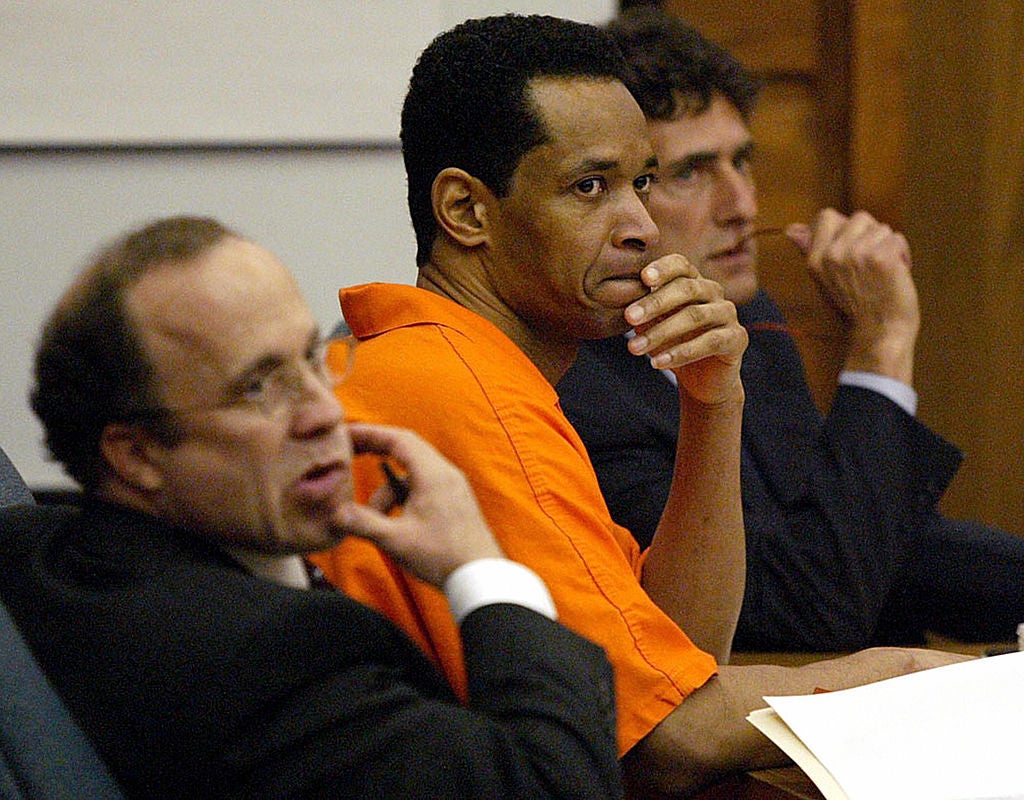
The lead investigator was Montgomery County Police Chief Charles Moose, and he became the public face of the case.
He stood before cameras, reading statements, asking for help, offering no answers.
The final shooting occurred on October 22, when a bus driver was killed in Aspen Hill, Maryland.
That made ten deaths in three weeks.
It is a number that is easy to recite.
It is harder to hold: ten people, each killed in a place they had chosen to be, each shot without warning.
The names of the victims are in the record.
They are not repeated here because the record itself is what matters, and the record is what remains in dispute.
What is established is the pattern: the dates, the locations, the weapon, the fear.
What is not established is any logic behind the choices.
Why one gas station and not another?
Why one parking lot and not the next?
Why that bus driver, on that morning, on that route?
That would require evidence, and the evidence, at this point, was still being gathered.
Chief Moose kept the region waiting.
The attacks continued.
THE TIP AND THE CAPRICE
The break came from a truck driver.
He had heard a radio report about a possible vehicle description, and he called it in.
The exact content of that report is not in the record.
Only that he heard a vehicle description, and that he acted on it.
The tip led police to a blue Chevrolet Caprice at a rest stop near Myersville, Maryland, on October 24.
Muhammad and Malvo were found sleeping in the car.
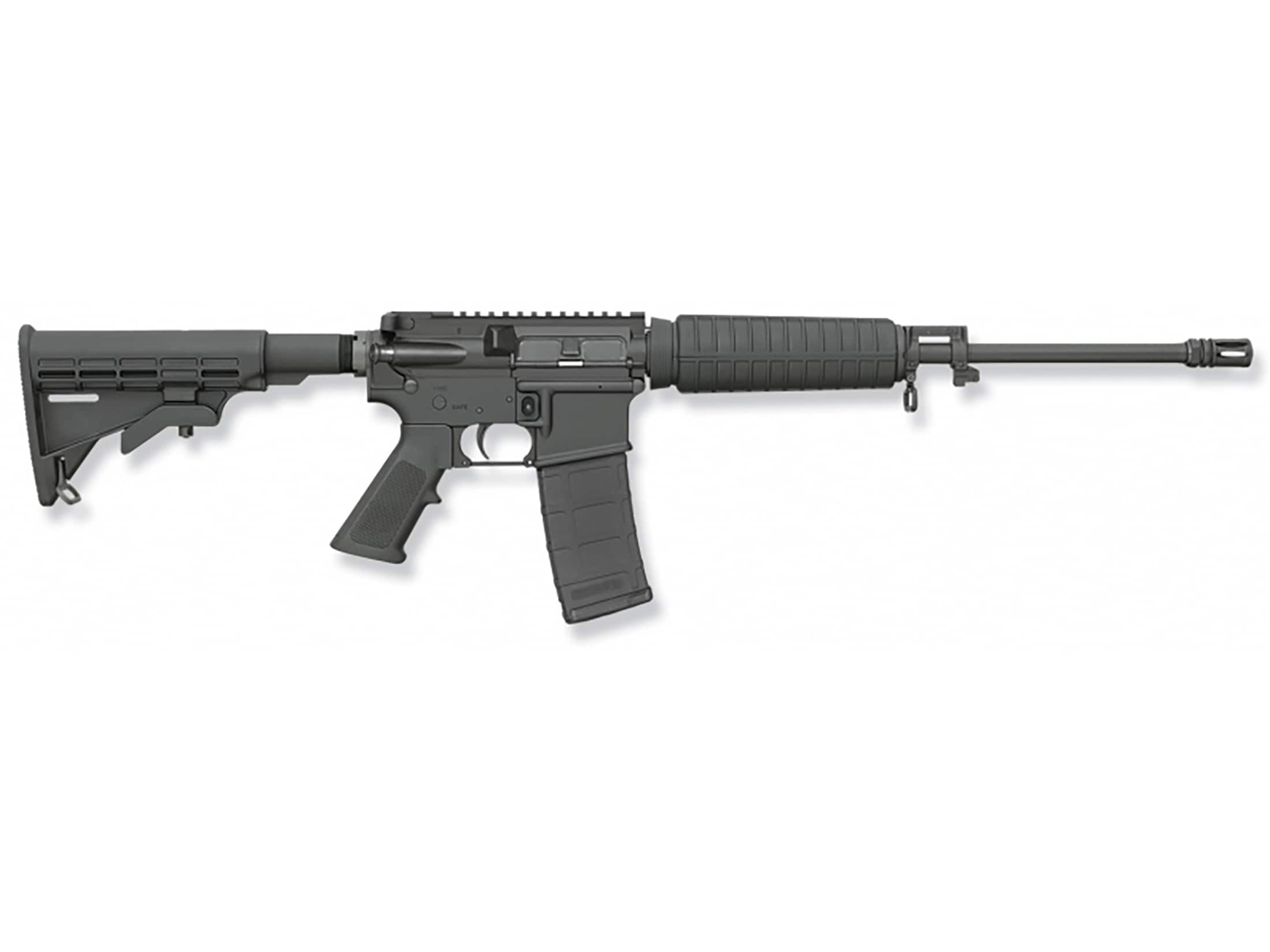
Inside, investigators found a Bushmaster .223-caliber rifle.
They found a scope.
They found a tripod with a hole drilled in it — used to fire from the trunk.
Ballistics evidence linked the rifle to multiple shootings.
A note left at one shooting scene was traced to Muhammad through fingerprints.
Not because the note confessed.
Because the fingerprints on it were his.
The mundane detail cracked the case.
A radio report, a truck driver, a rest stop.
The helplessness broke.
The region had zigzagged, waited, and watched.
The evidence, at that point, was no longer just being gathered.
It was in hand.
TWO TRIALS, TWO FATES
The trial that mattered most came first.
John Allen Muhammad stood trial in Prince William County, Virginia, for the murder of Dean Harold Meyers, a killing in Montgomery, Alabama, that investigators linked to the pair.
Prosecutors chose that charge because Virginia law allowed the death penalty.
On November 17, 2003, the jury convicted Muhammad of capital murder.
The judge sentenced him to death.
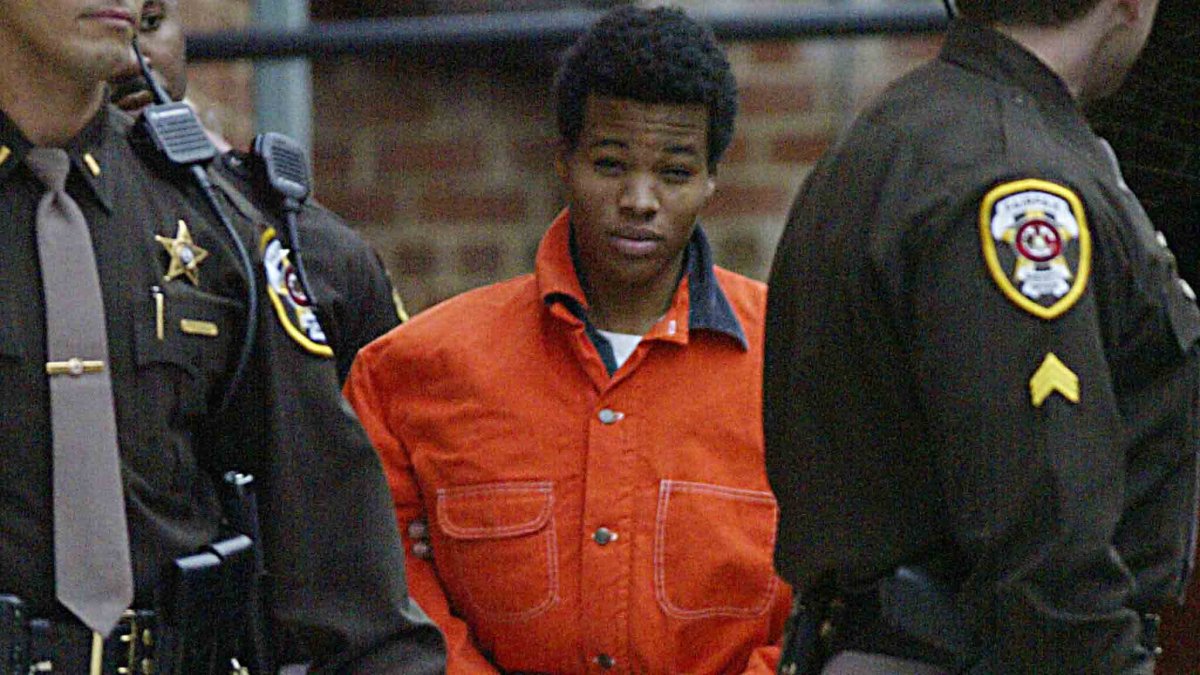
Lee Boyd Malvo was tried separately, also in Virginia.
He was convicted of murder in December 2003.
Because he was 17 at the time of the attacks, he was not eligible for the death penalty.
The court sentenced him to life in prison without the possibility of parole.
Two trials, two fates, one rifle.
Muhammad was executed by lethal injection on November 10, 2009, at Greensville Correctional Center in Virginia.
Malvo's conviction was upheld on appeal.
In 2021, the U.S. Supreme Court declined to hear his appeal challenging the life sentence.
His attorneys argued the sentence was unconstitutional under a 2012 ruling that banned mandatory life sentences for juveniles.
The specific legal arguments in that appeal are not detailed in the source beyond the constitutional challenge.
What remains is the question the record does not answer.
Was Malvo a mastermind's instrument or a willing partner?
Was he a child shaped by an older man's training, or a shooter who chose his shots?
Was 17 old enough to know, young enough to be remade?
That would require evidence the trials did not settle.
Muhammad is gone.
Malvo remains in prison, serving multiple life sentences without parole.
The families of the victims have spoken publicly since, some expressing mixed feelings about the execution.
The law delivered its weight.
The questions stayed behind.
AND THE STORY STILL ISN'T OVER
Muhammad was executed on November 10, 2009, at Greensville Correctional Center in Virginia.
Malvo remains in prison serving multiple life sentences without parole.
In 2021, the U.S. Supreme Court declined to hear Malvo's appeal, which his attorneys argued was unconstitutional under a 2012 ruling banning mandatory life sentences for juveniles.
The Court did not explain its decision.
The case's legal questions did not end with the verdicts.
They did not end with the execution.
They did not end with the denial.
Families of the victims have continued to speak publicly since.
Some expressed mixed feelings about Muhammad's execution.
Not because the loss felt lighter.
But because the math of one death for ten never quite closed.
Their specific identities are not named here.
The record does not establish who spoke, only that some did.
The case changed how law enforcement coordinates multi-jurisdictional investigations.
It changed how the media covers active shooting threats.
The task force model became a template.
The caution around live coverage became a rule.
The ripple effects are procedural.
They are also legal.
They are also emotional.
What remains is the weight of a region that zigzagged in parking lots.
What remains is the memory of schools closing on a rumor.
What remains is a truck driver's radio tip, documented and decisive.
The shooters are gone.
The fear is harder to bury.
The families carry the aftermath.
The agencies carry the lessons.
The appeals carry the unresolved.
The story still isn't over.
Advertisement
You may also like
The 2018 confession that put a 27-year-old murder case back in court
In a 2018 documentary interview, Duane “Keffe D” Davis described sitting in the front passenger seat of the white Cadillac. He claimed the gun…
The Black Dahlia clue that never led anywhere — a newspaper clipping
The clipping was a piece of a newspaper, folded once, kept among Elizabeth Short's belongings. Investigators logged it as a key piece of evidence.…
The ransom note found on a windowsill after a 20-month-old vanished from his crib
The nursery window was open. On the evening of March 1, 1932, Charles Lindbergh Jr., the 20-month-old son of aviator Charles Lindbergh and his…
The Green Beret's call about 'acid is groovy' intruders that unraveled
The phone call came just after 3 a.m. on February 17, 1970. Military police at Fort Bragg, North Carolina, were dispatched to 544 Castle…
The Zodiac letter that detectives still cannot explain
A second cryptogram arrived in November 1969. It came to the newspapers, signed by the Zodiac. It was never definitively solved. The meaning of…
The knife sheath found beside a victim that led police to a PhD student
It was found on the bed beside Madison Mogen’s body. A fixed-blade knife sheath, made of leather, lying in the room where a young…