The handleless hatchet in the Borden cellar that never matched the wounds
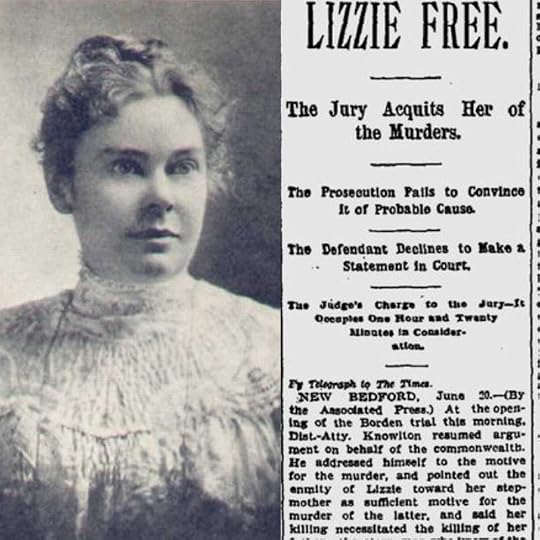
The handleless hatchet sat in the cellar of 92 Second Street, Fall River, Massachusetts, and it never matched the wounds.
The wounds on Andrew Jackson Borden and his second wife, Abby Durfee Borden, were described by the medical examiner as multiple blows from a sharp, heavy instrument.
The hatchet was examined.
It was examined closely, according to the source, and it was never conclusively linked to the murders.
Why would a hatchet be in the cellar?
Why would it have no handle?
Why would it match nothing?
That would require evidence.
The lead investigator, Police Marshal John Fleet, arrived at the scene on the morning of August 4, 1892, and noted the lack of a clear murder weapon.
No hatchet or axe was found in the house initially.
Then the handleless hatchet appeared in the cellar.
It is a theory that this was the weapon.
The record does not establish it.
The handleless hatchet was examined but not conclusively linked to the murders, according to the source.
The wounds were described as multiple blows from a sharp, heavy instrument, per the medical examiner.
The hatchet never matched the wounds.
That is the unresolved detail.
It is a detail that draws the eye and holds it.
THE MORNING OF AUGUST 4, 1892
The morning of August 4, 1892, was warm and still in Fall River, Massachusetts.
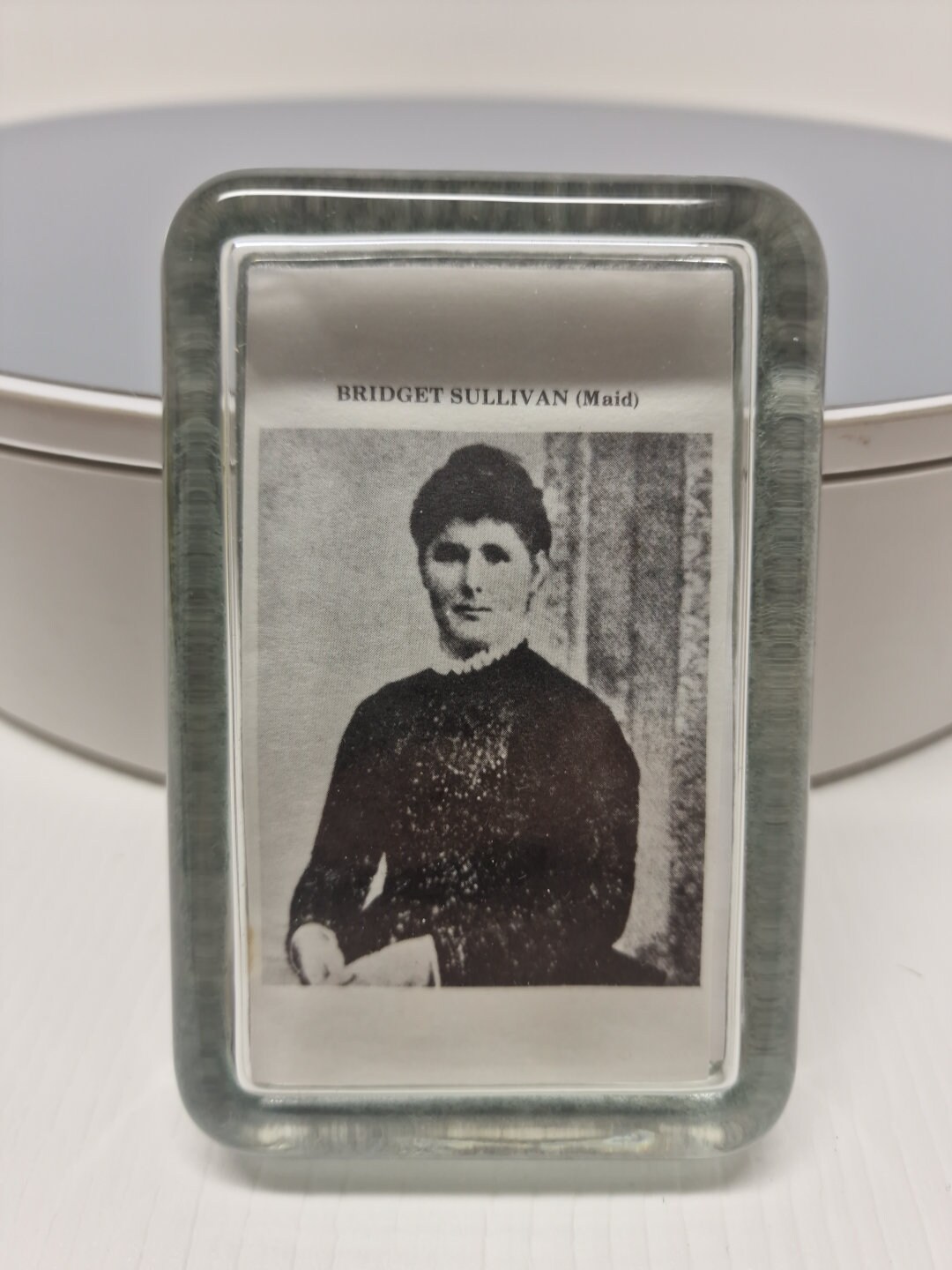
Inside 92 Second Street, the maid, Bridget Sullivan, went about her chores.
Andrew Jackson Borden, the wealthy banker, had left the house earlier for his usual rounds.
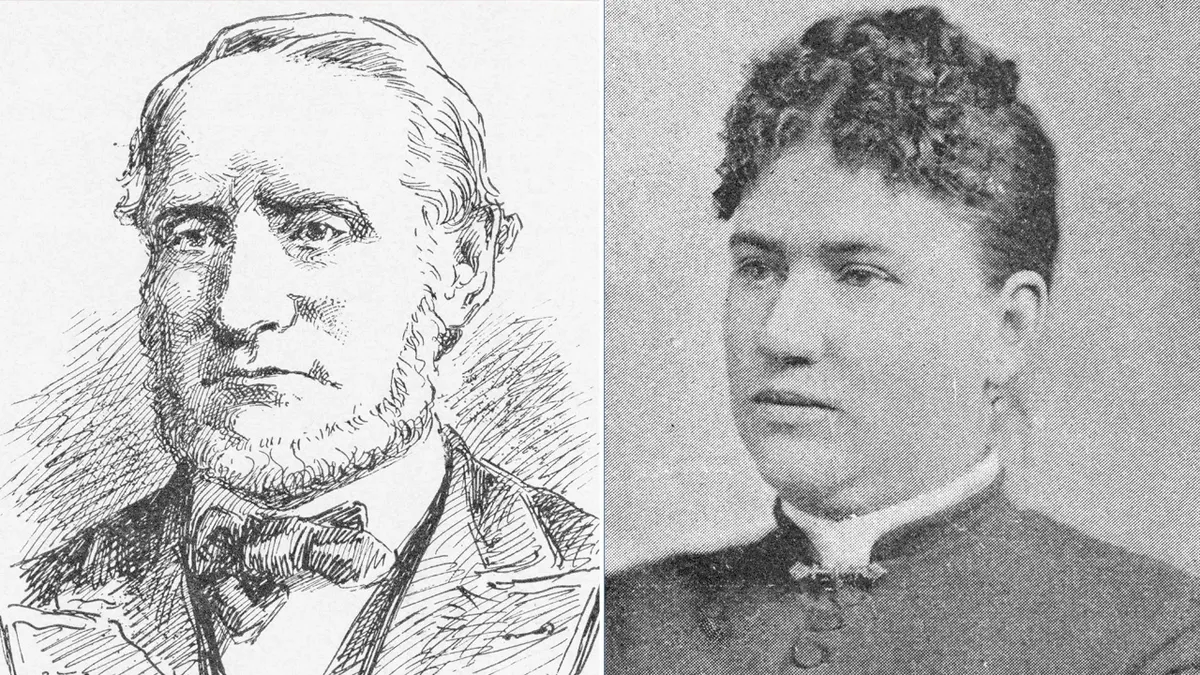
He returned around eleven.
He lay down on the sofa in the first-floor sitting room.
The maid heard a noise, later said to be a groan, but she did not check on him.
Upstairs, Abby Durfee Borden, his second wife, had been in the guest bedroom.
She was found there, dead from multiple blows to the head.
Her body was discovered first.
Andrew Borden was found lying on the sofa, his face nearly split by what appeared to be a hatchet.
The bodies were found by the maid and a neighbor, Adelaide Churchill.
They came because Andrew Borden had failed to appear for a scheduled appointment.
The murders occurred within roughly an hour of each other.
Abby Borden was killed first.
Andrew Borden was killed after he returned home.
The exact sequence of events inside the house is not fully documented.
It is not established who moved through the rooms, or in what order.
The horror is in the ordinary details: a sofa, a guest bedroom, a hot August morning.
A family home became a crime scene.
Two victims in one hour.
One was a stepmother, the other a father.
The maid heard something but did not see anything.
The neighbor came because a man missed an appointment.
That is what the record shows, and it is not much more.
THE ACCUSED AND THE SISTER

Lizzie Andrew Borden was 32 years old, Andrew's younger daughter from his first marriage.
She was arrested and charged with the murders of her father and stepmother.
Her older sister, Emma Lenora Borden, was living in the house at the time.
Emma became a key figure in the case, though she was never charged.
Lizzie gave conflicting accounts of her whereabouts during the murders.
First she claimed she was in the barn.
Then she claimed she was in the kitchen.
Then she claimed she was in the sitting room.
Lizzie's exact movements during the murders are not established.
The inquest in August 1892 produced testimony from Lizzie that many found damaging.
The defense argued her statements were made under duress and without counsel.
The prosecution's case was largely circumstantial.
There were no eyewitnesses.
There was no weapon definitively linked to the crime.
The handleless hatchet found in the cellar was examined.
It never matched the wounds, not conclusively.
Not because it was ruled out. Because nothing was ruled in.
The maid heard something but did not see anything.
The neighbor came because a man missed an appointment.
A daughter stood at the center of the shifting stories.
Suspicion weighed on her, and the record never fixed her in one place.
THE TRIAL AND THE VERDICT

The grand jury indicted Lizzie Borden in November 1892.
Her trial began on June 5, 1893, in New Bedford, Massachusetts.
The prosecution argued motive—resentment of her father and stepmother—and opportunity.
The defense argued the lack of physical evidence.
The defense argued the impossibility of Lizzie committing the murders without being covered in blood, given the nature of the wounds.
The jury deliberated for just over an hour.
On June 20, 1893, they returned a verdict of not guilty.
Lizzie was acquitted of all charges.
The verdict came fast.
Was it the speed of certainty, or the speed of exhaustion?
Was it the absence of a weapon, or the absence of a believable killer in a bloodless dress?
The record states the legal outcome.
Whether the verdict was correct is not resolved by the record.
AND THE STORY STILL ISN'T OVER
The record states the legal outcome.
Whether the verdict was correct is not resolved by the record.
Lizzie Borden and her sister Emma bought a large home in Fall River and called it Maplecroft.
Lizzie changed her name to Lizbeth and lived there for the rest of her life.
She died on June 1, 1927, at age 66.
Emma died ten days later, on June 10, 1927.
The case was never reopened.
No one else was ever charged.
The Borden house at 92 Second Street is now a tourist attraction and a bed-and-breakfast.
Books, films, and documentaries keep returning to it.
The handleless hatchet from the cellar still haunts the story.
It was examined.
It was not conclusively linked to the murders.
That link is a theory, not a fact the record establishes.
What truly happened in the Borden house on August 4, 1892, is not established by the record.
The acquittal stands.
No legal finding ever contradicted it.
The public imagination has never agreed.
Was there a weapon the police missed?
Was there a killer who never bled?
Was there a daughter who walked free?
That would require evidence.
The record does not provide it.
Lizbeth Borden lived quietly at Maplecroft.
Her name was her own invention.
The house on Second Street kept its rooms, its sofa, its cellar stairs.
Visitors walk through them still.
They ask the same questions.
The hatchet has no handle.
The story has no end.
Advertisement
You may also like
The license plate stop that changed everything in Oklahoma City
At 9:02 a.m. on April 19, 1995, a truck bomb exploded outside the Alfred P. Murrah Federal Building in Oklahoma City, Oklahoma. The blast…
The DNA on a bra clasp left 46 days that decided a murder case
The door to Meredith Kercher's bedroom was locked. Her flatmate Filomena Romanelli found it that way on the morning of November 2, 2007, and…

The brother's tip that turned a 17-year manhunt into a cabin raid
In September 1995, The Washington Post and The New York Times published the Unabomber's manifesto, a 35,000-word essay. The FBI had offered to publish…
The torso victim's sister spoke once — and the one detail she revealed
She spoke once. That is all the record gives her. Among the dozen or more victims of the Cleveland Torso Murderer, most were transients…

The 1987 saliva sample that waited 14 years to name a killer
A truck painter from Auburn, Washington, gave the investigators his saliva in 1987. Gary Leon Ridgway was a suspect in the Green River murders,…
A boat bought weeks before Christmas, and the fishing trip that broke a timeline
The boat was new when Scott Peterson told police he had spent the morning fishing alone at the Berkeley Marina. He bought it weeks…