The 911 call that started the Casey Anthony case — and the 31 days no one can explain
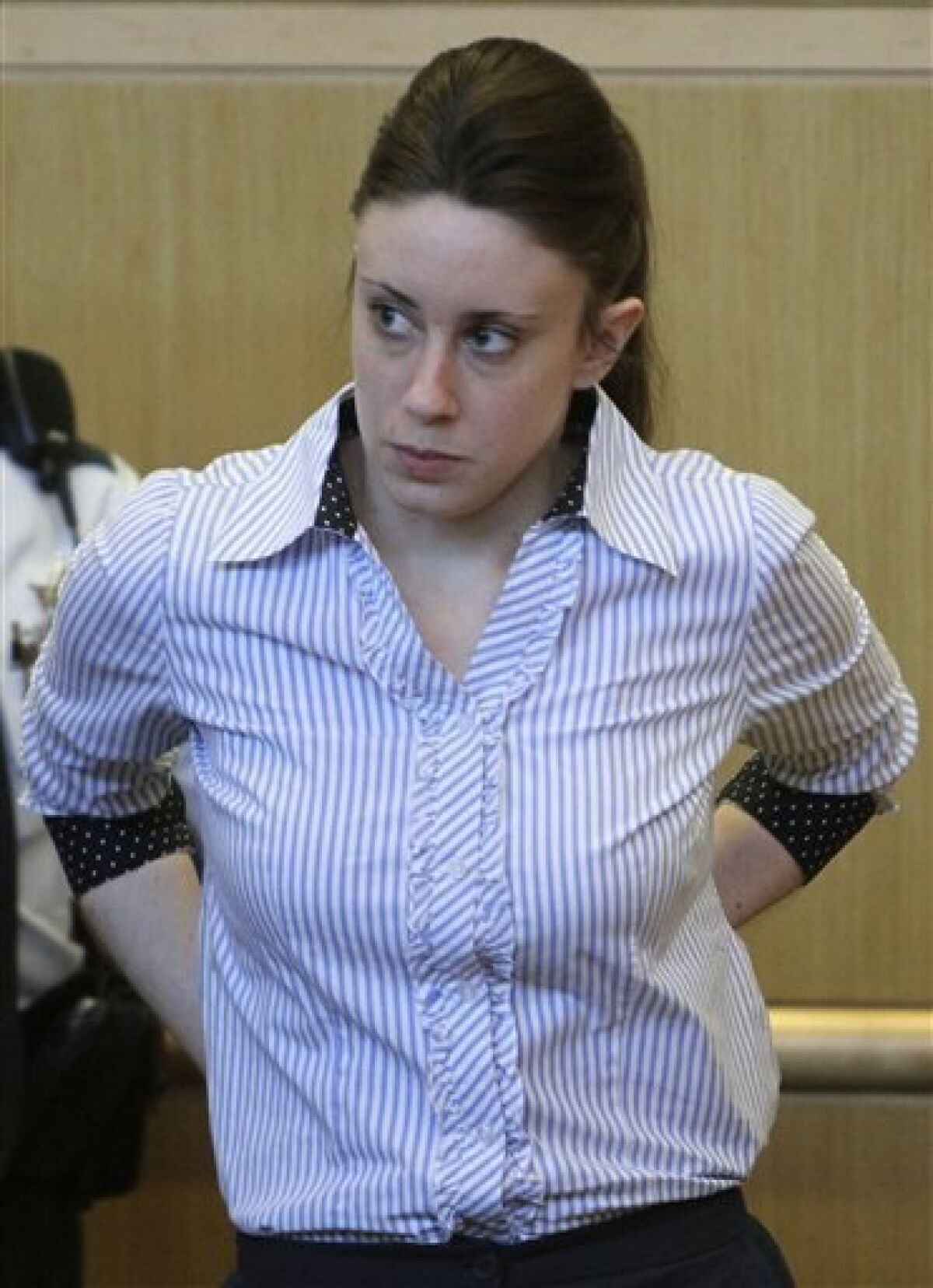
Cindy Anthony dialed 911 on July 15, 2008.
She reported her 2-year-old granddaughter, Caylee, missing.
It was the first official report that the child was gone.
Casey Anthony, the child's mother, told investigators she had last seen her daughter weeks earlier.
The child, she said, was with a babysitter named Zenaida Fernandez-Gonzalez.
Investigators later determined that name did not exist.
It was a key early contradiction, and it did not hold.
The gap between the last seen date and the 911 call is the detail that drives the public's attention.
What happened in those 31 days?
Where was Caylee in those 31 days?
Why did no one report it sooner?
What Casey Anthony did or where Caylee was during those 31 days is not established in the record.
The record shows a 911 call, a name that was not real, and a mother who said she had not seen her child for weeks.
It does not show the weeks themselves.
THE 911 CALL AND THE ARREST
The 911 call came on July 15, 2008.
Cindy Anthony, the child's grandmother, reported that her 2-year-old granddaughter, Caylee, was missing.
Casey Anthony, the child's mother, told detectives she had last seen her daughter weeks earlier.

She said the child was with a babysitter named Zenaida Fernandez-Gonzalez.
Investigators determined that name did not exist.
Over the following weeks, Casey offered shifting stories about the babysitter and the child's whereabouts.
The record shows the arrest came fast.
On July 16, 2008, one day after the call, Casey Anthony was arrested on charges of child neglect and making false statements.
What exactly happened to Caylee, or where she was during those 31 days, is not established at this point in the timeline.
The arrest was quick.
The truth was not.
On October 14, 2008, a grand jury indicted Casey Anthony on first-degree murder, aggravated child abuse, and aggravated manslaughter.
She was charged, not convicted.
The accusations were now formal: the state alleged she killed her daughter.
The defense would later argue otherwise.
But in the autumn of 2008, the case moved from a missing child to a murder charge in ninety-one days.
The speed of the arrest contrasts with the slow revelation of the facts.
The weeks themselves remain unexplained.
The record shows a call, a false name, a shifting story, and an indictment.
It does not show what happened to Caylee Anthony.
THE REMAINS AND THE EVIDENCE

On December 11, 2008, a utility worker discovered skeletal remains in a wooded area near the Anthony family home in Orlando.
The worker was searching the area when he found them.
The remains were later identified as Caylee Anthony.
The medical examiner determined the cause of death was homicide.
The specific mechanism could not be determined.
No weapon was identified.
That is not established in the record.
The prosecution presented what it had.
There was the decomposition odor in Casey's car, analyzed by forensic experts.
There were internet searches for terms like "foolproof suffocation."
There was the 31 days no one could explain.
The defense argued Caylee accidentally drowned in the family pool.
The defense argued George Anthony disposed of the body.
George Anthony testified for the prosecution.
The car smelled of death. The searches suggested a plan. The timeline suggested concealment.
That would require evidence of a mechanism.
The record does not provide one.
It provides circumstantial weight, not a weapon, not a manner.

It provides a victim, a mother charged, and a hole where the how should be.
She was on the ground below, skeletal remains in a bag.
The discovery ended the search for the child.
It opened the search for the cause.
TWO STORIES, ONE JURY
The prosecution argued that Casey Anthony killed her daughter to live a carefree life.
The defense argued that Caylee accidentally drowned in the family pool and that George Anthony covered up the death.
The trial began on May 3, 2011, in Orlando, before a judge.
The prosecution presented the smell of decomposition in Casey's car.
The prosecution presented internet searches for "foolproof suffocation."
The defense presented a drowning, a panic, a cover-up by a grandfather.
Two stories, one jury.
On July 5, 2011, the jury found Casey Anthony not guilty of first-degree murder.
Not guilty of aggravated child abuse.
Not guilty of aggravated manslaughter.
She was convicted of four misdemeanor counts of providing false information to law enforcement.
She was sentenced to time served and a $4,000 fine.
The verdict did not establish what happened to Caylee.

The jury's reasoning is not in the record.
It is not there because the jury gave none.
The cause of death was ruled homicide, but the mechanism could not be determined.
The prosecution could not say how.
The defense could not prove the pool.
The jury could not agree on a story they believed beyond a reasonable doubt.
Was it frustration?
Was it disbelief?
Was it the gap between the evidence and the charge?
That would require evidence.
The charge required proof of intent, and the record held none that convinced twelve people.
Caylee was gone.
The search for the cause ended where it began: with 31 days no one can explain.
AND THE STORY STILL ISN'T OVER
She was released from jail on July 17, 2011, having served time for the misdemeanor convictions.
Not because the jury found the story clear.
Because the law required proof the prosecution could not supply.
She has since lived in relative obscurity, though she has occasionally appeared in media interviews.

In 2017, she was involved in a bankruptcy case.
George and Cindy Anthony have remained in Florida and have spoken publicly about the case on occasion.
The case remains one of the most controversial in American legal history, with ongoing debate about the verdict.
Some still argue the prosecution failed.
Some still argue the jury failed.
Some still argue the system itself failed.
That would require evidence the record does not hold.
No new official steps are pending in the record.
The next concrete step is not specified.
The legal case is closed.
The questions remain open.
The 31 days remain unexplained.
The name that did not exist still has no answer.
The cause of death was ruled homicide, but the manner was never established.
The weapon was never identified.
The story is over in the courts.
It is not over in the public mind.
Casey Anthony walked out of jail on a Sunday.
The cameras were there.
The questions were not answered.
They were only repeated.
Advertisement
You may also like
The mother who watched her daughter's killer walk free — and still says he did it
She was 18 years old. Hae Min Lee was a senior at Woodlawn High School, a popular student and an athlete. She was the…
The slumber party that turned into a nightmare: What one mother found when she came home
The pillowcases were on the floor when Eve Nichol walked in. One was on the bed. One was on the carpet. The girls were…
How a sister and brother-in-law torn apart by Menendez killings still disagree
The den was a room in a Beverly Hills home, and on August 20, 1989, it held two bodies. José and Kitty Menendez were…
The pizza crust that cracked a decade-long Gilgo Beach murder case
A pizza crust, discarded in a Manhattan trash can, ended a decade of silence. In July 2023, DNA from that crust was matched to…
He said four intruders chanted 'acid is groovy' — then the blood evidence shifted
The military police arrived at 544 Castle Drive after a call on February 17, 1970. Fort Bragg, North Carolina. The off-base apartment of Captain…
The morning Gianni Versace walked to a newsstand and never came back
The morning began as an errand. On July 15, 1997, at approximately 8:45 a.m., Gianni Versace walked from his Miami Beach mansion, Casa Casuarina,…